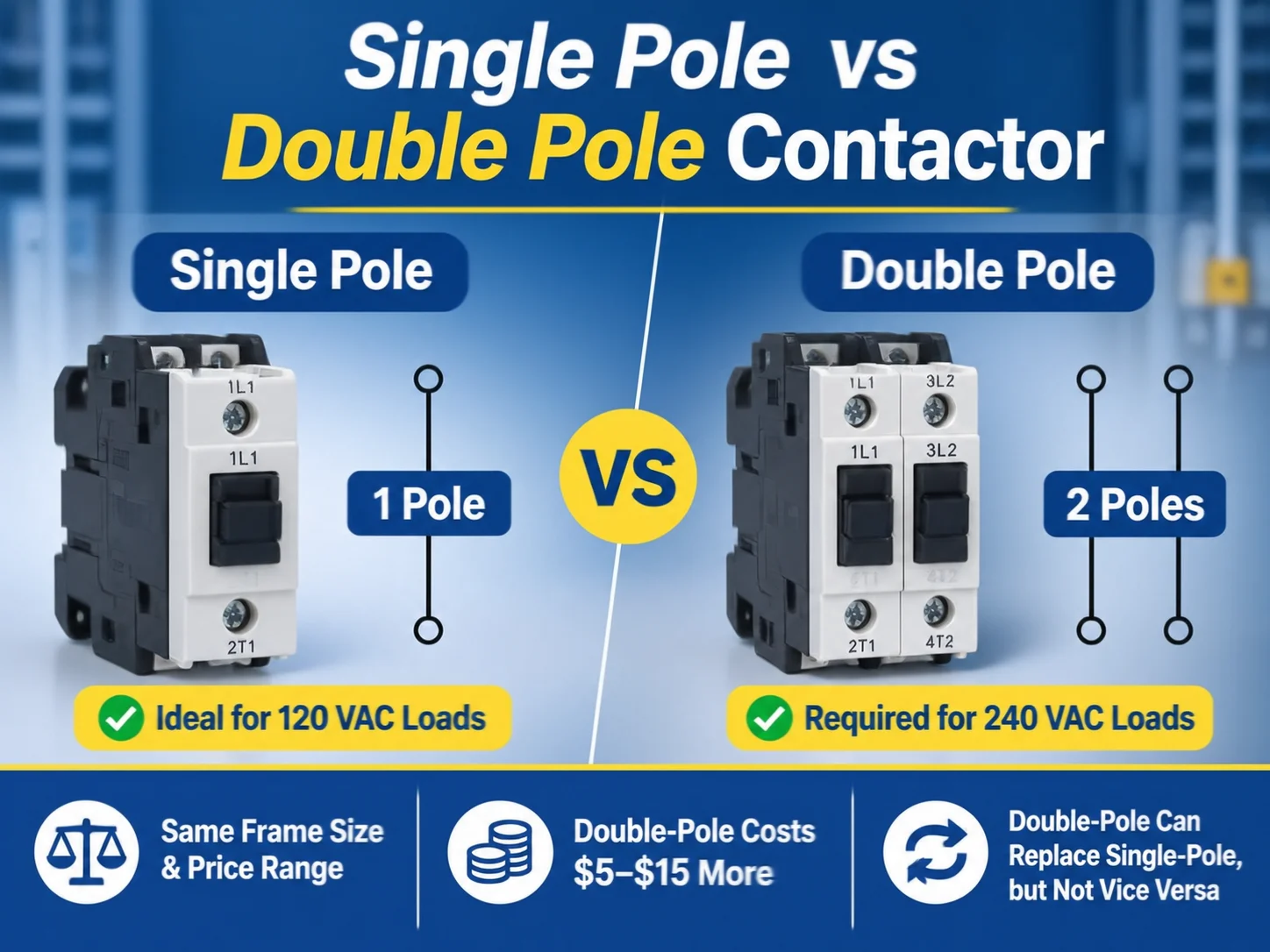
Both contactors look identical and install in the same manner. Often, both contactors will share a coil. For this reason, many people select what contactor to use based solely on what’s in the service van and not based on what is being connected to their contactor circuit.The primary difference between single and double contactors isn’t capacity; the real difference is whether the second conductor on the load side becomes disconnected when the contactor drops out. What makes this important is on a 240 VAC circuit. When a single-pole contactor drops out, one of the two hot wires remains energized at the point of connection to the load. The equipment continues to have power even after it has been switched off. Conversely, when a double-pole contactor drops out, the two hot wires are disconnected, and therefore, the equipment is truly dead.
Quick answer: A single-pole contactor operates on one leg (the line), whereas a double-pole contactor switches two legs. For 120 VAC loads, a single-pole contactor is suitable and fully isolates the equipment; however, on 240 VAC loads, a single-pole contactor will leave one leg energized at the load even when the contactor coil is off, therefore, the double-pole contactor should be selected and is frequently mandated to be used. It is worth noting, that while both types of contactors have identical frame sizes and price ranges, a double-pole contactor typically costs between five and fifteen dollars more than a single-pole contactor and requires one additional pole width. Furthermore, double-pole contactors can be used to replace single-pole contactors for the most part; however, a single-pole contactor is not capable of replacing a double-pole contactor.
The Difference in One Line
A contactor functions as a load-temperature relay. By activating the coil, the coil moves a magnetic armature, which has moving contacts that connect to and disconnect from the electric circuit. A contactor has a pole count representing the number of independent circuits operated by a specific armature; the pole count does not affect the ampacity of a contactor.
A single pole has one inlet and outlet, whereas a double pole will have duplicate sets of contacts but no changing contactor locations. Both poles on a double pole can instantaneously break together from magnetic coupling, making it useful for a single, two-phase 240 V circuit breaking at the same time rather than sequentially.
There are also three-pole and four-pole contactors with similar principals. A three-pole contactor is generally utilized for three-phase motors and a four-pole contactor is generally used for either a three-phase circuit plus a separate switched neutral, or two individual one-phase circuits from the same contactor.
What Each One Disconnects and What It Leaves
For a 120 V electrical circuit, there is a hot wire and a grounded wire. A single pole contactor connecting to the hot wire will remove all power to the load, with the connection to ground remaining intact; this is the normal and safe practice. If a single pole contactor were to connect to ground instead of the hot wire, any electrical equipment connected to the load terminal would always maintain an electrical connection despite only being switched off by the contactor.
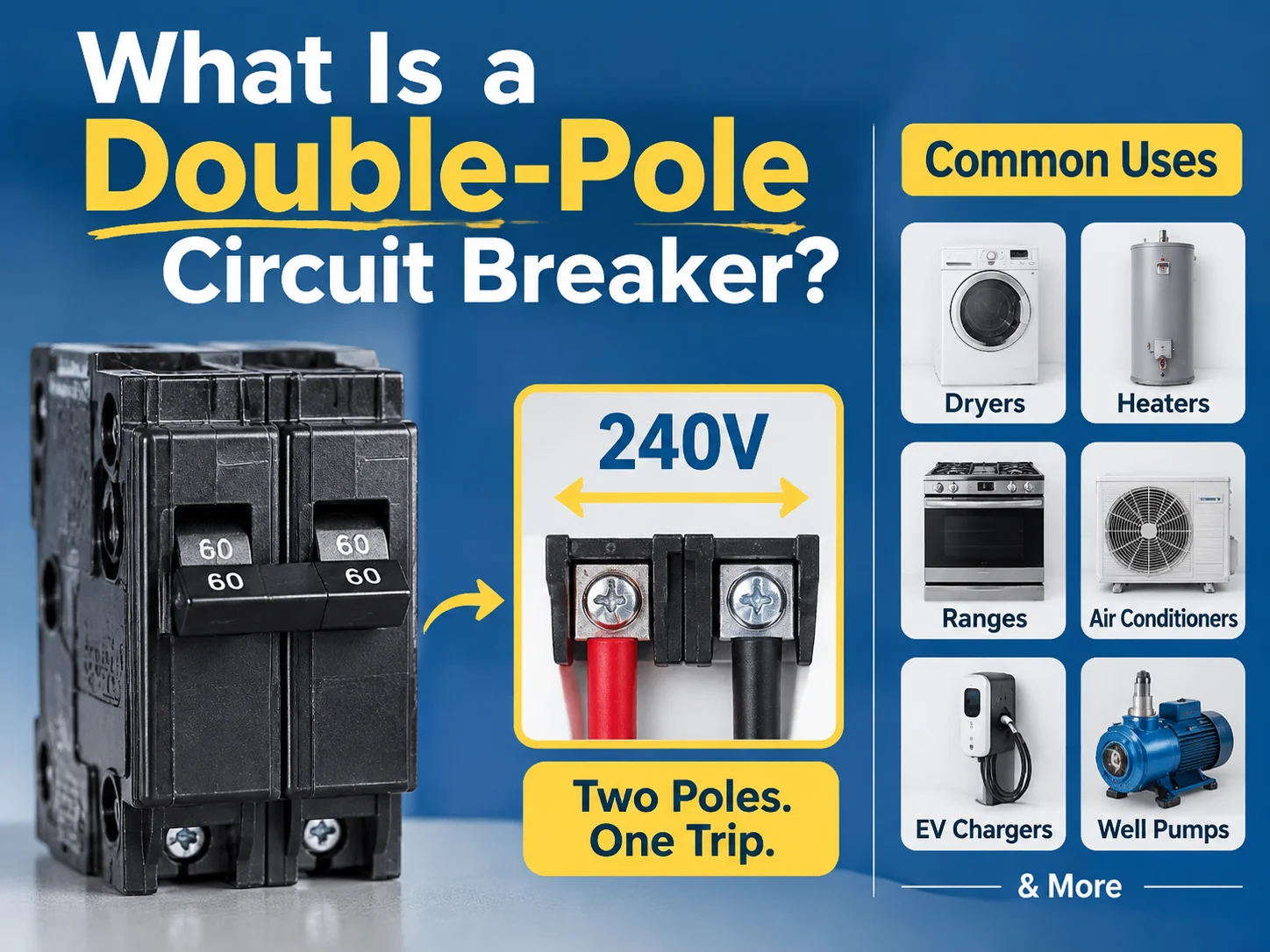
For a 240 V electrical circuit, a double pole contactor will have two hots, and disconnecting one of those hots will remove electrical power from the load.
When a single-pole contactor is used in a 240-volt circuit, it disconnects one leg of the circuit, but the 120 volts remain present on the other leg, which means that will still be a possible shock hazard. Therefore, a double-pole contactor is needed to fully turn off both legs of the circuit. Additionally, when an inspector sees a single-pole contactor used as a disconnecting means for a 240-volt load, they will consider it to be a violation of NEC codes 430.103 because it does not disconnect both ungrounded conductors in a 240-volt application. Typically, these violations are fixed by either installing a double-pole contactor or installing a separate disconnecting switch prior to the equipment.
Another potential issue with single-pole contactors is that they can weld contacts together (arc) while the other pole remains closed, which results in the equipment continuing to run even though it has been turned off. Therefore, having a two-pole contactor connected in series with the load will reduce the likelihood of the equipment continuing to run due to a welded contact.
To determine if a contactor is suitable for your application you need to consider the following four pieces of information: the number of poles, the amp rating, the horsepower rating, and the coil voltage. The number of poles is only the first of four important factors for evaluating contactors.
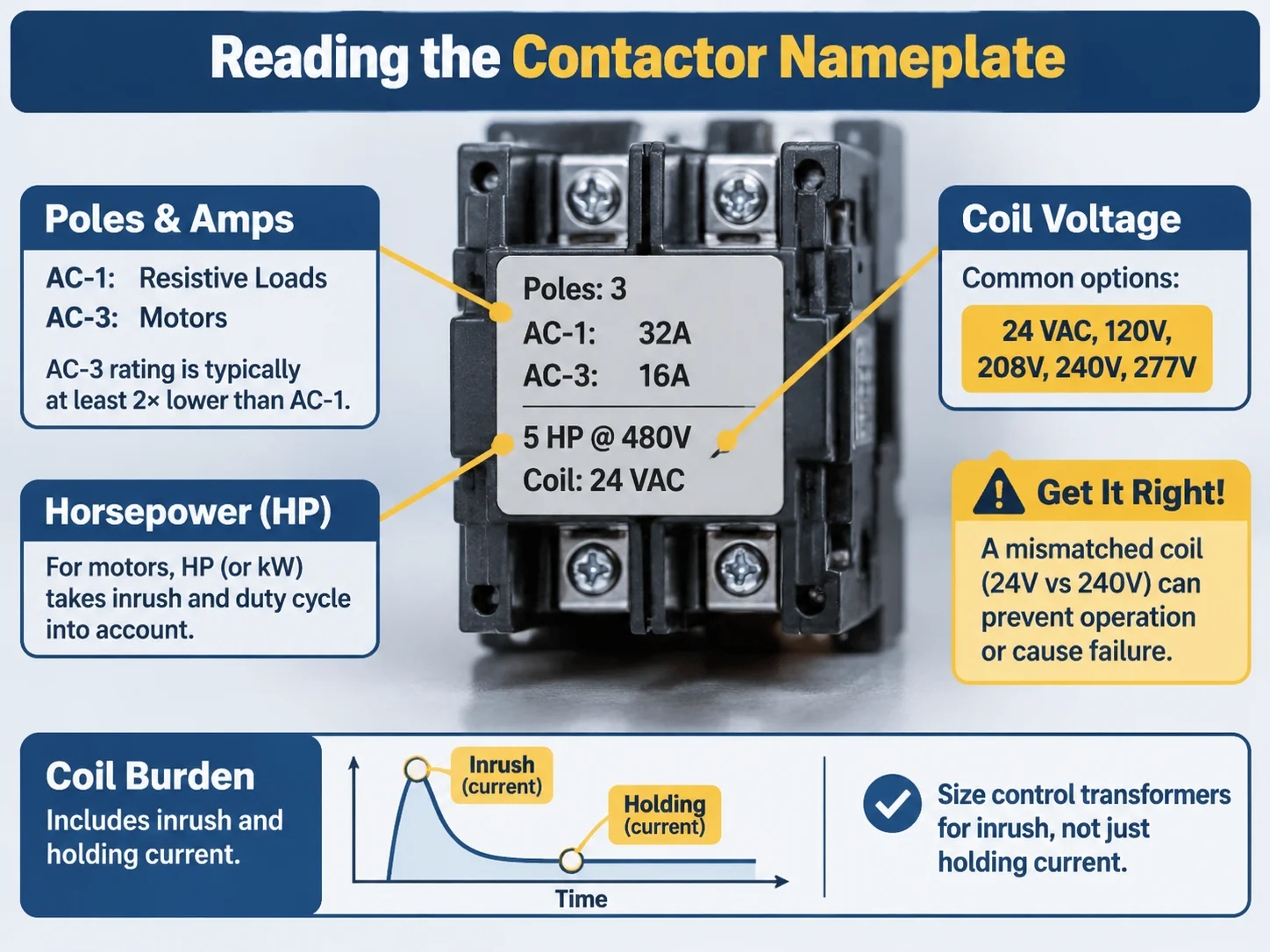
Reading the Nameplate: Poles, Amps, HP and Coil Voltage
Ampere ratings are expressed in a “category,” where typically AC-1 represents resistive loads and AC-3 is for motors. The two ratings will be at least a 2 to 1 difference between these two. A 32 A AC-1 rated contactor is NOT a 32 A rated motor contactor.
Horsepower or kW rating is what matters for a motor because it considers both the inrush and the duty cycle of the motor. The definite purpose contactor that is sold for air conditioning uses tons or horsepower as the rating instead of amps. This type of product has a specific load that it can be used with.
The coil voltage is #4, and this has the most opportunity for mistakes when replacing contactors. A coil that has a 24 VAC voltage would be normal for HVAC control systems, whereas a coil rated at 120 volts, 208 volts, 240 volts or 277 volts would all be common for other applications. If you put a 240 V coil onto a 24 V control circuit, then the contactor would never pull in; conversely, if you put a 24 V coil onto a 240 V control circuit, it would burn out in a few seconds.
The fifth figure, although it is usually not printed on the front of the contactors, is the coil burden, and is typically included as part of the data sheet for the product. When a contactor is energized, it draws a large current for a few milliseconds (known as “inrush” current) and after that, it draws a smaller holding current. If you size control transformers using only the holding current, the transformers will drop out when two contactors pull in simultaneously.
Inside the Device: Coil, Armature, Contacts and Arc Control
The coil is a winding that is fixed to a core and is energized via terminals A1 and A2. The armature is the moving element. The armature remains open and is held by a spring until it is pulled closed by the magnetic field.
The armature houses the moving contacts, while the fixed ones are located in the base; therefore, the contact gap refers to the distance between the two sets of contacts, and the resistance is maintained at a relatively low value when closed due in part to spring pressure.
Whereas arc control differentiates a cheap contactor from a quality unit most significantly, cheap devices rely on the arc being both stretched and cooled by the action of separating contacts, which is typically acceptable for low currents; however, larger devices feature a splitter stack or magnetic blowout, and this variance will ultimately result in longer contact life than what is expected of a low-end unit.
The two mechanical features influencing pole count choice are: multi-pole devices will have the same armature for all poles, therefore, the pressure applied at each pole will be consistent, and when the poles open, they all open together; this characteristic makes double-pole switches safe for disconnection. Second, the pole is not an extra terminal block; even if a pole is not connected to anything, it still has contact pairs and can arc if an item is connected to it, which is why all unused poles should remain unconnected rather than used for junctions.
Where a Single Pole Is Correct
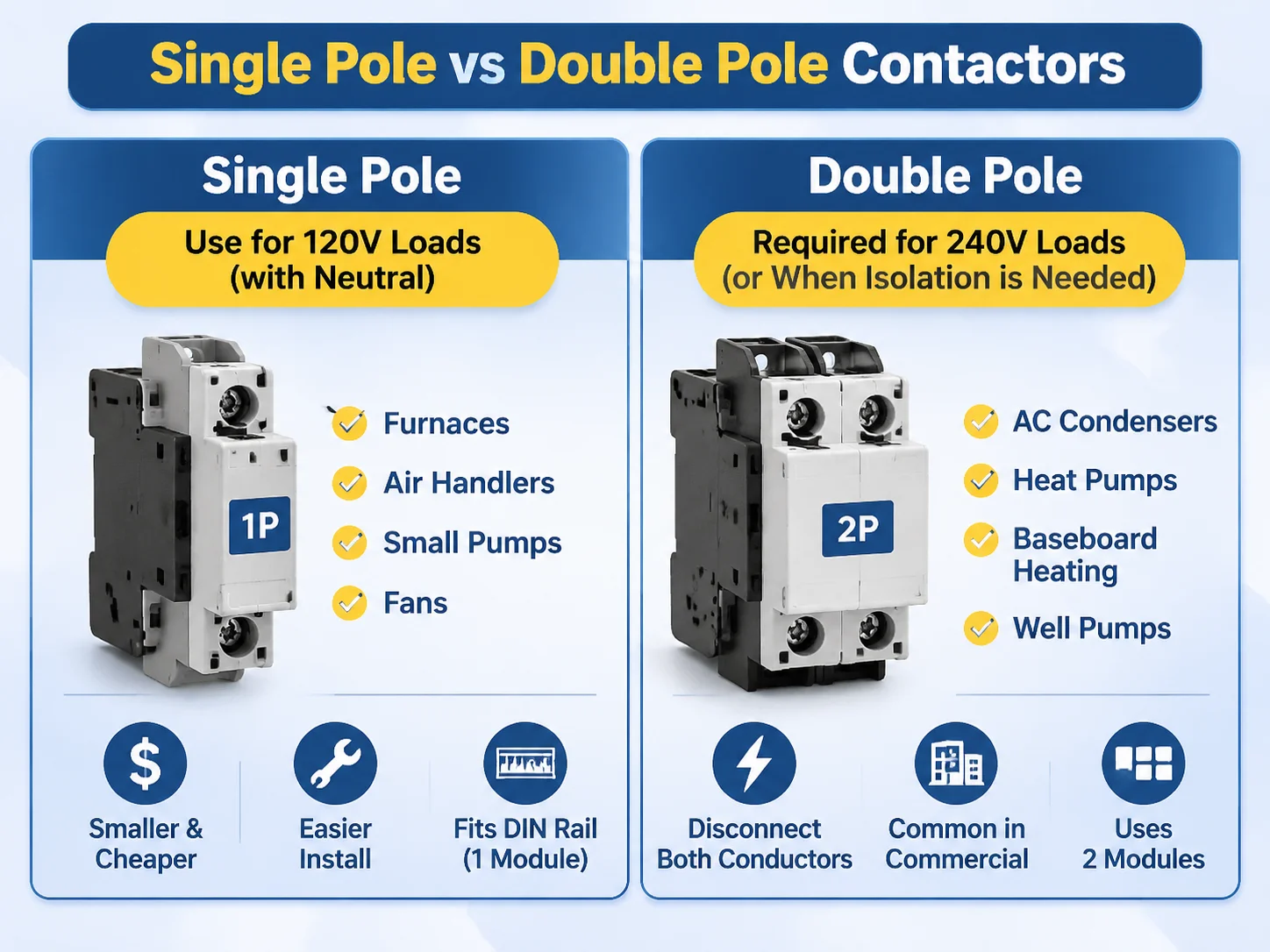
For all 120V loads where the other conductor is neutral, single-pole contactors are correct. Examples of these loads include: furnaces, air handlers, small pumps, and fans, etc. The single-pole unit is smaller, cheaper, and easier to install due to having only one conductor to terminate.
Single-pole contactors are also correct when the disconnecting mechanism is separate from the contactor.The single-pole modular contactor for 16 to 25 amps fits a DIN rail with the breakers, which is where the majority of the 120-volt control is sited in a commercial panel. It takes up only one module so multiple units can be placed in a row on the board.
Where a Double Pole Is Required
All loads rated at 240 volts that do not have a separate means of disconnection require a double pole. There are many 240-volt applications in the HVAC industry, including, but not limited to residential air conditioning condensers, heat pumps, electric baseboard and radiant heating systems, and 240-volt well pumps. This also applies to most commercial equipment that utilizes either 208 or 240 volts single-phase and to any application where the equipment must be completely isolated from control devices as specified by the installer or designer.
The double pole configuration may also be applied to circuits that have two ungrounded conductors for other reasons such as a 277-volt lighting circuit or a single-phase 480-volt load. In every case, the rule of thumb is the same; if opening one conductor leaves a live portion of the equipment, it will require two poles to disconnect the load.
There is also a commercial dimension. Although there is nothing wrong with using a double pole contactor in a 120-volt circuit, it is wasteful, because it provides an additional pole that serves no purpose whatsoever.
A contractor will simplify their van by having a double pole in stock for each of their applications, and by not having the failure mode of mistakenly installing a single pole on a 240 V unit. That is the reason many service companies use two poles for all their applications.
Most 240 V single phase equipment in a commercial building falls within the 16 to 25 A range, and therefore the two pole modular contactor for that range will be used in these applications. Also, a two pole contactor will occupy two modules, instead of one module for a single pole contactor.
Can a Double Pole Replace a Single Pole?
This is a very common upgrade from a single pole contactor to a double pole contactor, and the answer is yes, electrically. As for other reasons, both poles are rated for the same current and have the same coil as the single pole version, and mount in exactly the same way as the single pole version. The only difference in cost will be one additional module width and a few dollars, and the advantage is that both conductors will be disconnected, which is always a good thing.
However, there are two items that you need to ensure are done correctly. First, when wiring the second pole, it must be wired in series with the load, and not as a junction for something that is not related to the load, as a contactor with two circuits on it is a fault path waiting to happen. Second, if you are using the second pole as a neutral, it must be wired as a switched neutral, which is a code-compliant way of using a neutral in a double pole contactor, and not an alternative to a proper isolation/disconnection means.
The opposite substitution of using a single pole in place of a double pole is what you want to avoid. Using a single pole will remove the isolation and may appear as though the equipment is functioning properly.
Failures that occur during the upkeep of an electric device may not show up in the initial commissioning of that device. When replacing your equipment, you may encounter a new failure not experienced during your first tests.
Three Poles for a Two Pole Load
When using a three-pole contactor for a device that requires only two poles, it is common to see engineers using this product to save time and effort. Many times, engineers will use a previously used three-phase contactor to connect to a single-phase load. As a result, you will notice that they leave off one pole from the connections.
Although inspectors have different interpretations of this application, they generally agree on a few items. First, the three-pole contactor must have the proper ratings for the voltage and current of the circuit, which most three-pole contactors do. Second, you cannot use the unused terminal as an additional circuit terminal, as it serves both an open and closed connection for the load. Finally, the three-pole contactor is required to be an acceptable contactor for this application, which is the case for a general purpose contactor.
A three-pole contactor can also be utilized for switching a neutral conductor on a 240-volt single phase load, however you would not refer to it as a two-pole device. Doing so would cause both ungrounded conductors to switch in conjunction with the neutral, which creates a condition where the neutral will break before the load becomes isolated.
The three-pole DIN rail mounted contactor designed for loads in the range of 32 through 63 amps is the most common size used for this method of application, as it is typically already located within the panel associated with the small three-phase load.
Price, Size and Panel Space
The amount that the price of a single pole device is compared to that of a double pole device is considerably less than the amount that separates a quality product from a poor-quality product. Therefore, the decision regarding which type to choose should be based upon the circuit rather than cost.
Below is the price, space occupied by each panel, and typical usage of various device types:
| Device |
Typical price |
Panel width |
Typical use |
| One pole, 25A, 24 V AC coil |
$9 to $20 |
Occupies one module |
Used in 120 V fans, furnaces, and small pumps. |
| Two poles, 25A, 24 V AC coil |
$15 to $32 |
Occupies two modules |
Used in 240 V single-phase applications. |
| Two poles, 63A, 230 V AC coil |
$30 to $60 |
Occupies two modules |
Used for larger single-phase loads and sub-mains. |
| Three poles, 63A, 230 V AC coil |
$35 to $70 |
Occupies three modules |
Used for three-phase motors or heaters. |
| Four poles, 63A, 230 V AC coil |
$45 to $90 |
Occupies four modules |
Used for three-phase applications plus switched neutral. |
The cost associated with using a panel space is not easily visible. For example, using a board with 20 single pole contactors takes up 20 total module space – whereas the same size board using double pole contactors requires 40 total module space and may not physically fit within the enclosure that the manufacturer shipped to you. Therefore, choosing whether to use single or double pole contactors is a design decision to be made in the design phase of your project, prior to building the actual control panel.
If you are working with devices rated for greater than 63A, you will notice a change in the size/shape of the frame, as well as other components used in this area (most likely de-rated contactors). For example: Two (2) pole contactors rated between 80A and 125A, all have the same mounting method (via DIN rail), but have larger contactors and have a frame size that will accommodate the application of supplying power to a single-phase sub-main as opposed to a single appliance.
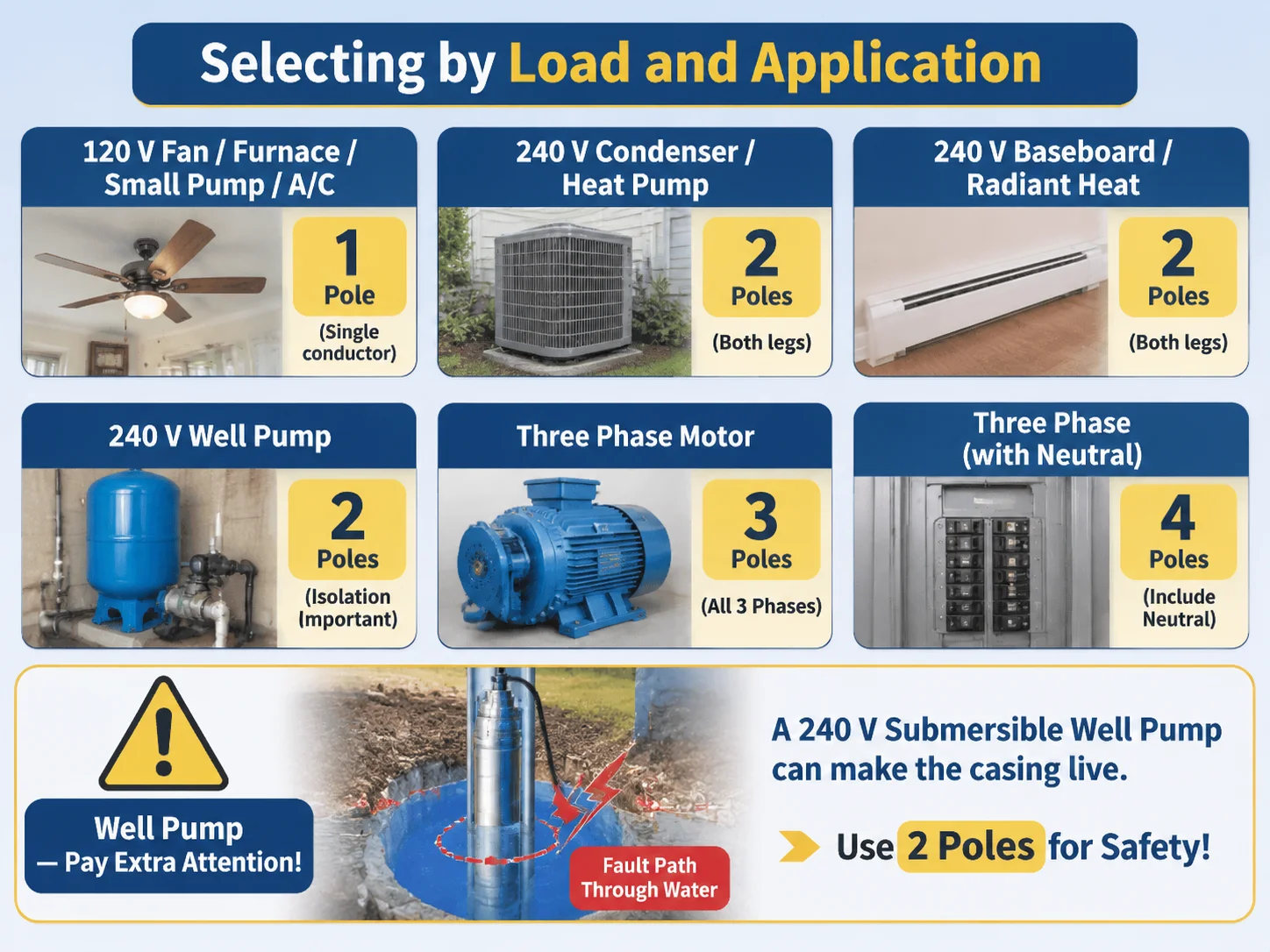
Selecting by Load and Application
The following is a summary chart of load/application types. It is assumed that the Contactor will be used as the control device, not the disconnect device.
| Load |
Poles |
Justification |
| 120 V fan/furnace/small pump/air conditioning (Example of what you would typically see in homes) |
1 |
Individual ungrounded conductor. Isolated condition when open/full isolation |
| 240 V Condenser/Heat Pump (Typically all appear in a central location) |
2 |
Both legs have to be switched open (isolation). No disconnect |
| 240 V Baseboard/Radiant Heat (Common heat distribution in homes) |
2 |
Both legs/same isolation as for condensing unit (Heat source usually unattended for hours) |
| 240 V Well Pump |
2 |
Isolation is important for water faults (When fault path travels through water, it increases chances of serious injury) |
| Three Phase Motor |
3 |
All three ungrounded conductors must be switched |
| Three Phase (with Neutral) Loads |
4 |
One leg must switch along with the other two legs (and Neutral). |
| 120 V Loads With Lockable Disconnect Ahead |
1 |
Disconnect unit provides isolation; Contactor unit provides control. |
| When an electrical designer requests that a load be isolated |
2 Or 4 |
The least expensive way to eliminate any question about working near a load that may be energized. |
It is worth noting that the Well Pump row is the row that deserves the most attention. If a Submersible Well Pump is connected to a 240 Volt Circuit and there is a fault, Electricity can travel through Water and the Casing, meaning an Electrician that is working on the Control Box of a Submersible Pump that has one leg of the circuit (240 V) energised is in a very dangerous position due to the Path that the Fault travels through the Water and Casing. The cost for Two Poles ($10) is more than that of One Pole.
Where Our Range Fits
Our Modular Contactors are used for mounting onto DIN Rails inside Distribution Boards and Control Panels. Our Modular Contactors come in 1, 2, 3, or 4 Pole Versions, Rated from 16 A to 125 A, with the Coils available to operate at the Standard AC Voltage Typically used.
The range is based on the number of poles rather than its use. A panel can be constructed using one family of devices.
However, we do not manufacture the contactor designed specifically for use in a residential HVAC. Instead, we have a different part number and different sales channels. In most cases, if a job calls for service related to this product, you must use an original equipment manufacturer’s part rather than a DIN rail device.
The key considerations for panel builders include choosing a coil voltage and establishing pole policy. We quote based on coil voltage and number of poles; additionally, the mounting FAQs answer many of the common questions regarding coil and mounting that arise during the ordering process.
Frequently Asked Questions
Can I substitute a double pole contactor for a single pole contactor?
Yes, and it is a safe upgrade! Both poles are rated the same as the single pole contactor, the coil and mounting are identical, and breaking both conductors can never be worse. The cost is simply one extra module and very little extra money, and the unused pole should not be used as a junction, it must be left unconnected.
How can I identify a 1 pole versus a 2 pole contactor?
Count the number of power terminals. For a single pole contactor, you will have two power terminals: one in (L1) and one out (T1). For a double pole contactor, you will have four power terminals (L1, T1, L2, and T2, or similar). In both coil terminals (A1 and A2) there are two connectors, one for each terminal. And on the other side, the connectors are spaced a module apart on the DIN rail device.
Can I use a three pole contactor instead of a two pole contactor?
Yes. A three pole contactor will work with a two pole circuit, provided that the third (unused) pole is not connected to anything else. All three poles are rated for the circuit and operate concurrently as one armature. The device may be used, provided it is a general purpose device. Do NOT use the third (unused) pole as a neutral switch for a two pole circuit.
How do you determine whether you require a single pole or double pole circuit?
Count the number of ungrounded conductors in the circuit. If there is one, a single pole circuit is sufficient (the 120V circuit); when there are two ungrounded conductors, a double pole circuit is required (the 240V circuit), because if one leg is opened, the equipment will still be ‘live’. If you have already installed a separate lockable disconnect before the contactor, the contactor will only need to provide control, therefore a single pole is all that you need.
Why would my 240V contactor have only one closed pole?
This would usually occur because that pole has welded contacts. A failure to extinguish an arc or if you are connecting a load with an excessively high inrush such as a resistance load to a contactor rated for AC-1 current, can cause this type of failure. The load will run but not stop, which is a serious fault. Replace the contactor and ensure you verify the rating of that contactor to your load category — not just the amps.
Do contactors provide overload protection?
No, a contactor only provides switching capabilities. Overload protection is achieved through the use of either a thermal overload relay or a breaker. A contactor combined with an overload relay is known as a starter and they are designed for motors.
References
Conclusion
The pole count of the device is about isolation rather than capacity. The number of ungrounded conductors will indicate whether you need a single or double pole device. Additionally, the price difference is minimal enough that decisions should never be made based on price.
Always remember that a single pole contactor on a 240V circuit is still live and a contactor rated for AC-1, if used on a motor will not provide protection against failures from welds, which subsequently leave your equipment in operation. On installation day, both types will appear to work properly.

 Pronto Energy
 32–63A MCB 3P 3kA Type B/C/D KNB1-63 Korlen
 32–63A PV DC MCB 2P 15kA KNB2-63S6Z Korlen
 6–25A DC Miniature Circuit Breaker 2P 6kA KNB2-63S5Z Korlen
 DC Miniature Circuit Breaker 1P 6–25A 6kA KNB2-63S5Z Korlen
 DC Miniature Circuit Breaker 1P 6–25A DC Rated KNB2-63S6Z Korlen
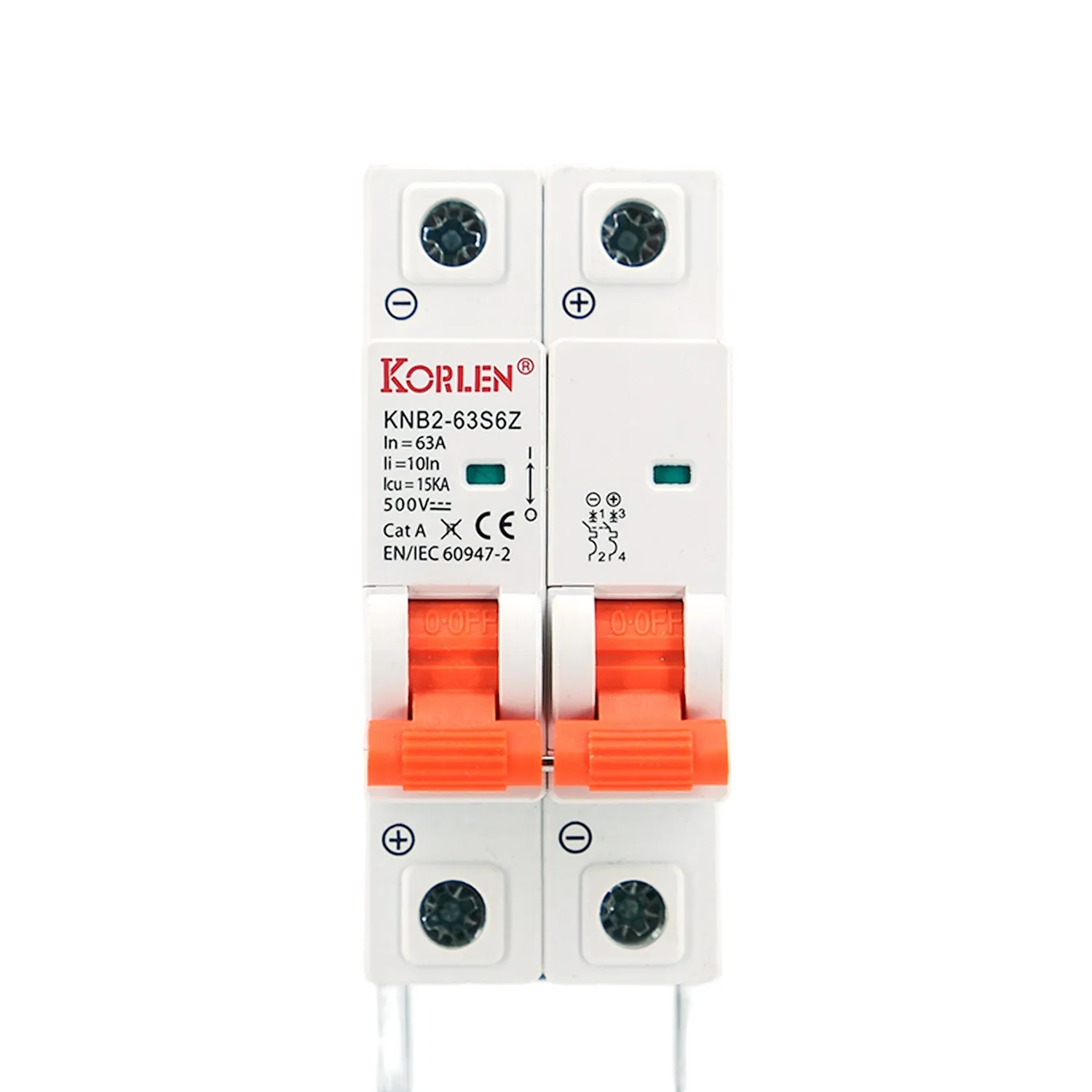 DC Miniature Circuit Breaker 2P 6–25A for Solar PV Strings KNB2-63S6Z Korlen
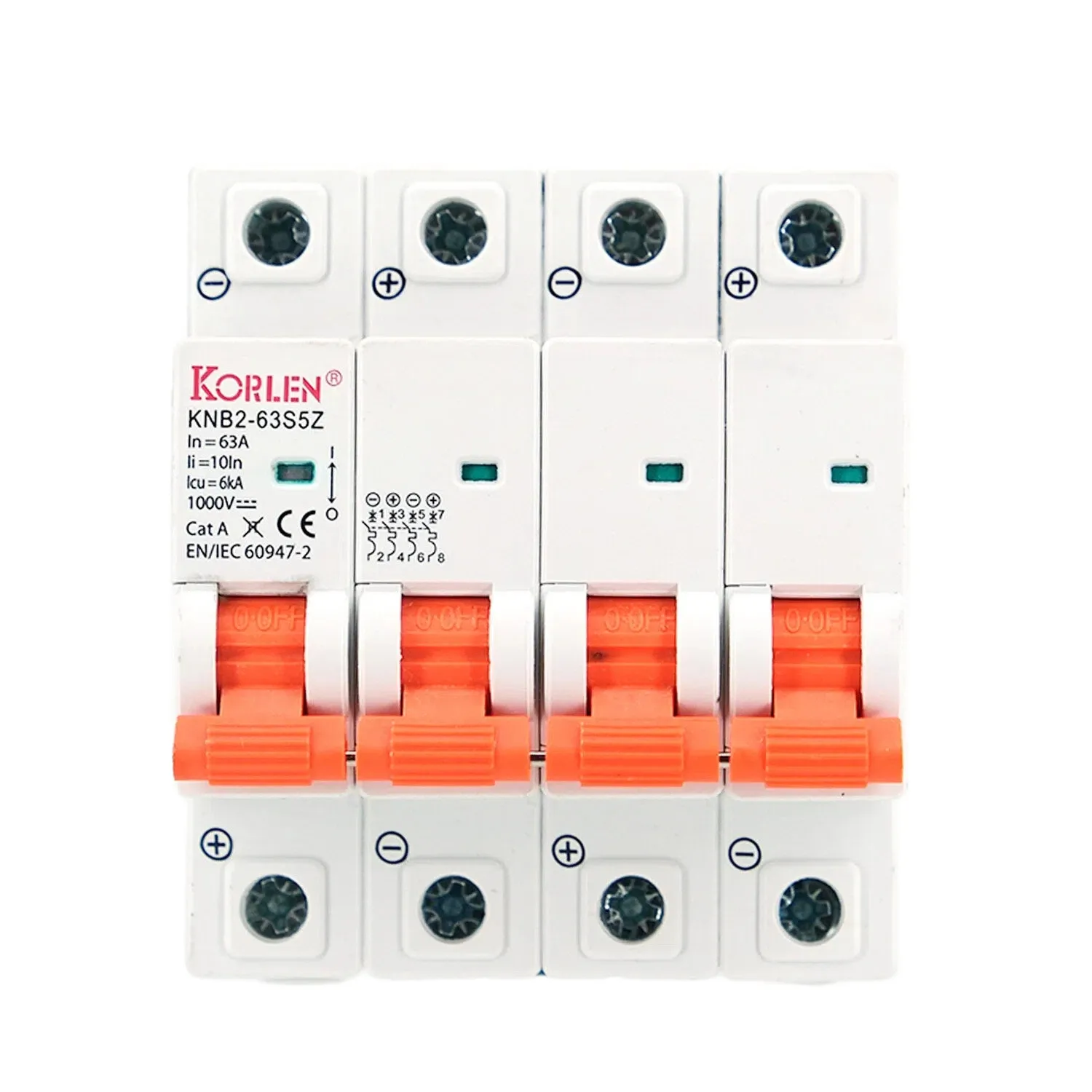 DC Miniature Circuit Breaker 4P 6–25A 6kA for Battery and PV Circuits KNB2-63S5Z Korlen
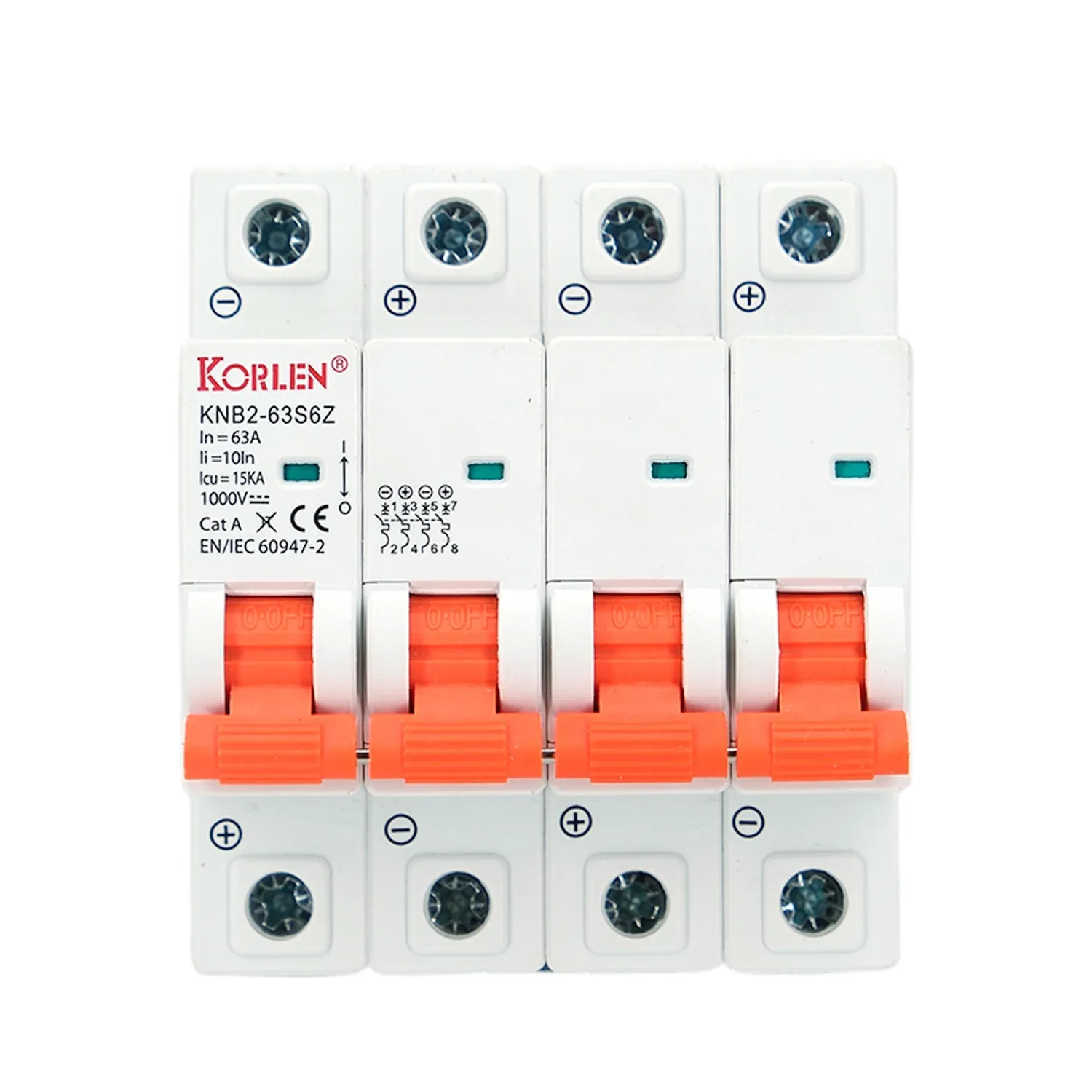 DC Miniature Circuit Breaker Four Pole 6–25A 15kA KNB2-63S6Z Korlen
Molded Case Circuit BreakersAC and DC moulded case breakers from 16A to 2000A, 2P to 4P, up to 690V AC and 1500V DC, for main and sub-main distribution.All Products
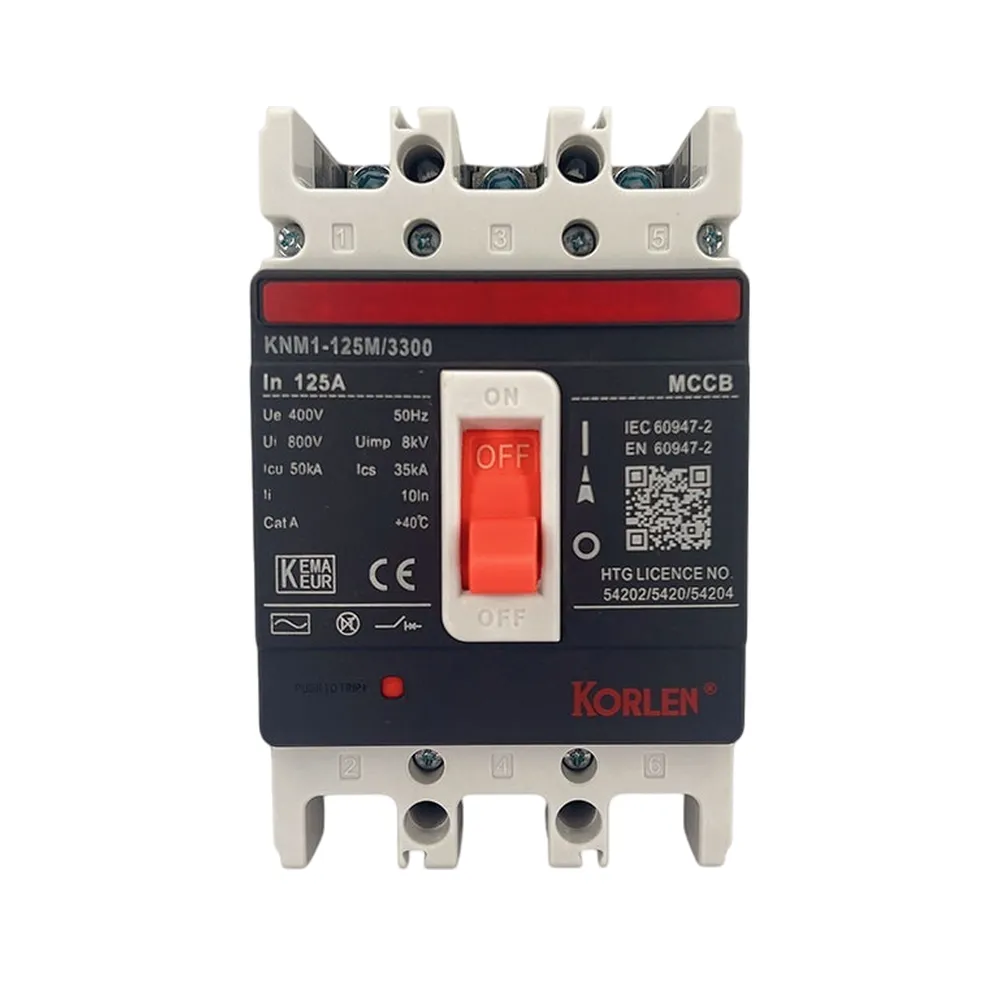 1000–1600A 3P MCCB 690 V AC KNM1 Korlen
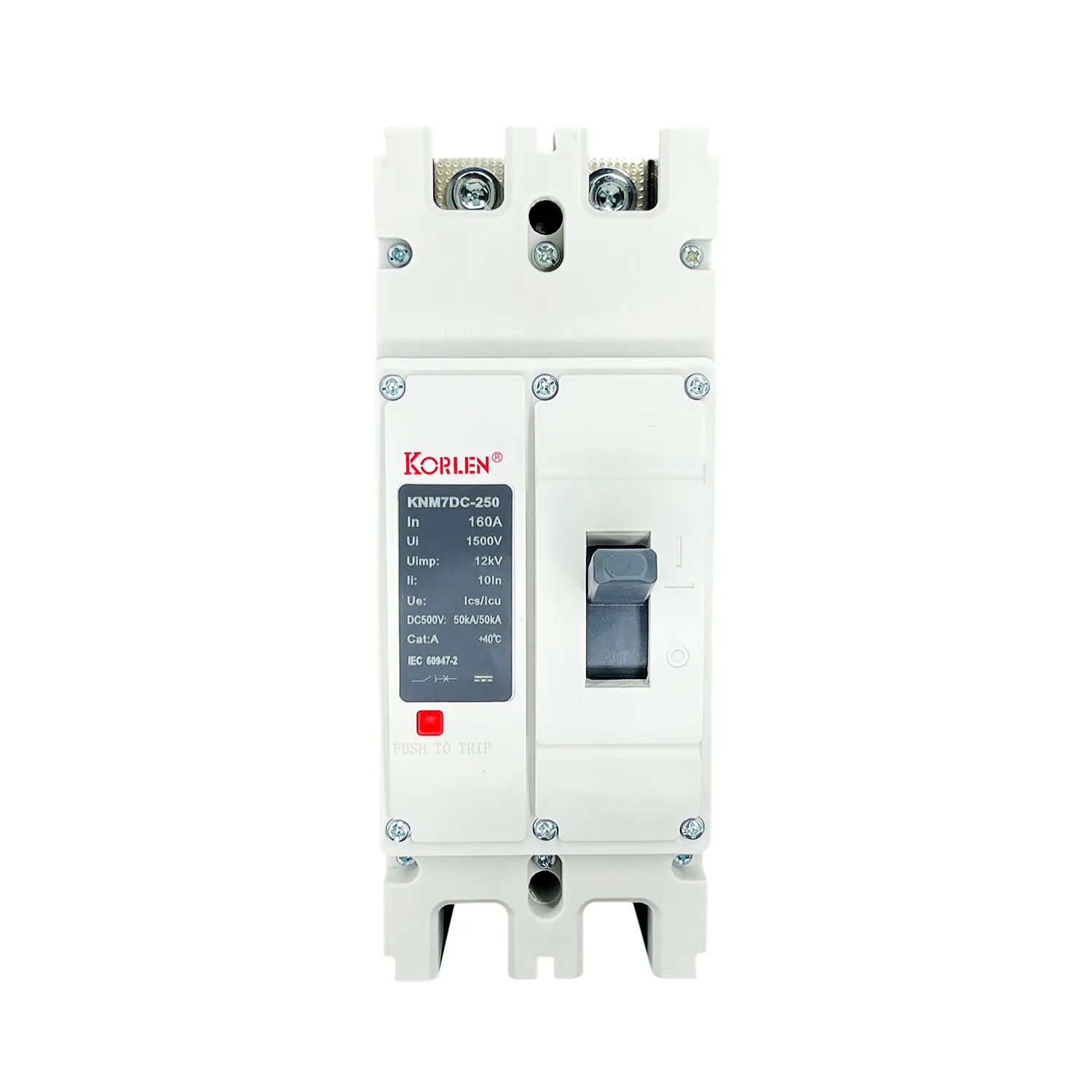 250–400A DC MCCB 2P / 3P 500 V DC KNM7DC Korlen
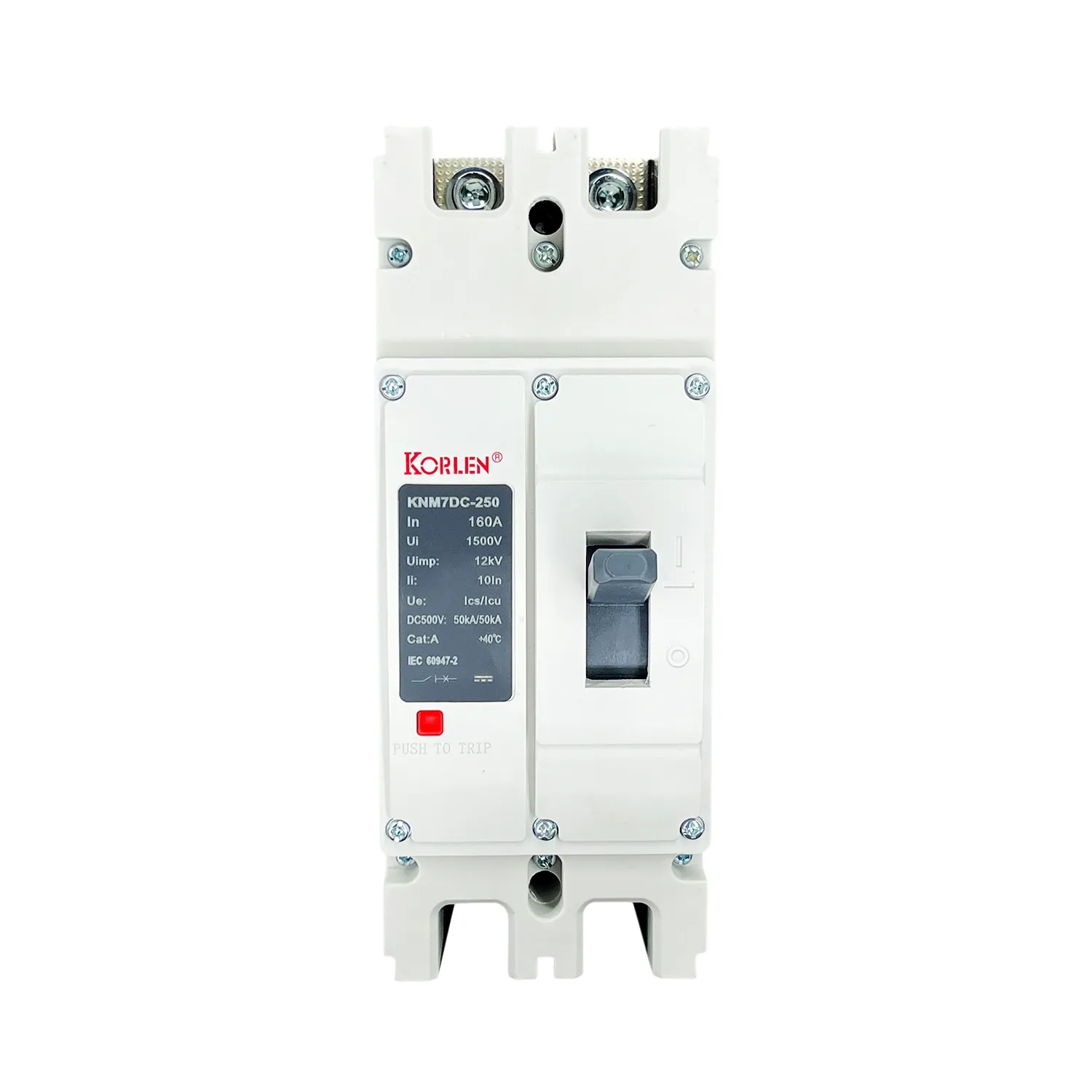 630–800A DC Moulded Case Breaker 2P / 3P 1000 V DC KNM7DC Korlen
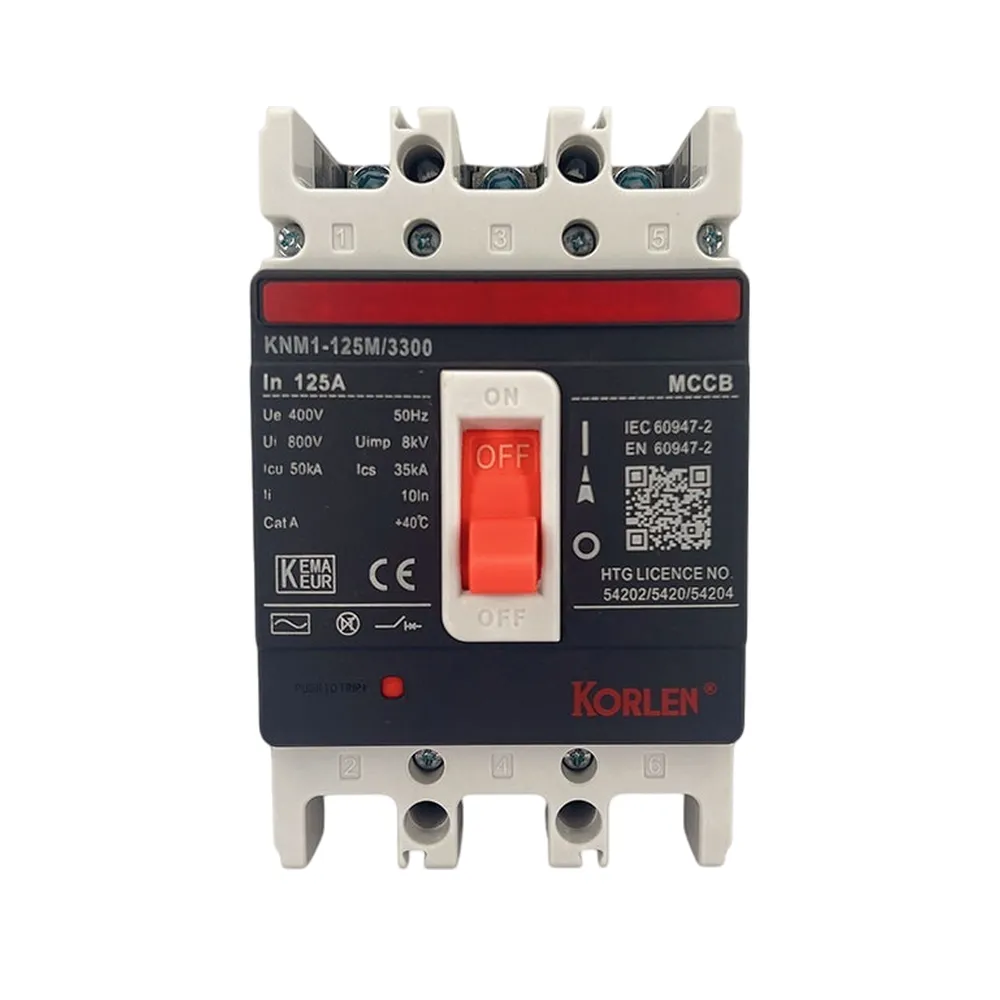 Compact Circuit Breaker 3P 2000A 690 V AC DIN Rail or Panel Mount KNM1 Korlen
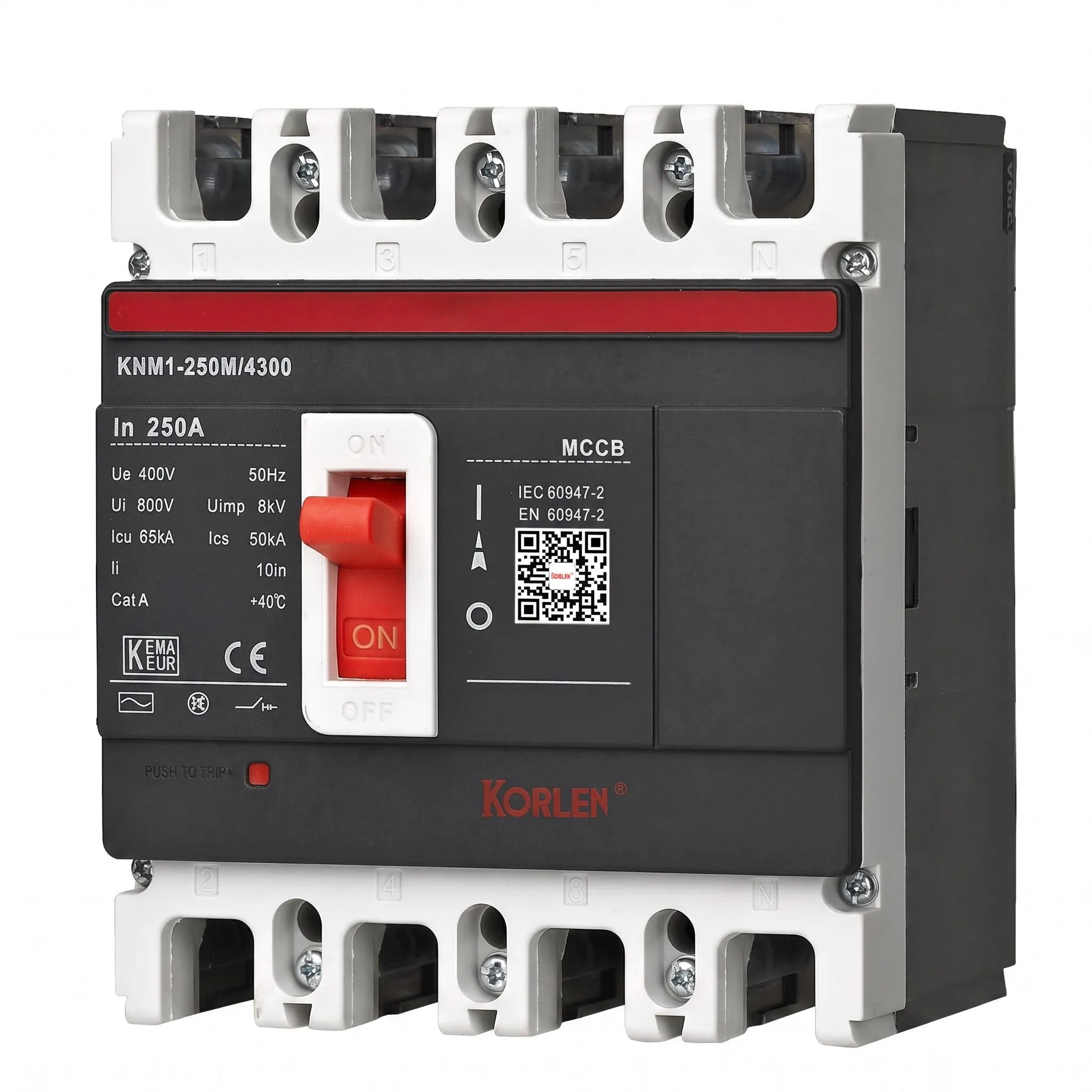 Compact Circuit Breaker 4P 2000A for Main Distribution KNM1 Korlen
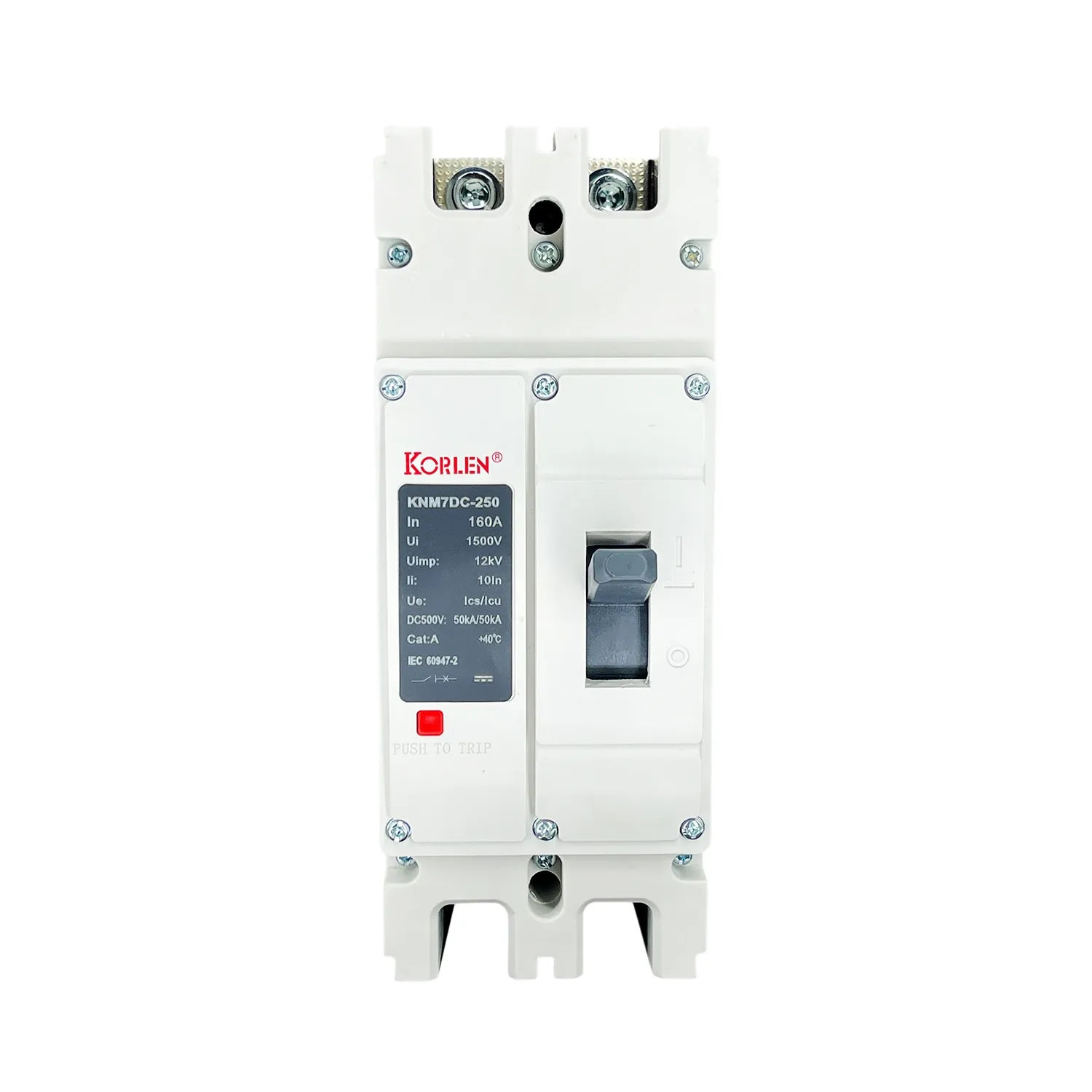 DC Compact Circuit Breaker 2 or 3 Pole 400–630A 500 V DC KNM7DC Korlen
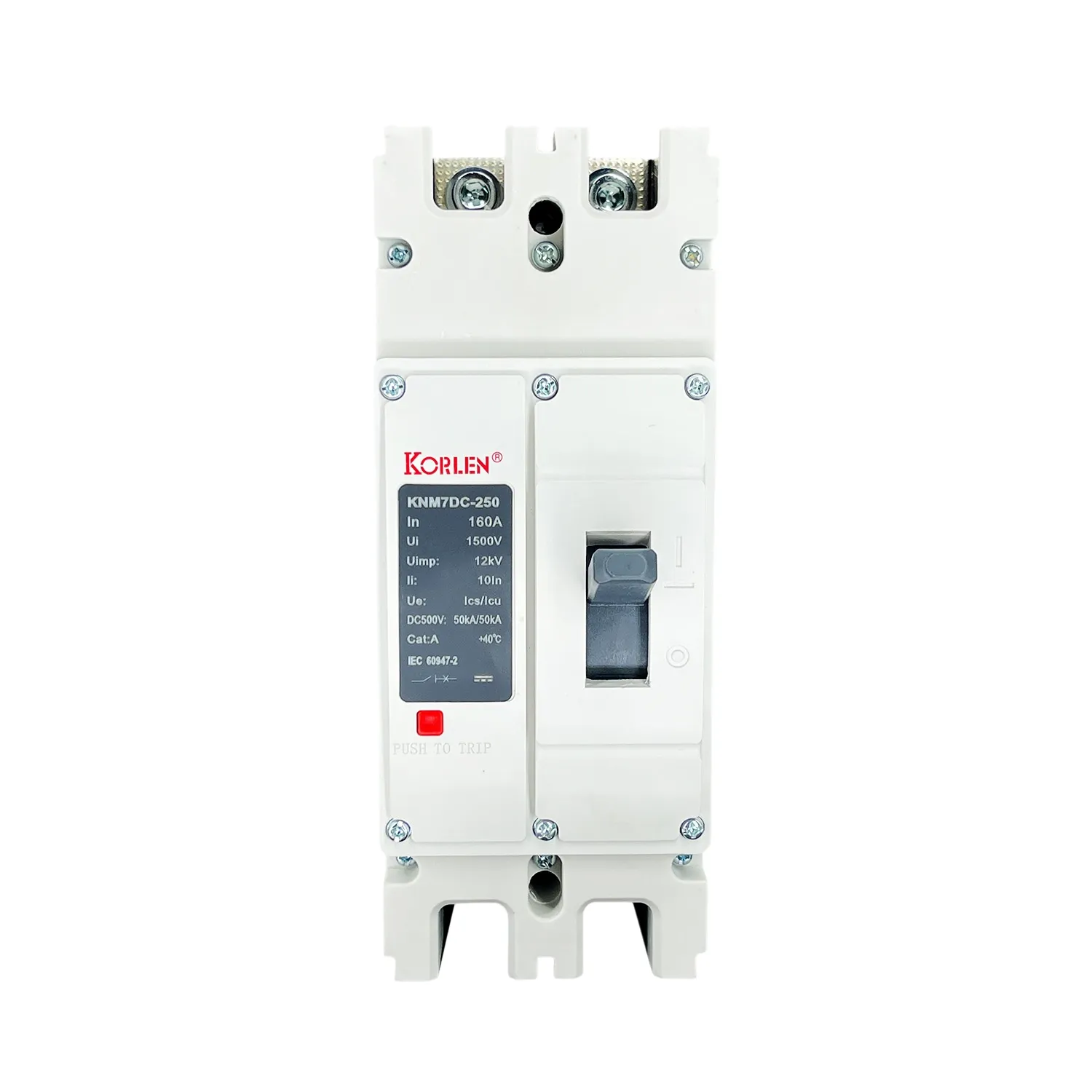 DC Compact Circuit Breaker 2P / 3P 400–630A 1500 V DC, for PV and Storage KNM7DC Korlen
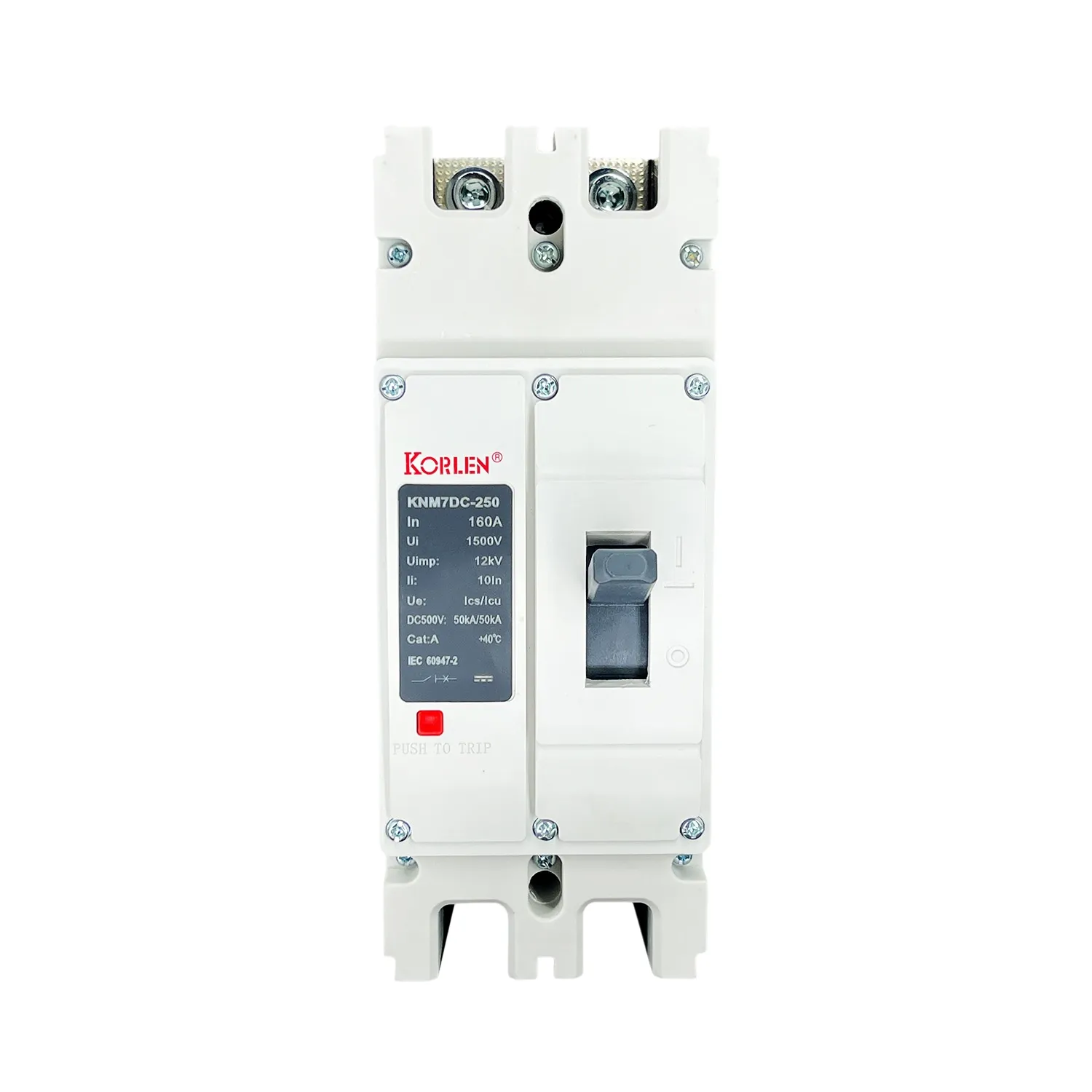 DC Compact Circuit Breaker 2P / 3P 400–630A for DC Distribution KNM7DC Korlen
Residual Current Circuit BreakersTwo and four pole RCCBs from 63A to 125A, Type A, B and AC, for earth leakage protection in single and three phase distribution boards.All Products
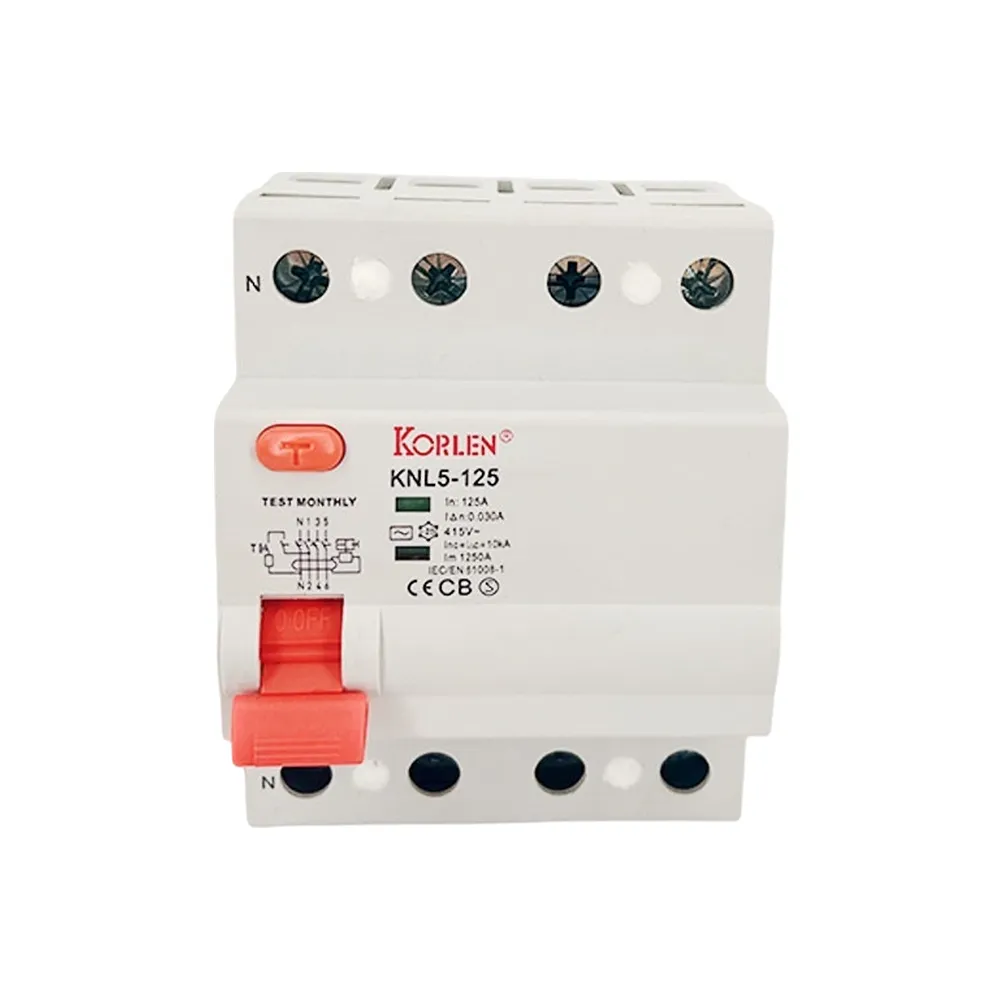 100–125A RCCB 4P Type A KNL5-125 Korlen
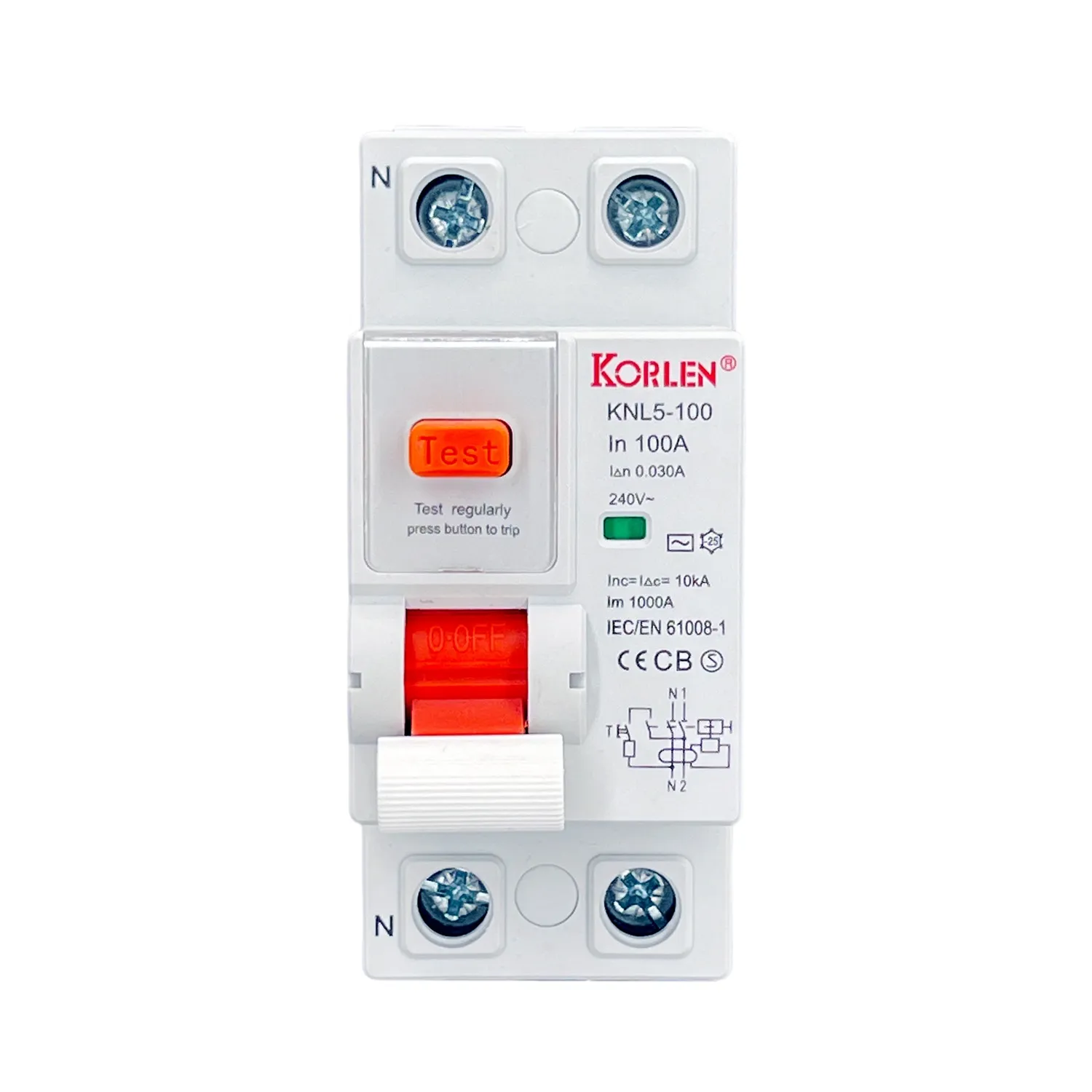 2P RCCB Circuit Breaker Type B 100–125A KNL5-100 Korlen
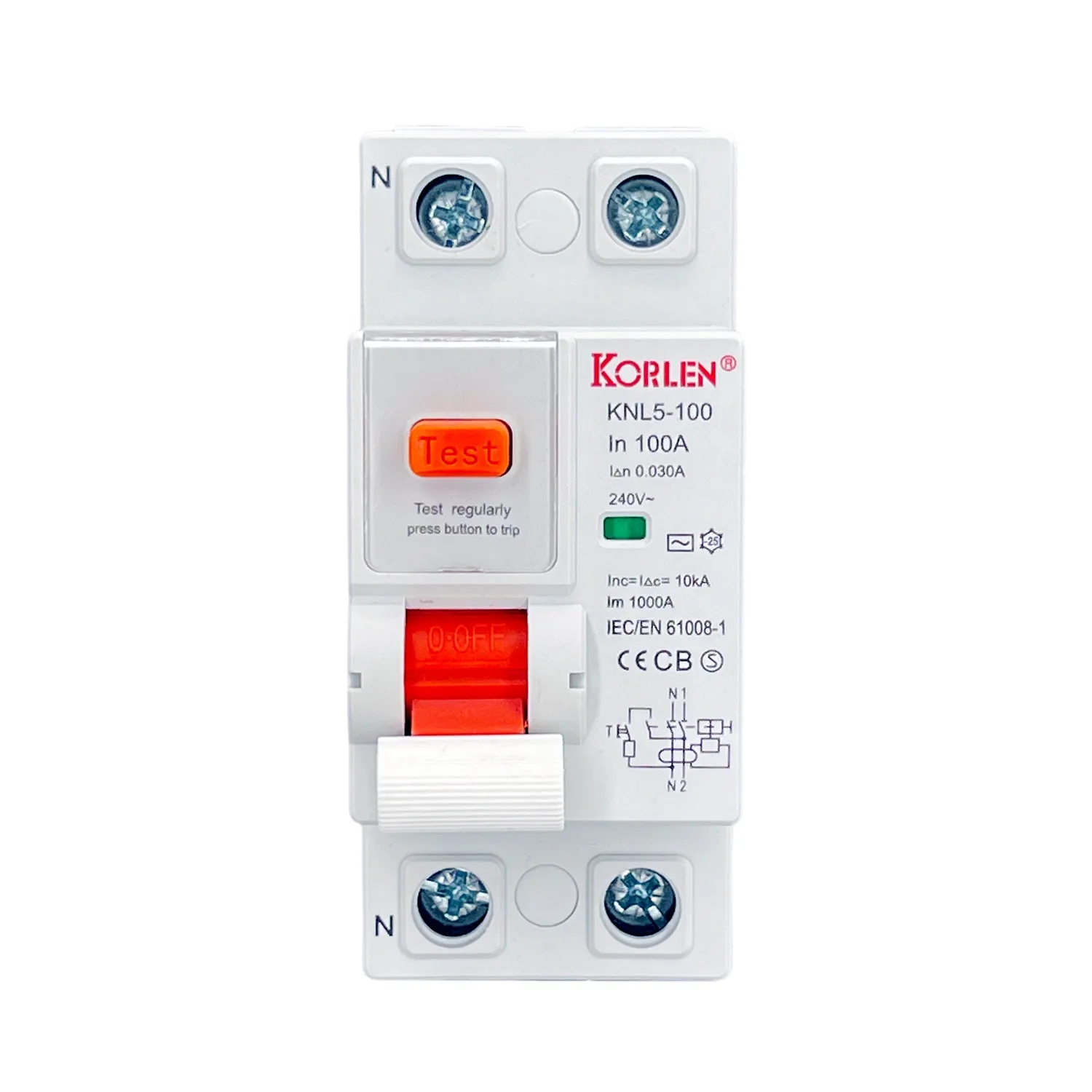 2P Residual Current Circuit Breaker Type A 63–100A KNL5-100 Korlen
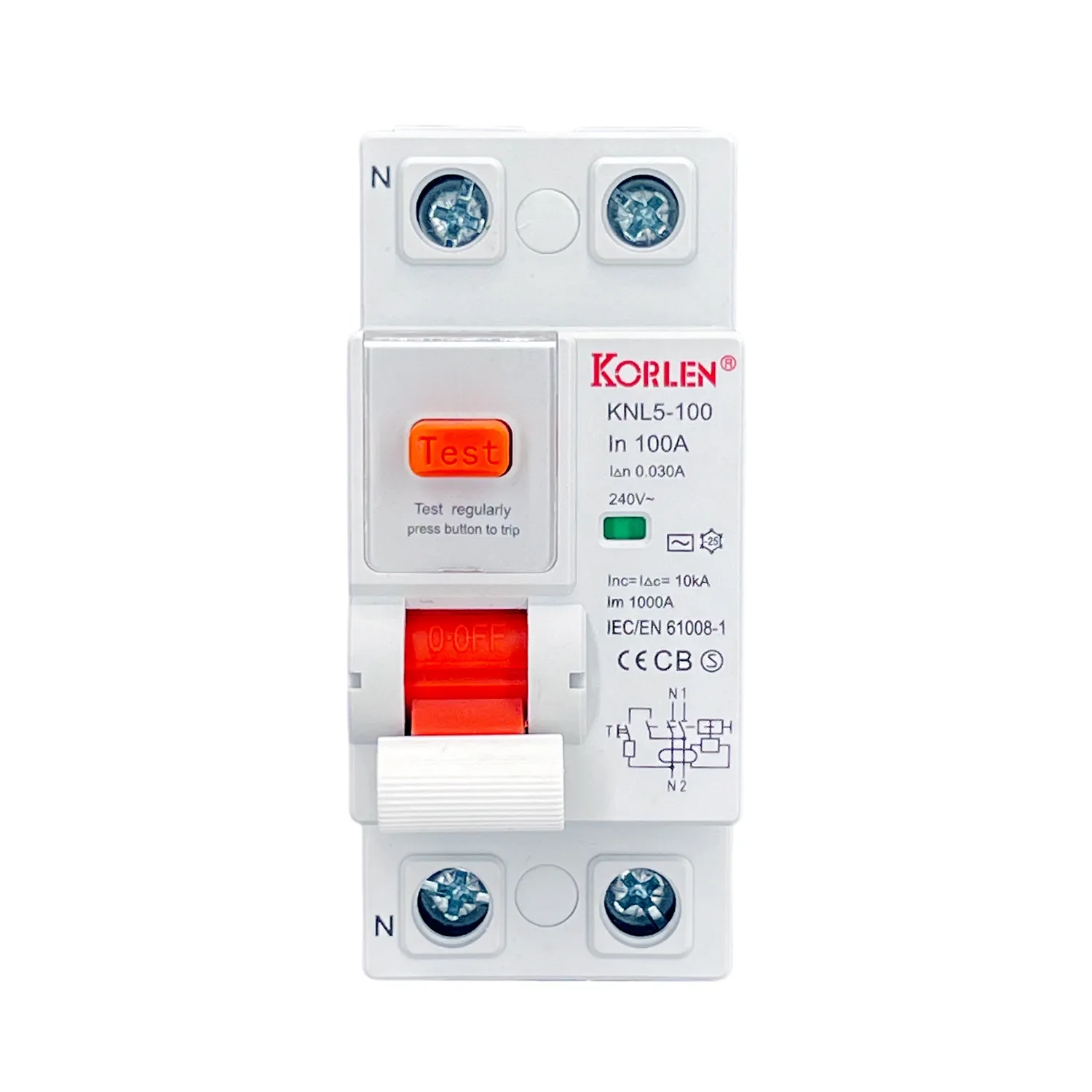 63–100A Residual Current Circuit Breaker 2P Type B KNL5-100 Korlen
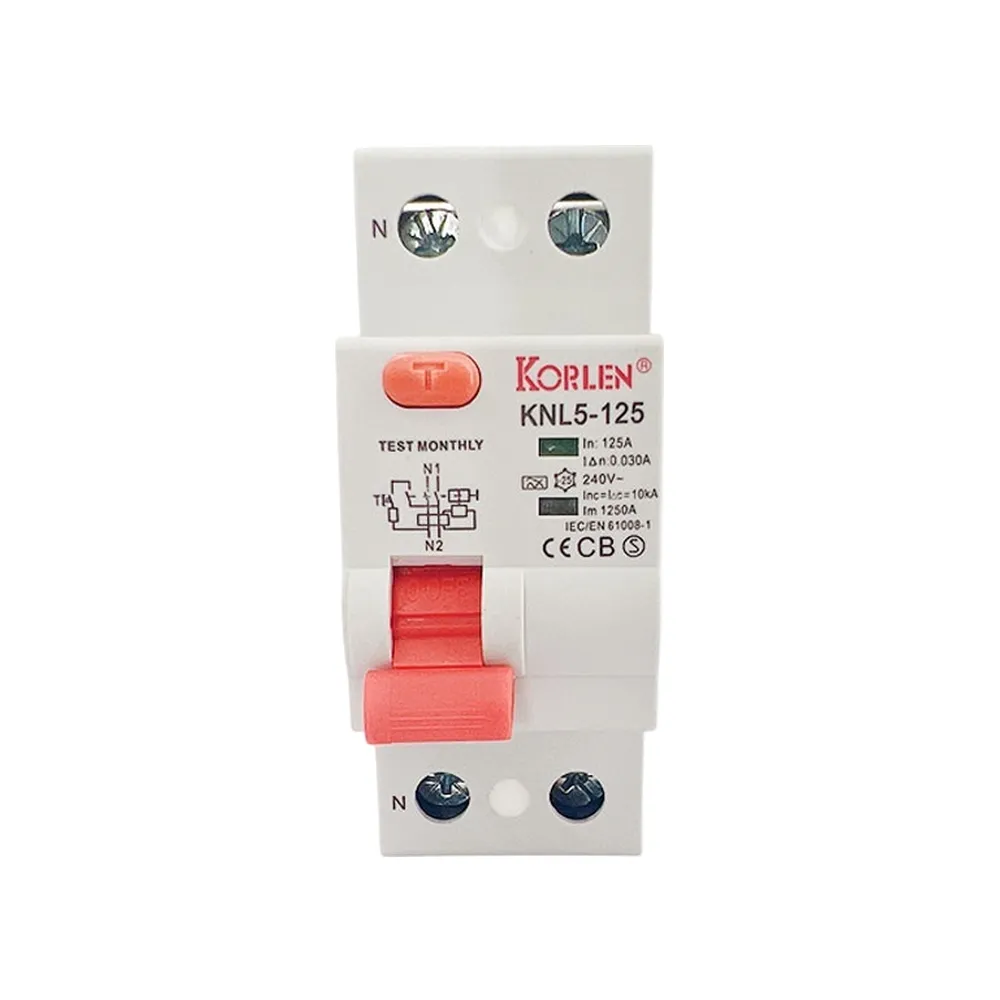 Double Pole Residual Current Breaker 100–125A Type A KNL5-125 Korlen
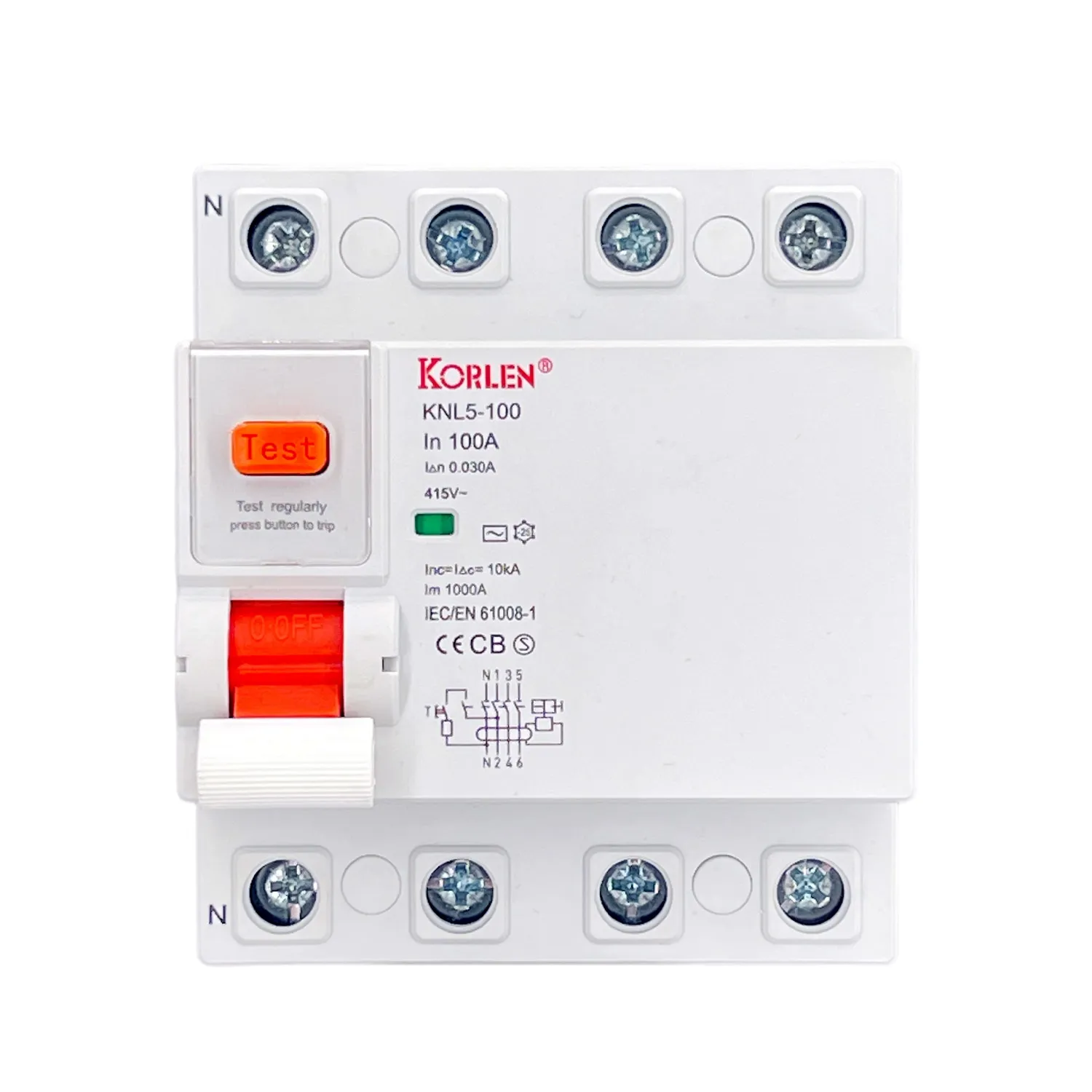 Four Pole RCCB 100–125A Type A KNL5-100 Korlen
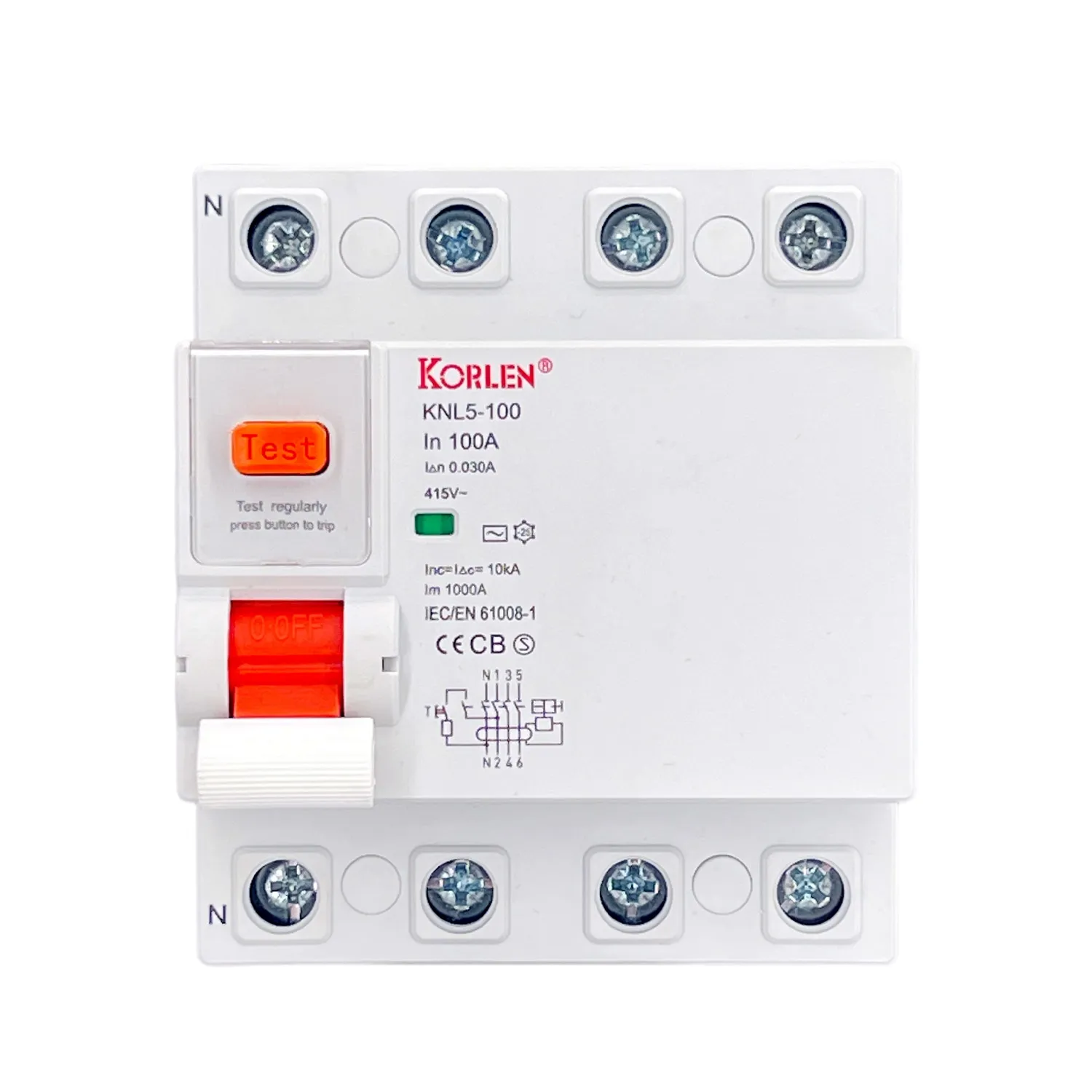 RCCB 4P 100–125A, Type AC KNL5-100 Korlen
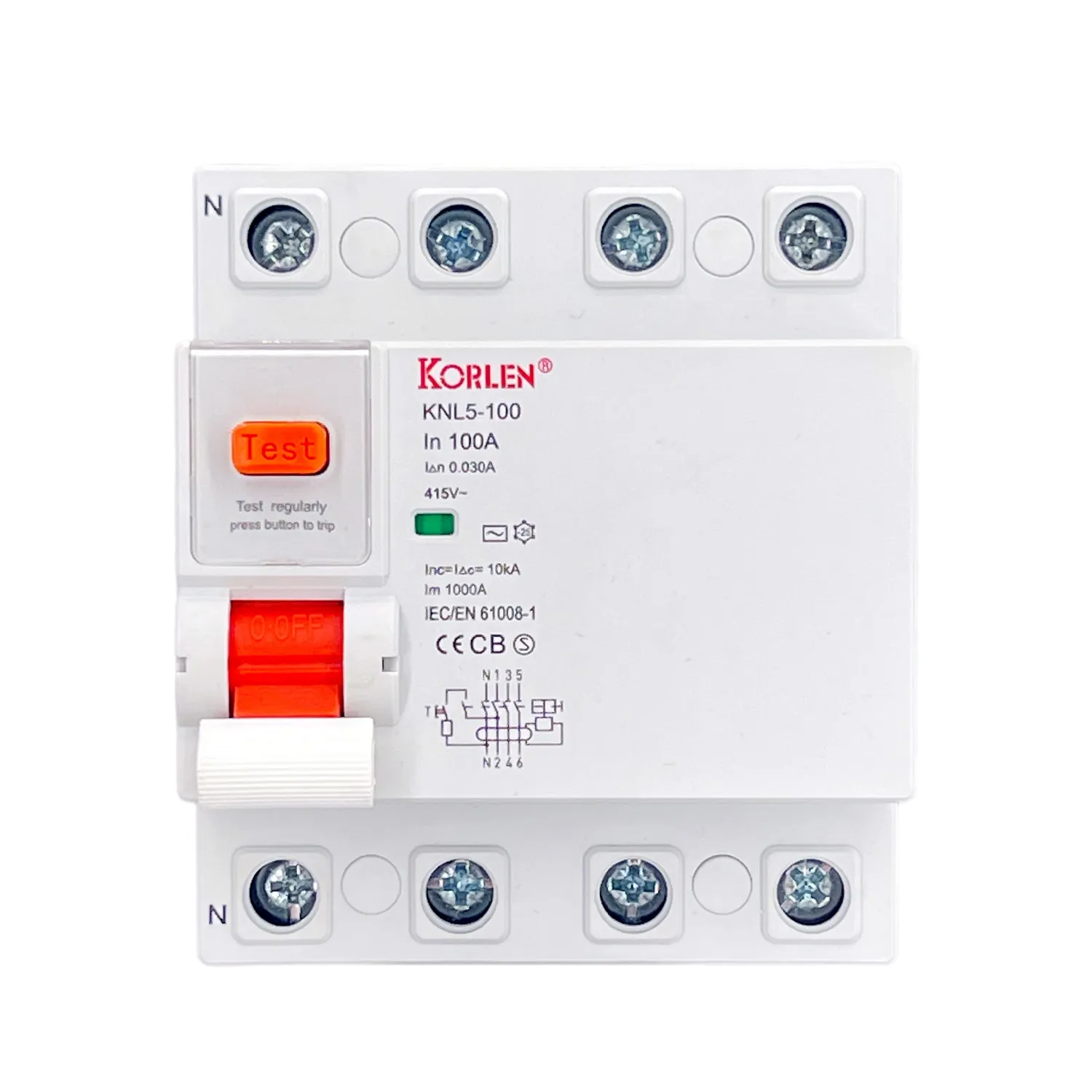 RCCB 4P Type B 100–125A KNL5-100 Korlen
RCBOSingle module RCBOs combining overcurrent and residual current protection, 1P+N, 10A to 63A, 10kA, for final circuits in consumer units.All Products
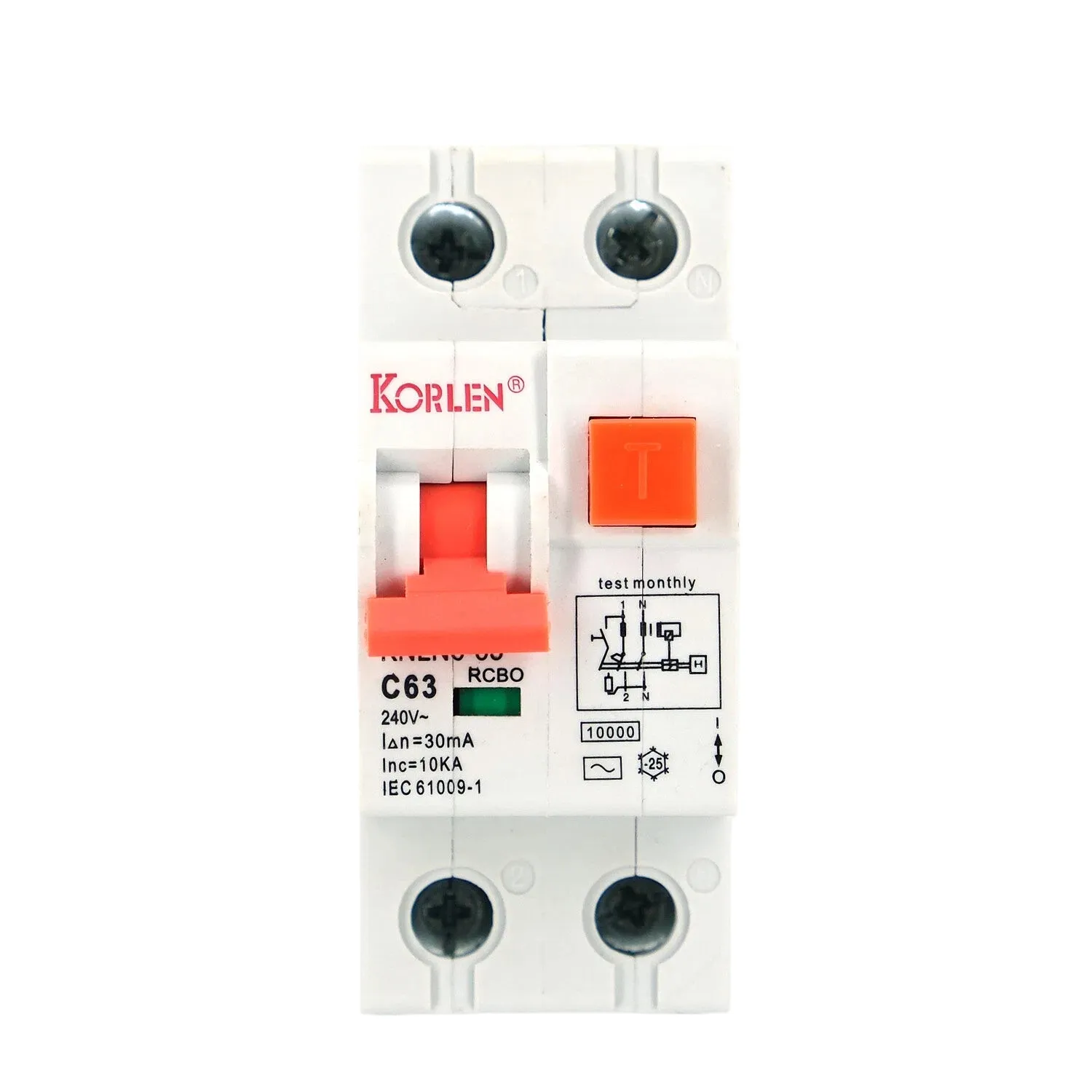 RCBO 1P+N 10–63A 10kA KNLN6-63 Korlen
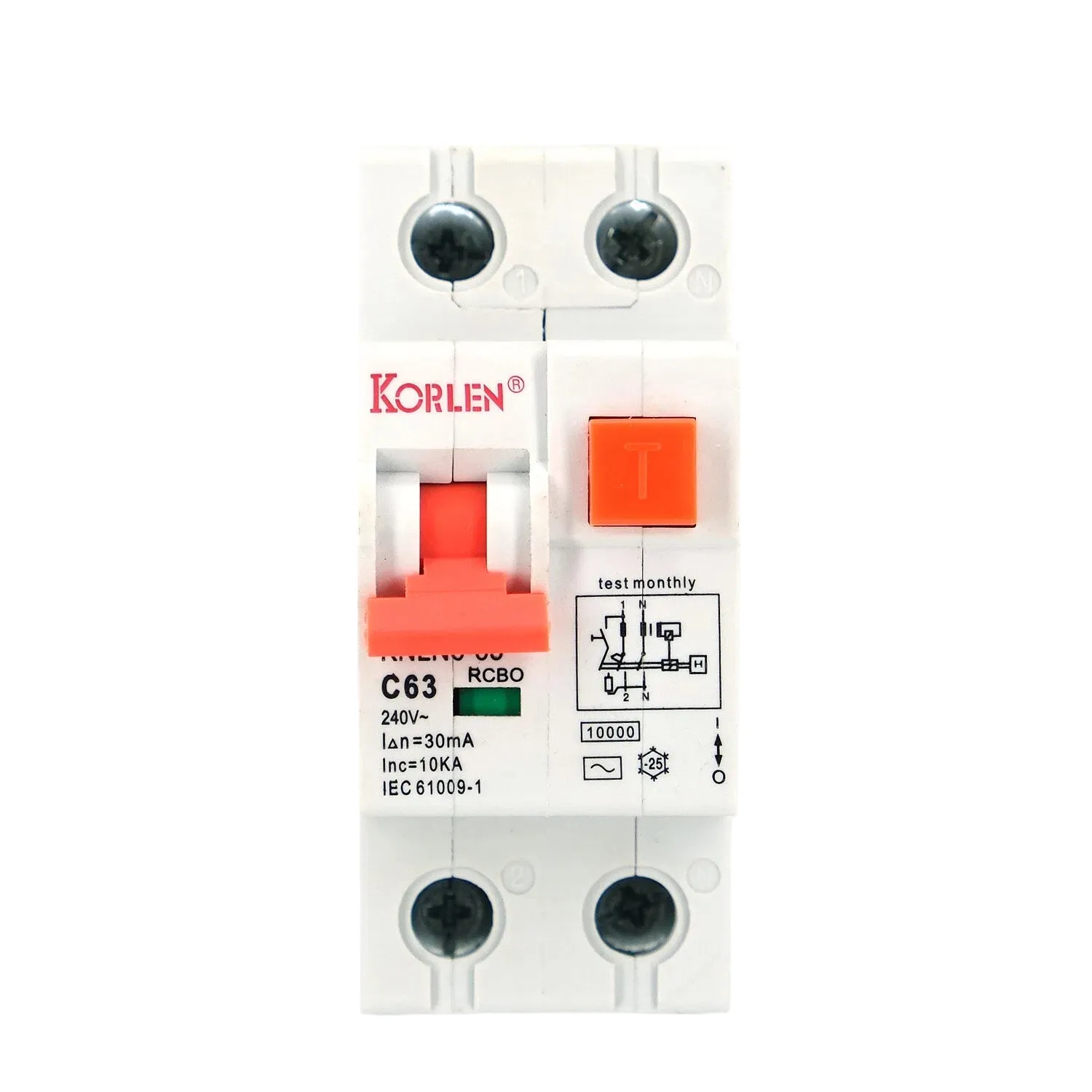 RCBO Circuit Breaker 1P+N 10–63A for Final Circuits KNLN6-63 Korlen
Surge Protective DevicesType 1+2 surge arresters for AC distribution boards and DC PV arrays, Imax 10kA to 50kA, 2P and 4P, up to 1500V DC, for rooftop plants.All Products
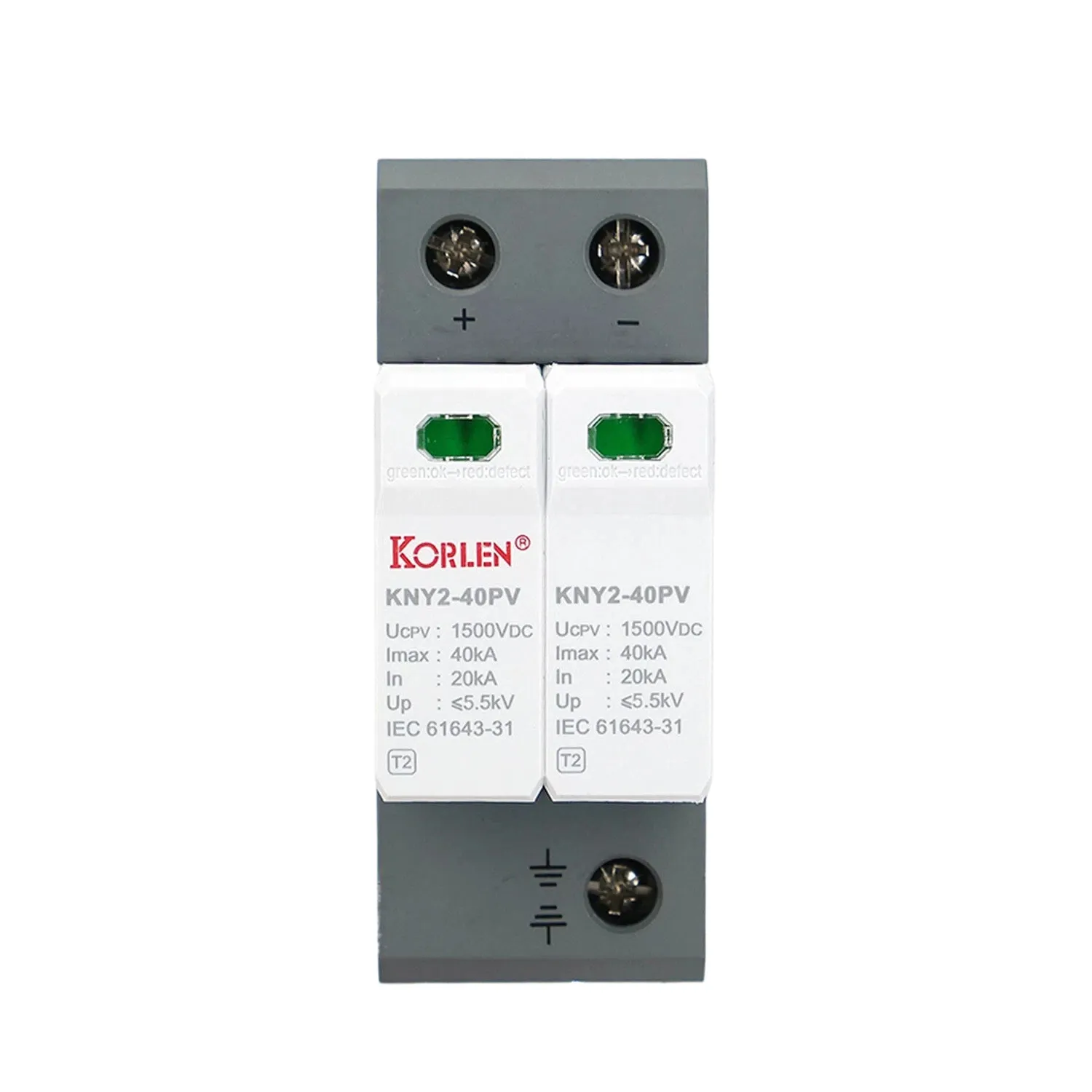 DC SPD Type 1+2 Imax 40kA 800 V DC 2P KNY2-40PV Korlen
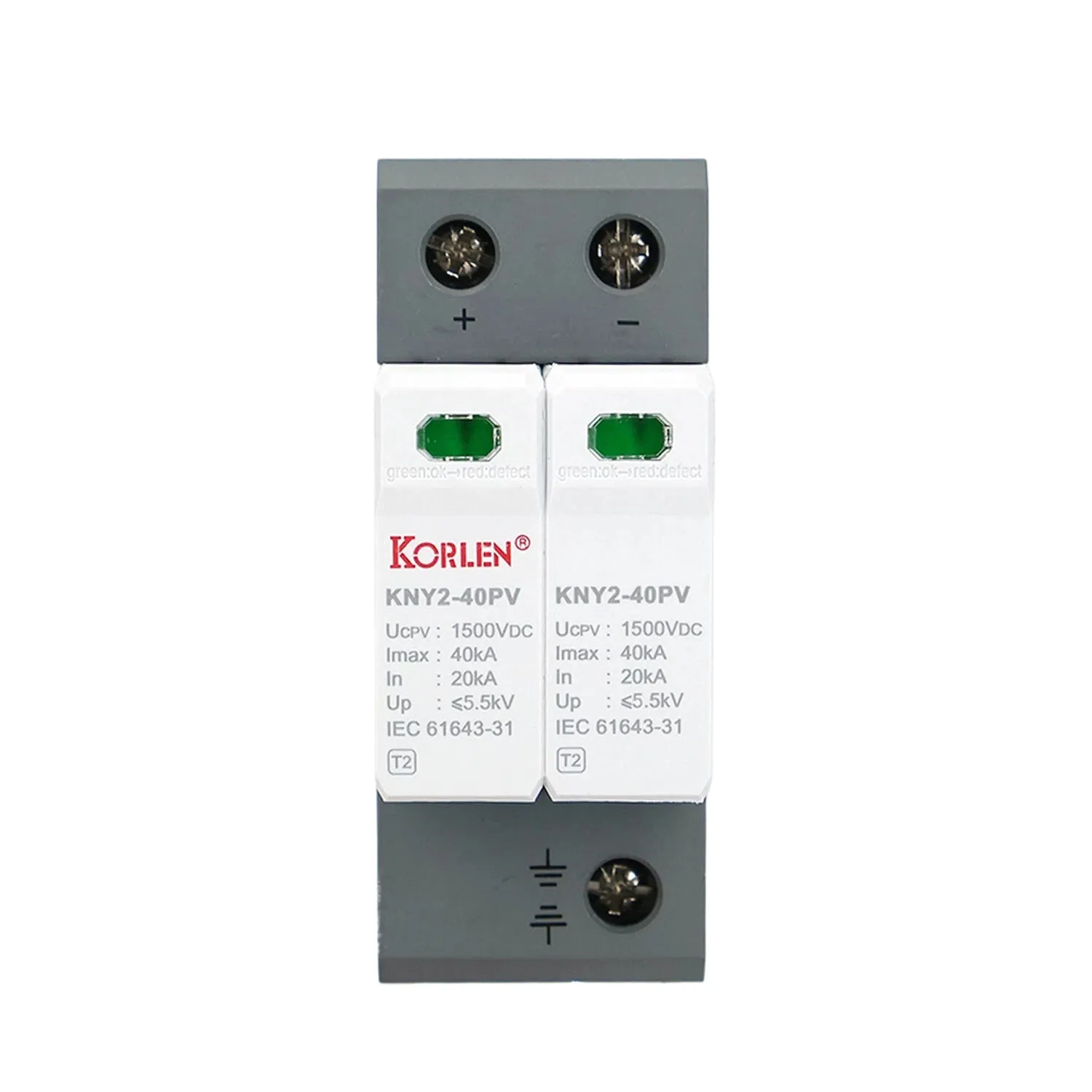 DC SPD Type 1+2 Up 4.5 kV 2P 1500 V DC KNY2-40PV Korlen
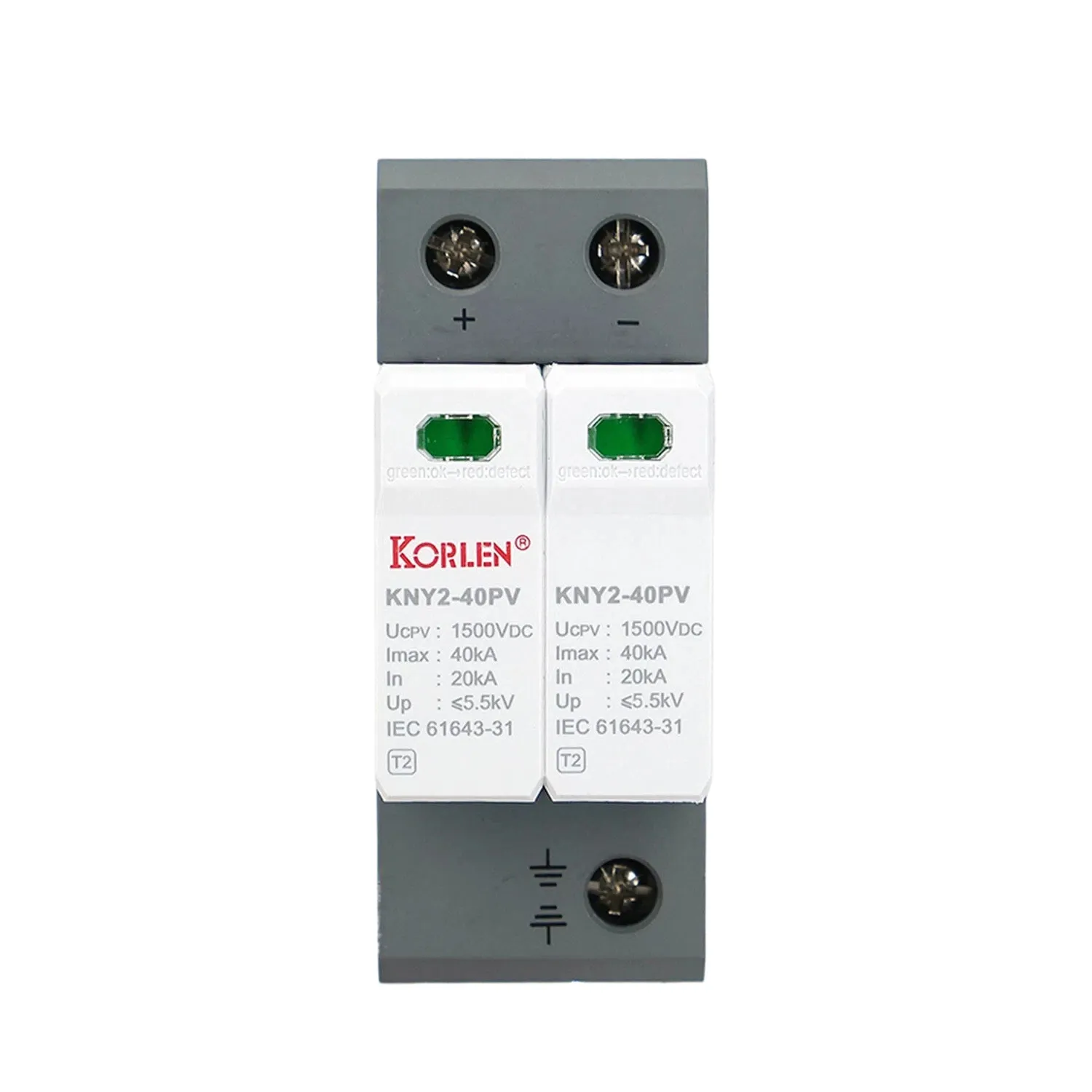 DC Surge Protection Device Type 1+2 1000 V DC 2P Imax 40kA KNY2-40PV Korlen
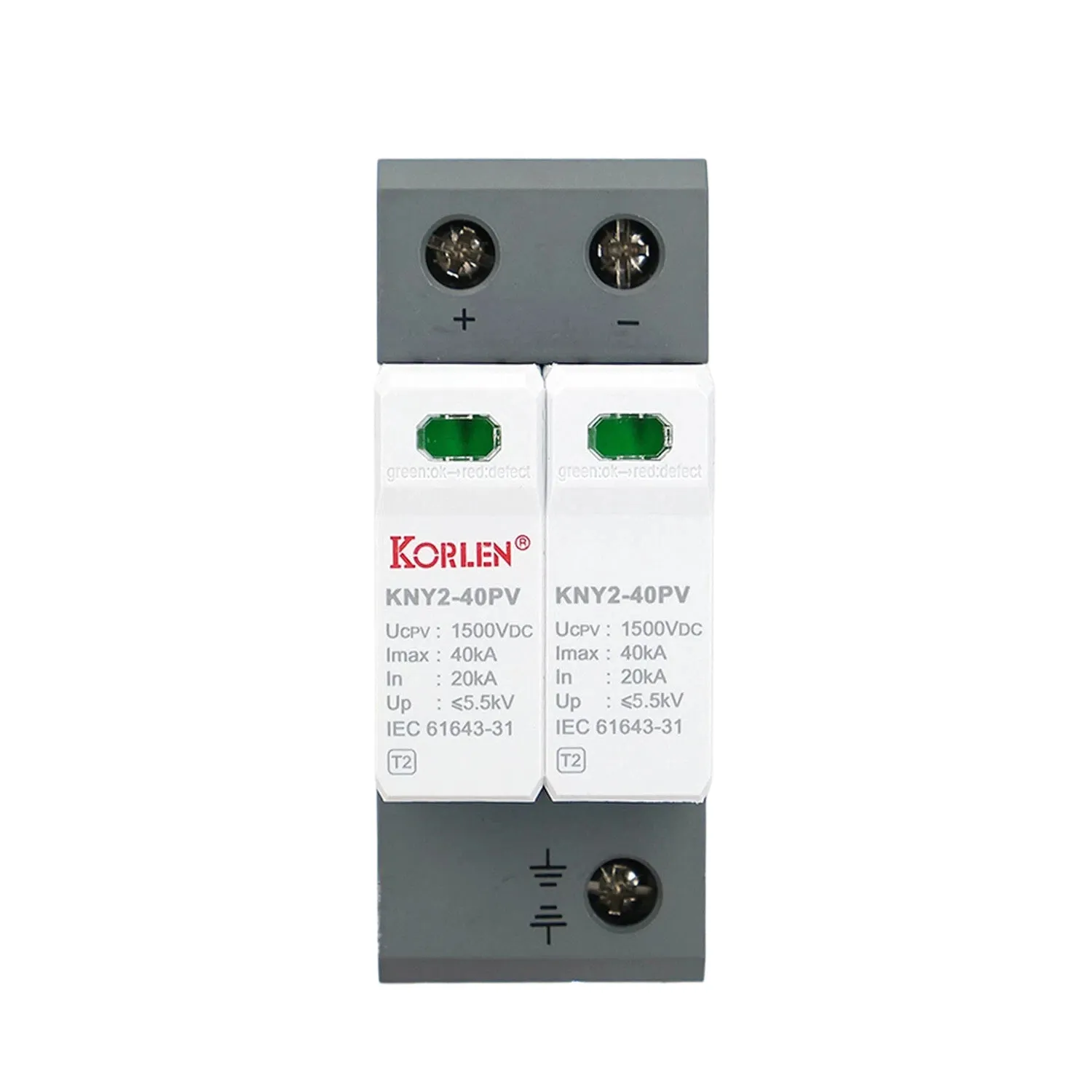 DC Surge Protection Device Type 1+2 Imax 40kA 2P 600 V DC KNY2-40PV Korlen
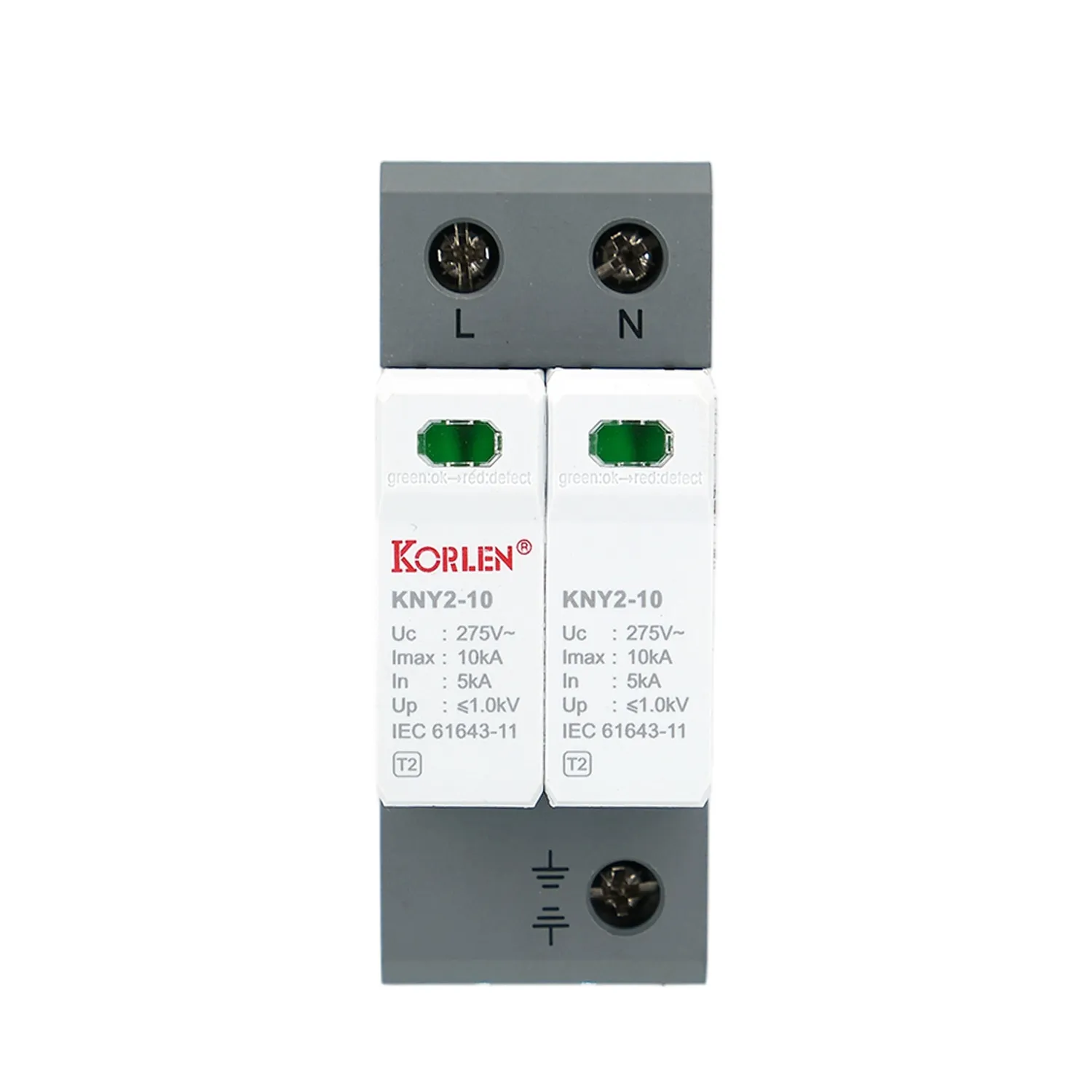 Double Pole Surge Arrester Type 1+2 Imax 50kA KNY2-10 Korlen
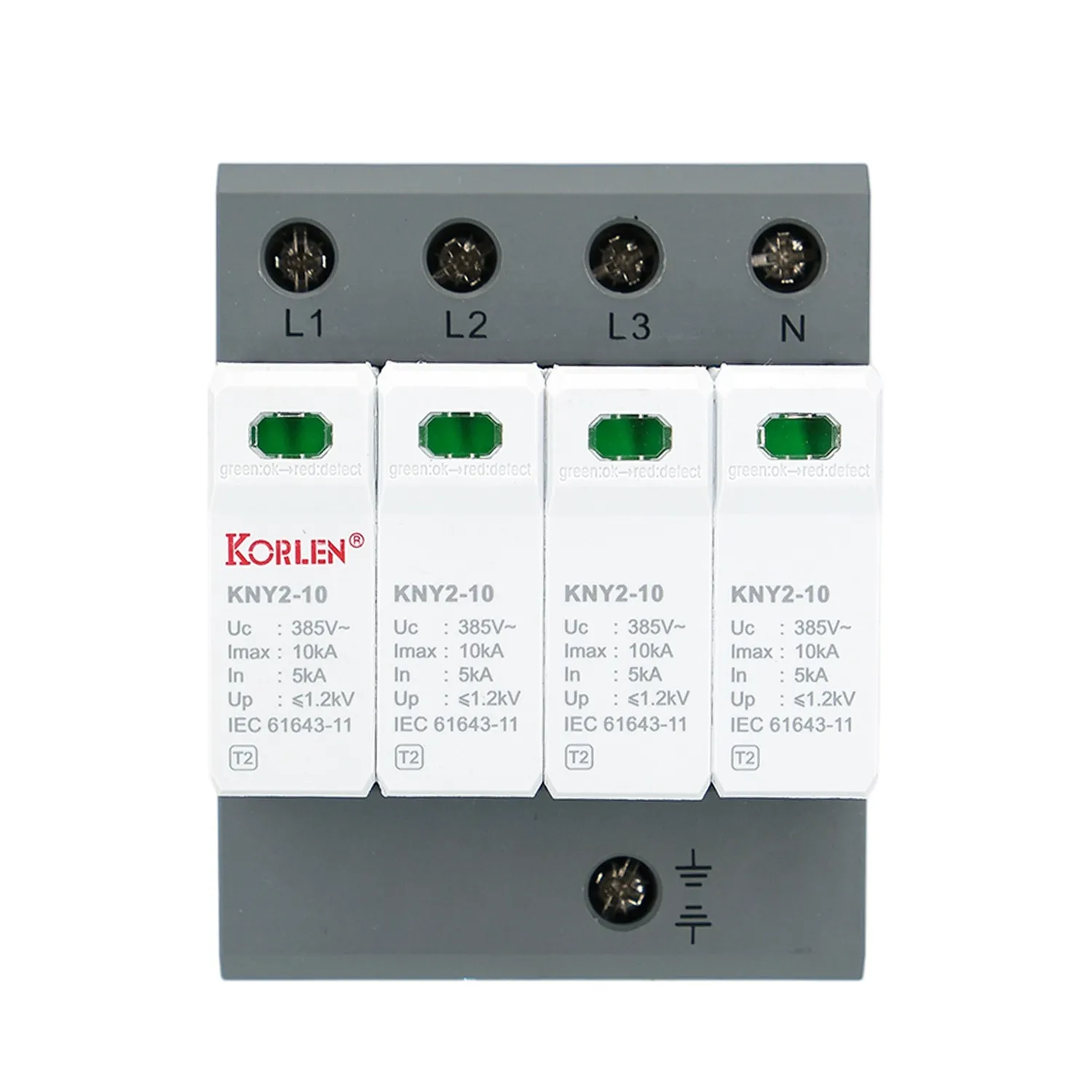 Four Pole Overvoltage Protection Device Type 2 Imax 10kA KNY2-10 Korlen
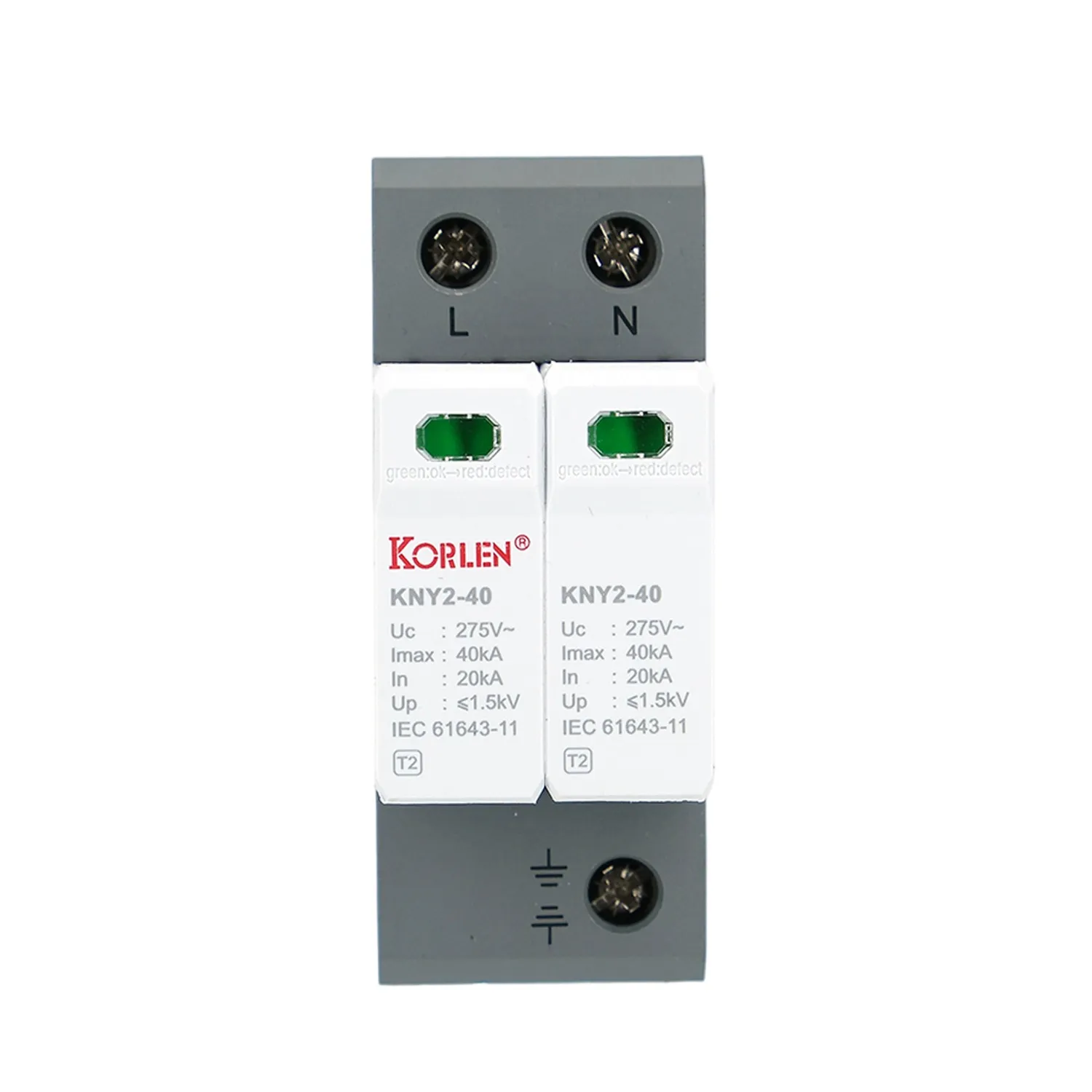 Overvoltage Protection Device Type 1+2 2P Up 1.5 kV KNY2-40 Korlen
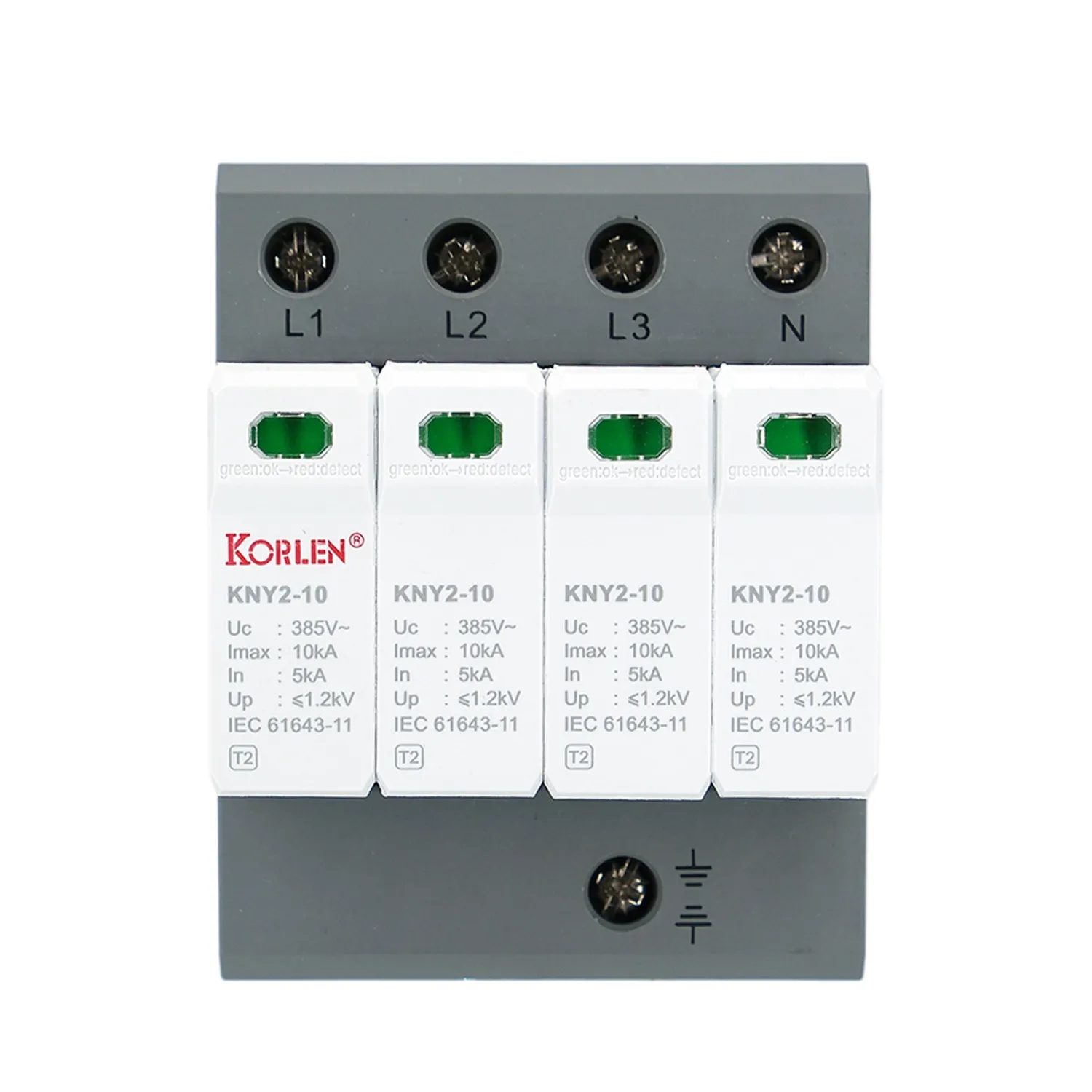 Overvoltage Protection Device Type 1+2 In 20kA 4P KNY2-10 Korlen
FusesFuse holders used on PV string protection.All Products
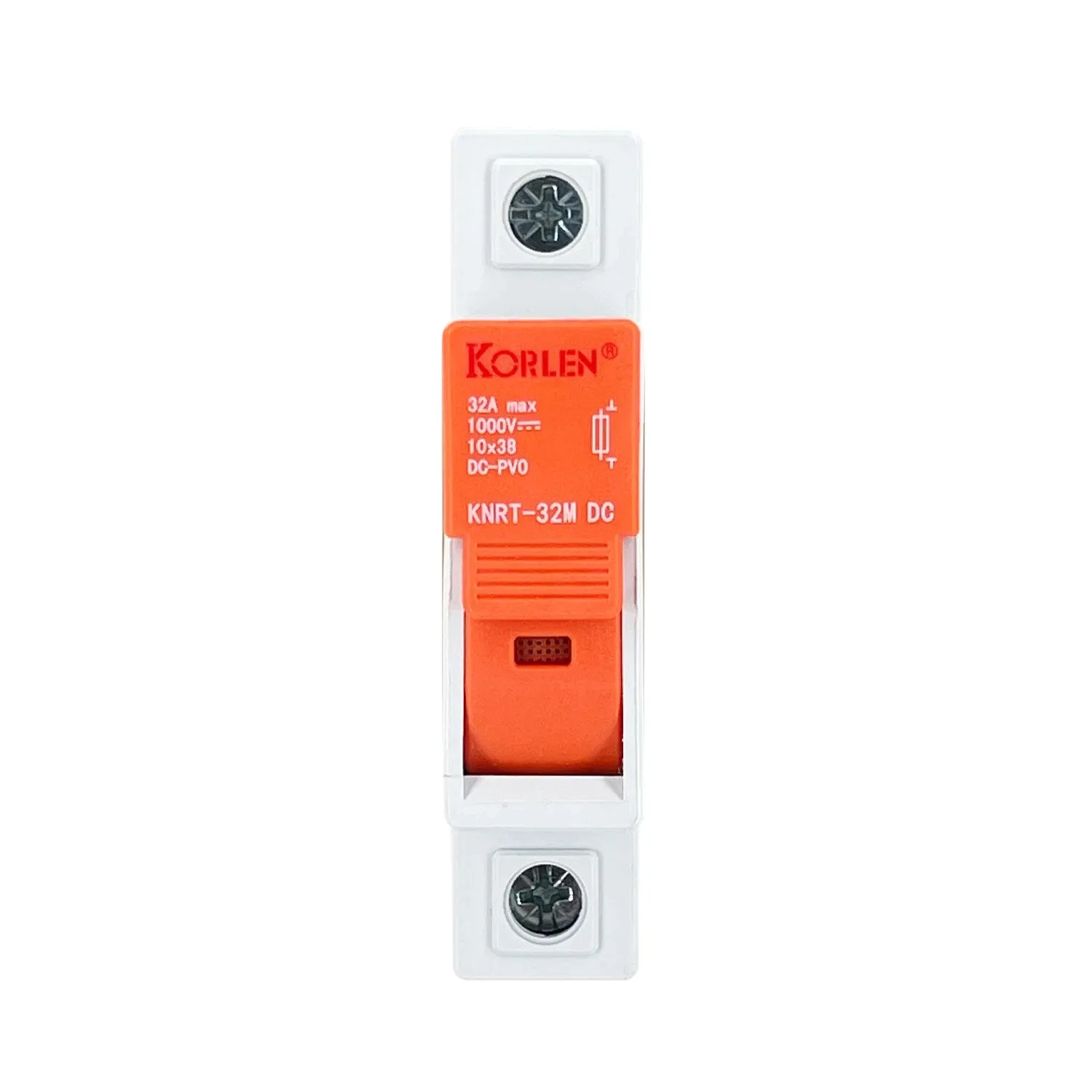 DC Fuse with Holder 1000 V DC 2–32A 10×38mm KNRT-32M Korlen
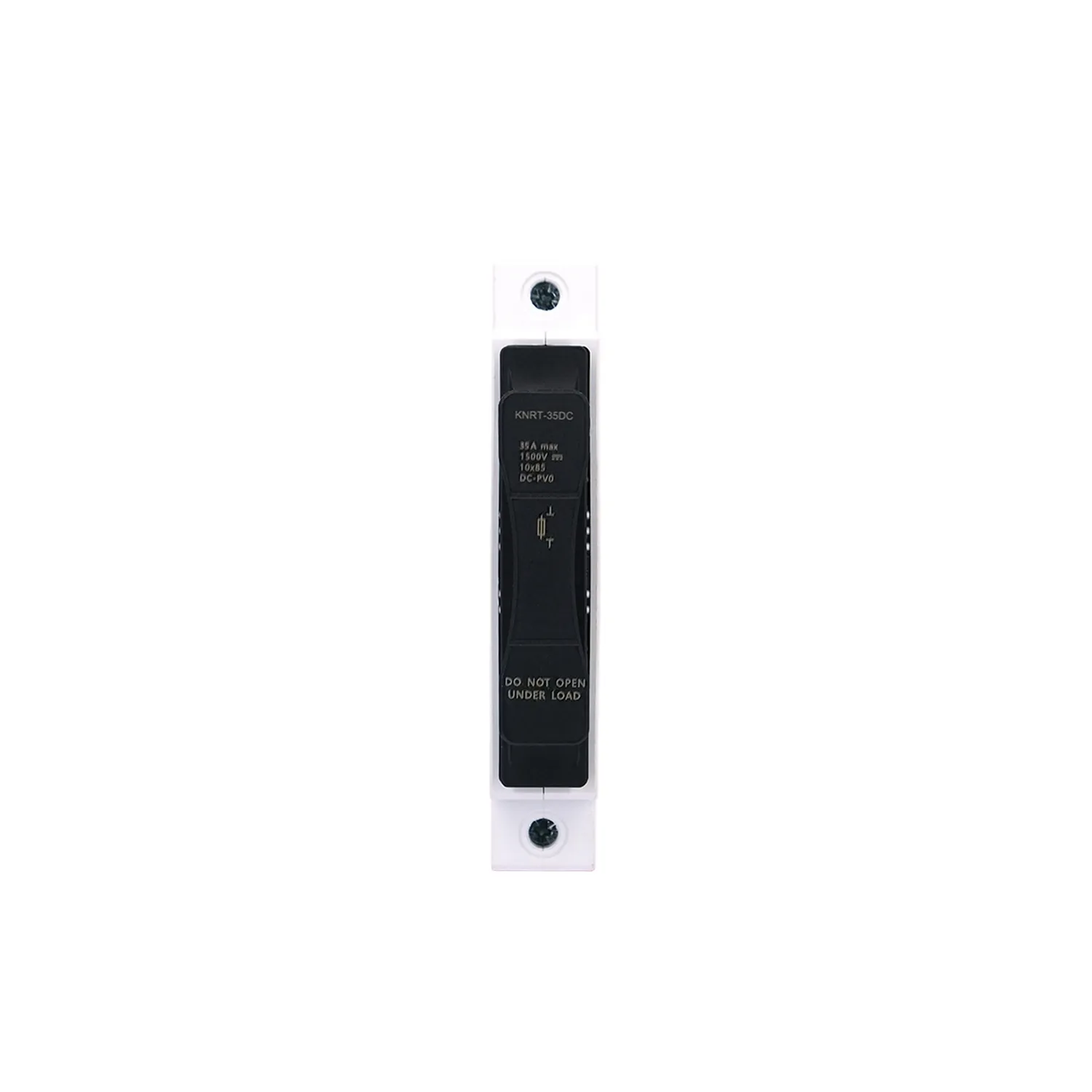 gPV Fuse and Base 1500 V DC 1–35A KNRT-35DC Korlen
Isolating SwitchesLoad-break and isolating switchesAll Products
 32A DC Load Break Switch 300 V DC DS1-32 Doxu
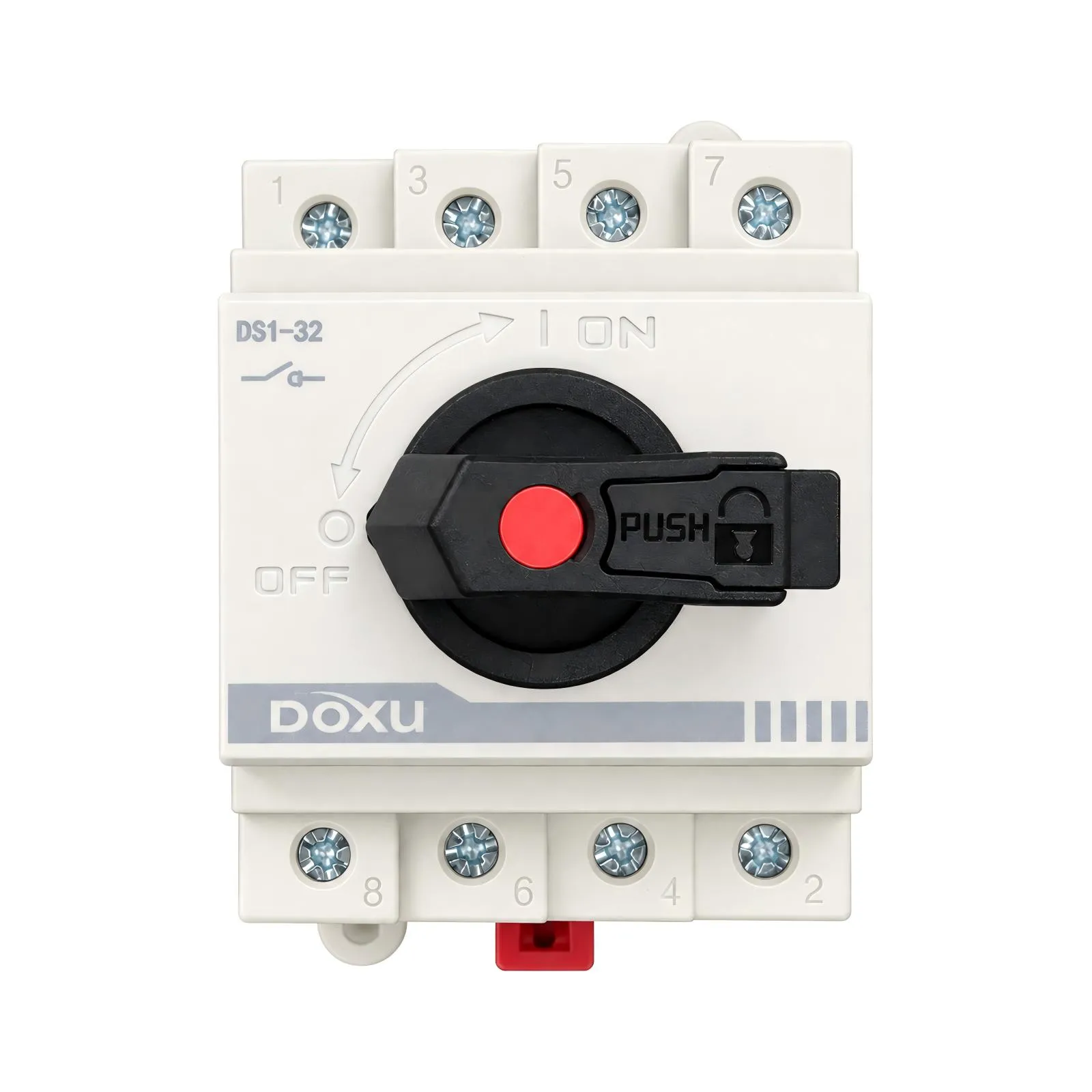 32A PV Isolating Switch 1000 V DC 2P DS1-32 Doxu
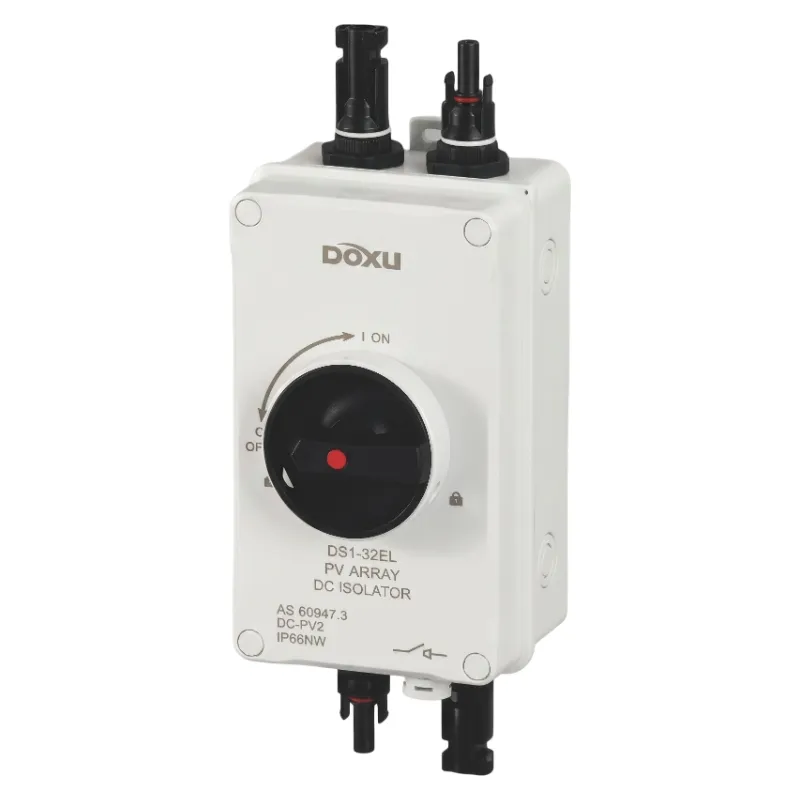 32A Solar DC Disconnect Switch 1200 V DC DS1-32EL/2-MC4-H Doxu
 DC Isolator Switch 1200 V DC 16–32A DS1-32EL/4P Doxu
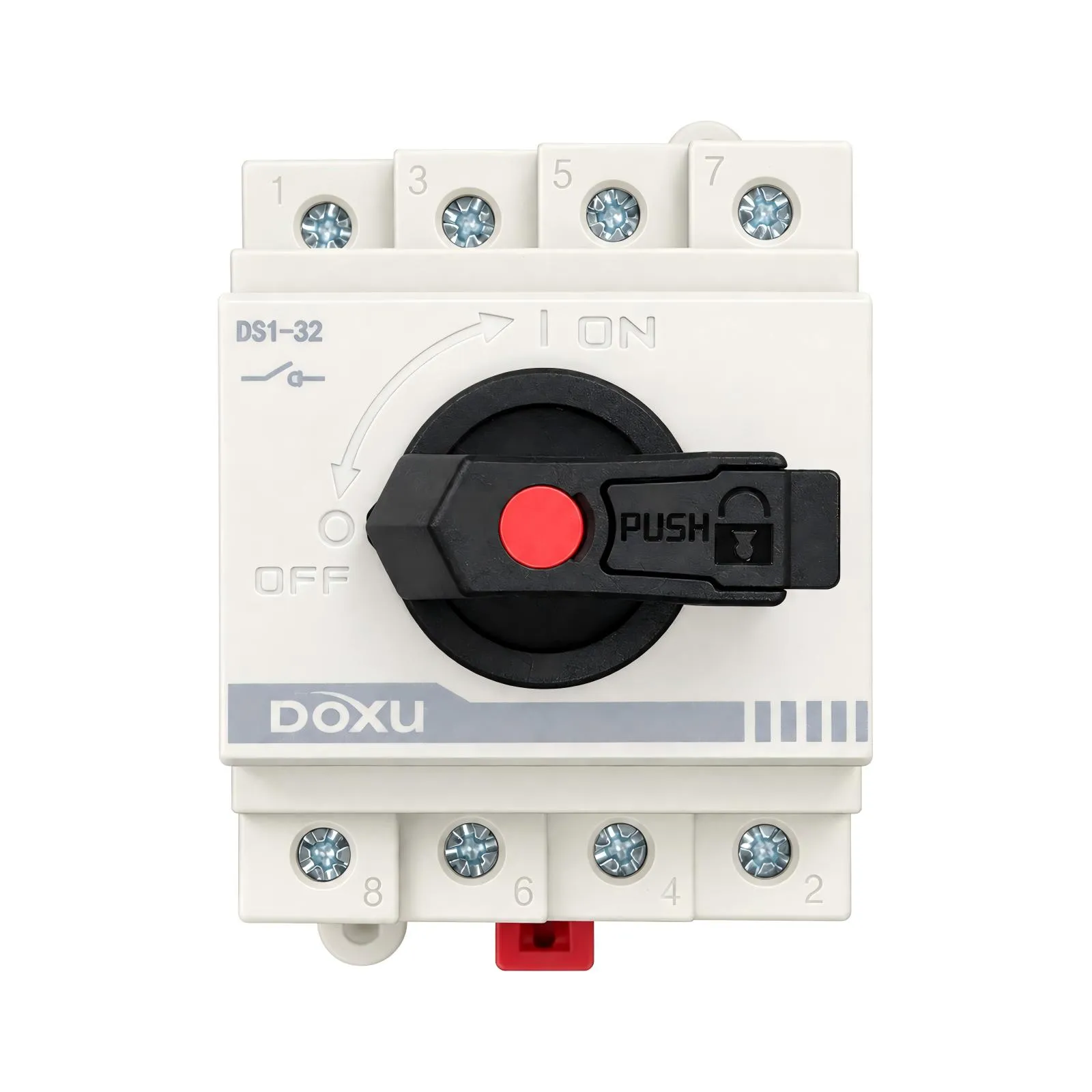 DC Isolator Switch 300 V DC 32A 2P DS1-32 Doxu
 DC Isolator Switch 4P 32A 1000 V DC DS1-32 Doxu
 DC Isolator Switch 600 V DC 32A DS1-32 Doxu
 DC Load Break Switch 1200 V DC 2P 32A DS1-32 Doxu
Contactors & Motor StartersContactors, thermal relays and startersAll Products
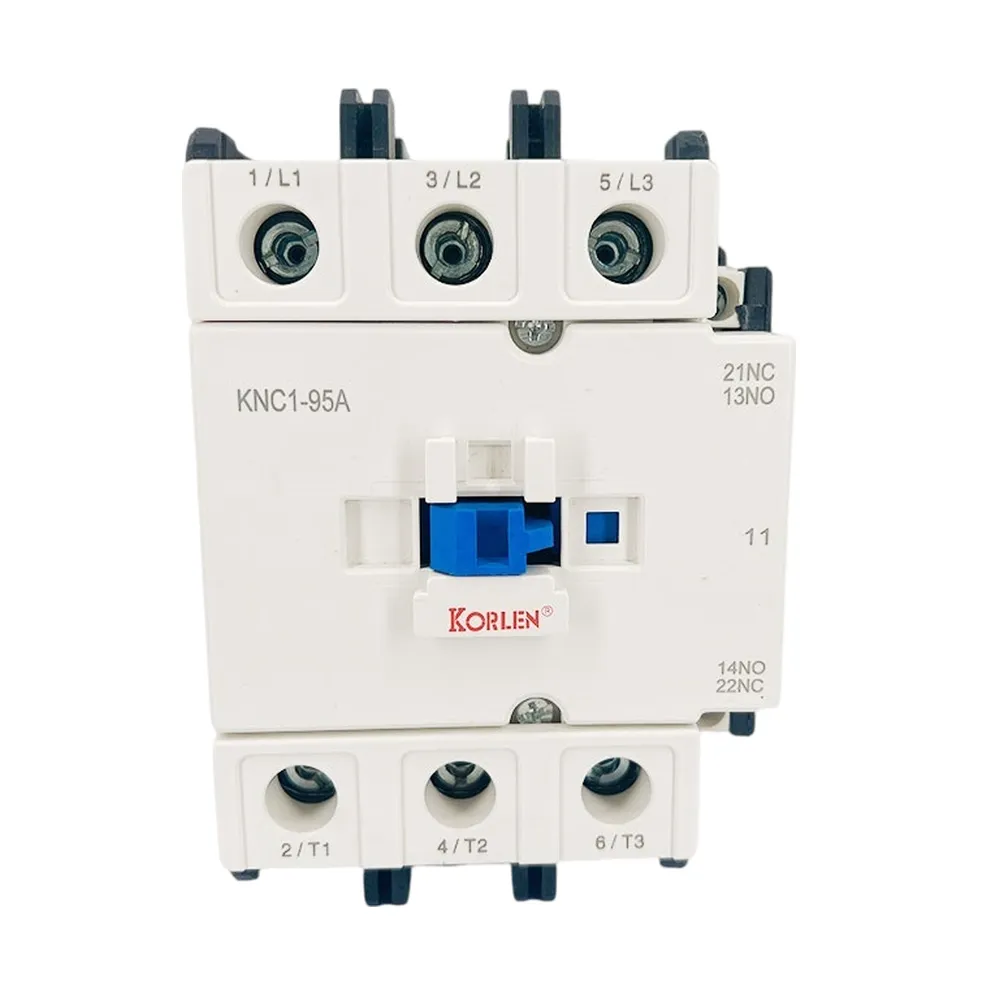 AC Contactor 3P 9–95A 660 V AC KNC1 Korlen
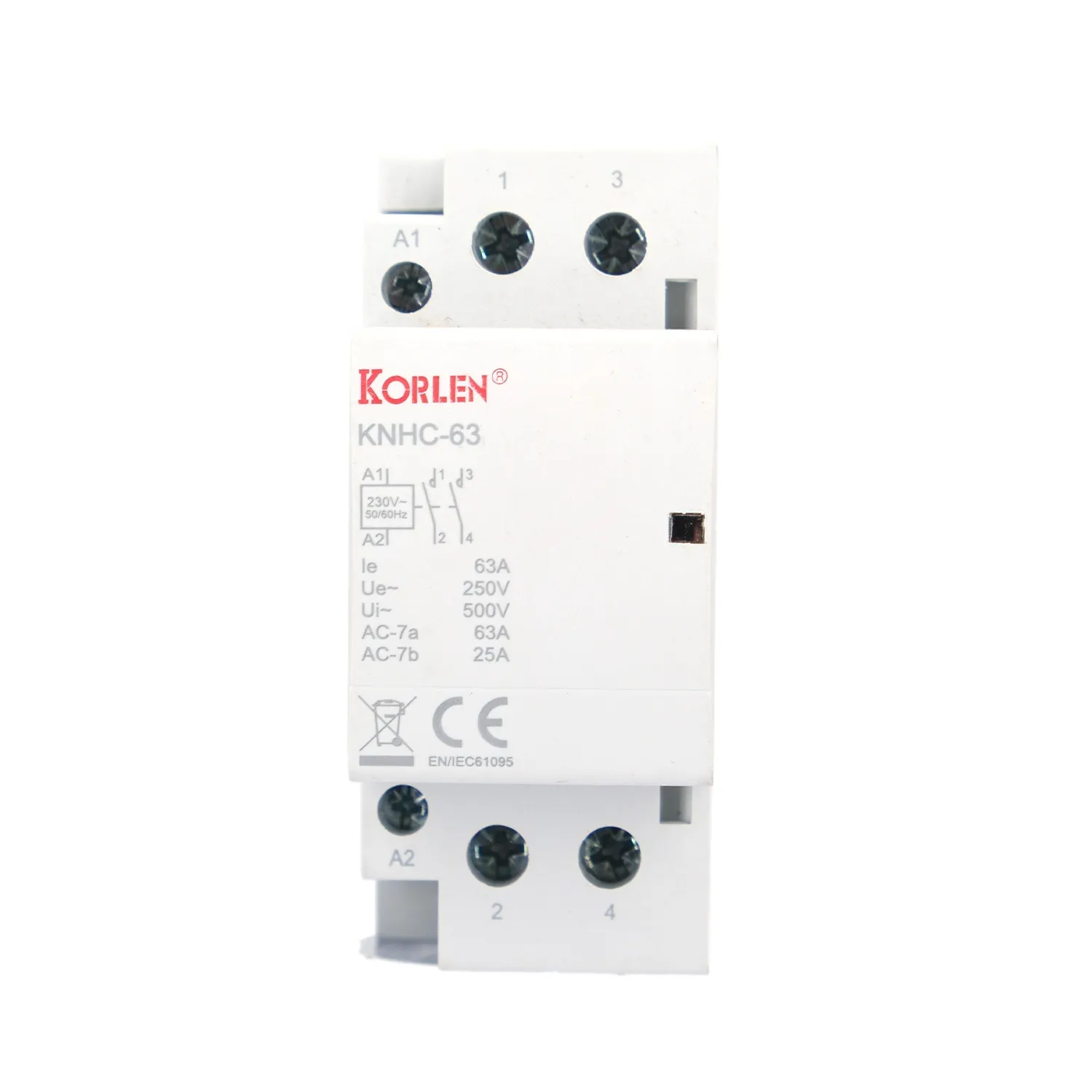 Building Automation Contactor 16–25A 3P 400 V AC KNHC Korlen
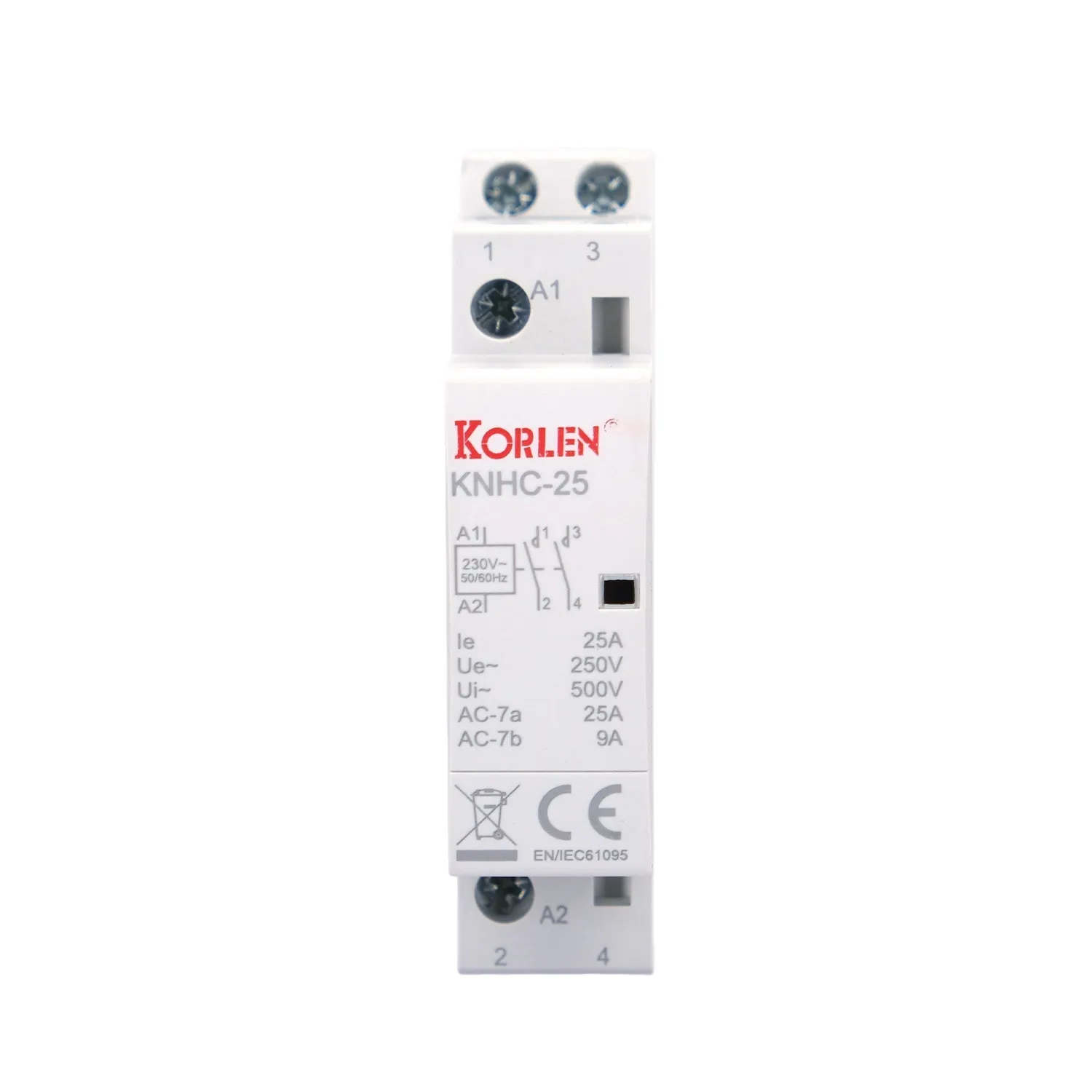 Building Automation Contactor 1P 32–63A for Building Services KNHC Korlen
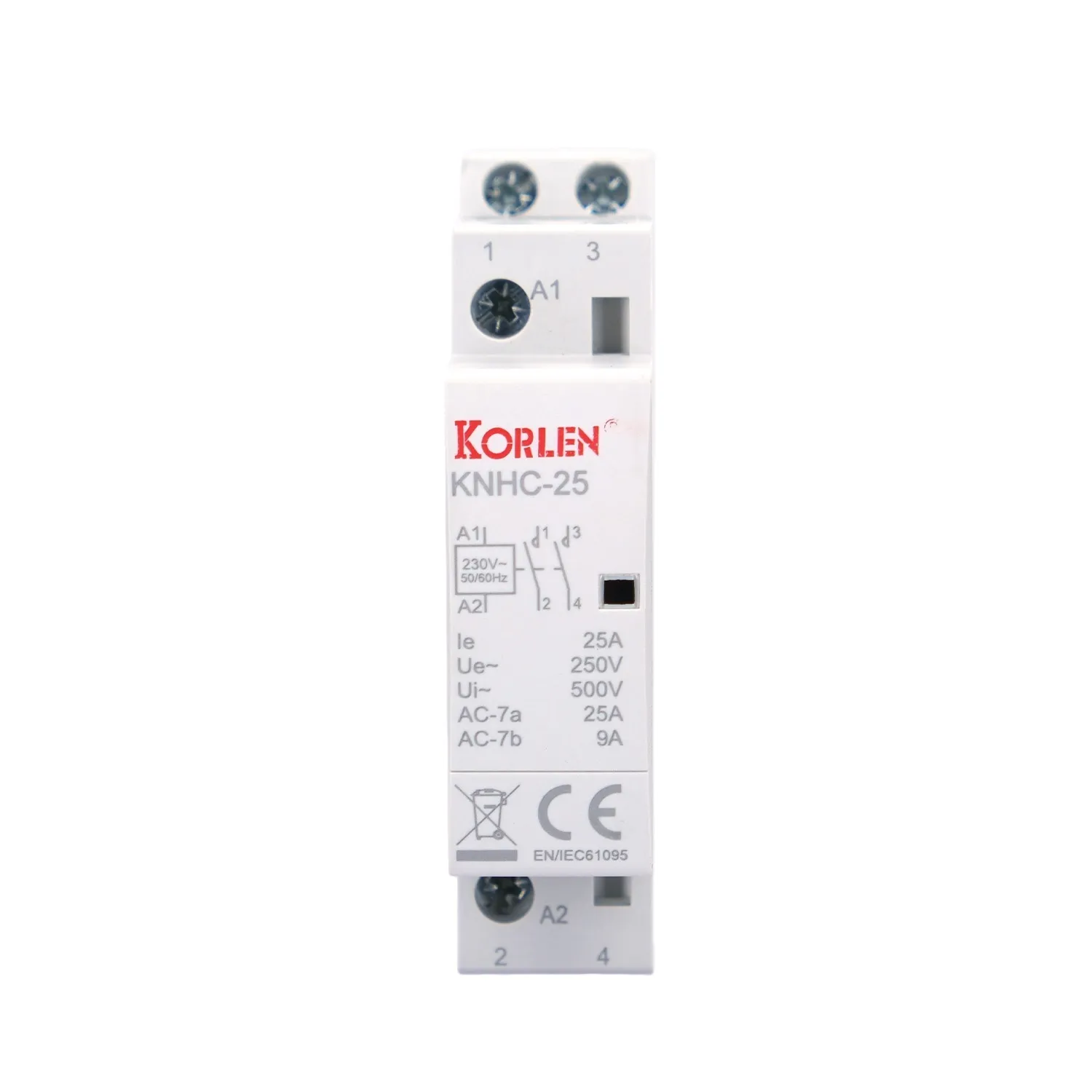 DIN Rail Contactor 1P 80–125A up to 400 V AC KNHC Korlen
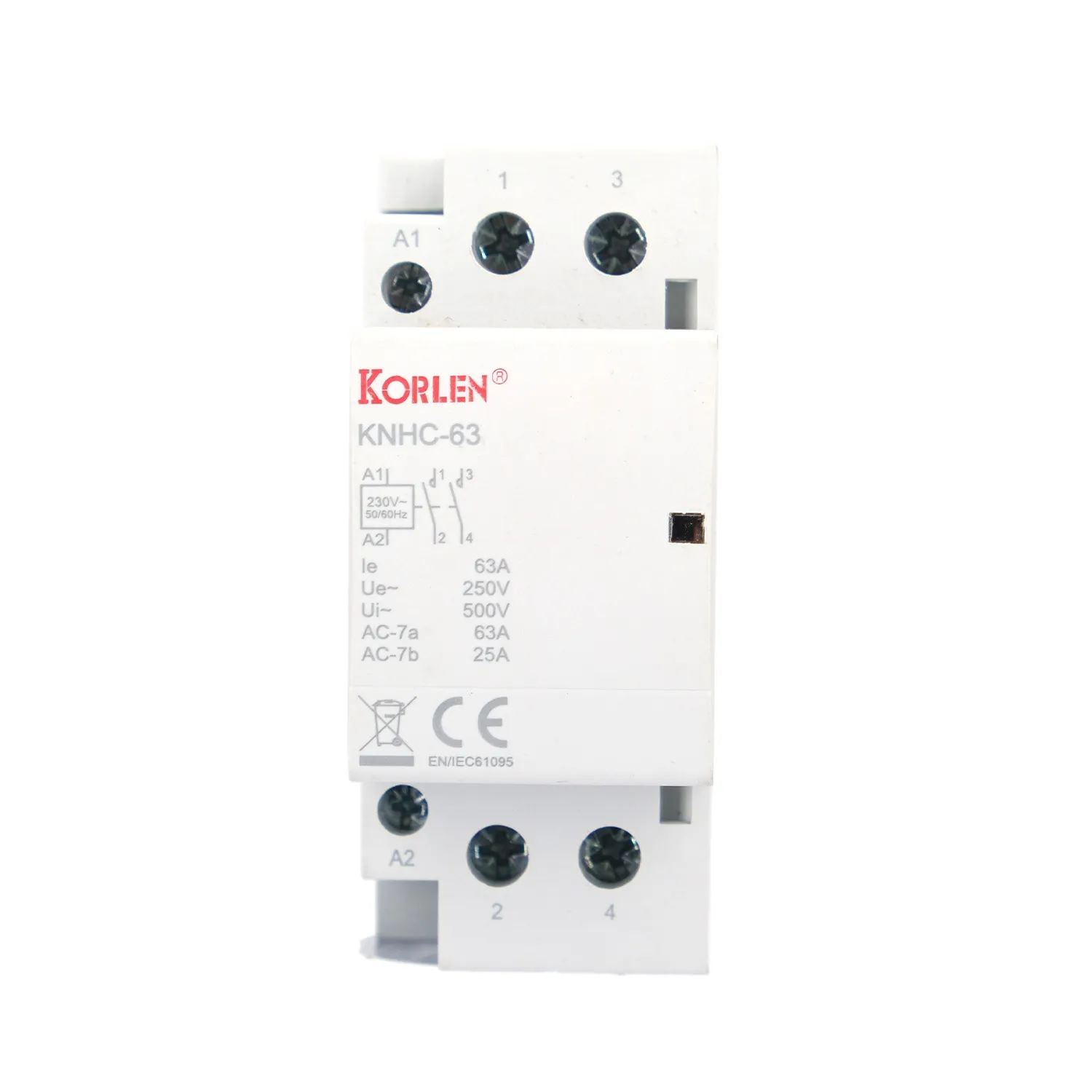 DIN Rail Contactor 3P 32–63A 400 V AC KNHC Korlen
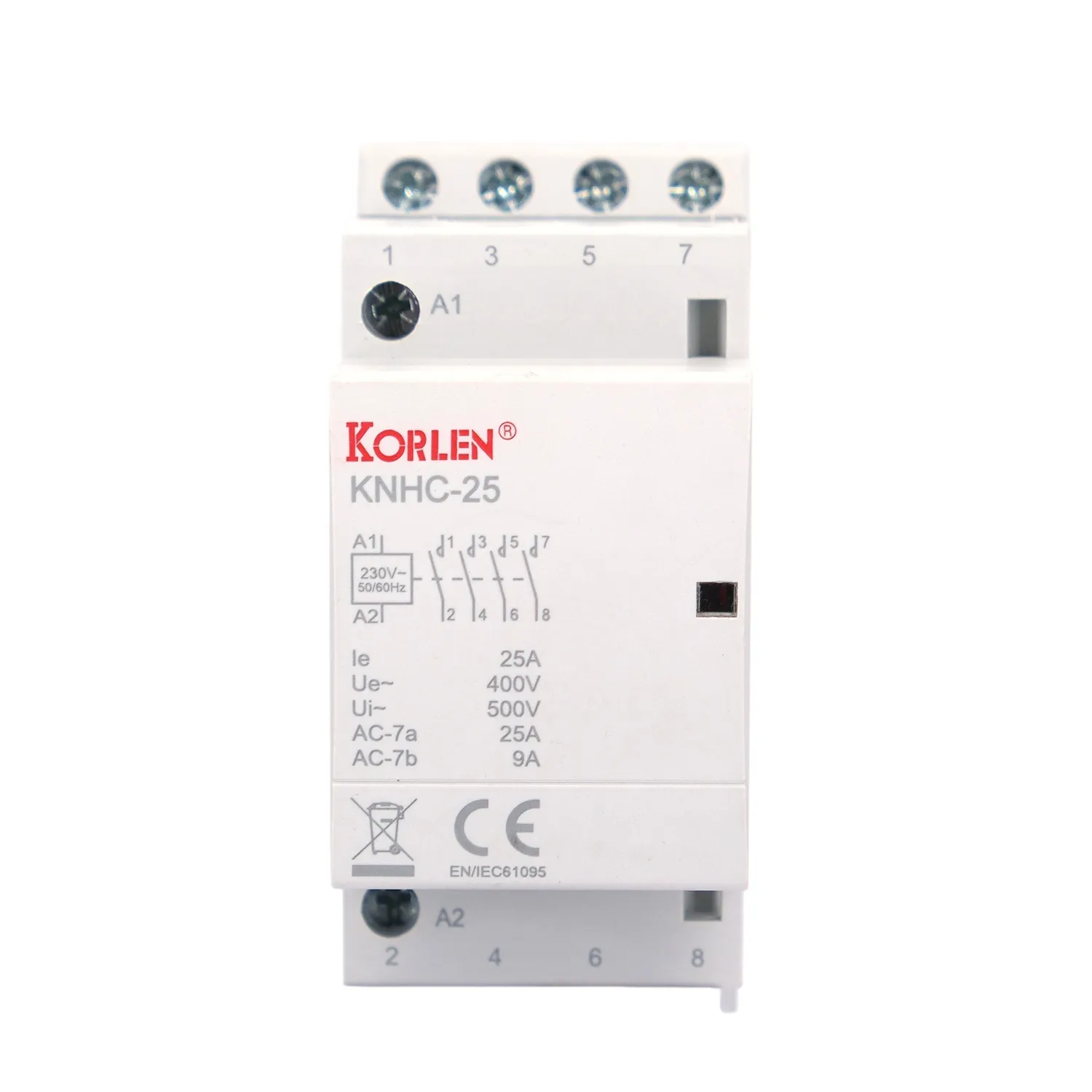 Double Pole Modular Contactor Relay 32–63A up to 400 V AC KNHC Korlen
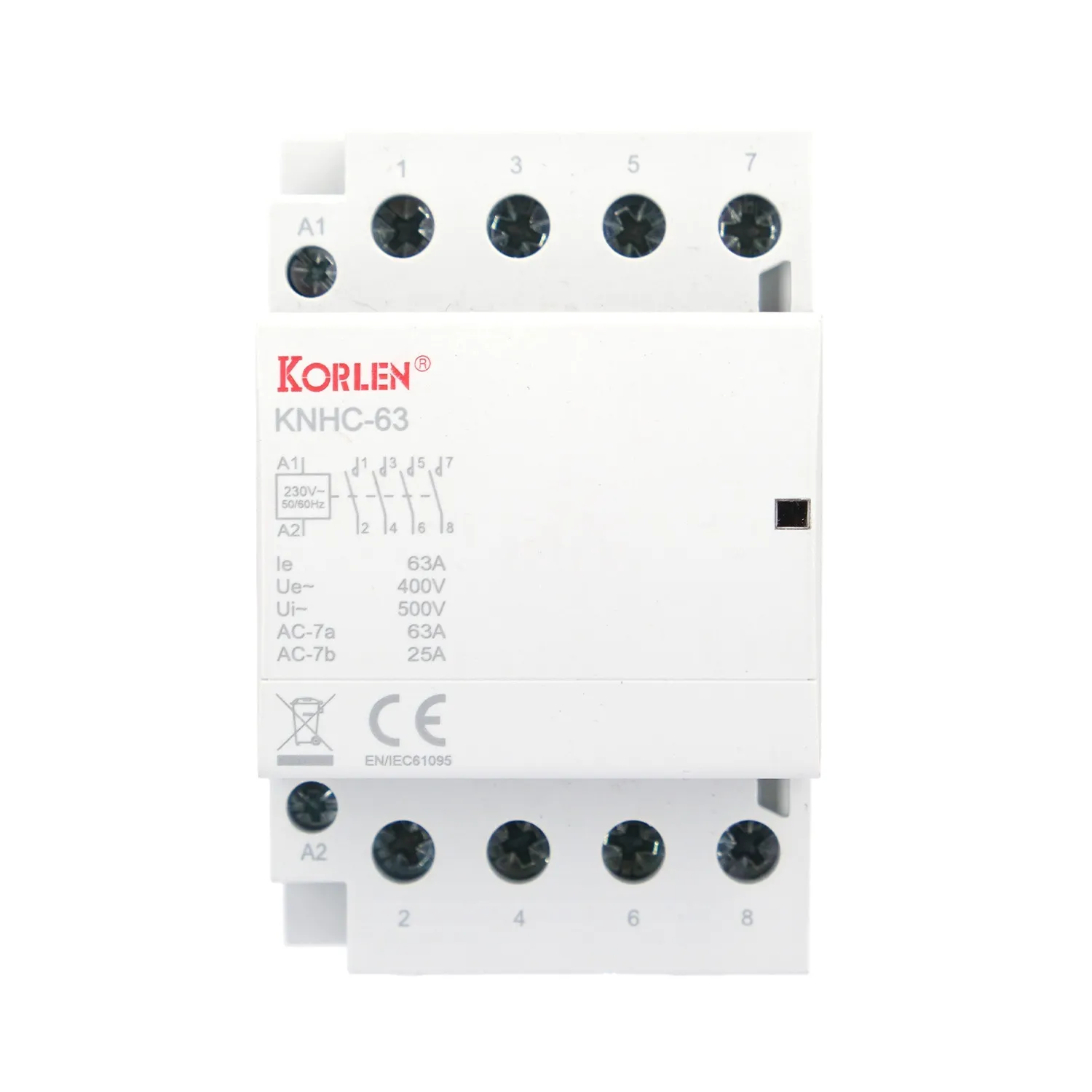 Four Pole Building Automation Contactor 80–125A up to 400 V AC KNHC Korlen
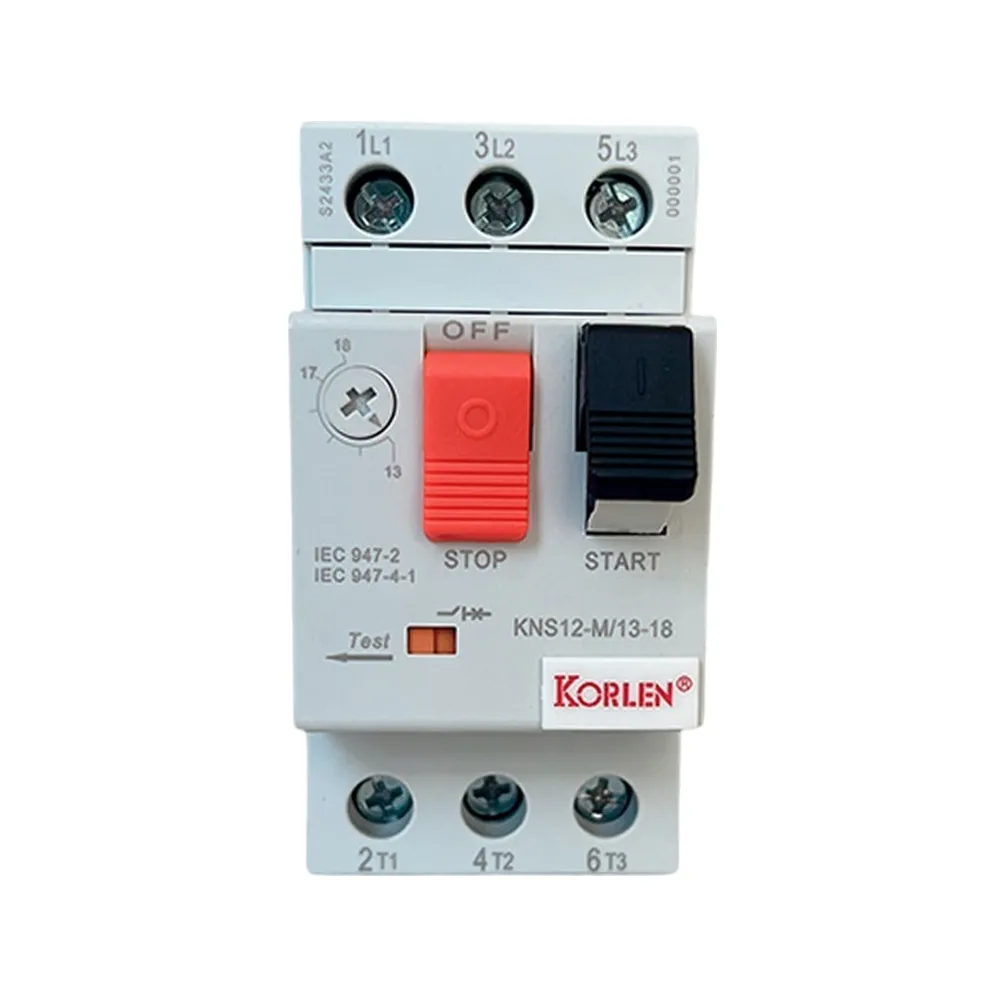 Manual Motor Starter 3P 1–80A 690 V AC KNS12 Korlen
Combiner & Distribution BoxesEnclosures for string combining and AC distribution.All Products
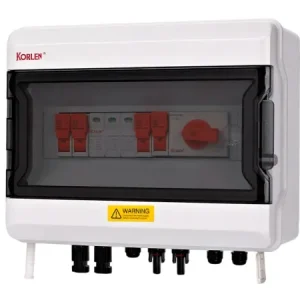 DC Combiner Box 2 in / 2 out 1000 V DC for PV Plants KNX5PV-H/B-2/2 Korlen
 Distribution Board 6–36 modules Watertight Enclosure KNS Korlen
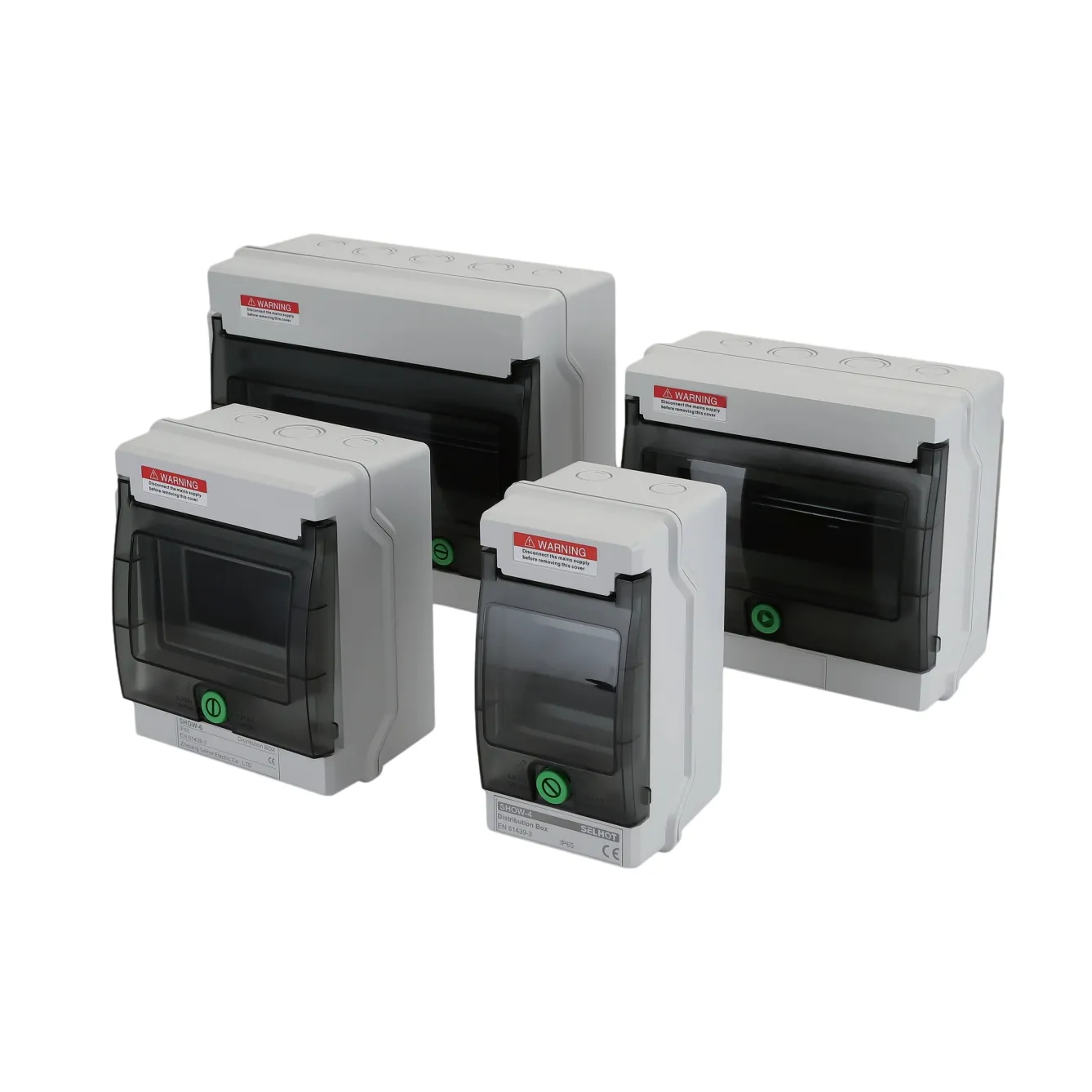 Distribution Board IP65 4–24 modules KNHA Korlen
 PV Combiner Box 1000 V DC 1 in / 1 out KNX5PV-H/B-1/1 Korlen
 PV Combiner Box 1000 V DC 4 in / 2 out KNX5PV-H/B-4/2 Korlen
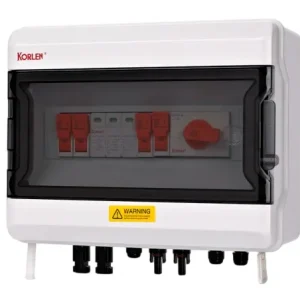 PV String Combiner Box 2 in / 1 out 1000 V DC KNX5PV-H/B-2/1 Korlen
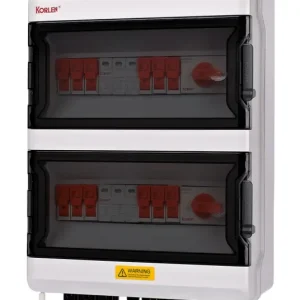 PV String Combiner Box 6 in / 2 out 1000 V DC, KNX5PV-H/B-6/2 Korlen
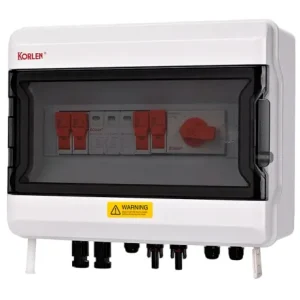 Solar String Combiner Box 3 in / 1 out 1000 V DC KNX5PV-H/B-3/1 Korlen
Cable GlandsIP68 nylon cable glands in PG7 to PG63 and M8 to M114 threads, PA66 body, for waterproof cable entry on enclosures.All Products
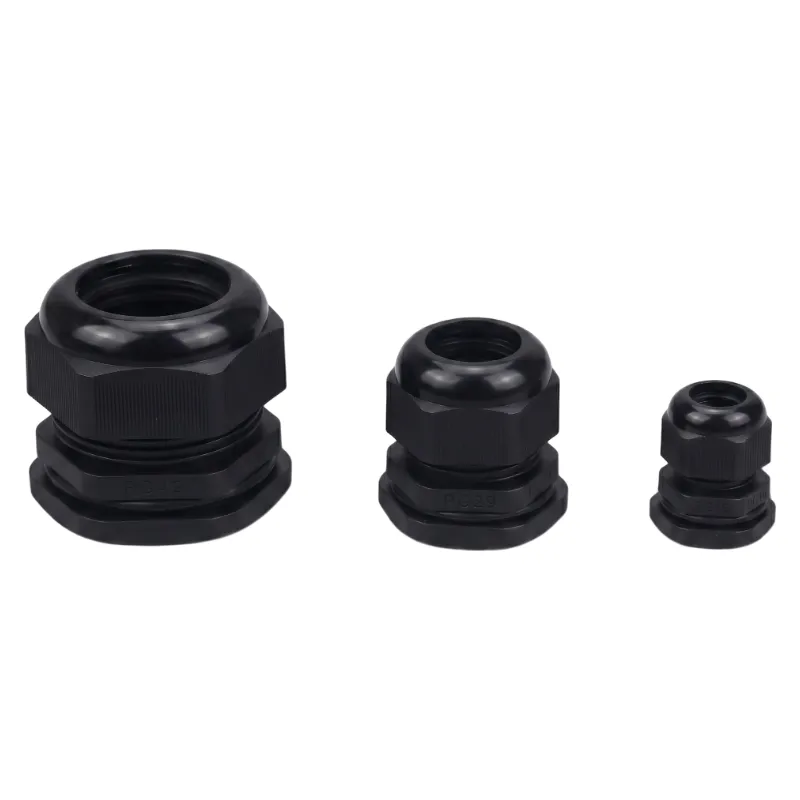 Cable Gland IP68 PA66 nylon PG7-PG63 WZCHDA
 Nylon Cable Gland IP68 PG7-PG63 PG thread WZCHDA
 PA66 Cable Gland metric M thread M8-M114 IP68 WZCHDA
 Waterproof Cable Gland IP68 metric M thread WZCHDA
Cable TiesNylon 66 cable ties from 60 to 1500mm, plus stainless steel SS304 and SS316 ties, PVC coated and double head versions.All Products
 Cable Tie Nylon 66 1.9-10 mm 60-1500 mm ZHEJIN
 Heavy Duty Cable Tie SS304 / SS316 stainless steel 4.6-12 mm ZHEJIN
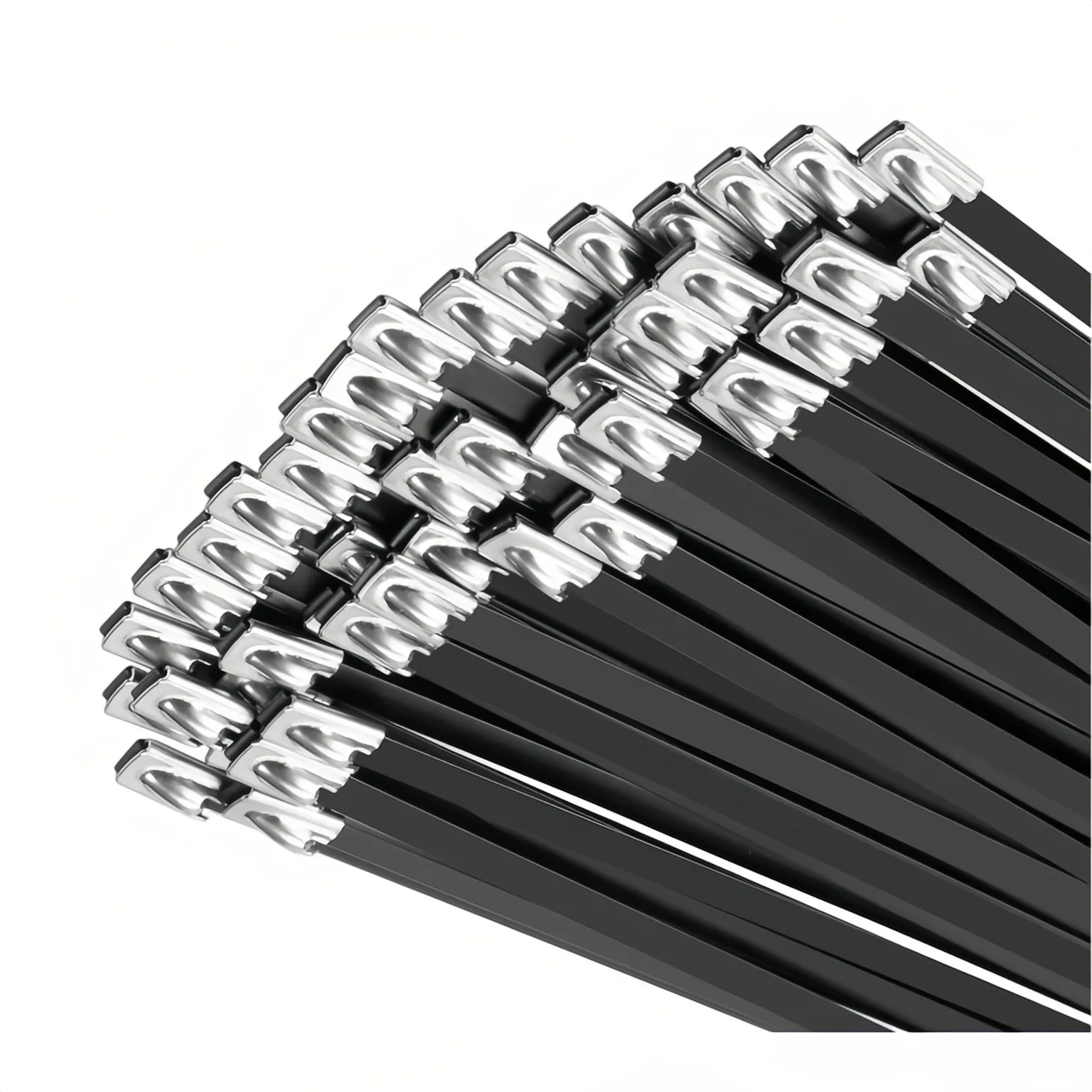 Metal Cable Tie PVC Coated SS304 / SS316 4.6-12 mm ZJS-PC ZHEJIN
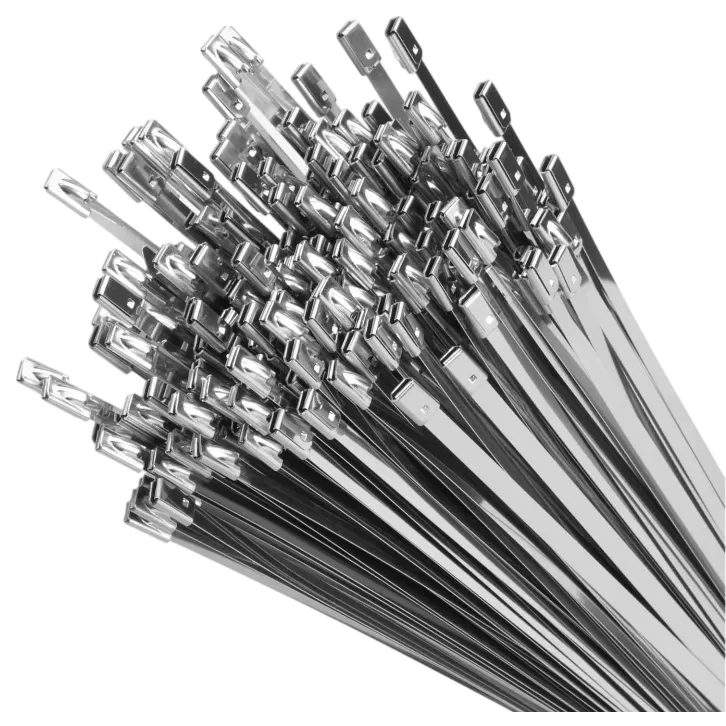 SS Cable Tie 12.3 / 16 / 25 mm ZJDS Double Head Heavy Duty ZHEJIN
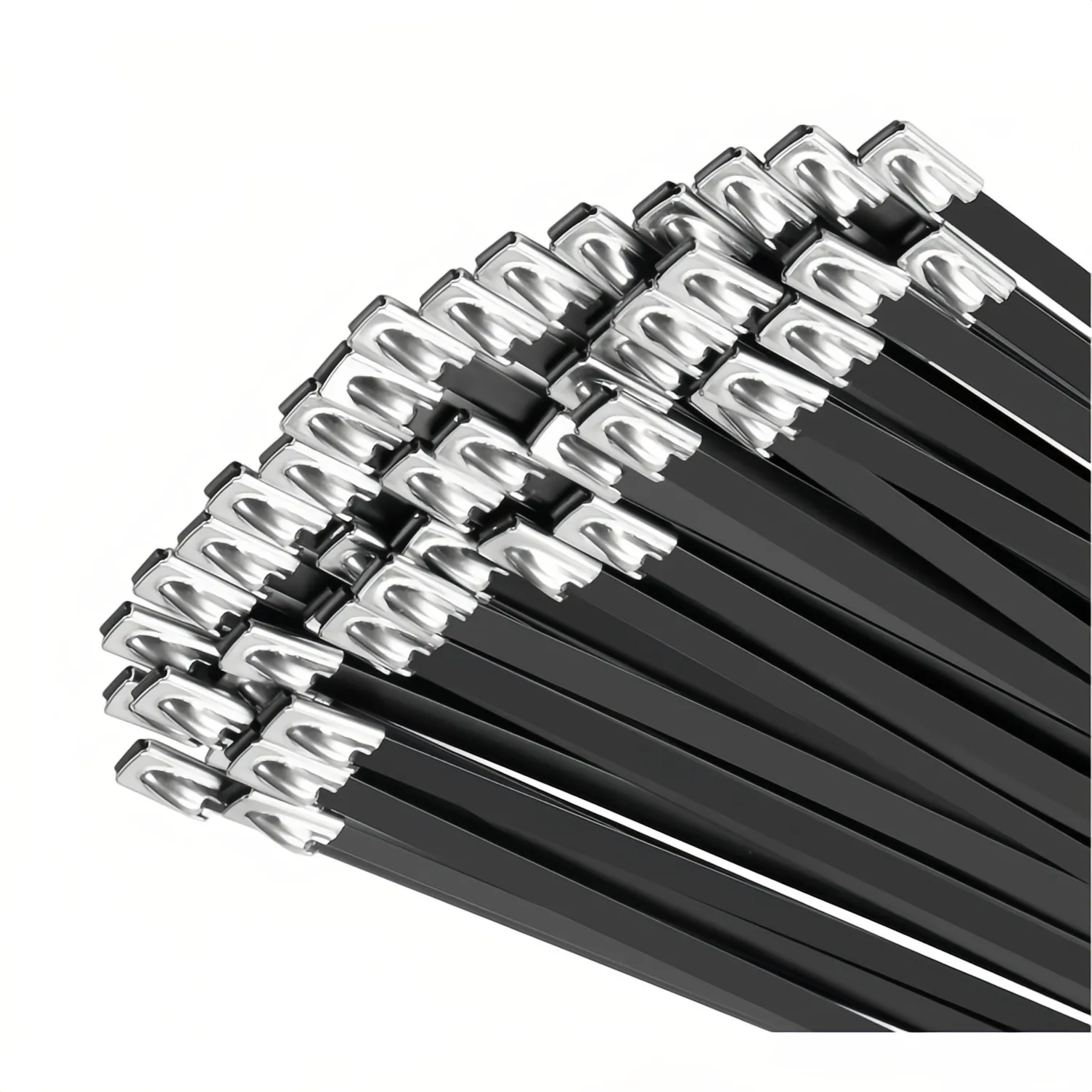 Stainless Steel Cable Tie in SS304 / SS316 ZJS-BC ZHEJIN
Corrugated ConduitFlexible corrugated conduit in PA66 nylon and polyethylene, AD7 to AD54.5, black, for cable routing in panels.All Products
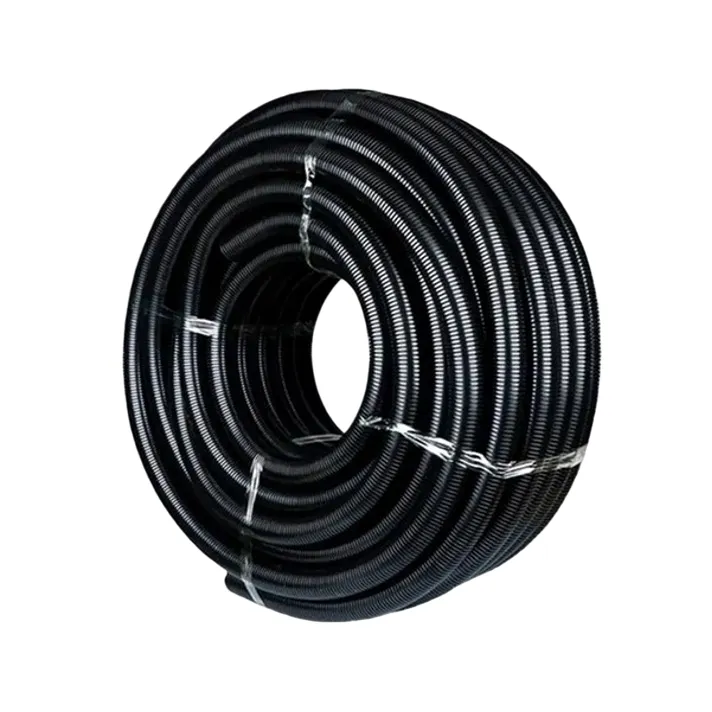 PA66 Corrugated Conduit AD10-AD54.5 nylon Black WZCHDA
 PE Corrugated Conduit polyethylene AD7-AD54.5 WZCHDA
Solar ConnectorsPhotovoltaic cable connectors rated 1000V and 1500V DC, 30A to 65A, IP67, for solar string connections and module wiring.All Products