In the North American residential electrical service, the location of the main electric service disconnecting device (main breaker), is defined by the state of residence, electrical code requirements and type of electrical equipment used by the homeowner (examples: residential electric panel, automated meter reader, etc.). Accordingly, North American homeowners generally have one question in common: where to locate the main breaker for my home? The answer depends on the building type and location of the disconnecting device.
Quickly answering this question can provide clarity when a homeowner is looking for their main electric service disconnect and in some cases save the homeowner from an electrical hazard. In most instances, the main breaker is located inside the service panel of a single-family detached house, where the electrical service cable enters the house (typically in the basement, garage or on the outside wall of a house) or in a residential electrical service panel on an exterior wall. The UK and Europe have differing requirements and standards for determining the location of their respective electrical service disconnecting devices. The location of a commercial or industrial service disconnecting device may differ depending on the size and configuration of the respective building (hotel, office, factory).
The One Rule That Explains Almost Every Location
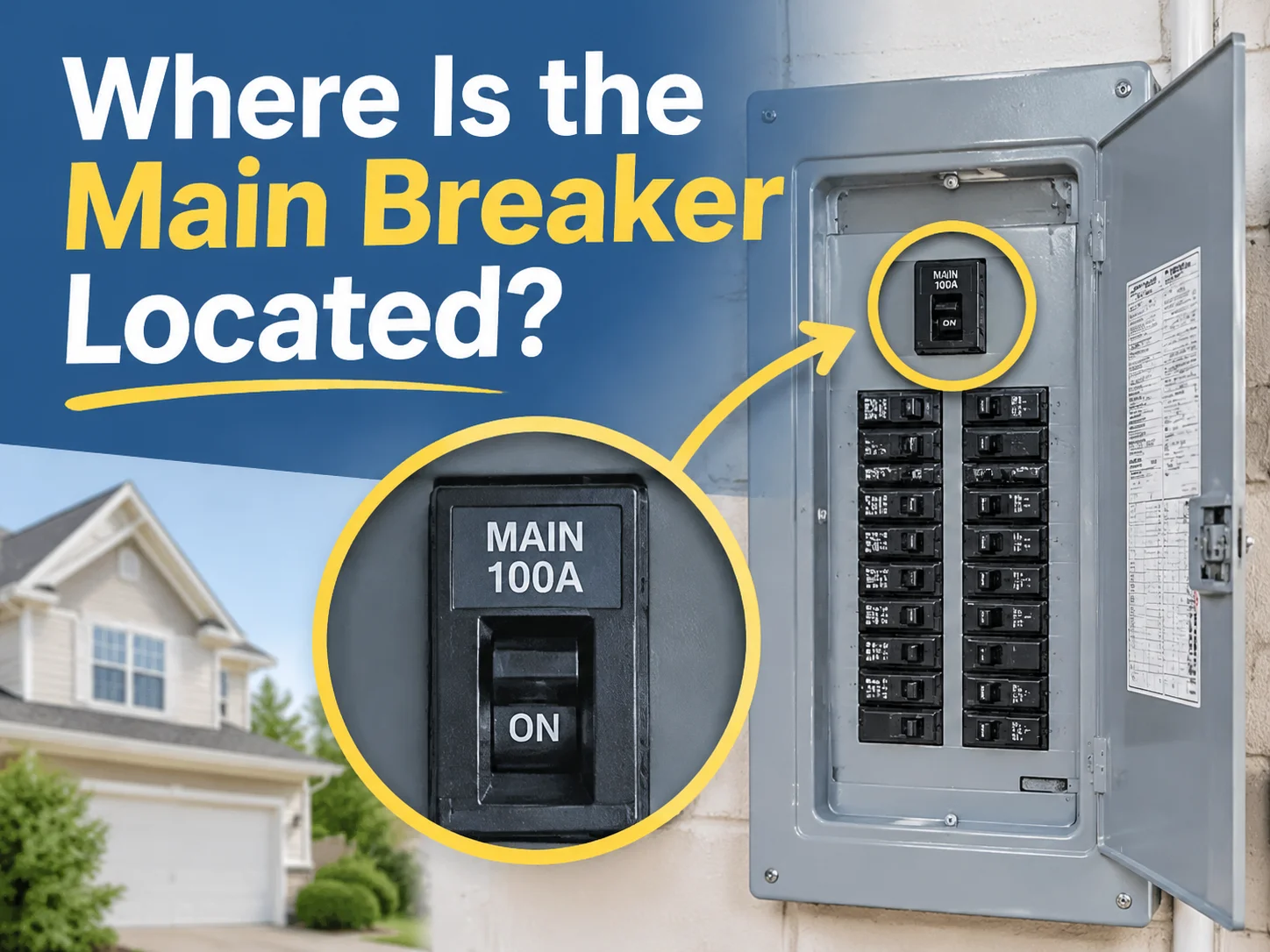
Every location almost completely depends on one single rule. That rule is that the ‘Service Disconnecting Means‘ (as defined in NEC 230.70(A)(1) in the U.S.), must be located as close as reasonably possible to where the conductors enter the building. Most countries hold this rule in common, and it is the same everywhere – someone has to be able to turn off the electricity before the wires can go very far into the building.
Because of this requirement, Electrical Panels are frequently located directly behind the meter on the inside face of the exterior wall and seldom located in the centre of the building. Electrical Panels are placed in garages, not because of preference by Builders, but because, in most areas of the U.S., the Service Drop lands on the garage wall, and placing the panel in any other area means running unfused electrical conductors throughout the home.
In addition, the definition of ‘Readily Accessible‘ is much stricter than it appears. ‘Readily Accessible’ means it is ‘easy to get to,’ so you cannot use a ladder, climb or remove a permanent fixture; only the Utility has the key to the panel. Readily Accessible does not imply convenient, which is why it is a common violation to have a panel behind a wall of boxes that contains no working material. The rule was written for the service disconnect (the panel used by Utilities to turn off power), not for every panel downstream. An Electrical Sub-panel in a Detached Garage can be placed wherever the wiring makes sense.
Where the Main Breaker Sits in a Detached House
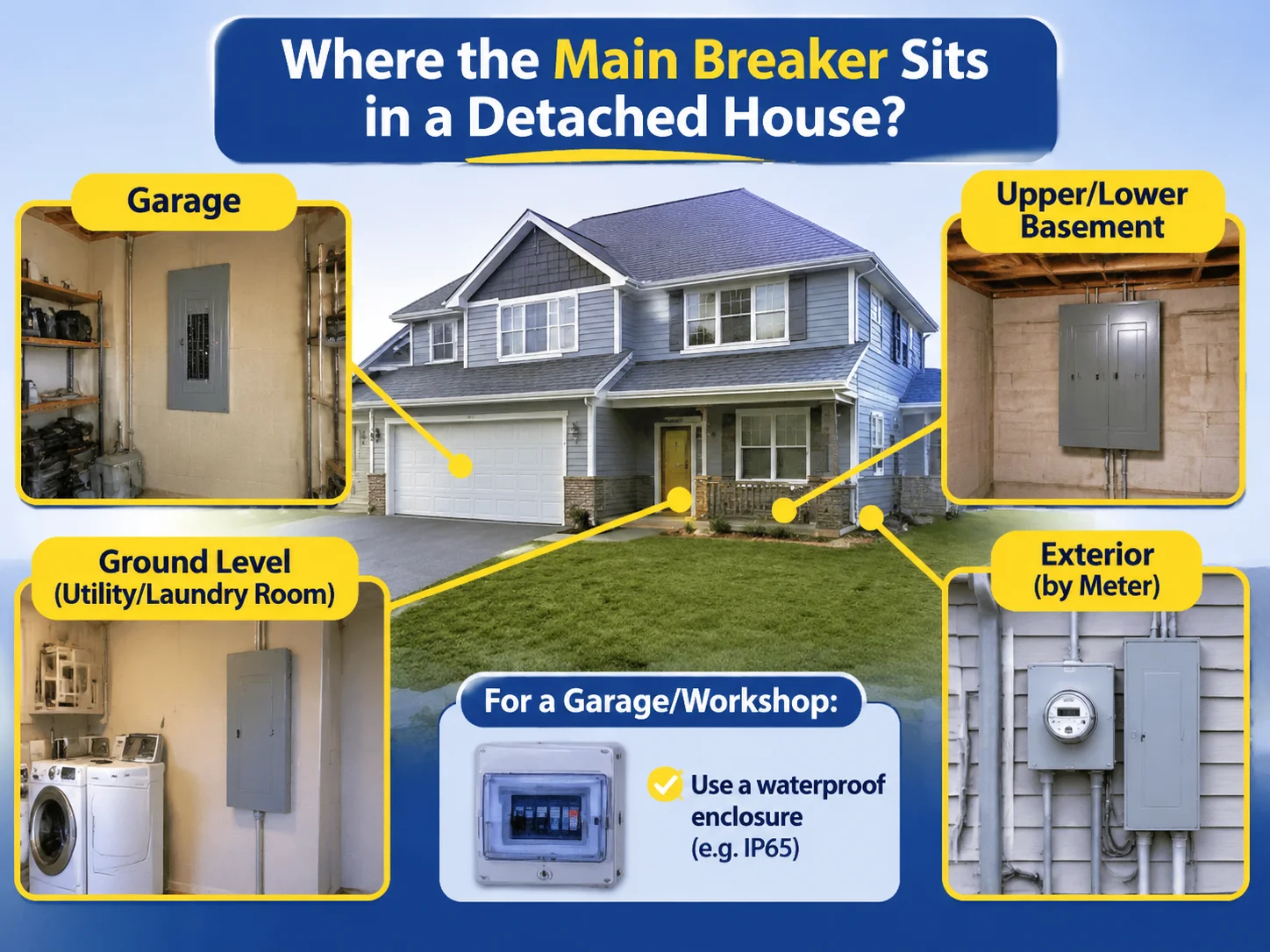
The locations of the main electrical breaker panels in North America can be generally divided into four areas: garages attached to houses (or built-in), basements, the ground level (i.e. utility/laundry rooms) in houses of some older homes, and the exterior next to electrical meters in homes built more recently than approximately 20 years. In addition, garages are often located against the street on an exterior wall of the garage or a separate building.
Depending on the year a home was built and how it has evolved since then, it may well present additional options regarding finding the Main Electrical Service Disconnect. For example, homes built prior to 1960 will likely have had a fuse box located in a hallway or kitchen because during this time period power demands were typically small owing to the number of residential plugs and therefore no special attention was given to the physical installation of the panel in an appropriate location. However, if a home was built with a smaller panel, generally rated at 60 Amperes, and if it has since been extended to accommodate additional electrical appliances and/or electrical heating and has been upgraded to a larger, generally 200 Ampere rated panel, there will potentially be two locations where the Main Disconnect Switch could be found. Note that in the U.S., over the last 20 years, the average size of residential electrical panels has increased from 100 Amperes to 200 Amperes for homes primarily because of the increase in the use of electric cooking, electric heating and the growing demand for charging Electric Vehicles (EV). When comparing the United Kingdom and the United States, the same approximate values will be referenced.
If a garage or workshop is located within a home and is fed through its own supply, a secondary panel is installed in that area utilizing a secondary service disconnect, which should be within an enclosure designed to be waterproof if the area has a high moisture content. There is no service disconnect within the enclosed area; however, a watertight modular board of some type on an IP65-rated enclosure, i.e., a KNS Distribution Board, would typically suffice. The device located within the enclosure will either be a main switch or an RCD.
Apartments, Condos and the Shared Riser
The services to the Tenant of an Apartment, Condo, or Riser are typically not in the name of the Tenant. Therefore each Tenant will have their own Consumer Unit, fed through either a Riser or a Landlord’s Supply, with the uppermost device identified as a Main Switch/Isolator instead of a Service Main.
Tenants of Apartments will find their Consumer Units located in the same location relative to their front entrance across the globe. Typically they will be found mounted on the wall next to the door where at near-chest height, generally in an enclosure, and in older construction, sometimes mounted above the door. Most UK apartments will have their Consumer Unit located in the same enclosure as their Electricity Meter, while in new construction, they will typically find a Utility Cupboard located adjacent to the Entrance Hall. Tenant Units in Poland, Germany, and the Netherlands are frequently mounted in a small DIN-rail mount enclosure having a Transparent Door. Two distinctions to take note of regarding Apartment Consumer Units:
The main switch in Europe is typically a double-pole switch. This means that the main switch in an electrical panel will turn off both the line (hot) wire and the neutral wire. This is different from the North American main breaker as it only turns off the line wire and does not switch the neutral wire.
The electrical panel in Europe generally includes either 30 mA RCD (Residual Current Device) or RCBOs (Residual Current Circuit Breaker with Over Current Protection) for each of the socket circuits, so if a unit is tripped, it could be due to either a RCD or an overcurrent issue. Resetting the panel will require locating the test button on the RCD rather than finding the large lever on the breaker panel.
If a unit has a meter cabinet sealed within a common corridor, that cabinet is normally owned by the landlord or the utility. The cabinet is typically locked with the utility’s key. Therefore, the individual tenant has access only to their own electrical panel located in their unit and it is the only electrical panel they should operate. This is important to keep in mind during an emergency as turning off the main switch for the tenant’s unit will not disconnect power to the riser, and it’s important for firefighters to disconnect the riser when responding to a fire in the building.
Hotels, Offices and Retail Units
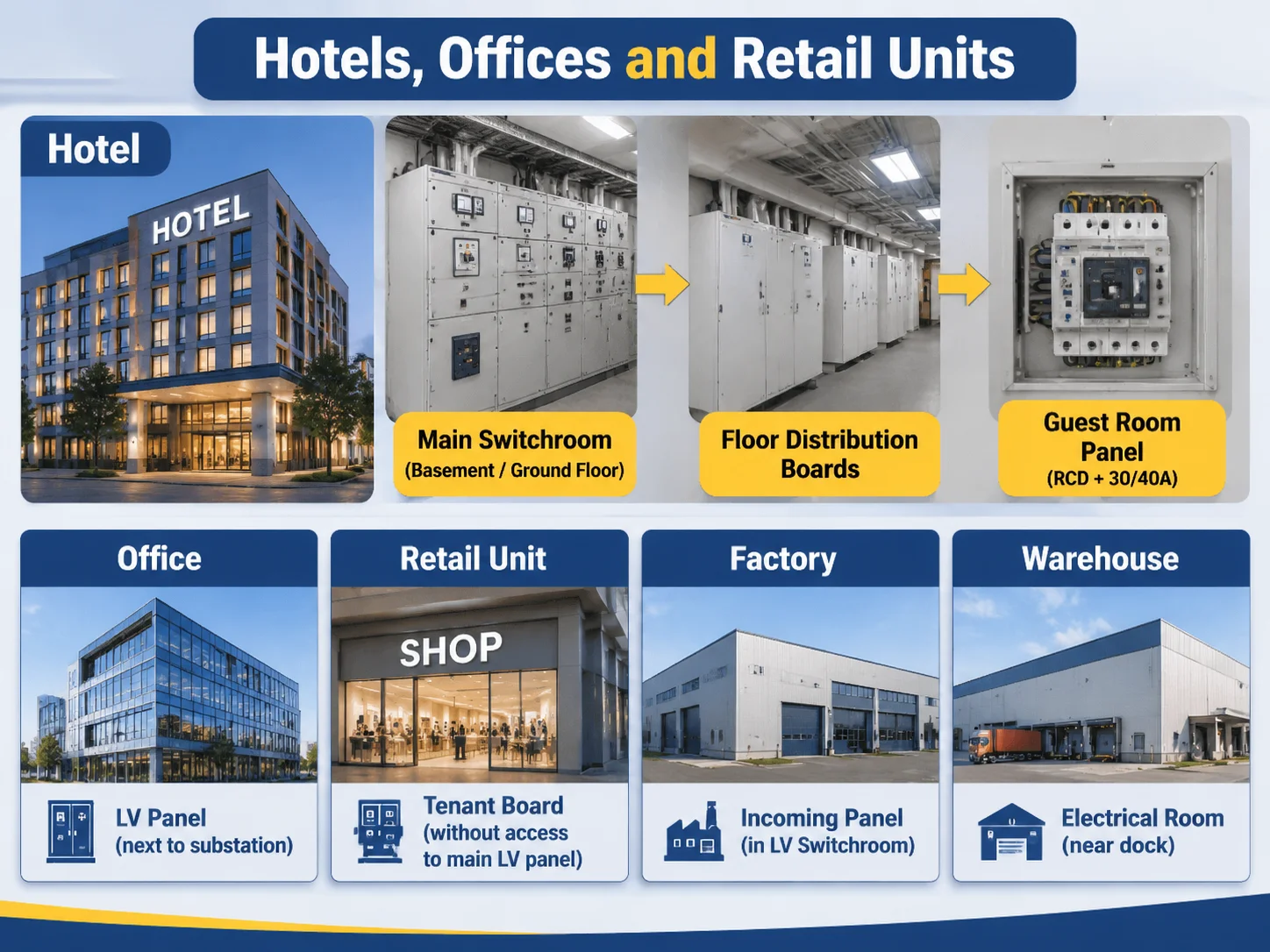
Hotels typically utilize more than one main switch, with there being at least three levels of switches within the hotel. The main switch used within a hotel environment is sometimes different than the main breakers that homeowners consider to be main breakers. In hotels, the incoming service is metered and switched from the main switchroom, which is generally located in the basement, or on the ground floor at the rear of the building.
The electrical service is then distributed to the various floors via up-rising distribution boards located in locked cabinets typically located in the corridor ceiling or within service shafts. Each hotel guest room has a small electrical panel with a RCD and 30 or 40 A rated circuit breaker located typically behind the door or in a wardrobe.
An office and a shopping centre retail outlet both have electrical systems that are built around a common framework, even though they may not use the same terminology. The electrical room contains the main Low Voltage (LV) panel, which is generally located next to the substation or incoming electrical supply, while the entry points to the LV panel can be found in the riser cupboards for each floor of the building. An interesting exception is the case of a retailer operating from a shopping centre because in this case, the retailer often has a sub-meter and tenant board, but does not have access to the main LV panel. The main LV panel is owned by the landlord and is located in a landlord switchroom, so retailers cannot reset their tripped supply and must contact the shopping centre’s facilities team to handle any outages or disruptions.
The reason why people specifying this type of electrical equipment will select the main LV panel first, is that the size of the LV panel will determine how much load can be safely supplied to the various electrical feeders located below the main LV panel. In most cases, a 1,600 A frame circuit breaker at the generator (incomer) will provide an adjustable trip setting. The trip setting is set to allow for co-ordination between the trip settings of the various feeders fed from the inverter or other similar equipment. In some cases, the location and route of the cables that feed the electrical equipment to the LV panel will determine which trip setting is used. An example of poor electrical coordination is a situation where the LV panel is located furthest away from the site of the load, creating a long run of unprotected cables from the LV panel to the load, which is contrary to the requirements of electrical code.
| Building |
Where the main sits |
Who may operate it |
| Detached House |
Service Panel Located at the Entry Point or Outside the Meter |
Owner can Operate |
| Apartment |
Consumer Unit Located at Hall; Riser Locked |
Tenant and then Landlord can Operate |
| Hotel |
Main Switchroom and Locked Floor Risers |
Facilities Team can Operate |
| Office |
Electrical Room Located Next to Substation and Riser Cupboards on Each Floor |
Facilities Team can Operate |
| Retail Unit |
Landlord Makes Available the Switchroom; Tenant’s Board is Located Inside the Unit |
Centre Management can Operate |
| Factory |
Incoming Panel Located in the LV Switchroom |
Authorised Person can Operate Under Permit |
| Warehouse |
Electrical Room is Located Near the Dock or Incoming Supply |
Site Manager can Operate |
Factories, Warehouses and the Plant Room
In Factory and Warehouses types of buildings, the main circuit breaker is located on the incoming panel in the LV switchroom, while the machine control panels located on the floor are downstream of the main circuit breaker. This is commonly misunderstood by maintenance personnel working in factory environments, where machine panels often have large rotary isolators located on the front, which may resemble the main disconnect for the machine. This, however, is not the case. The main circuit breaker for the factory is a separate device located in another room that is typically behind a door marked “for authorised persons only”.
Typically these setups consist of a transformer supplying an incoming panel to the LV switchroom, including a main circuit breaker, busbar and a series of outgoing feeders to motor control centres and distribution boards. For devices rated above 1,600 Amperes (A) the main devices are either fixed or withdrawable type air circuit breaker(s) (ACB), or large moulded case (MC) unit(s). The ACB(s) and MC units that we offer in this range (1,000 A – 1,600 A) are set for operation after commissioning and they are typically not altered after that point.
In some cases where there is a sufficient size to warrant a medium voltage (MV) substation, a second main circuit breaker (MB) is required in close proximity to the transformer primary. The second MB has a safety lock-out procedure. Using the lock-out procedure prevents the electrical supply from being unsafe if the MB is turned off. There is also a provision in the lock-out procedures that allows the secure disconnection of the transformer from the LV panel.
The electricity supply for warehouses is located between a domestic and an industrial application. A warehouse that is equipped as a distribution centre has their main circuit breaker (MCB) in a small room or area near the loading dock or incoming power supply. The MCB for warehouses typically has a capacity between 400 A and 800 A and the MCB configuration of the circuit breakers has been arranged to allow the fire department to safely isolate the supply without needing to enter the warehouse racking area.
Solar, Storage and the Second Main
When a building has a PV array or energy storage system, it will have two supply sources and therefore two locations to disconnect power. The AC side must follow the guidelines previously mentioned. The DC side has a specific disconnection point separate from the AC side and is frequently overlooked when people disassemble the inverter to locate the MB, as it will typically be in the form of a small grey electrical enclosure located next to the inverter.
Between the array and the inverter is the DC isolator, and normally, a second is located between the inverter and battery. Both are to be easily accessible and to be labelled as to their position, and both are rated by DC and not AC; thus, this is not something we can Ignore. A DC arc will not self-extinguish at the current zero point like an AC arc; therefore, a DC rated item will not have a chance of not failing to break the circuit entirely. The KNM7DC series of 1500V DC moulded case breaker is located between the array and inverter on larger scale arrays. The breaker is designed for use with various string configurations based on pole count and ratings.
Homeowners need to understand that when the inverter has the display still lit up, it means that the array is still producing power. Simply turning off the AC main switch will not stop the production of power. However, the operation of the DC isolator will stop the flow of current from the DC array into the inverter. The DC isolator is typically located next to the inverter instead of next to the CU (consumer unit).
What the Main Breaker Looks Like, by Device Type
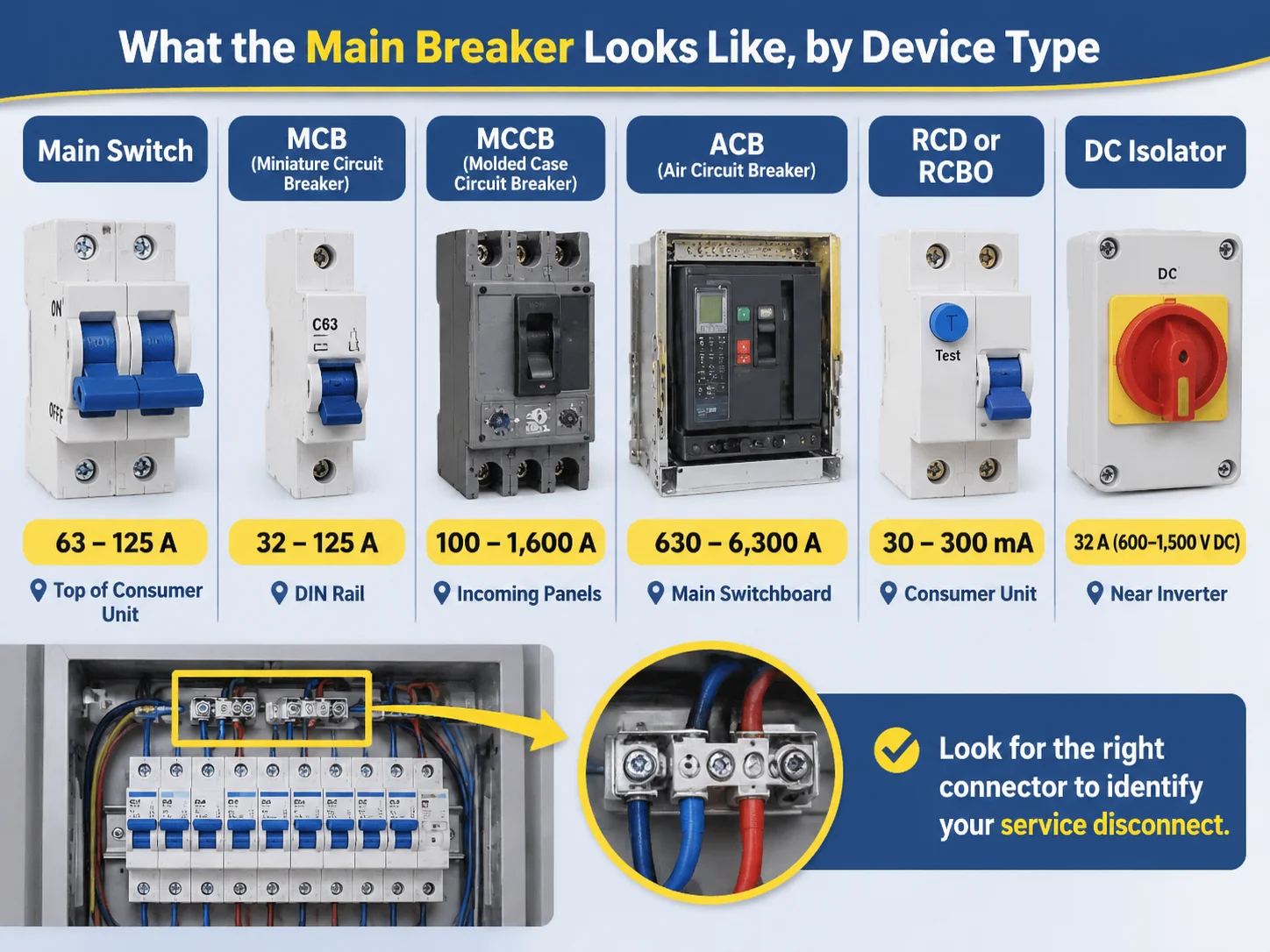
In order to determine the proper size main breaker for your solar installation, refer to the table below, as it will provide both size and rating for the devices and supply sizes. The rating listed is a commonly used size and does not represent the entire product offering. The following list provides the typical appearance, ampacity and location of devices used in high voltage electrical systems
| Devices |
Typical Appearance |
Typical Rating |
Typical Location |
| Main Switch |
Two or more large lever switches, no trip curves listed, marked ON-OFF |
63 to 125 Amps |
Top of Consumer Unit next to Main Meter |
| MCB (Miniature Circuit Breaker) |
Width of single module, trip curve lettering marked on front of the device |
32 to 125 Amps |
Snap-on DIN rail |
| MCCB (Molded Case Circuit Breaker) |
Box 100 – 200 mm wide with a toggle and an adjustable trip setting dial |
100 to 1,600 Amps |
Incoming Panels of Commercial/Industrial Facilities |
| ACB (Air Circuit Breaker) |
Draw out Chassis, spring charging handle, large Arcing Chute |
630 to 6,300 Amps |
Main Low Voltage Switchboard located in Plant Room |
| RCD or RCBO |
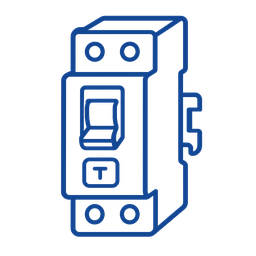
Device with a Testing Button labelled “Test” or “T”. |
30 to 300 mA |
Consumer Unit, Bathroom and Outdoor Circuits |
| DC Isolator |
Rotary Handle, Direct Current Rating Evaluated and Numbered, Often Grey IP65 and equivalent |
32 A rated at 600 V to 1,500 V DC |
Adjacent Inverter or Array |
32 Amps MCBs are often confused for being a Main Breaker that sits on top of a board, they can act as main to supply power to the board, and a Voltage (V) rating only applies to the board. In a Typical Application, it is common for Flats that are fed from one supply to use a DIN Rail Mounted 1P +N 32Amp Miniature Circuit Breaker which then would act to Protect/sub. Boards that are typically called Main Lug Only because they have no main breaker would not be considered defective.
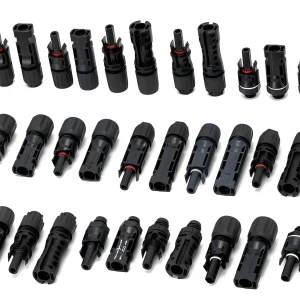
Place some electrical connectors on the panel near the top to ensure that you can identify completely—and easily—the type of service disconnect that is installed in the panel. Always use the proper connector to identify a service disconnect. There are times when the electrical disconnect is misidentified as a fuse or breaker panel. The two categories (breaker and fuse) are valid, but the type of electrical connector(s) that identify a service disconnect can differ between each type.
Main Breaker, Main Lug Only and Sub-Main
A sub-main circuit breaker panel will be located near the main circuit breaker panel and will have a rating below or equal to the main circuit breaker rating. On many occasions, the primary circuit panels are rated 200 amps; however, sub-main circuit panels rated 100 amps are frequently used for new construction or expanded residential applications. An important distinction between a sub-main circuit panel and a main circuit panel is that a tripped main will shut down all of the electrical systems in an installation. A tripped sub-main will only shut down the specific electrical system(s) that are associated with the sub-main.
A sub-panel was allowed for installation during the time that there was a need for the installation of multiple service disconnects. Therefore, if an old-building service disconnect uses six service disconnects grouped in an enclosure with separate handles and no main disconnect or is a designated service disconnect and was inspected many code cycles ago, that does not mean the service disconnect is broken; it simply means the building is older than the code that provided for the installation of a service disconnect using multiple service disconnects in a single enclosure.
Reading the Panel to Confirm It Is the Right One
Indicators of a service disconnect:
Four characteristics will indicate you have located the correct service disconnect instead of a sub-panel. The first is that you will only find the largest conductor (the incoming cable) connected to the service disconnect. Second, the incoming cable will be coming directly from the meter or service header (not another breaker). Third, the current rating of the circuit disconnect will either match or be more than the rated service size on the utility records.
As outlined by the National Electrical Code, NEC 408.4, the labelling on the panel will indicate the panel and its supply. Additionally, per NEC definition, there should not be any feeds coming from another panel within that building, thus making it clear that the installation is of a sub-panel type.
There’s a significant amount of value associated with the hand-drawn panel schedules because they provide real evidence of what someone actually found versus what the installer intended to be included in the schedule. If the schedule is missing or unreadable, the only honest way to identify the circuits is by switching them out, which requires the skill of a qualified person who has the help of a helper or a cell phone.
When You Cannot Find It, or Cannot Touch It
Most of the time when a person encounters trouble finding a main, it will be due to one of three situations. The first is that the panel may be obscured by furniture or built-ins and has effectively been sealed off. The second scenario is if the panel is located in a meter box and could only be opened with a utility key. The third scenario is if the building is a leasehold unit, where the main panel belongs to the landlord, and therefore the tenant will have access to a sub-board only.
In the first circumstance, the installation must be made accessible (as required by code), and in the second case, it is the responsibility of the utility/service company. Please note that an inspection of a meter box requires the use of a meter box seal, so please do not attempt to take any shortcuts. In the final case, the limit of the tenant’s board will be the limit of the resetting of circuits, and anything above or upstream of that point must be handled via the landlord.
Our product and application FAQ page has a list of frequently asked questions regarding finding and working with a main, including panel label requirements and shared boards. You can find these questions listed by device family rather than marketing topic.
Turning It Off and Back On Without Making It Worse
When it comes to safely switching a main off, you must turn off the load first to avoid potentially making things worse. You may switch the main off with a load still on without any real danger (as is true on today’s modern systems), but this can produce excessive noise, cause arcing or wear from the contacts being stressed, and potentially trip the upstream circuit breaker on older panels. Therefore, the safest order to turn off the main panel and prevent all three issues would be first to turn off each individual circuit, then turn off the main panel.
Restoration after an outage is where people often get confused and make a mistake, causing the system to likely develop a second fault. If you attempt to reset an electrical panel and the main circuit continues to trip after the individual circuits are turned off, the issue is likely in the electrical panel or the power supply and will require the expertise of a licensed electrical contractor rather than a simple reset. If the main circuit remains without tripping while all of the circuits are turned off and the main circuit trips when one of the circuits is turned back on, you can isolate that circuit and keep it off until you have it repaired. Continuing to reset the main circuit back into a condition known to produce arcing will most likely create a burned busbar. Such a burned busbar is deemed a replaceable part, while arcing from electrical connections is typically classified as a repairable component.
Finally, in structures where generators or transfer switches are utilized, there is one more piece of caution to note. Simply because the main circuit goes into an “off” state, that may not necessarily mean the entire electrical panel is deenergized. Many times, with transfer switch applications, the electrical panel can still be receiving power from the generator until the transfer switch closes. If you want to open the service disconnect, the transfer switch is the only way to do so. The main breaker is a part of that service disconnect, and it’s necessary for isolating the building.
FAQ
Where can I find my main breaker?
You can find your main breaker by looking for your service disconnect. The location of the service disconnect will be determined by the position of the service conductors. Most likely, the main breaker will be located inside an exterior wall behind your electric meter or inside a garage or utility room. If there is no breaker at the top of the panel but a large wire coming into the panel on the lugs, then the main breaker will be located at the meter.
Can I reset my home’s main breaker?
Yes, you can reset your home’s main breaker if it has tripped (not broken), but you cannot reset it to your own service panel. First, turn off all branch circuits and allow the main breaker switch to move to the fully off position (clicking as it does). After that, switch the main breaker back on again. Next, restore the branch circuits one by one. If the main breaker trips again with the branch circuits in the off position, then you must stop and call an electrician.
Is it safe to turn off my main breaker?
Yes, it is safe to turn off your main breaker prior to doing any work on your own electrical installation; however it does not provide safety for working on your electrical installation due to the fact that even after you turn off the main circuit breaker, the incoming wires will remain energized until your utility disconnects the electric meter. In addition, both a generator and solar panels can back-feed the main busbar. The components required for isolating work include a “Main” disconnect, the transfer switch, and, where applicable, a DC isolator.
Are all homes supplied with a main breaker?
Not necessarily. If the home has an outside service disconnect, often referred to as a main lug panel, then many older setups may have six grouped disconnects but no single main breaker. A flat fed from a landlord’s supply usually has a main switch located at the panel, rather than an outdoor service disconnect. Consequently, the absence of a main breaker is considered a design choice rather than an error.
Where is the main breaker located in an apartment?
Typically located inside the apartment, either in the entrance hall, a utility closet, or at the top of the consumer unit. The main disconnect for the entire building usually has a locked door and is located within the building’s riser/switchroom and belongs to the landlord/utility, and is not something that the tenant should access
Why would you have a main breaker outside of the building?
The main service disconnect may have to be installed outside per local code requirements and/or due to a landlord’s style. Many local codes require that outside meters be accessible to utilities. The indoor breaker normally acts only as a main lug, so the outdoor switch is responsible for de-energising the service.
References
Conclusion
The main breaker is usually the first point of connection for a service, with all other items connected to the service thereafter; whether it is a home, garage wall, basement, flat, hallway consumer unit, hotel, riser/switchroom, factory LV room, or solar array; the second main should be located on the DC side of the first one for anybody to find in the event of an emergency.
Two things to check before you need them: What type of switch you found (service/disconnect vs. sub-main), which you can determine in 5 seconds by looking at the incoming cable; and whether or not it actually disconnects everything, which it never will unless installed within any structure that contains a generator, transfer switch or array on its roof.

 Pronto Energy
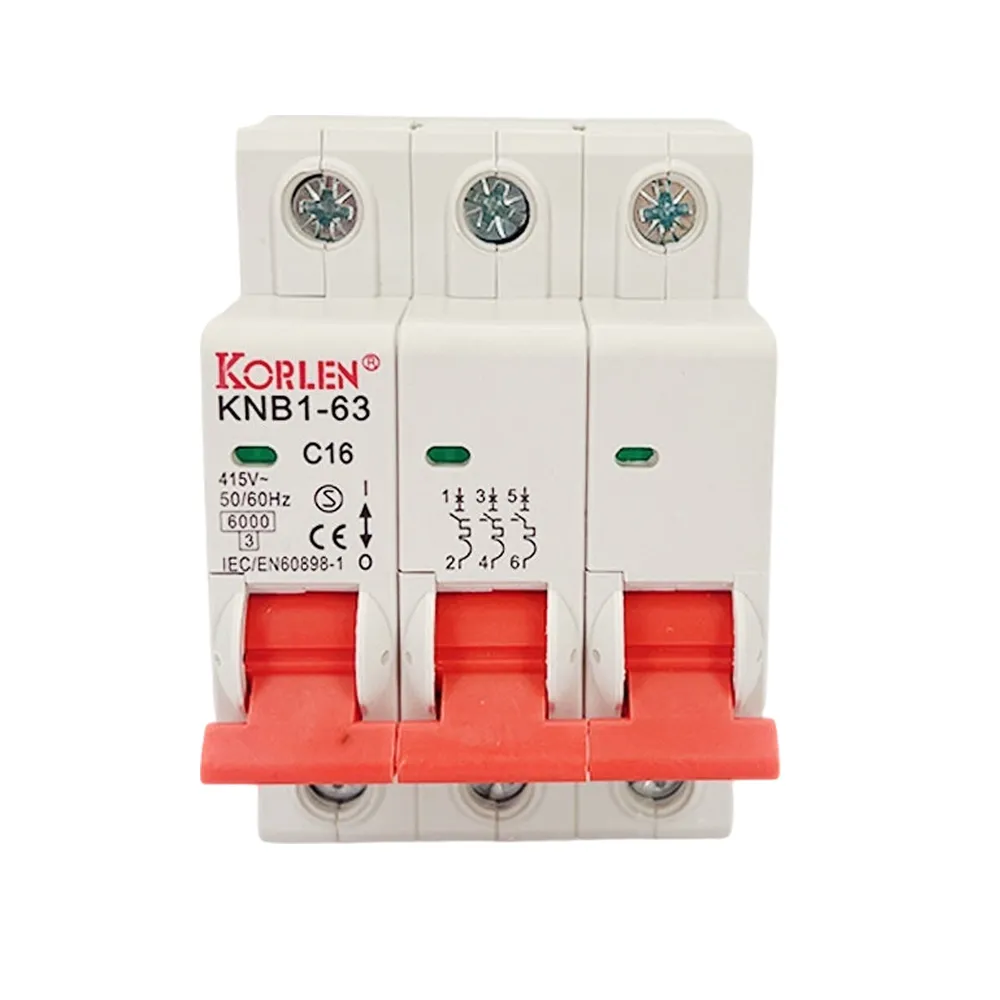 32–63A MCB 3P 3kA Type B/C/D KNB1-63 Korlen
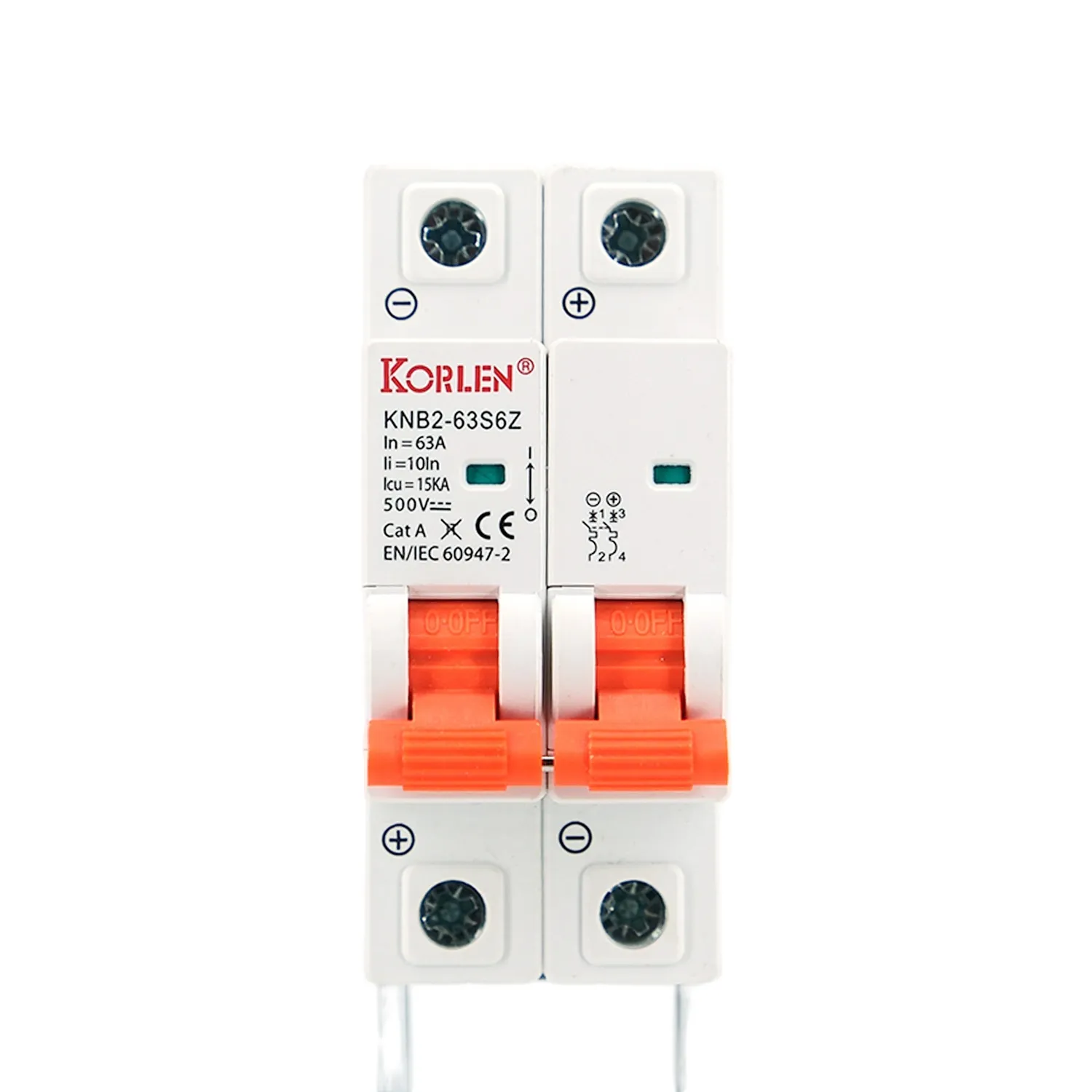 32–63A PV DC MCB 2P 15kA KNB2-63S6Z Korlen
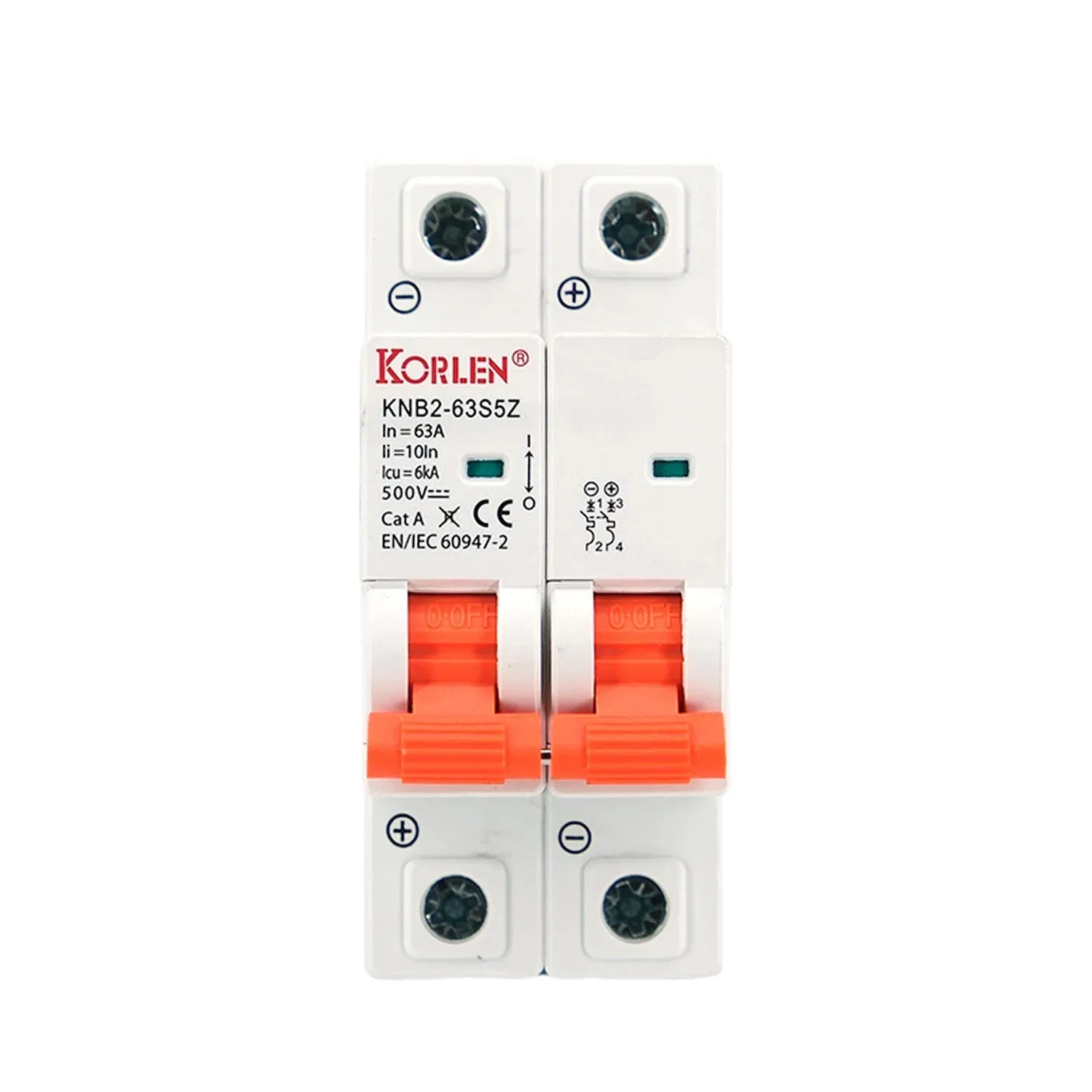 6–25A DC Miniature Circuit Breaker 2P 6kA KNB2-63S5Z Korlen
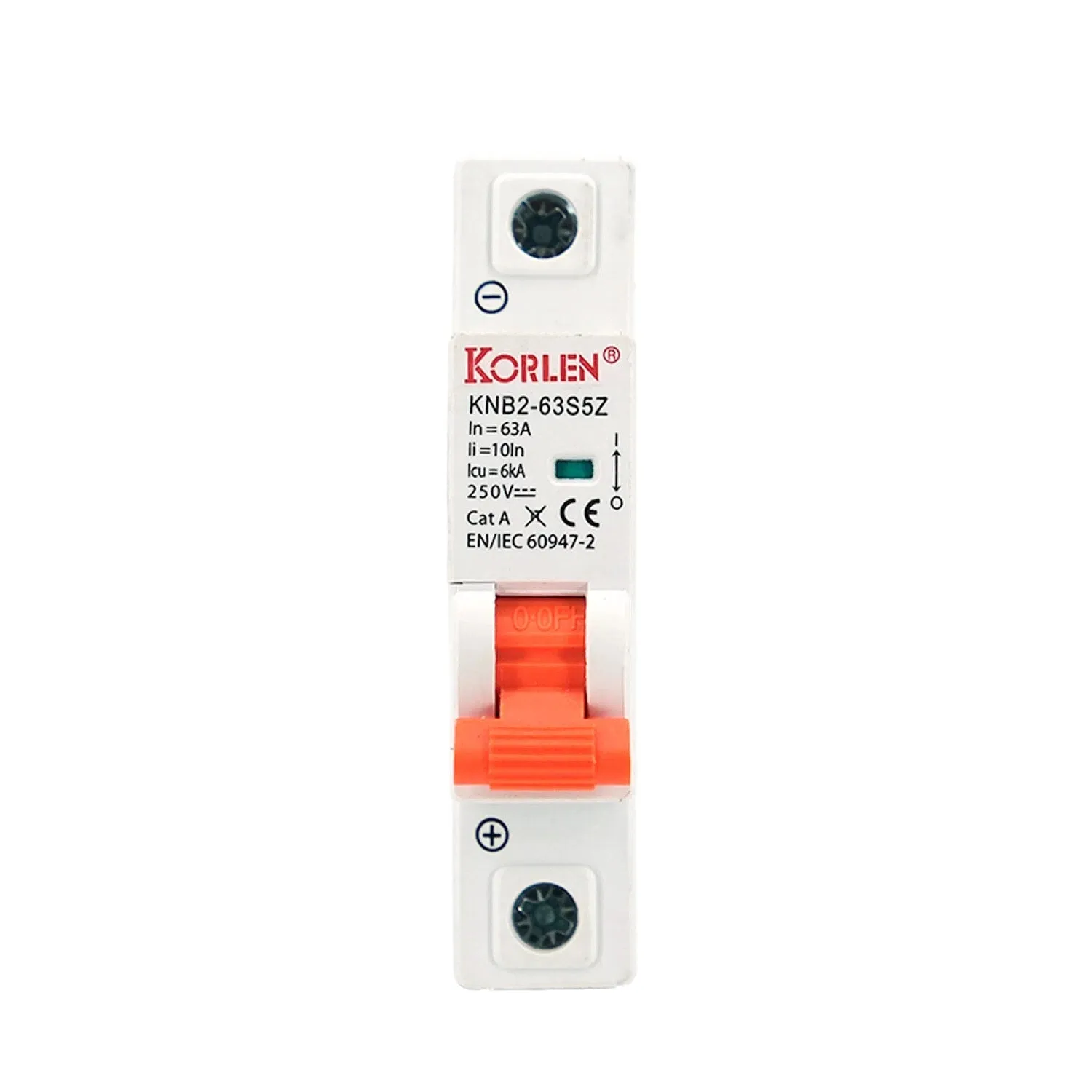 DC Miniature Circuit Breaker 1P 6–25A 6kA KNB2-63S5Z Korlen
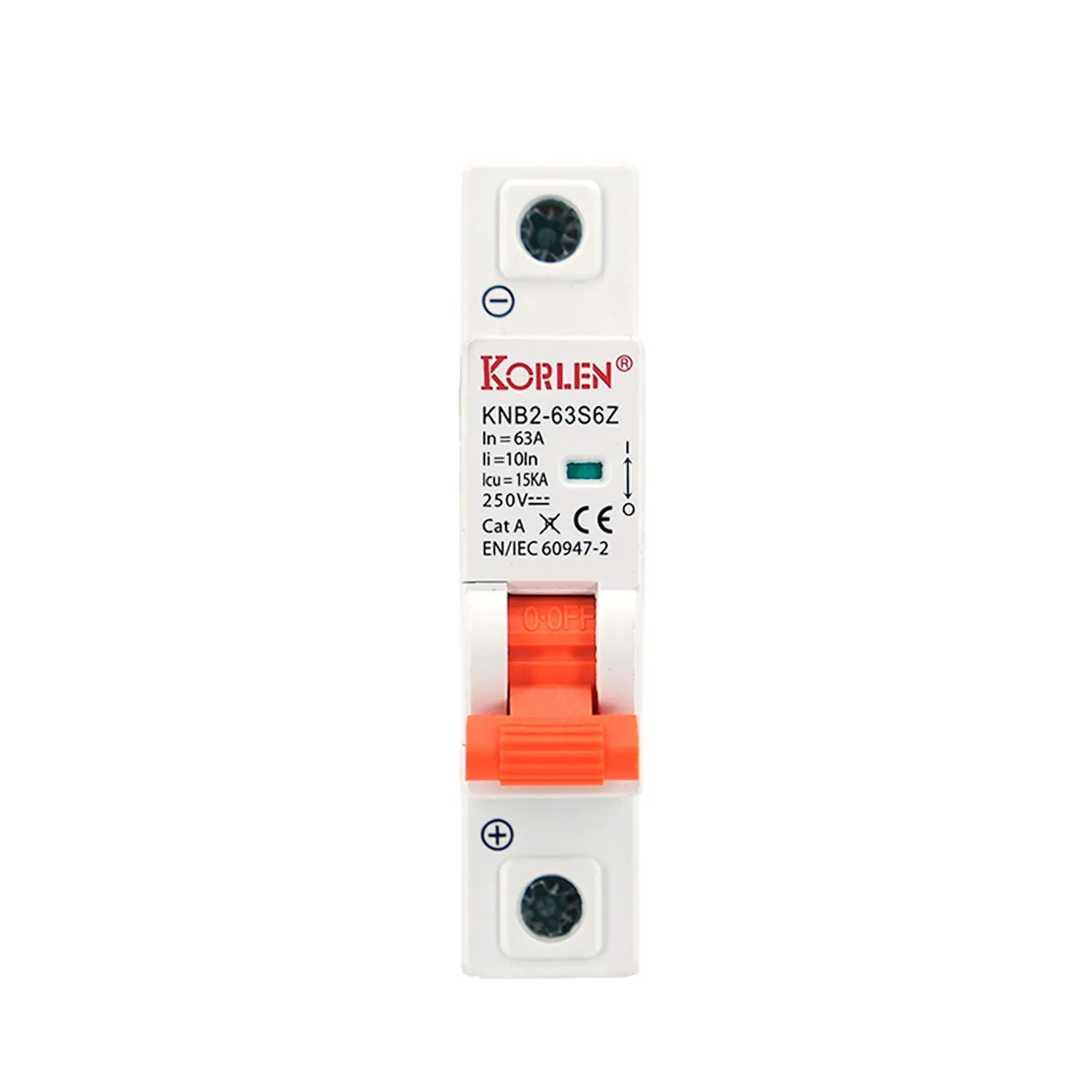 DC Miniature Circuit Breaker 1P 6–25A DC Rated KNB2-63S6Z Korlen
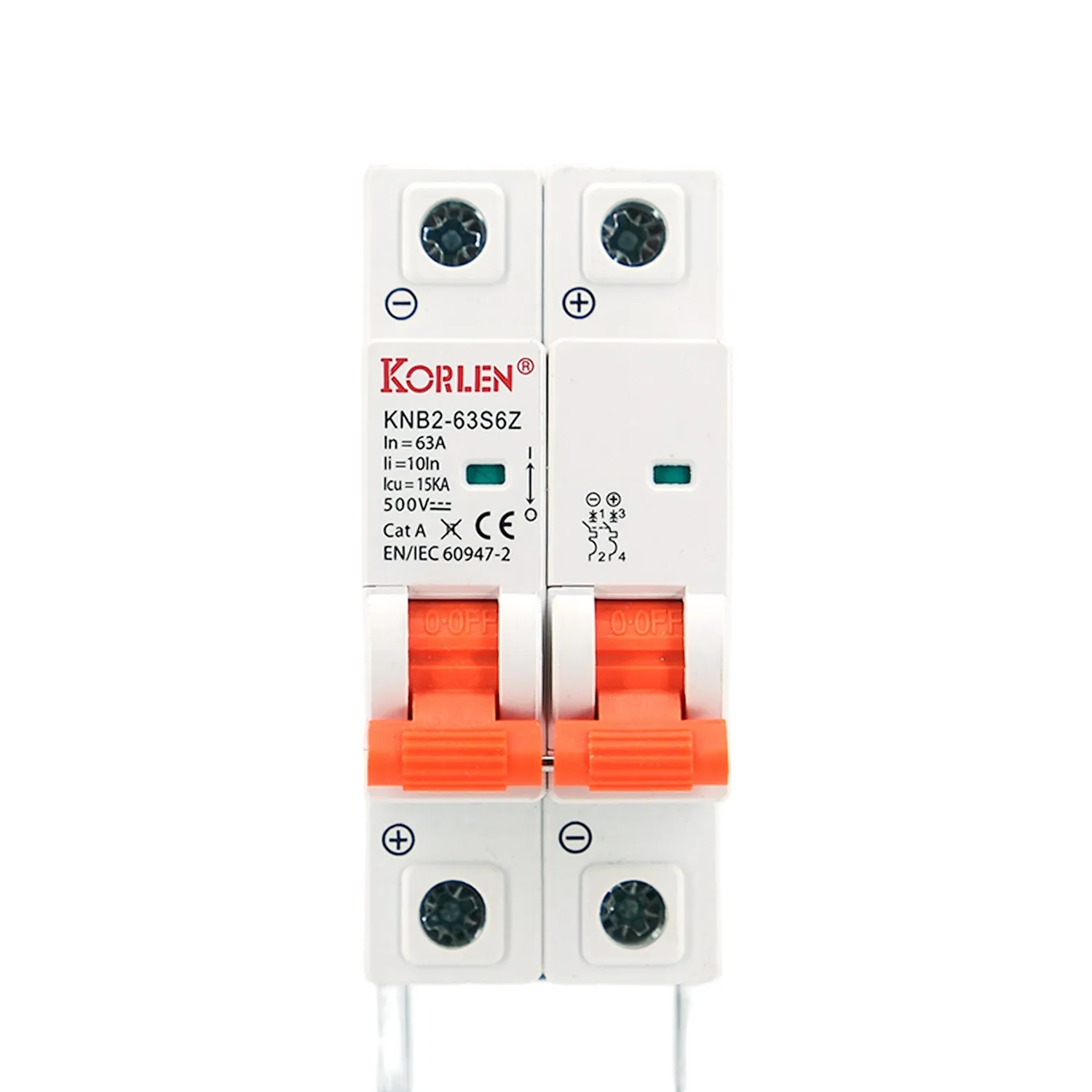 DC Miniature Circuit Breaker 2P 6–25A for Solar PV Strings KNB2-63S6Z Korlen
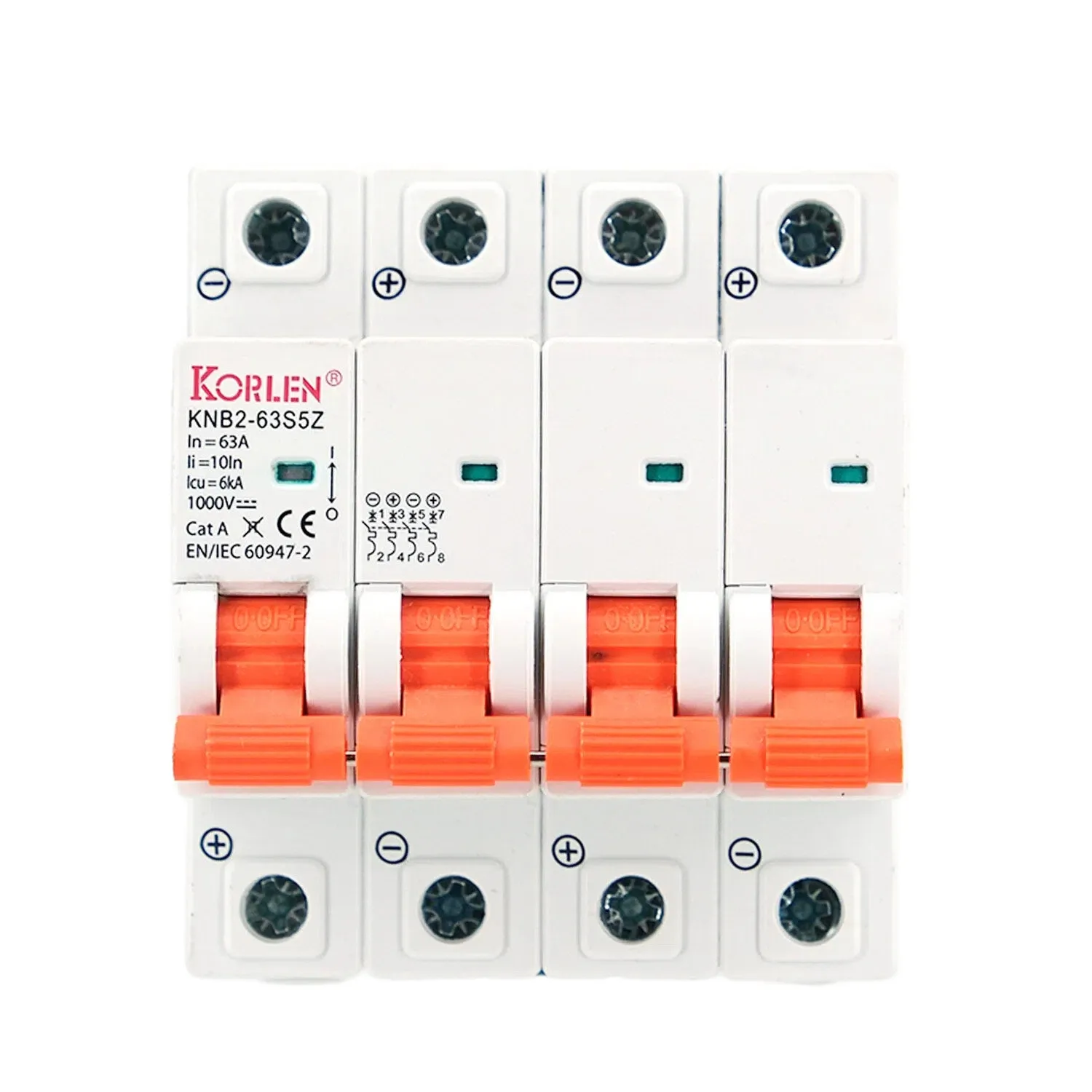 DC Miniature Circuit Breaker 4P 6–25A 6kA for Battery and PV Circuits KNB2-63S5Z Korlen
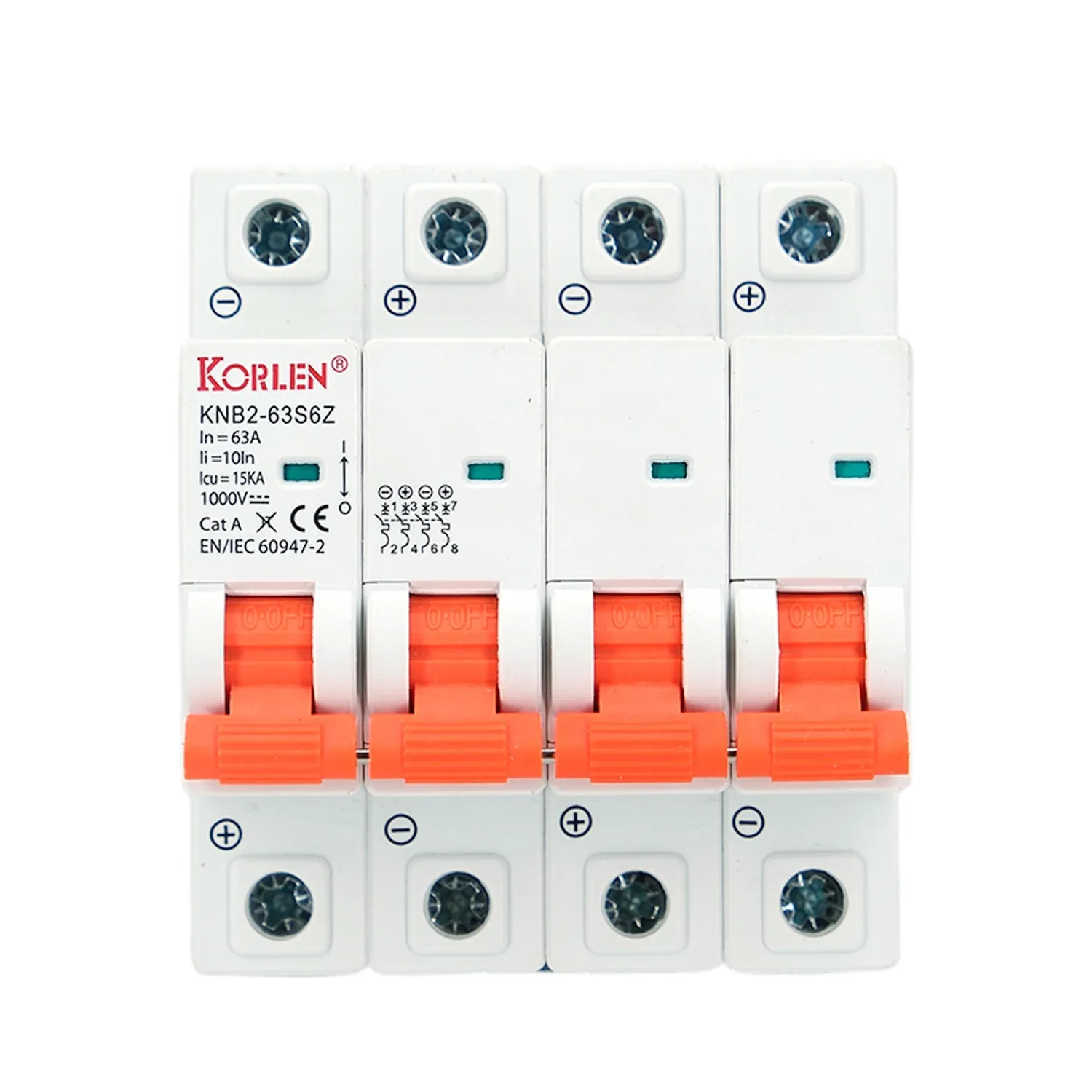 DC Miniature Circuit Breaker Four Pole 6–25A 15kA KNB2-63S6Z Korlen
Molded Case Circuit BreakersAC and DC moulded case breakers from 16A to 2000A, 2P to 4P, up to 690V AC and 1500V DC, for main and sub-main distribution.All Products
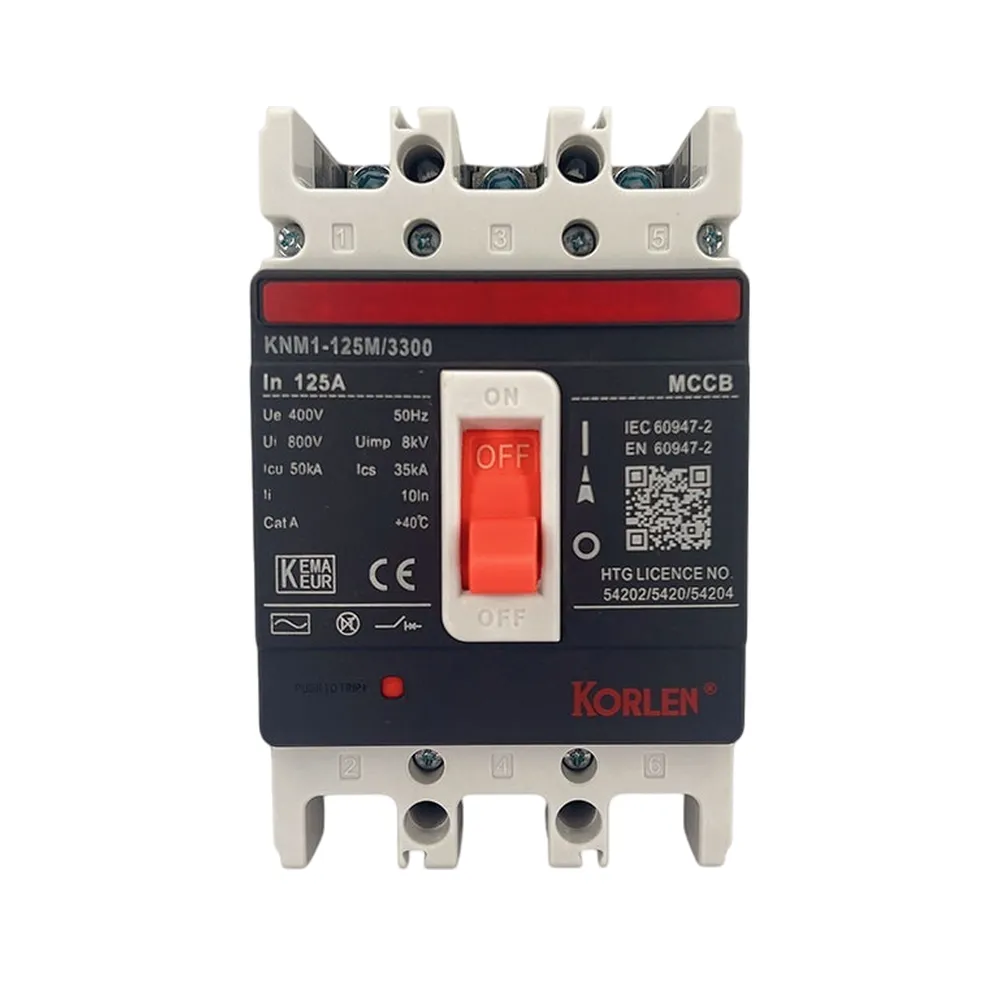 1000–1600A 3P MCCB 690 V AC KNM1 Korlen
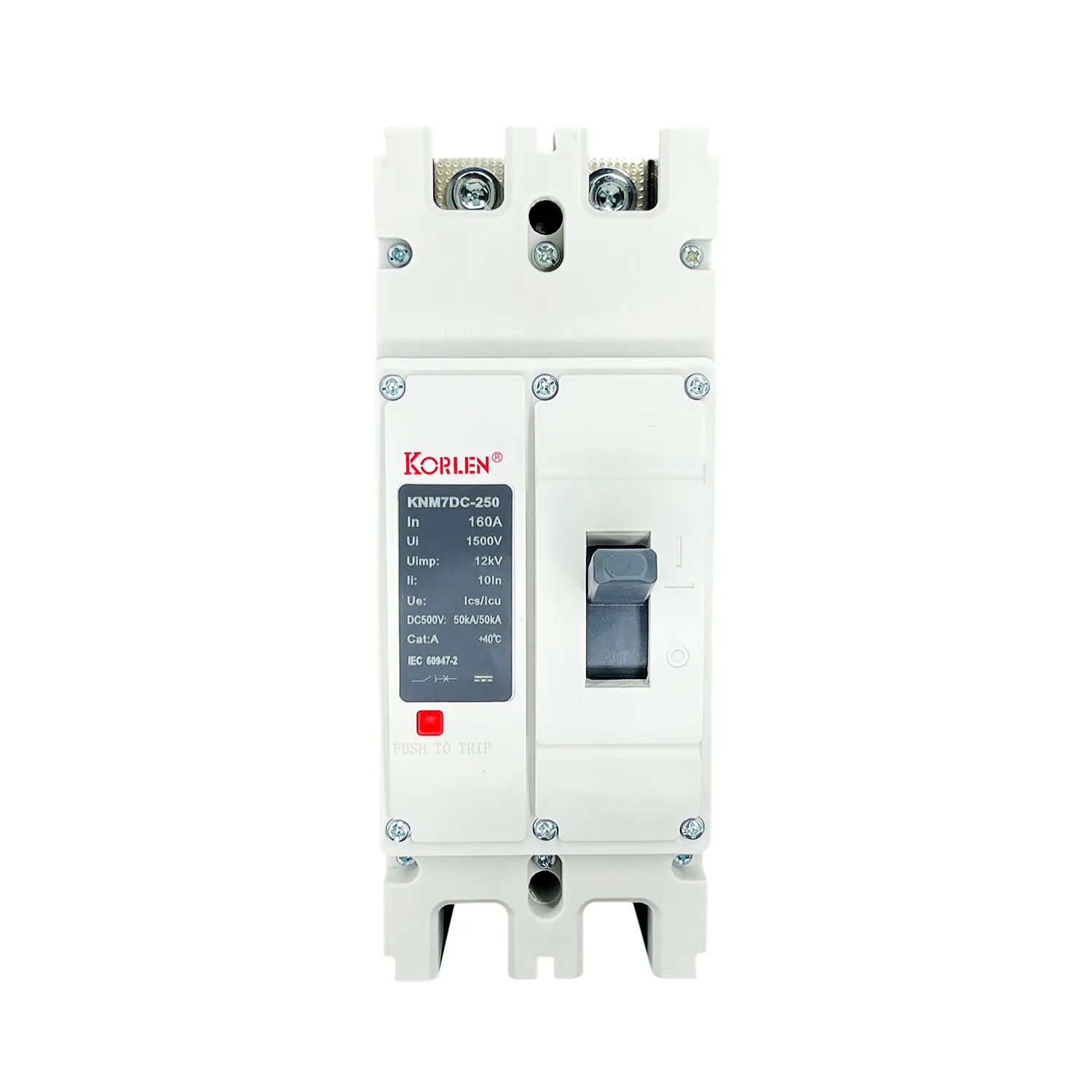 250–400A DC MCCB 2P / 3P 500 V DC KNM7DC Korlen
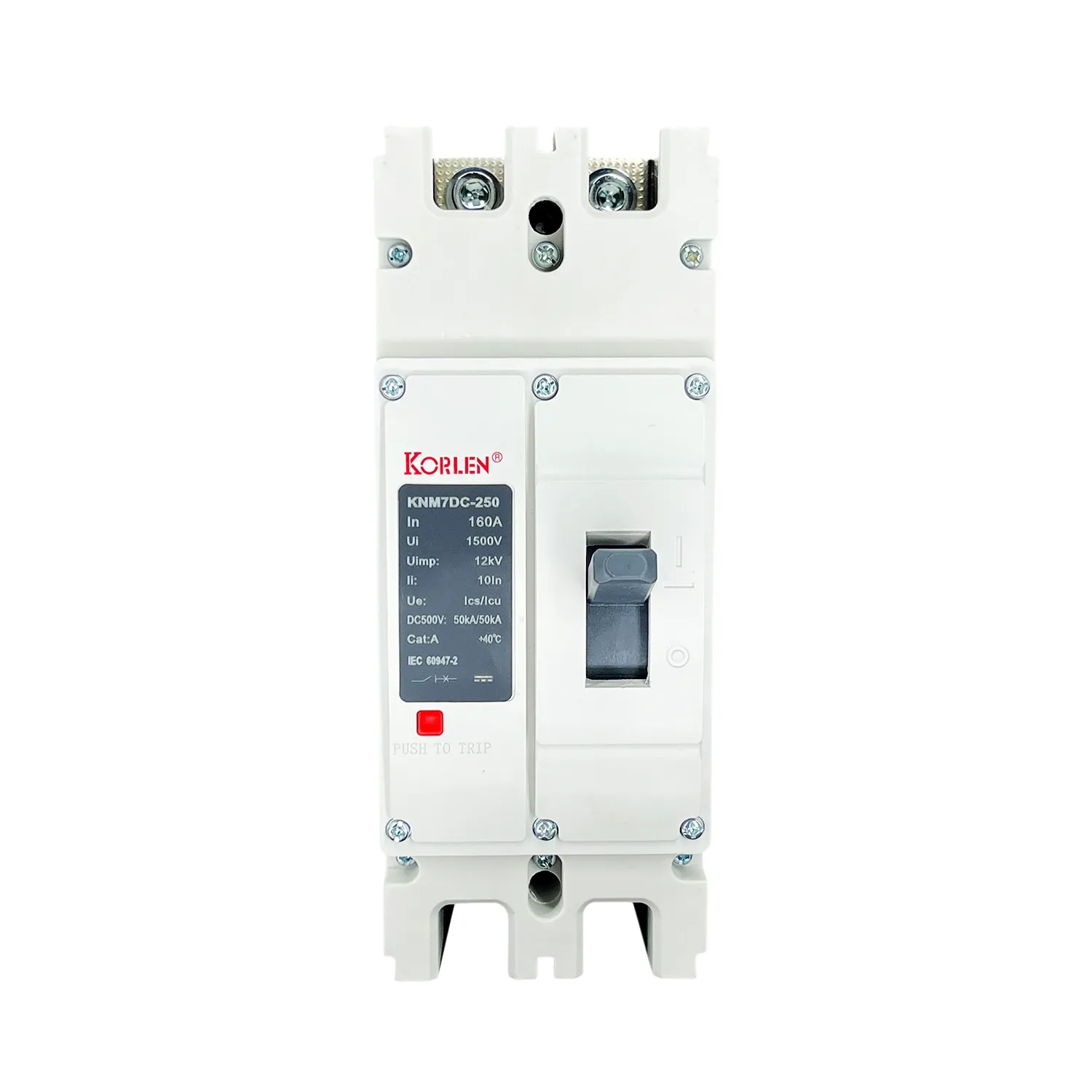 630–800A DC Moulded Case Breaker 2P / 3P 1000 V DC KNM7DC Korlen
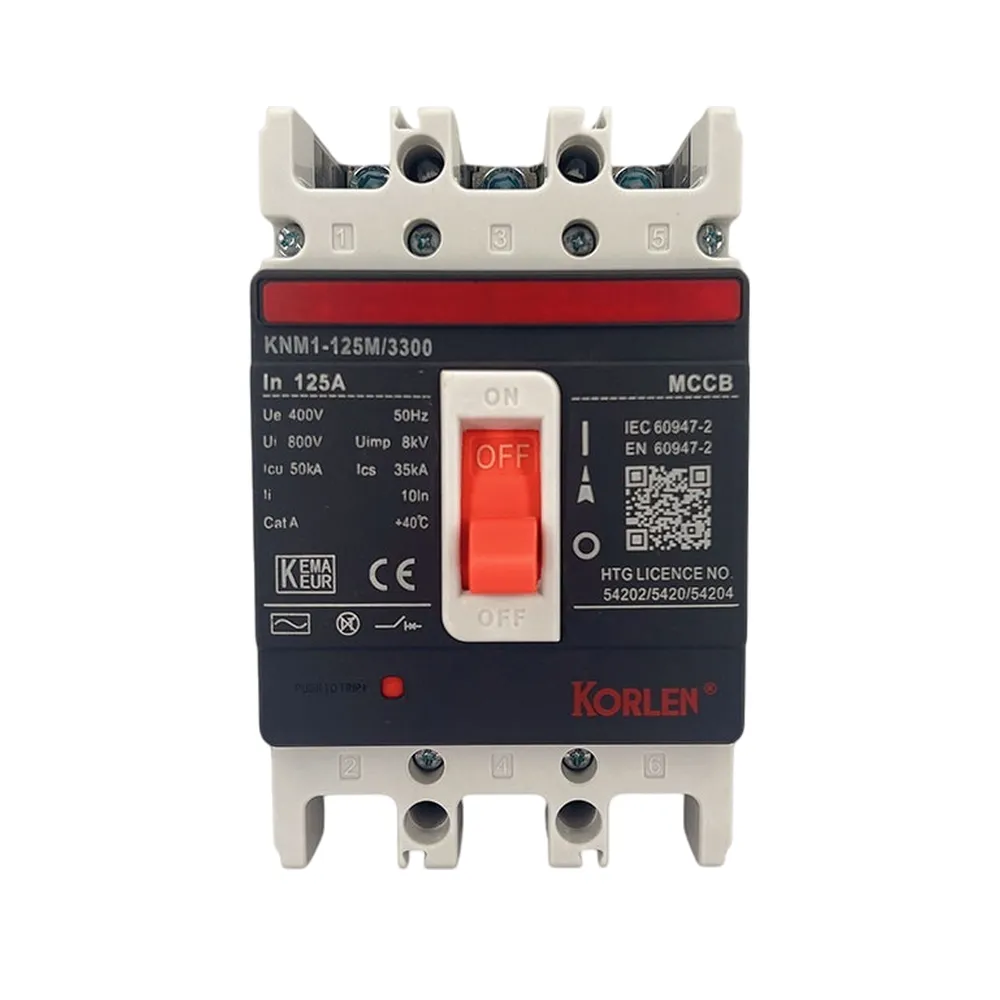 Compact Circuit Breaker 3P 2000A 690 V AC DIN Rail or Panel Mount KNM1 Korlen
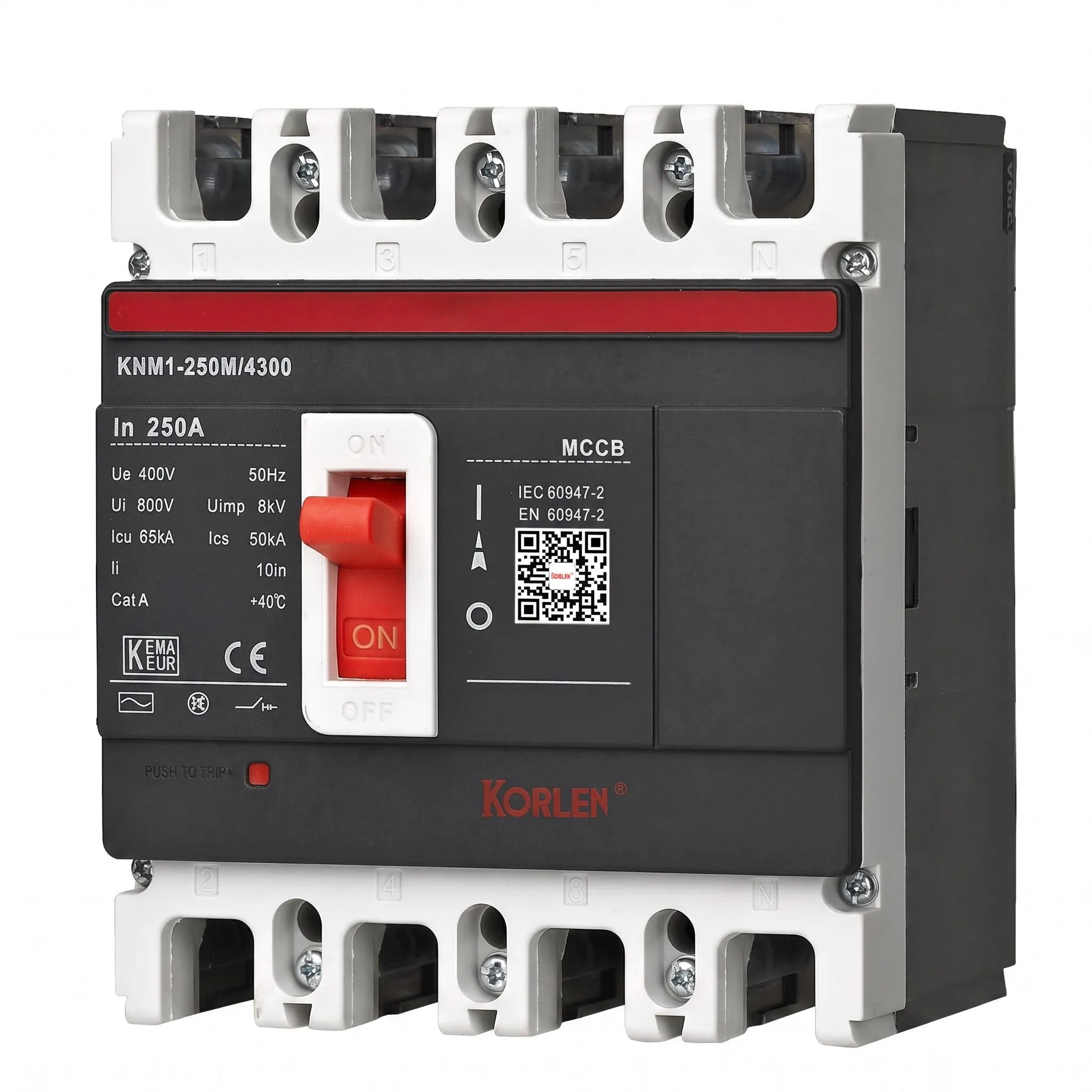 Compact Circuit Breaker 4P 2000A for Main Distribution KNM1 Korlen
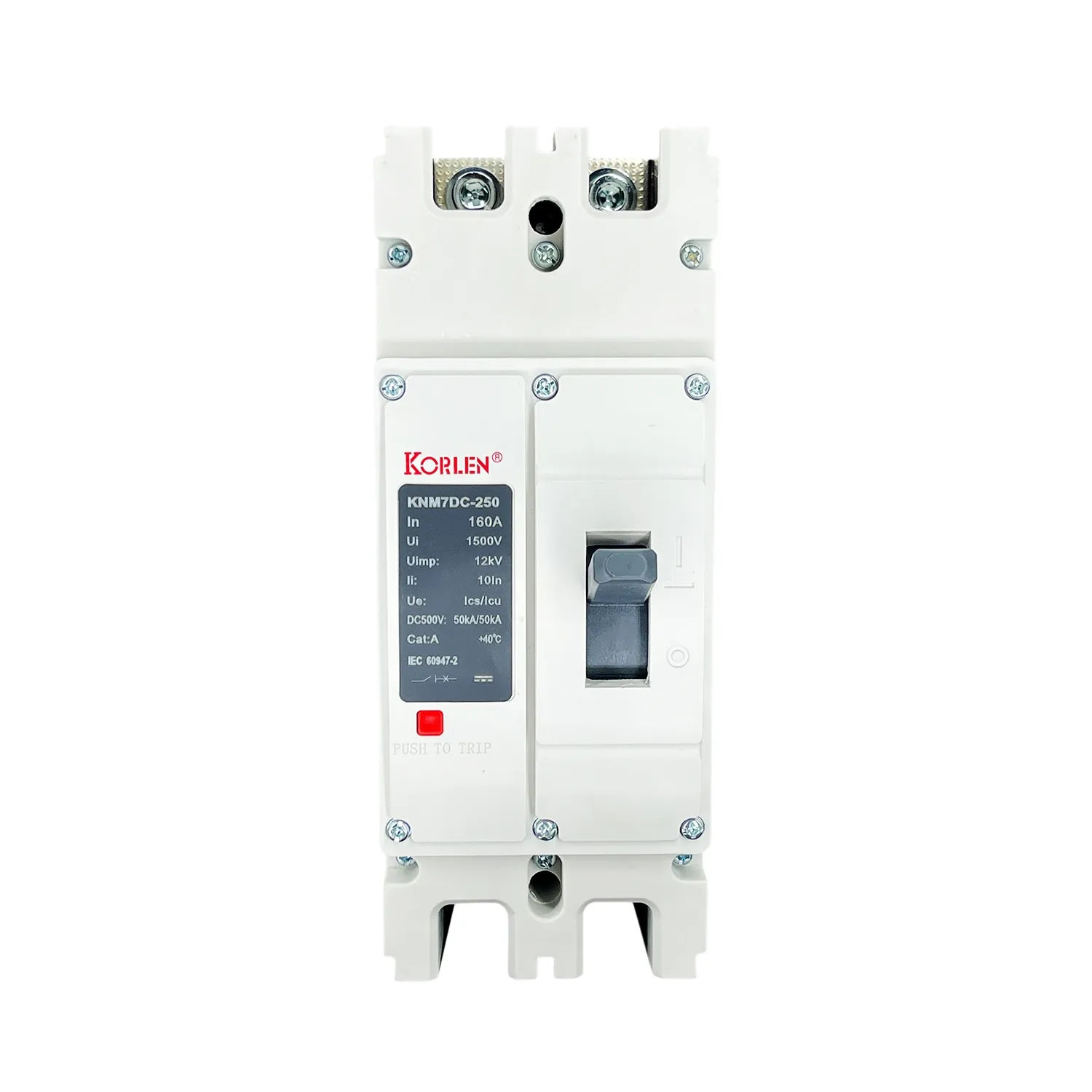 DC Compact Circuit Breaker 2 or 3 Pole 400–630A 500 V DC KNM7DC Korlen
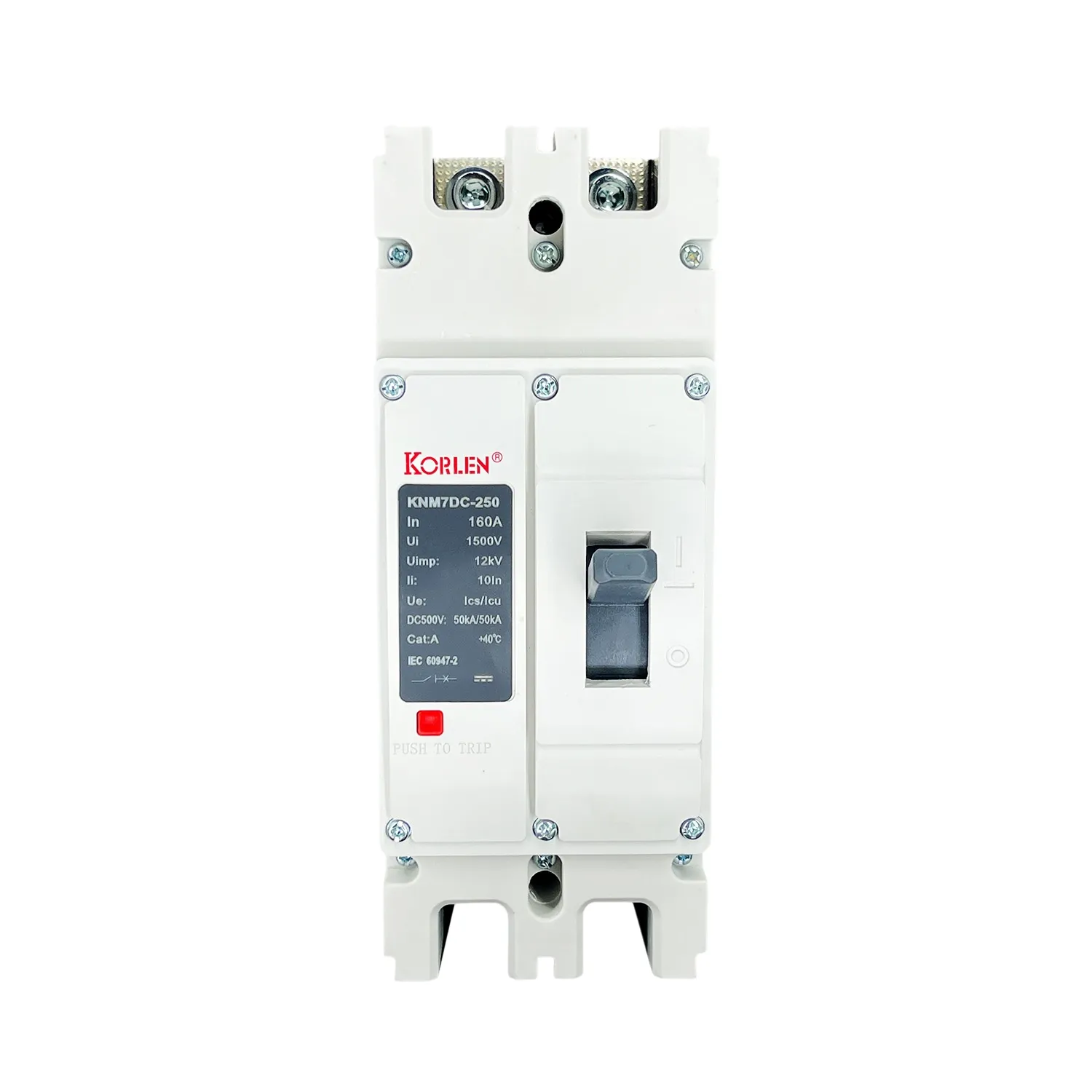 DC Compact Circuit Breaker 2P / 3P 400–630A 1500 V DC, for PV and Storage KNM7DC Korlen
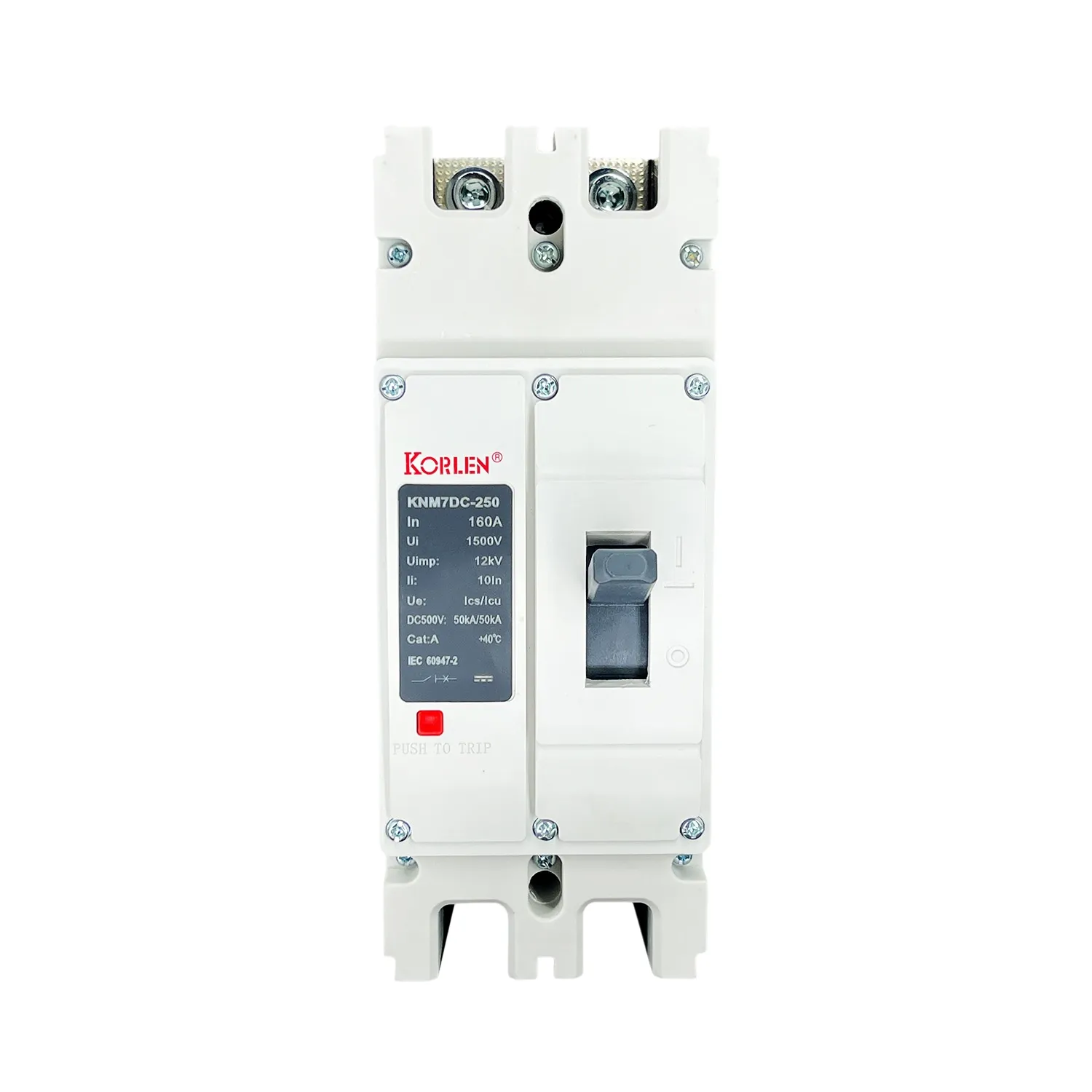 DC Compact Circuit Breaker 2P / 3P 400–630A for DC Distribution KNM7DC Korlen
Residual Current Circuit BreakersTwo and four pole RCCBs from 63A to 125A, Type A, B and AC, for earth leakage protection in single and three phase distribution boards.All Products
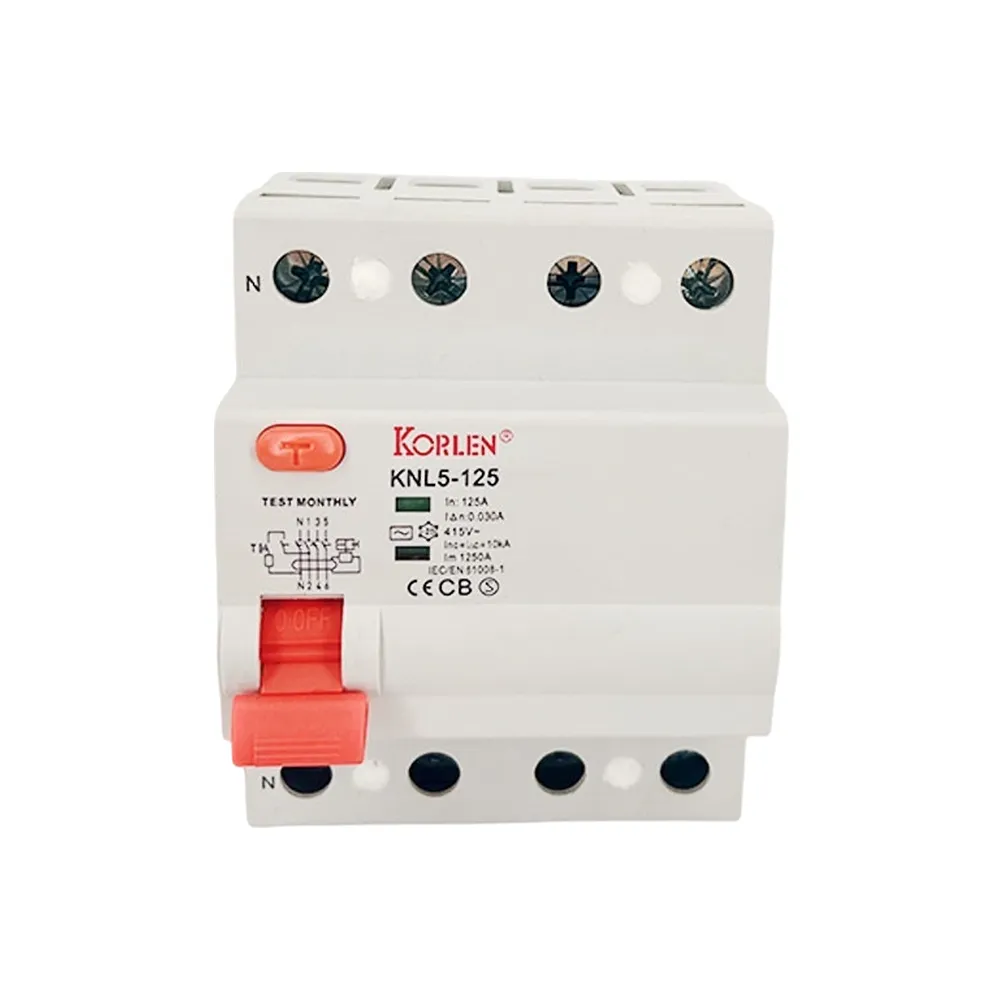 100–125A RCCB 4P Type A KNL5-125 Korlen
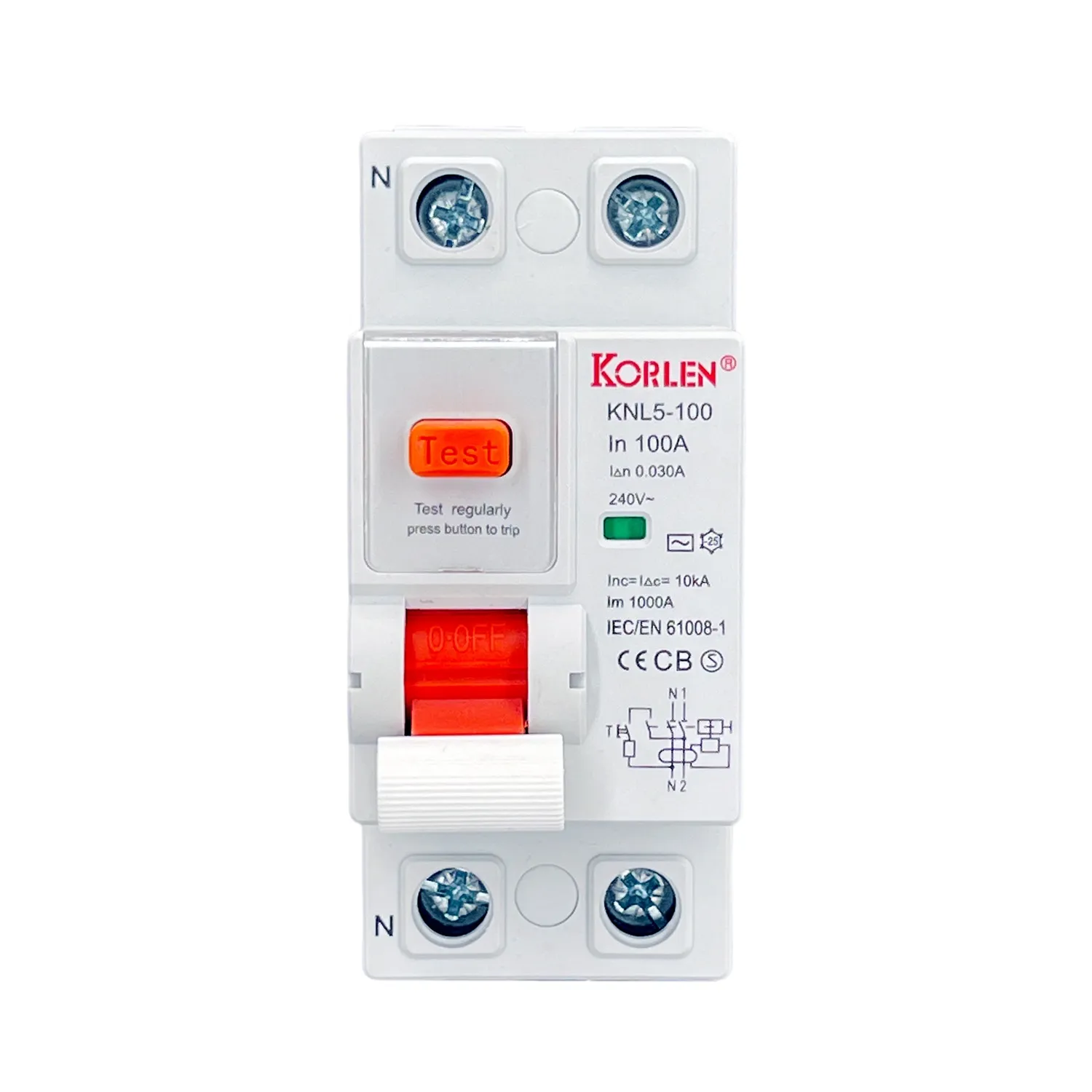 2P RCCB Circuit Breaker Type B 100–125A KNL5-100 Korlen
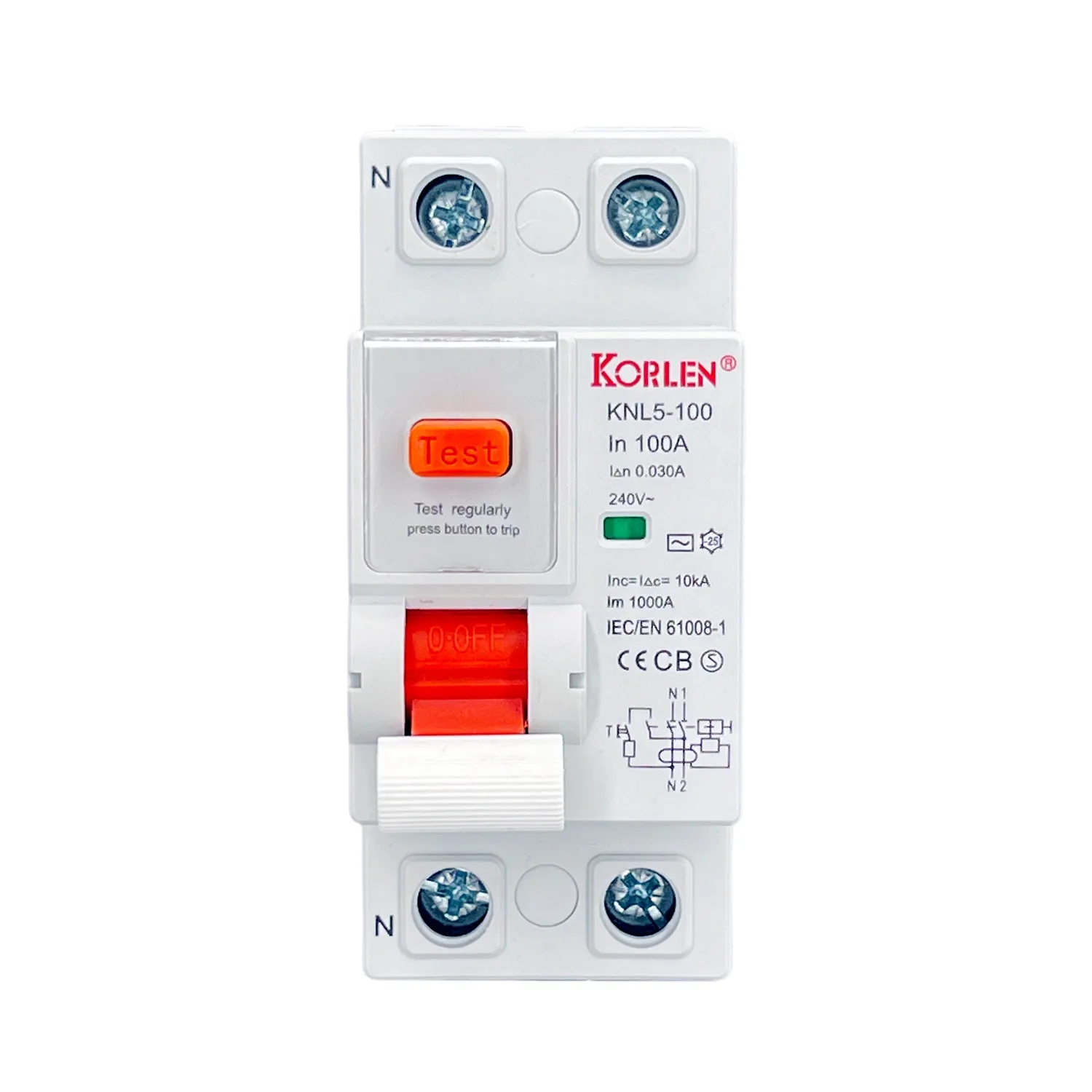 2P Residual Current Circuit Breaker Type A 63–100A KNL5-100 Korlen
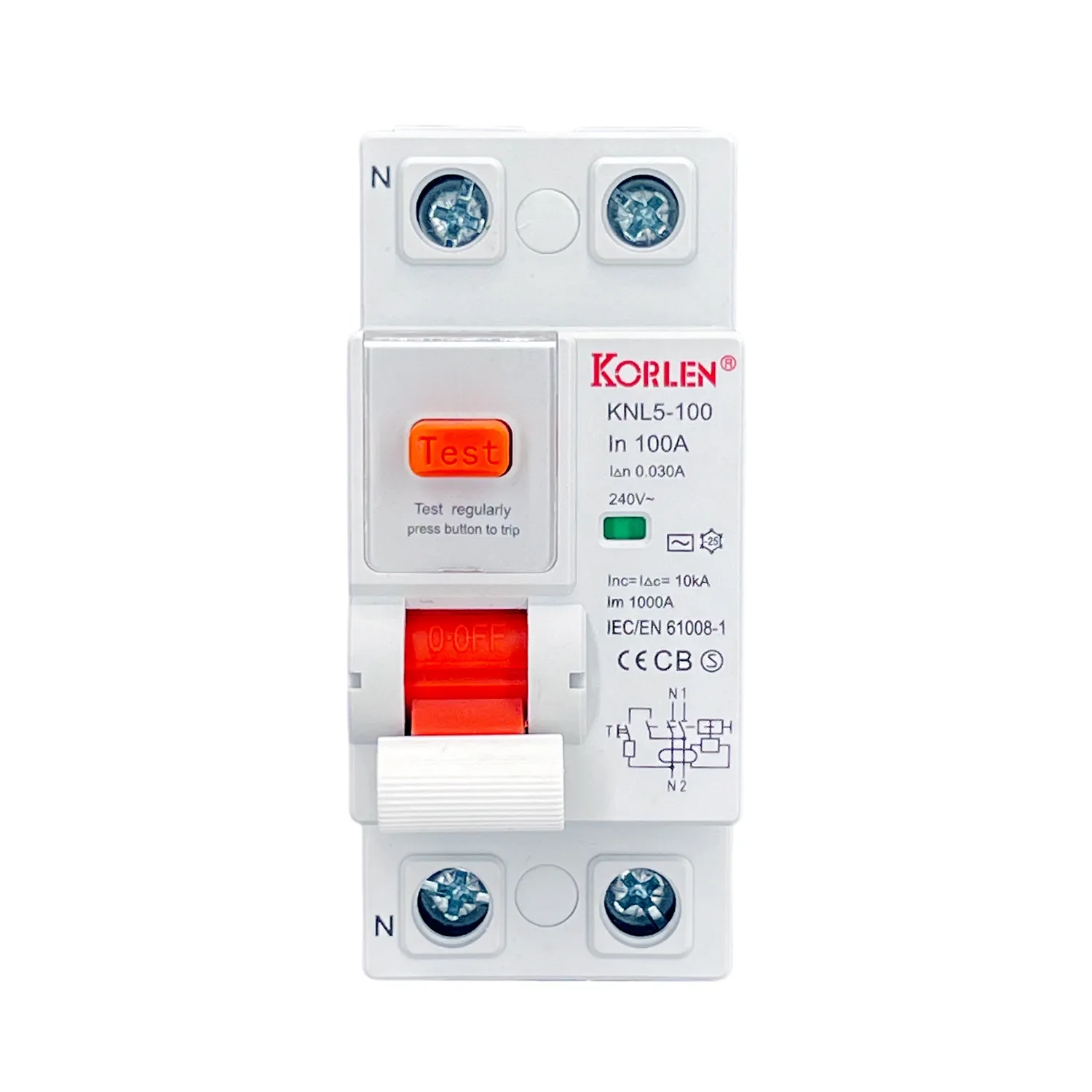 63–100A Residual Current Circuit Breaker 2P Type B KNL5-100 Korlen
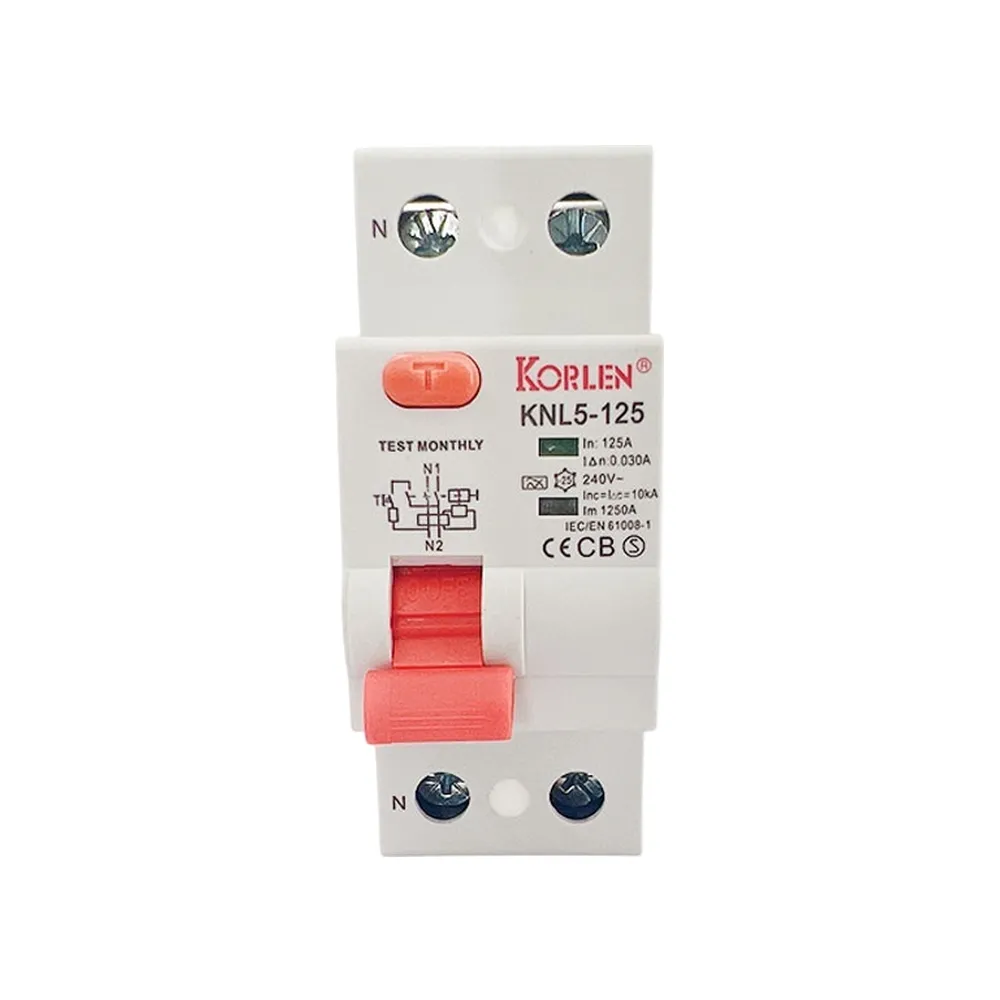 Double Pole Residual Current Breaker 100–125A Type A KNL5-125 Korlen
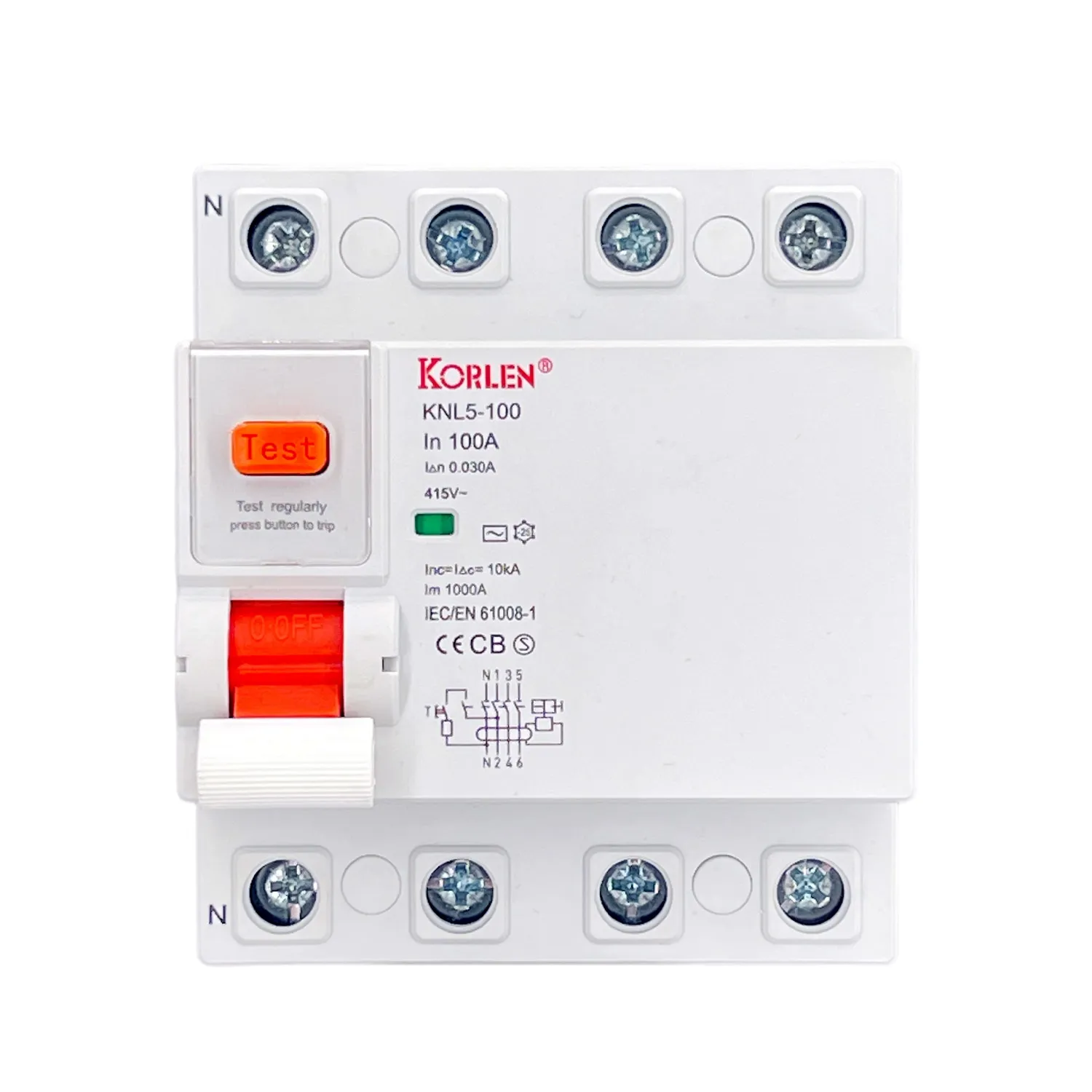 Four Pole RCCB 100–125A Type A KNL5-100 Korlen
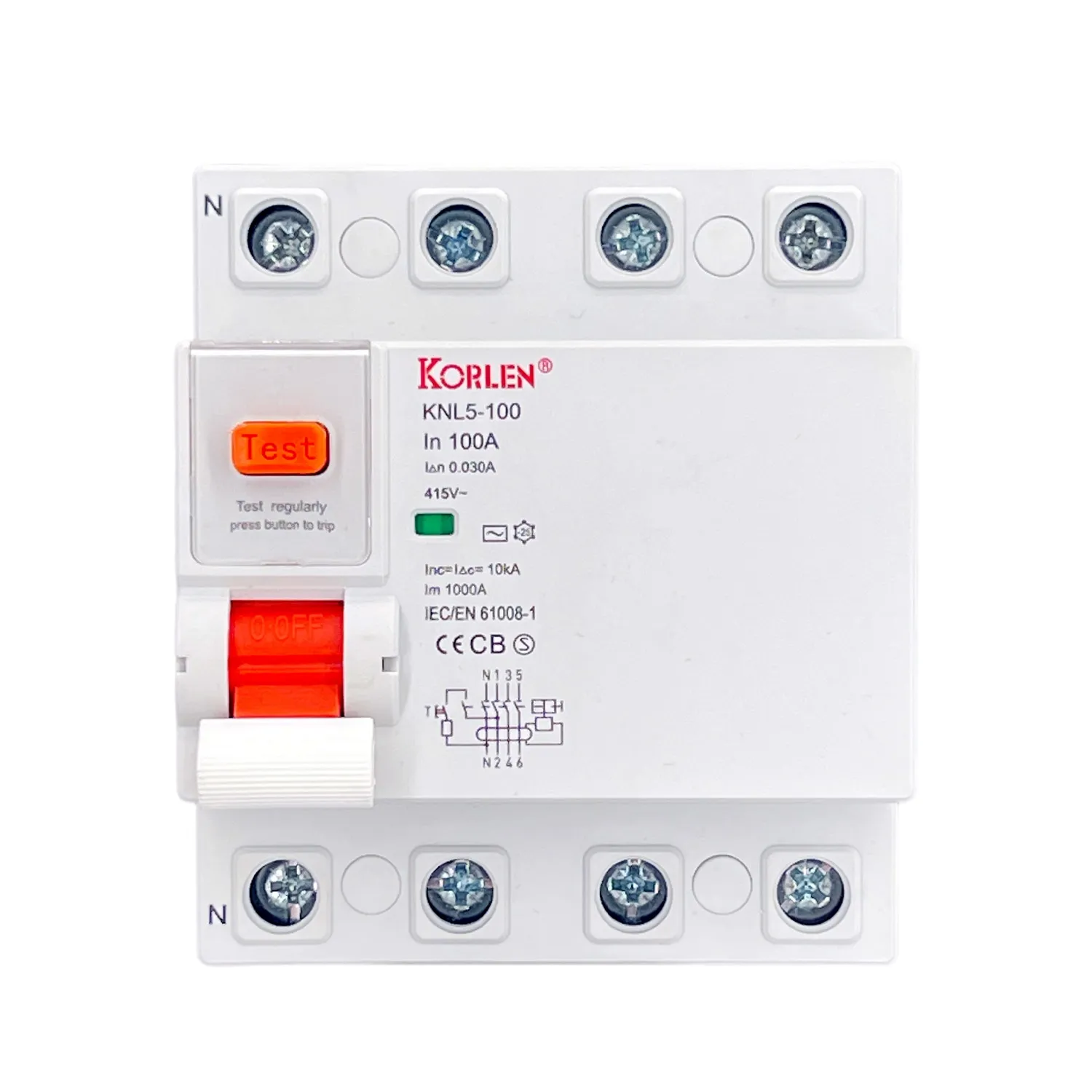 RCCB 4P 100–125A, Type AC KNL5-100 Korlen
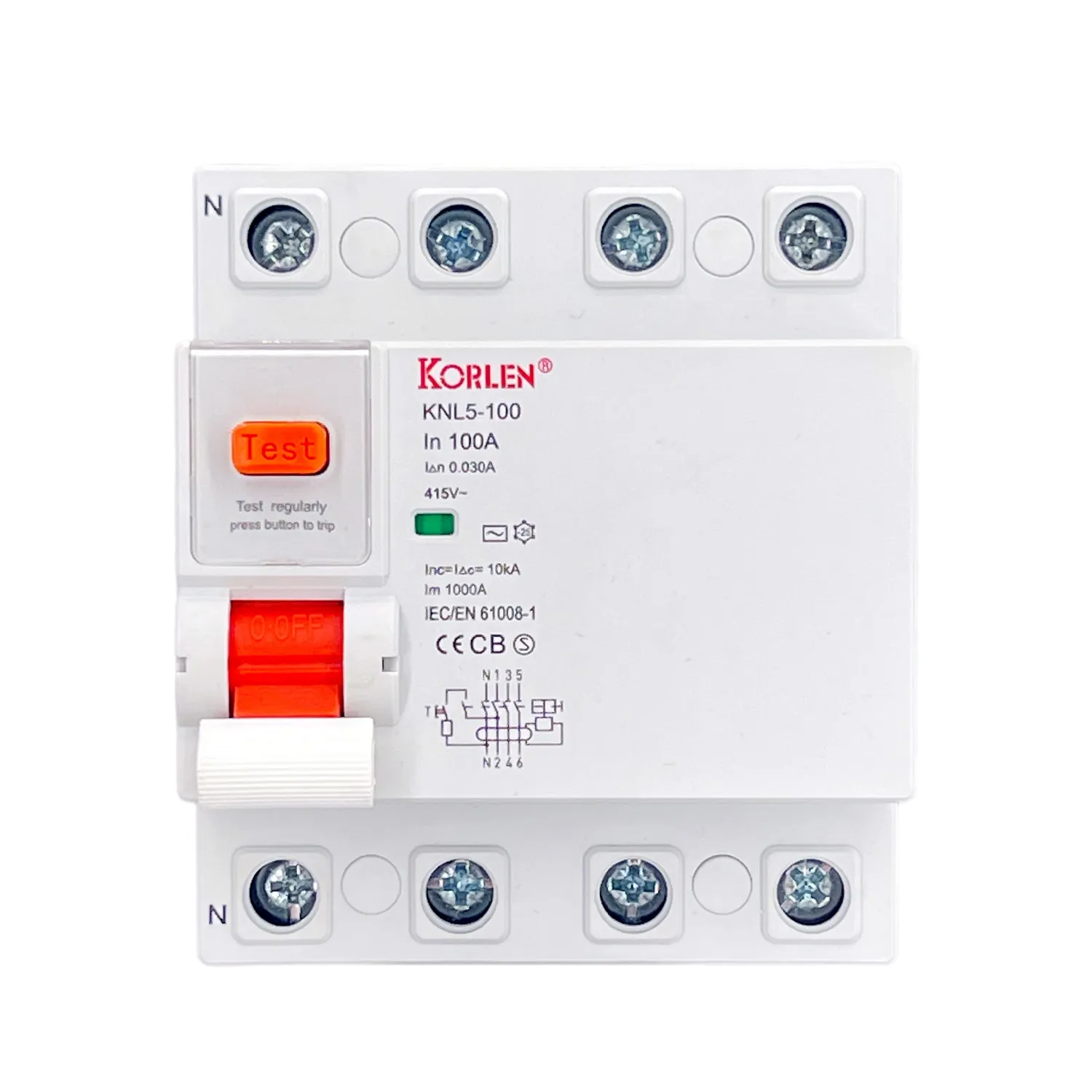 RCCB 4P Type B 100–125A KNL5-100 Korlen
RCBOSingle module RCBOs combining overcurrent and residual current protection, 1P+N, 10A to 63A, 10kA, for final circuits in consumer units.All Products
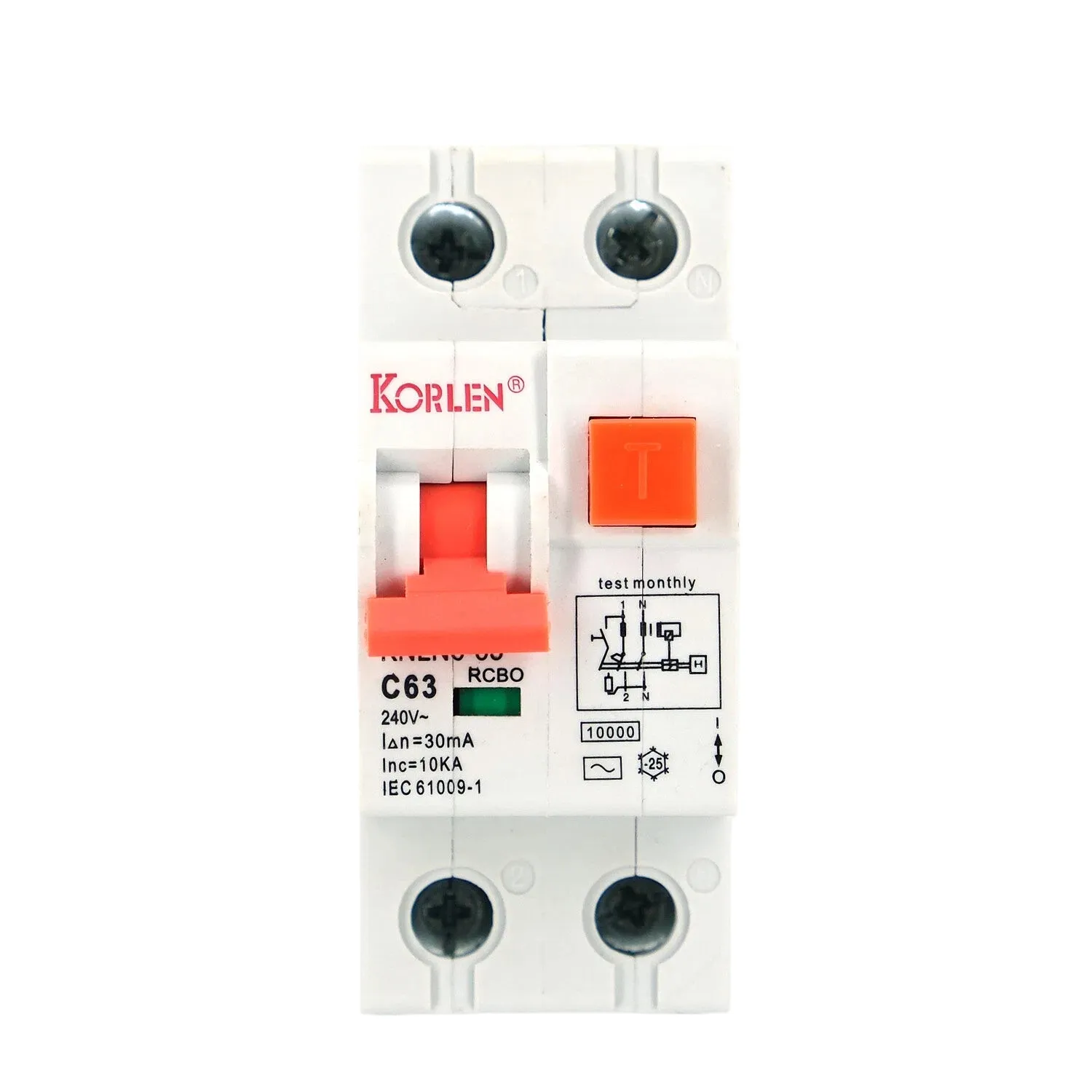 RCBO 1P+N 10–63A 10kA KNLN6-63 Korlen
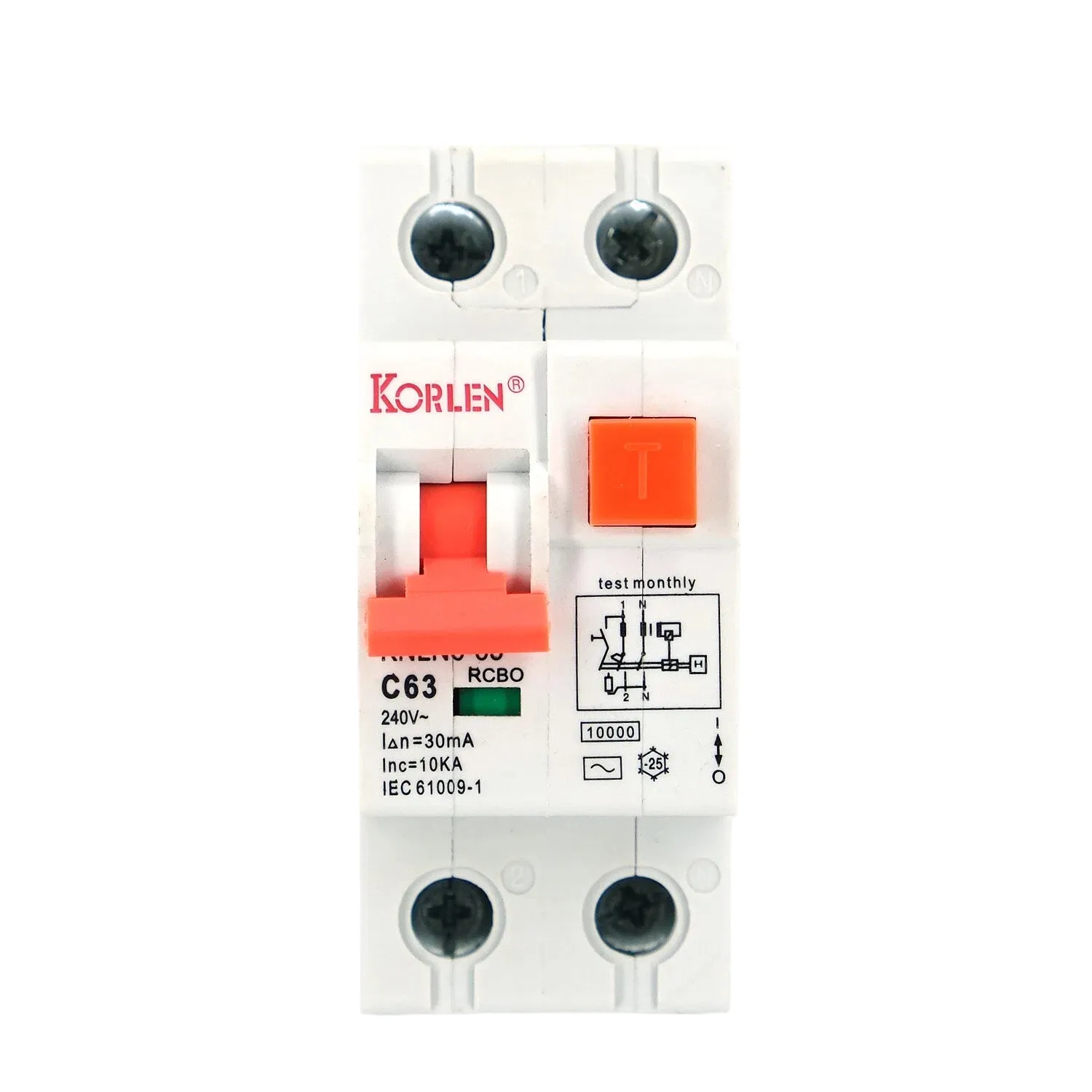 RCBO Circuit Breaker 1P+N 10–63A for Final Circuits KNLN6-63 Korlen
Surge Protective DevicesType 1+2 surge arresters for AC distribution boards and DC PV arrays, Imax 10kA to 50kA, 2P and 4P, up to 1500V DC, for rooftop plants.All Products
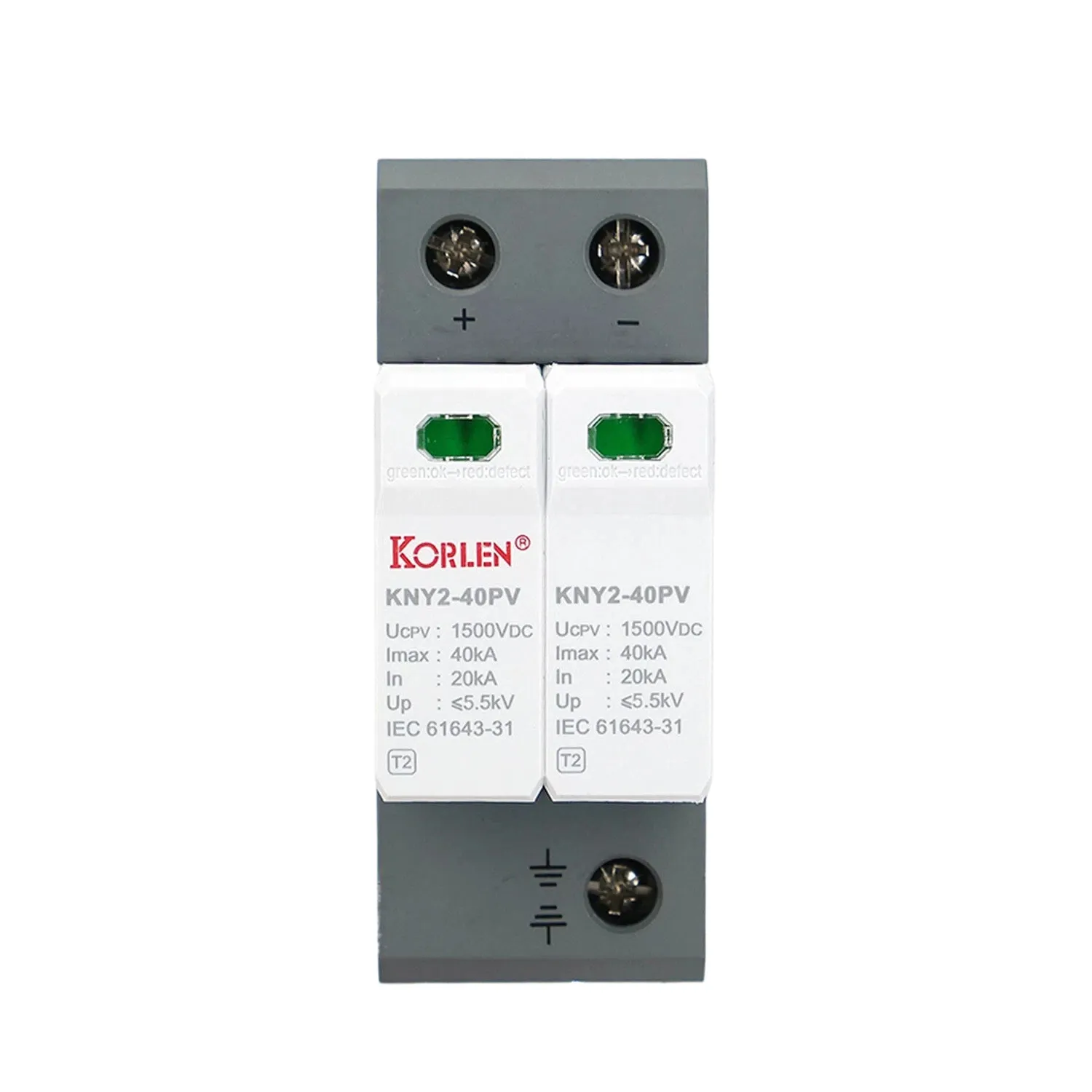 DC SPD Type 1+2 Imax 40kA 800 V DC 2P KNY2-40PV Korlen
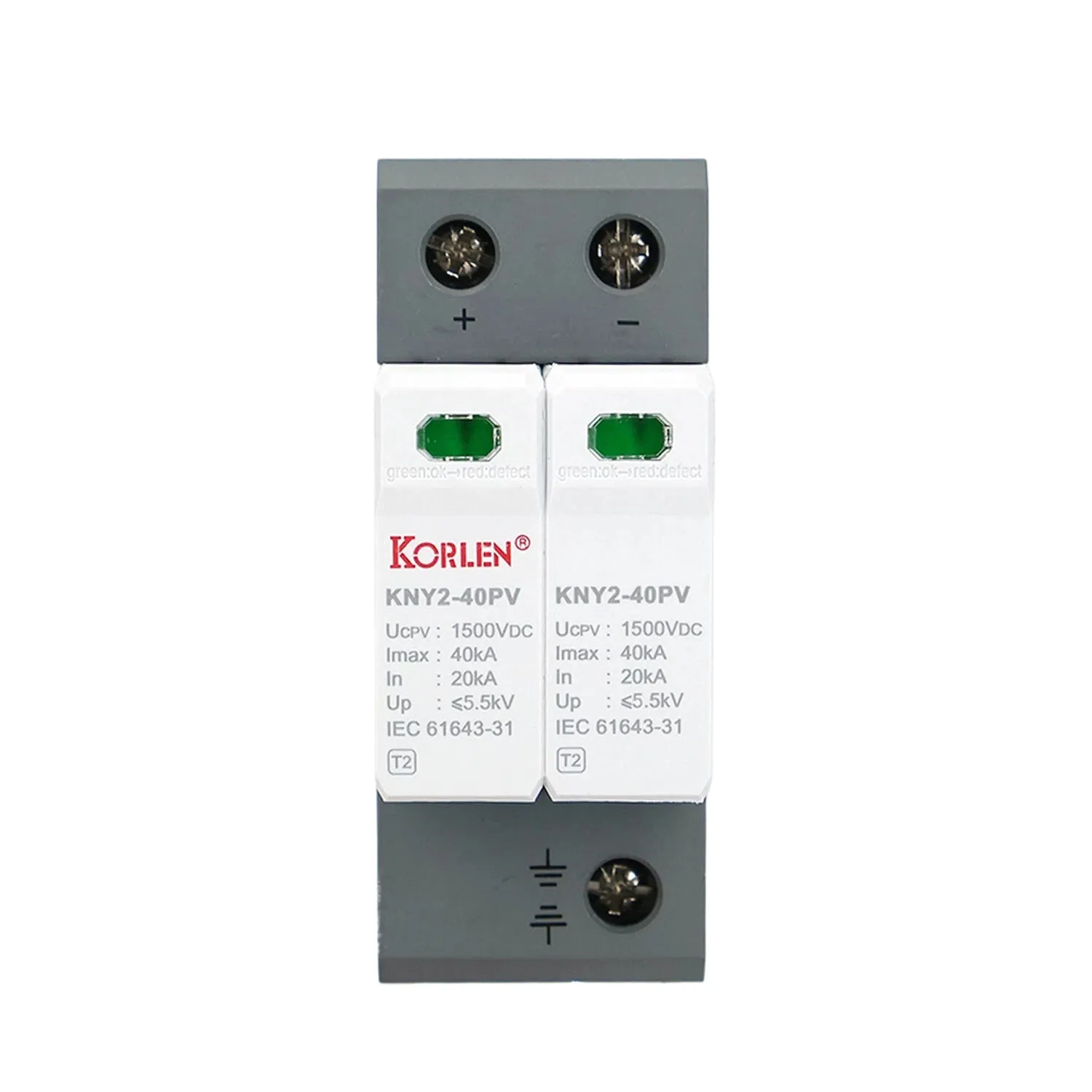 DC SPD Type 1+2 Up 4.5 kV 2P 1500 V DC KNY2-40PV Korlen
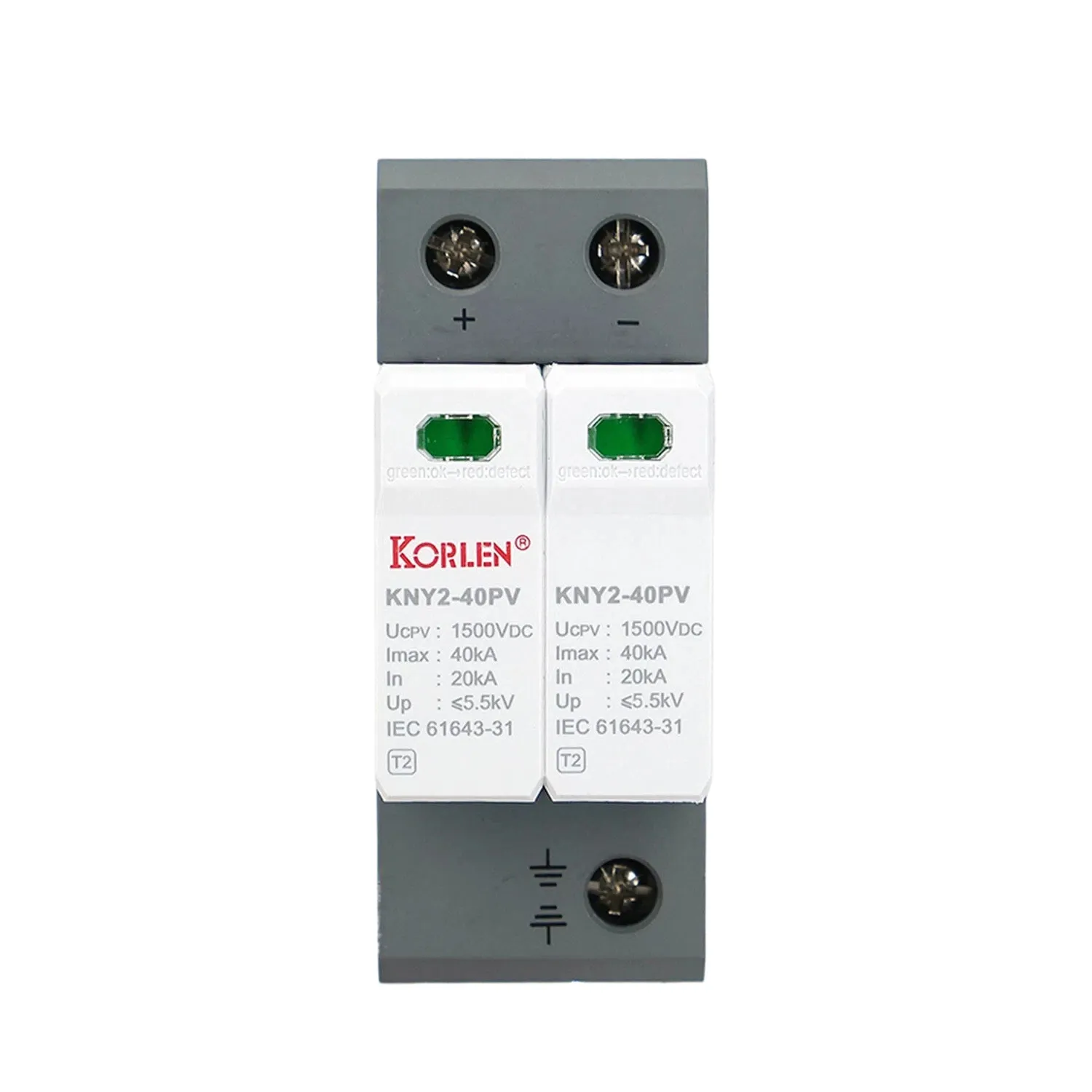 DC Surge Protection Device Type 1+2 1000 V DC 2P Imax 40kA KNY2-40PV Korlen
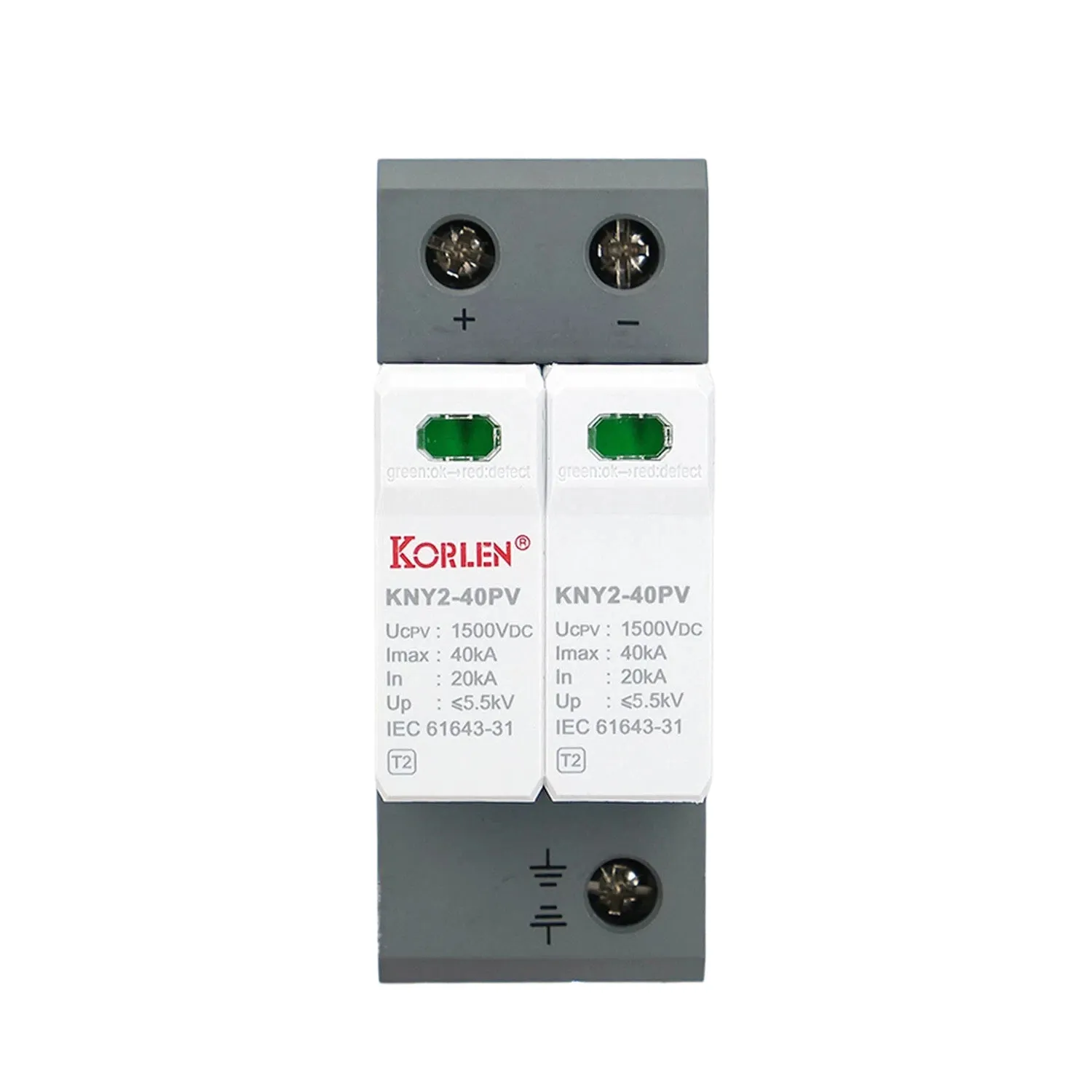 DC Surge Protection Device Type 1+2 Imax 40kA 2P 600 V DC KNY2-40PV Korlen
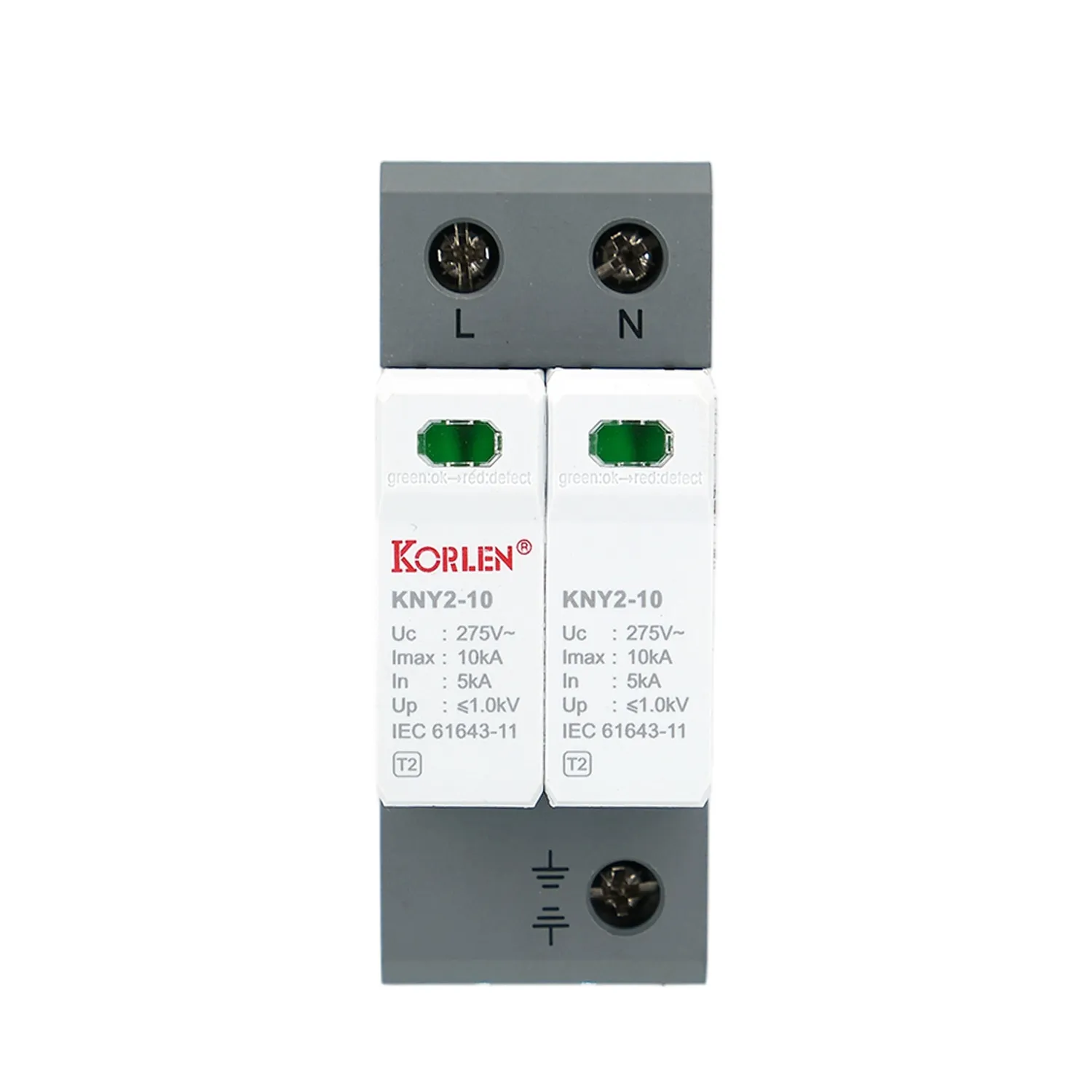 Double Pole Surge Arrester Type 1+2 Imax 50kA KNY2-10 Korlen
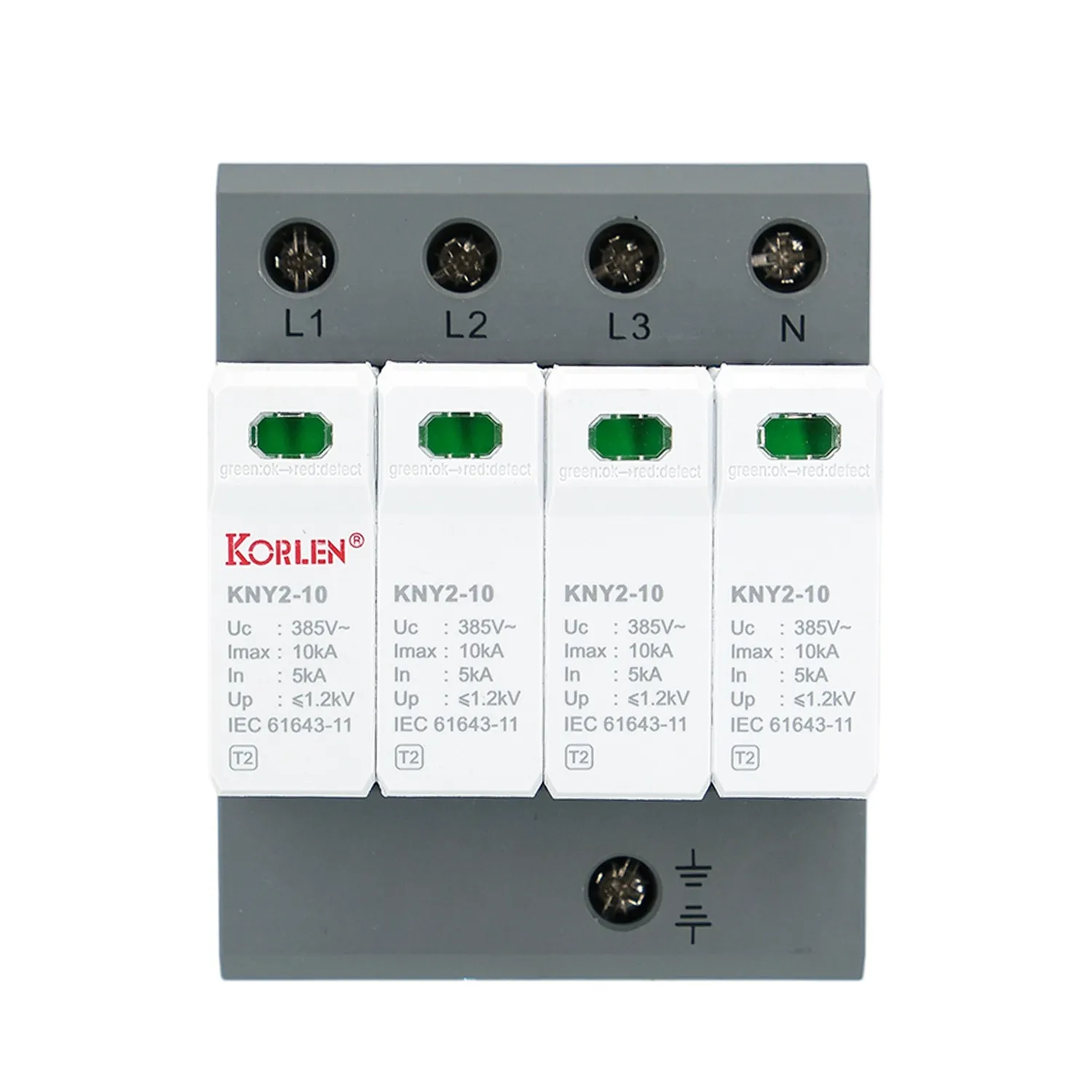 Four Pole Overvoltage Protection Device Type 2 Imax 10kA KNY2-10 Korlen
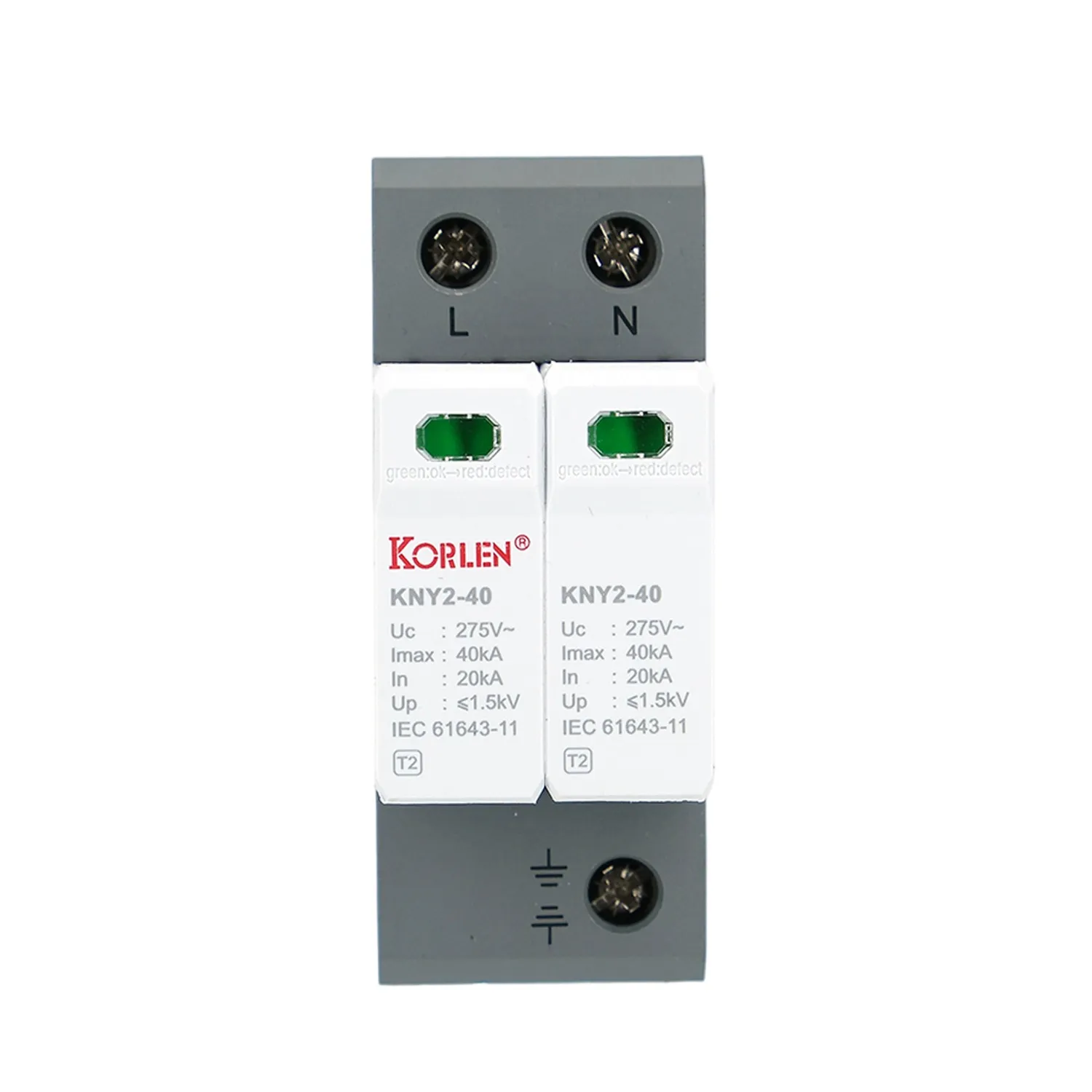 Overvoltage Protection Device Type 1+2 2P Up 1.5 kV KNY2-40 Korlen
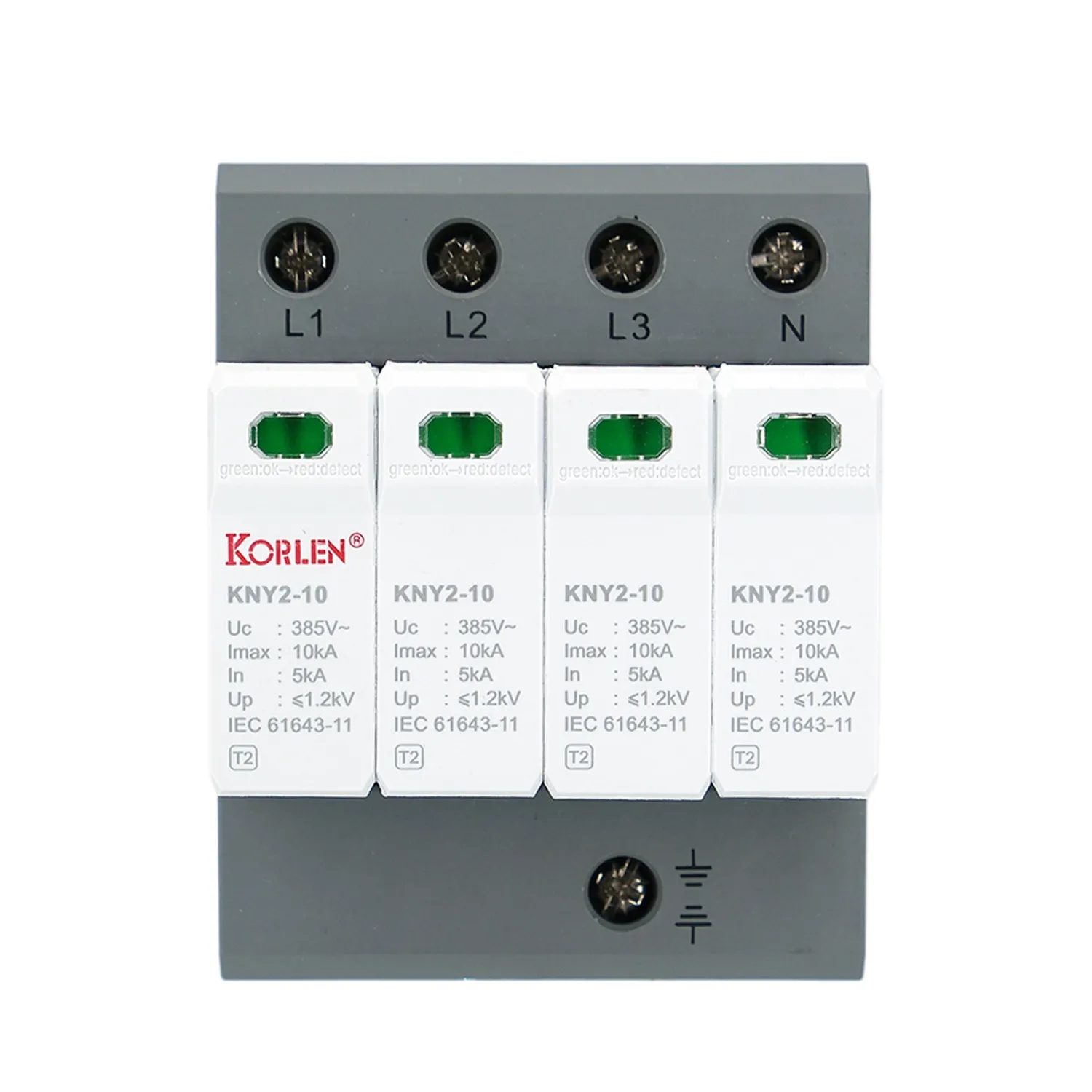 Overvoltage Protection Device Type 1+2 In 20kA 4P KNY2-10 Korlen
FusesFuse holders used on PV string protection.All Products
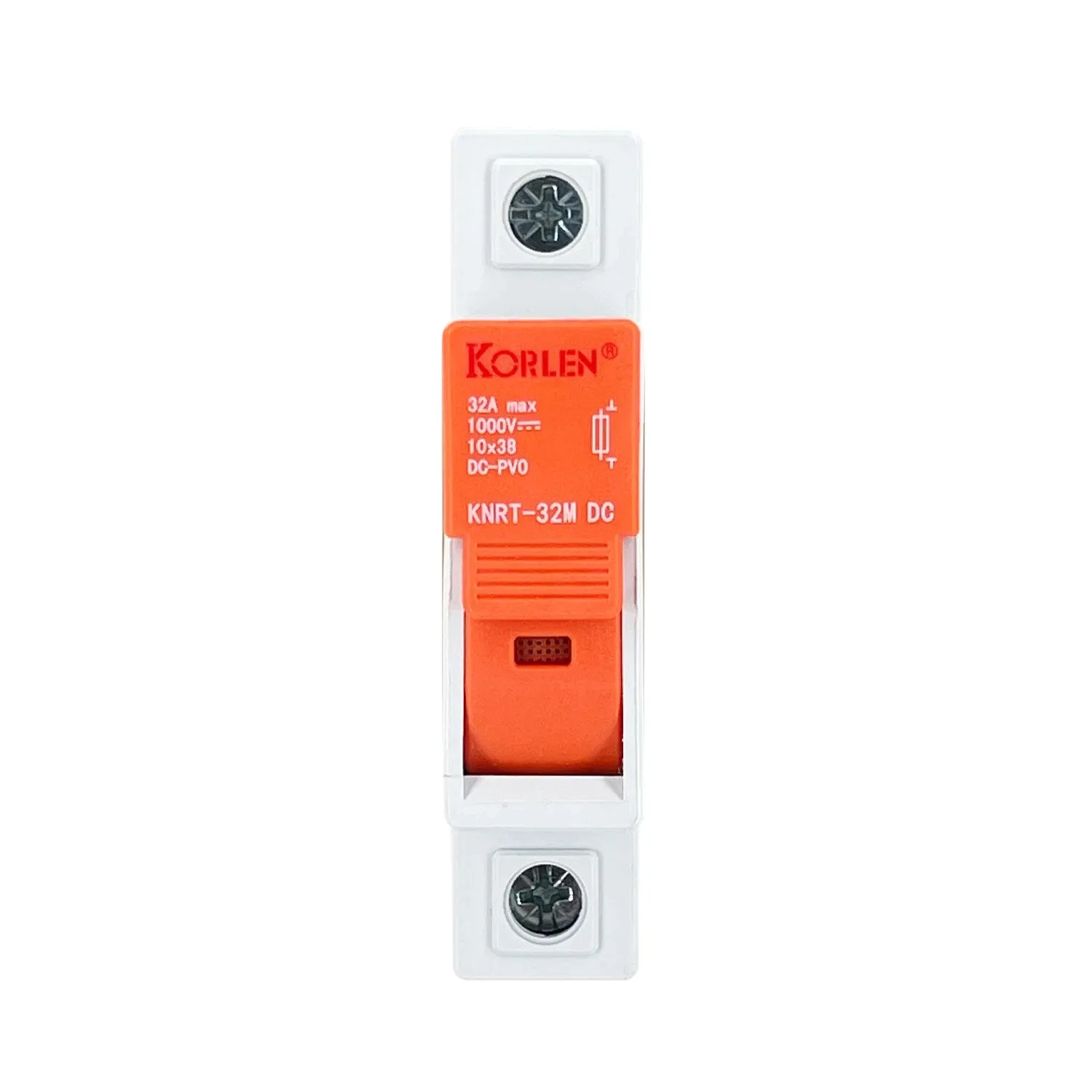 DC Fuse with Holder 1000 V DC 2–32A 10×38mm KNRT-32M Korlen
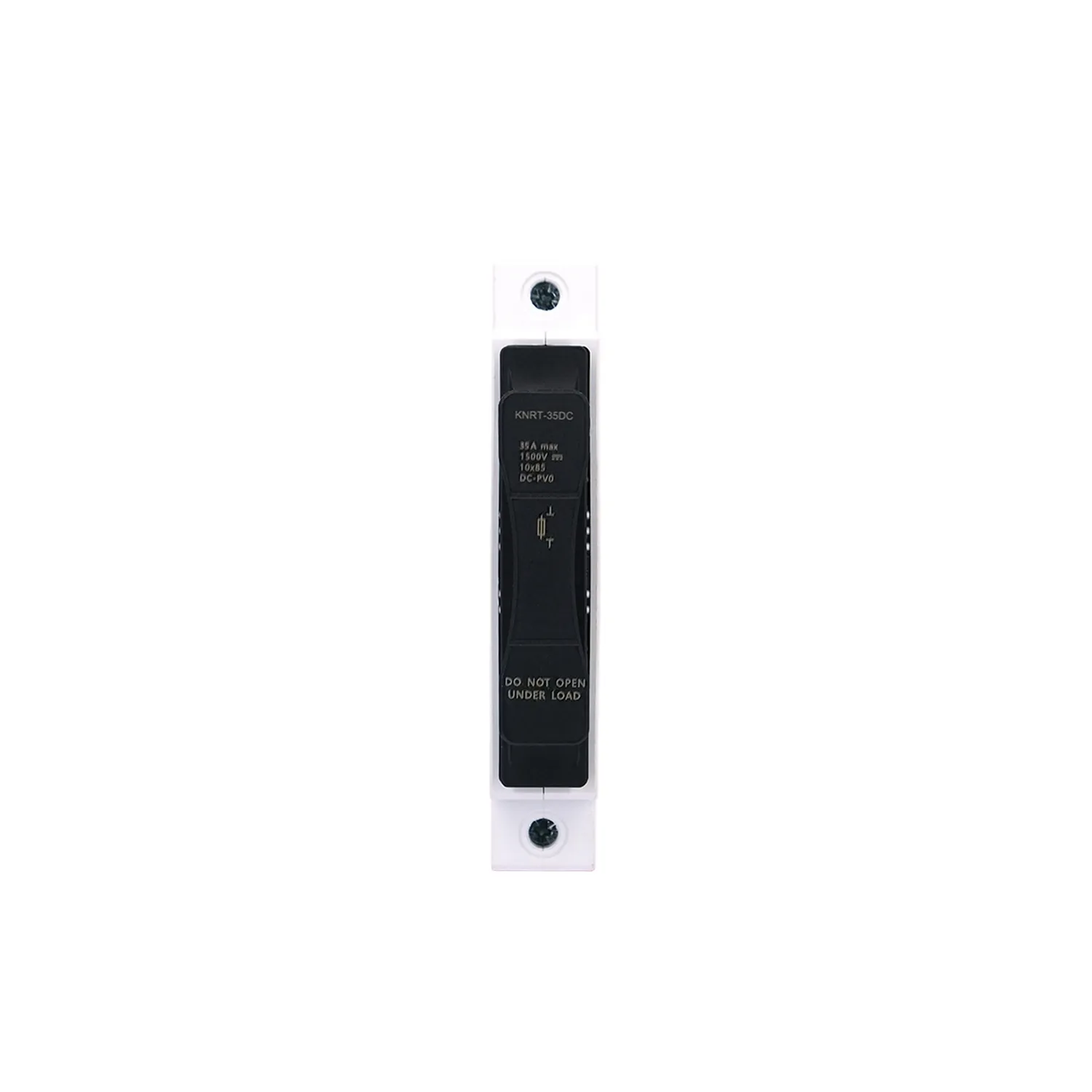 gPV Fuse and Base 1500 V DC 1–35A KNRT-35DC Korlen
Isolating SwitchesLoad-break and isolating switchesAll Products
 32A DC Load Break Switch 300 V DC DS1-32 Doxu
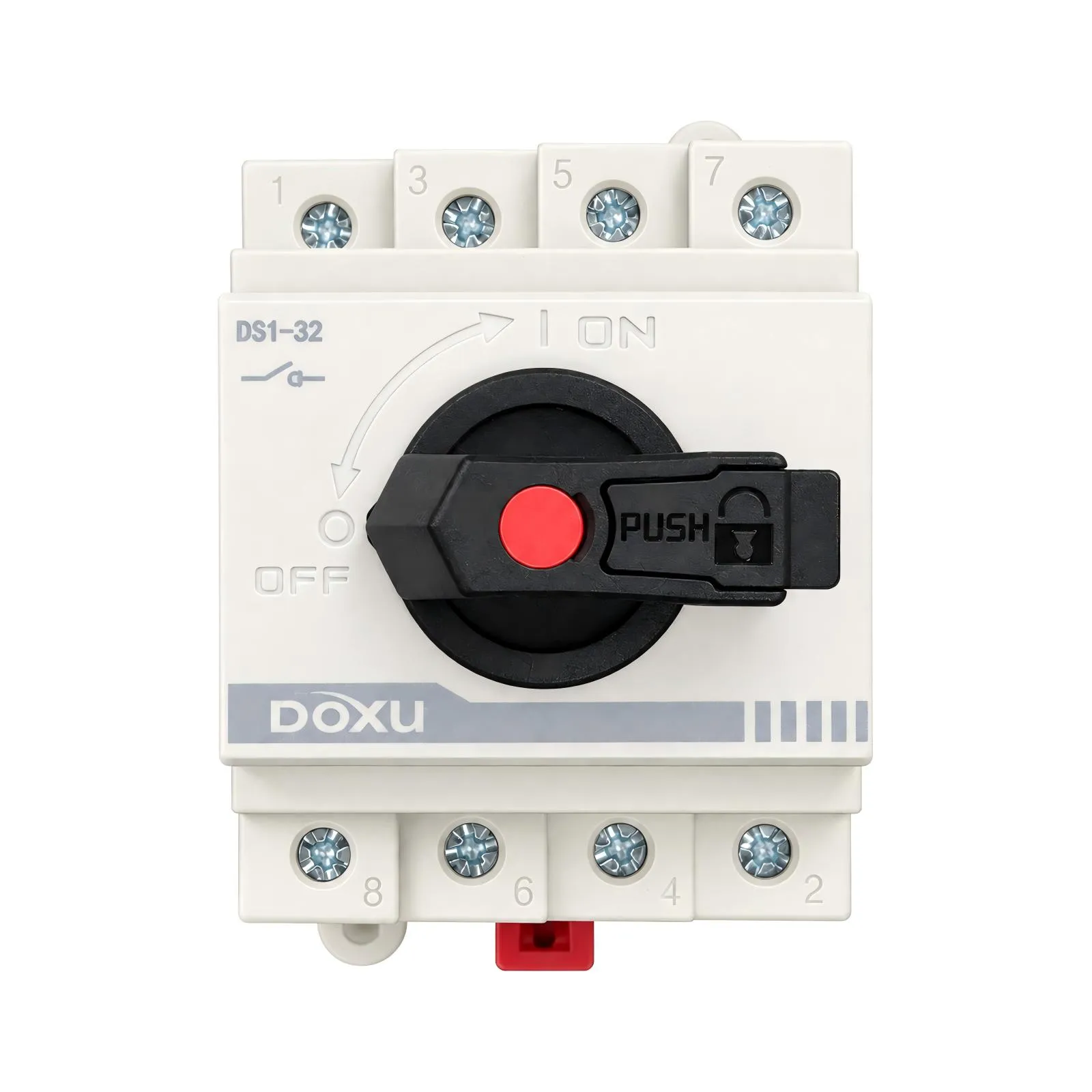 32A PV Isolating Switch 1000 V DC 2P DS1-32 Doxu
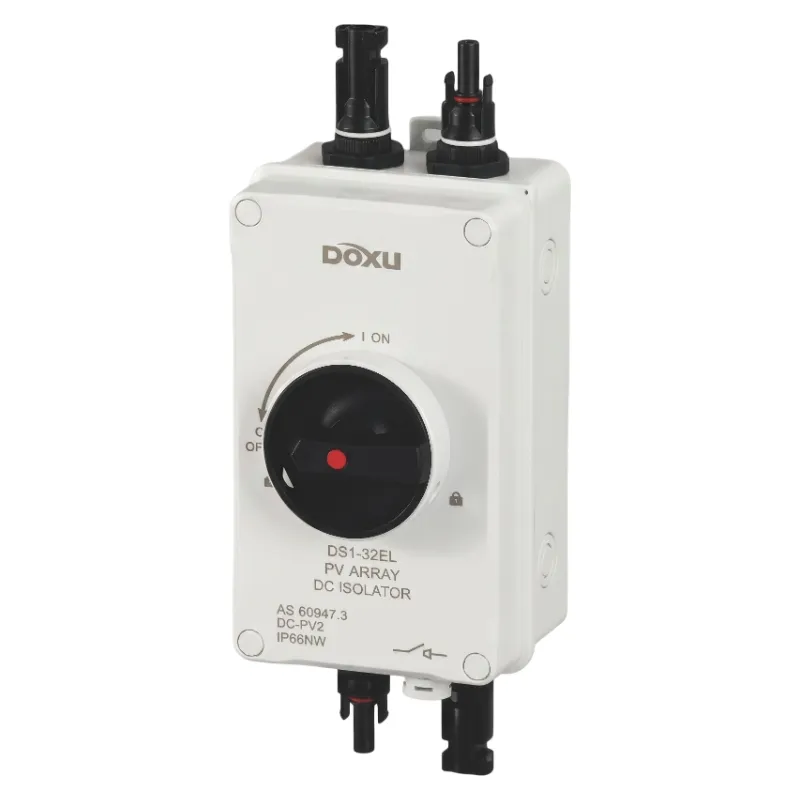 32A Solar DC Disconnect Switch 1200 V DC DS1-32EL/2-MC4-H Doxu
 DC Isolator Switch 1200 V DC 16–32A DS1-32EL/4P Doxu
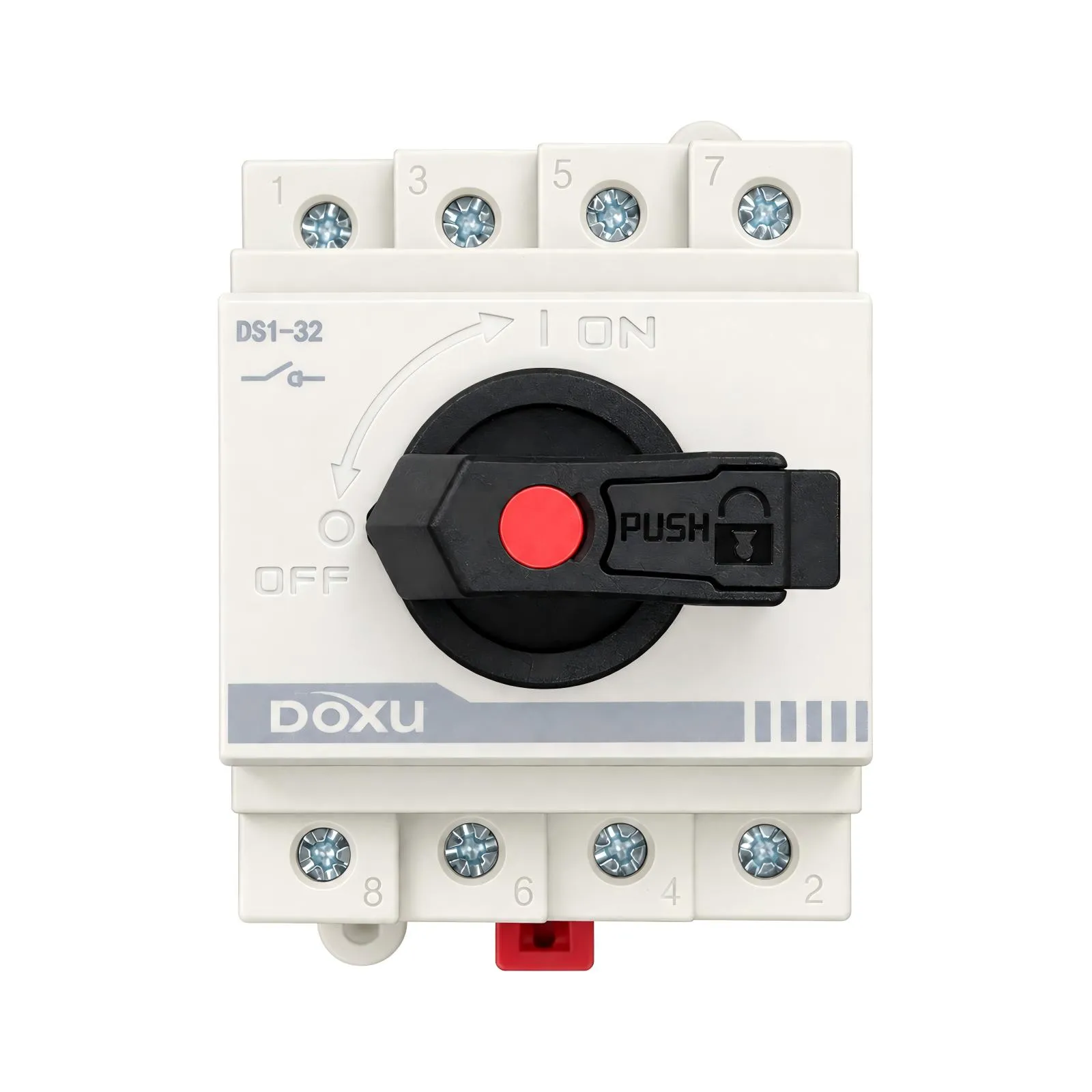 DC Isolator Switch 300 V DC 32A 2P DS1-32 Doxu
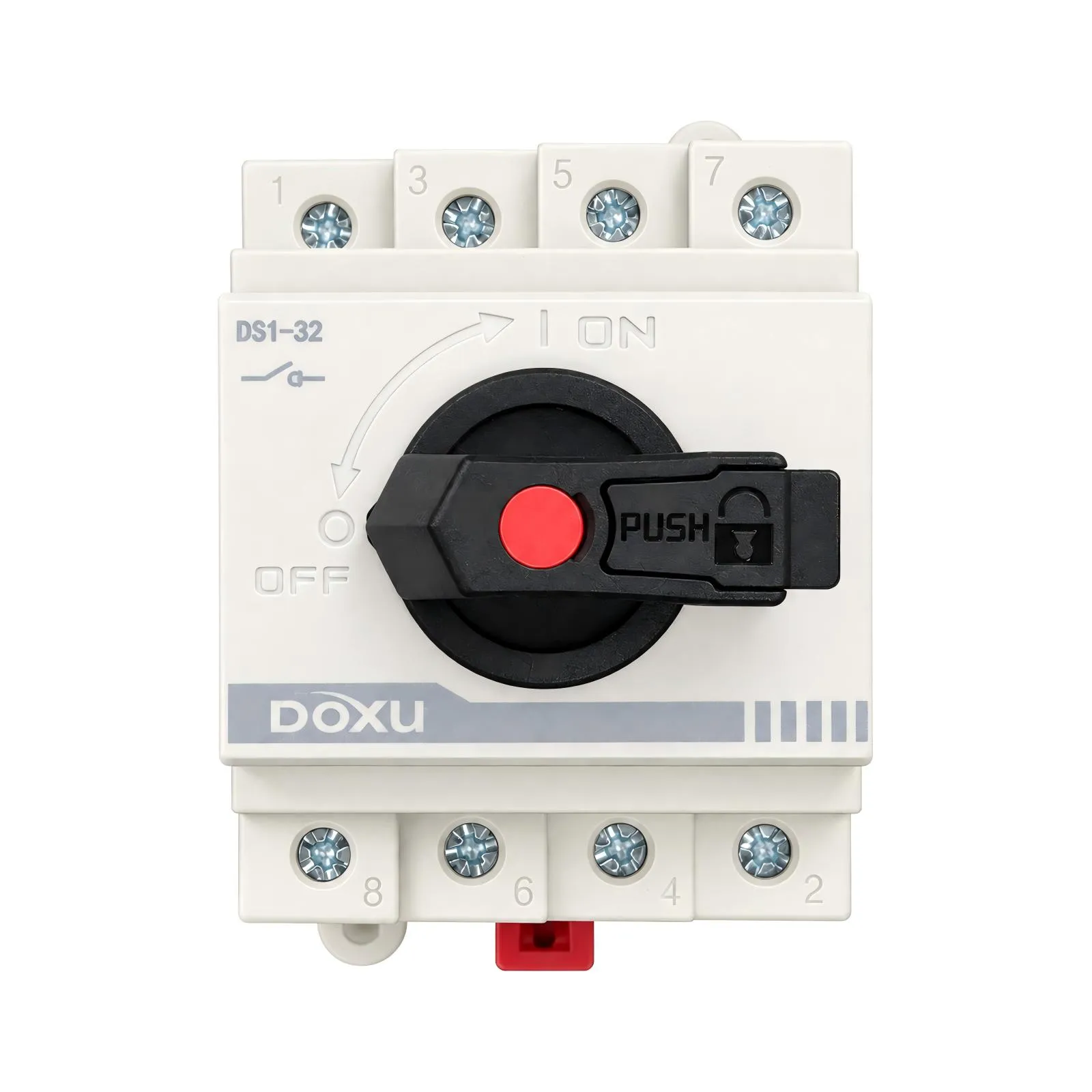 DC Isolator Switch 4P 32A 1000 V DC DS1-32 Doxu
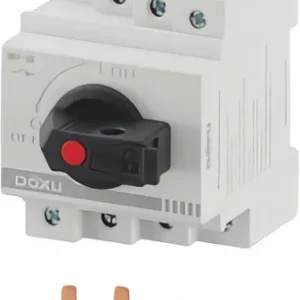 DC Isolator Switch 600 V DC 32A DS1-32 Doxu
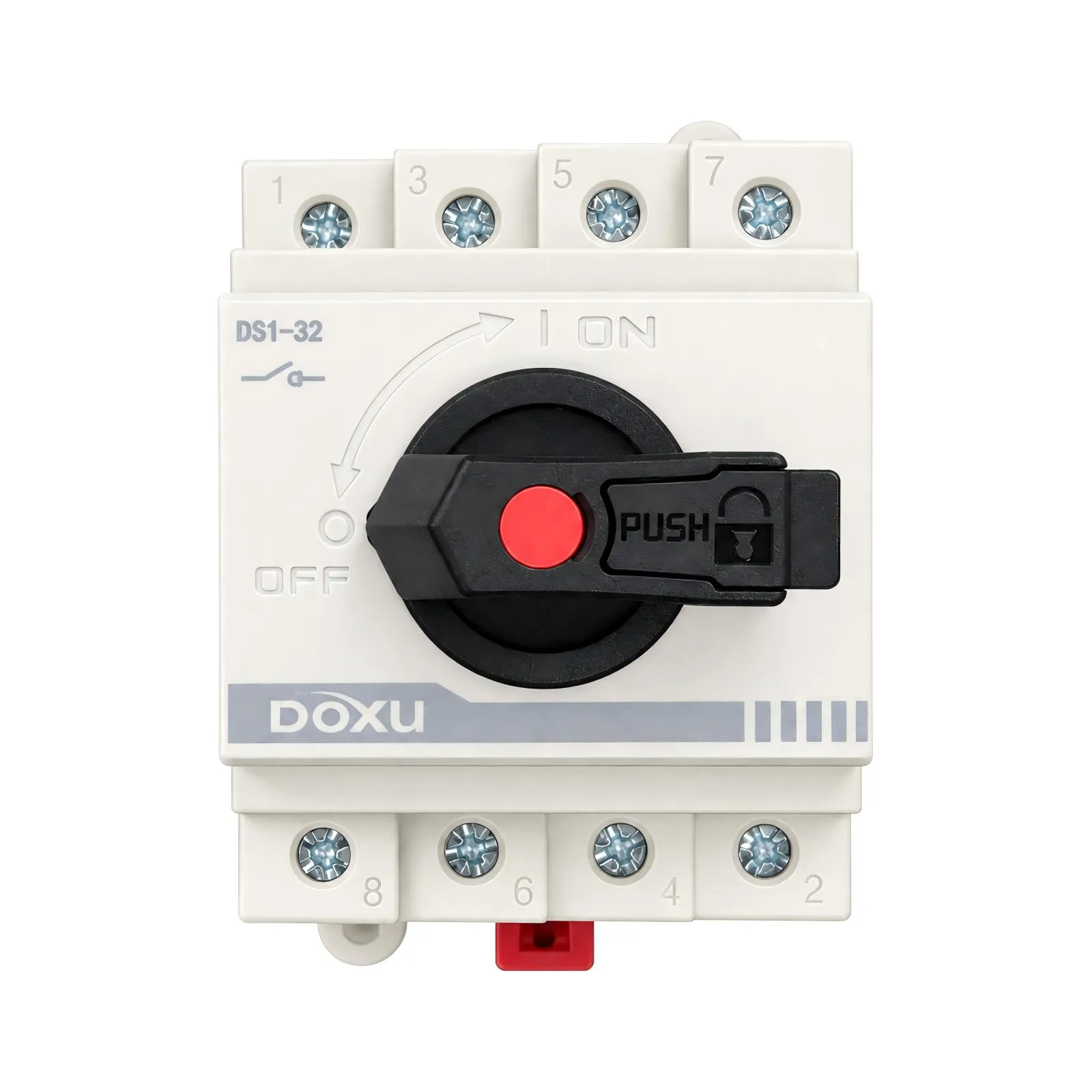 DC Load Break Switch 1200 V DC 2P 32A DS1-32 Doxu
Contactors & Motor StartersContactors, thermal relays and startersAll Products
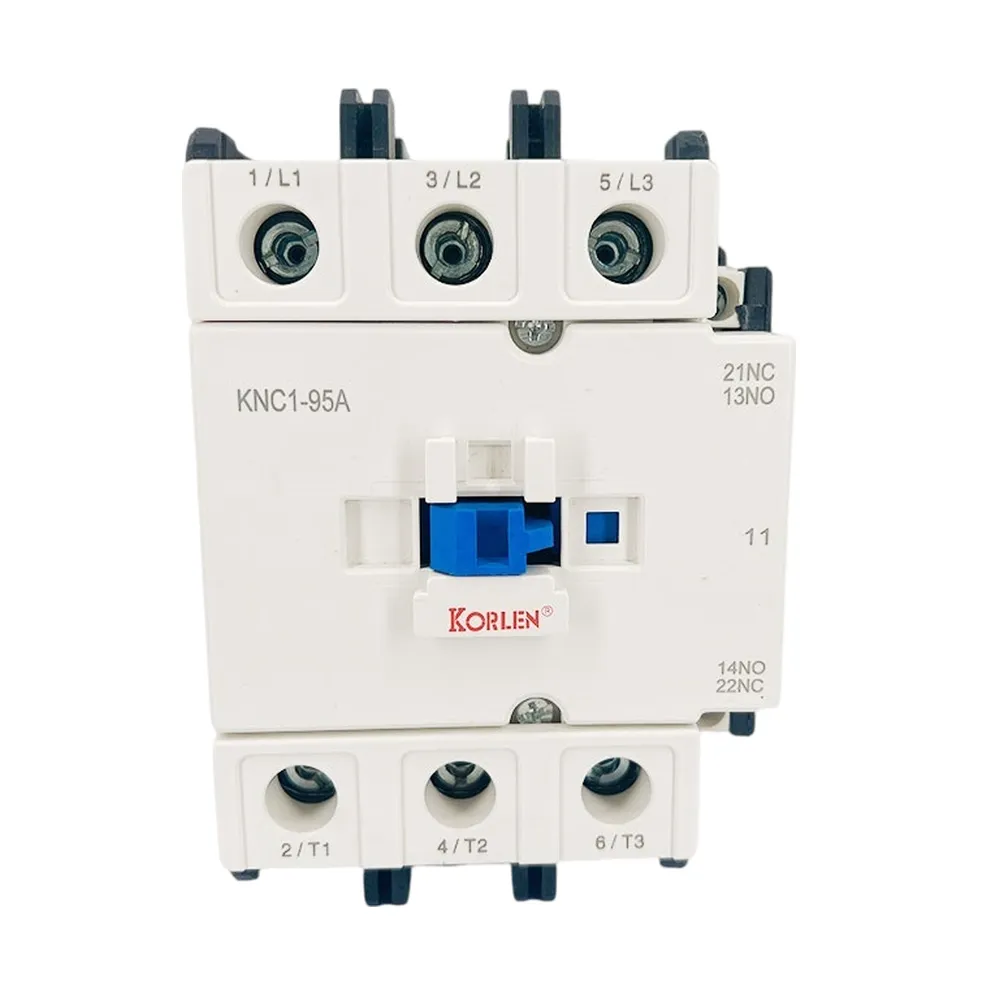 AC Contactor 3P 9–95A 660 V AC KNC1 Korlen
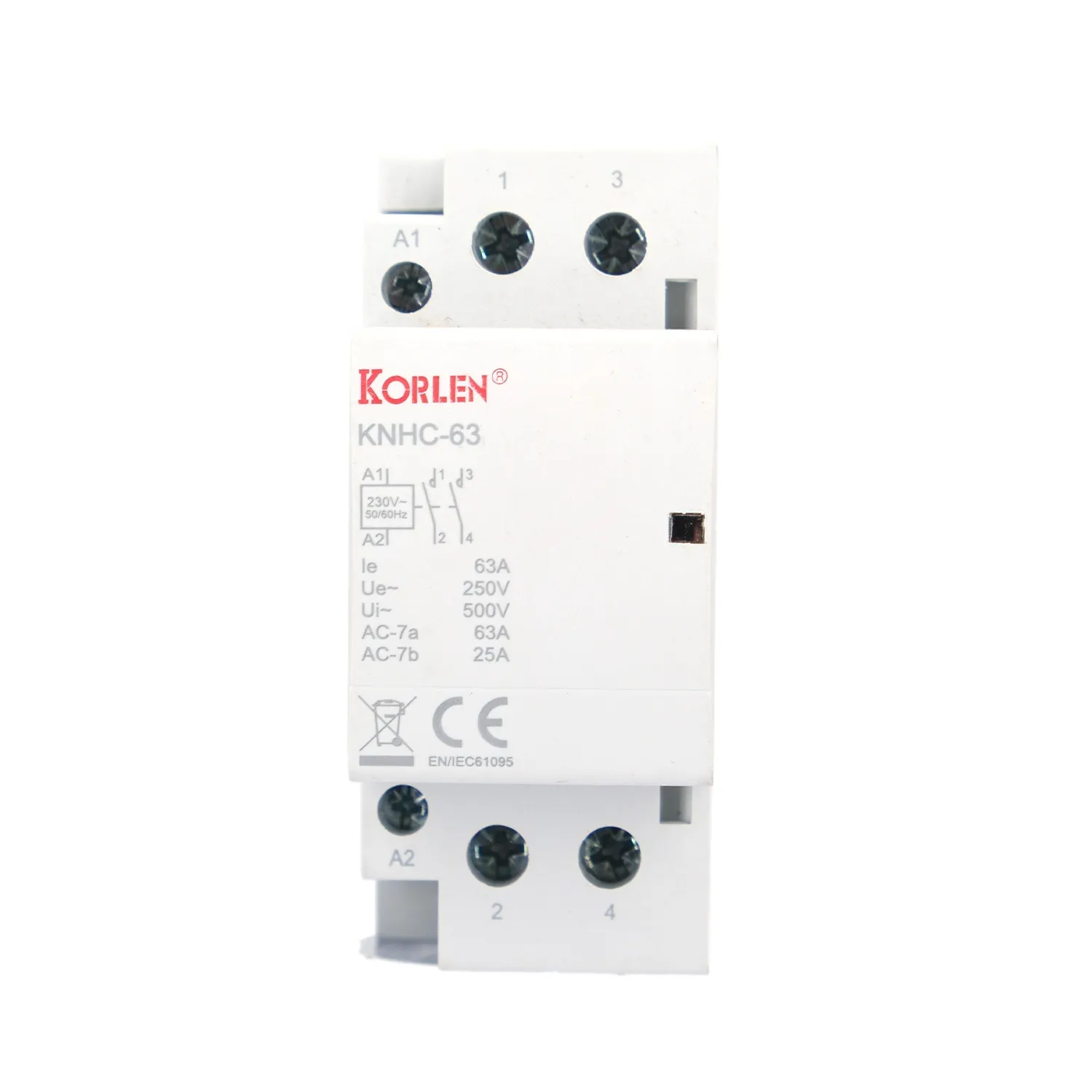 Building Automation Contactor 16–25A 3P 400 V AC KNHC Korlen
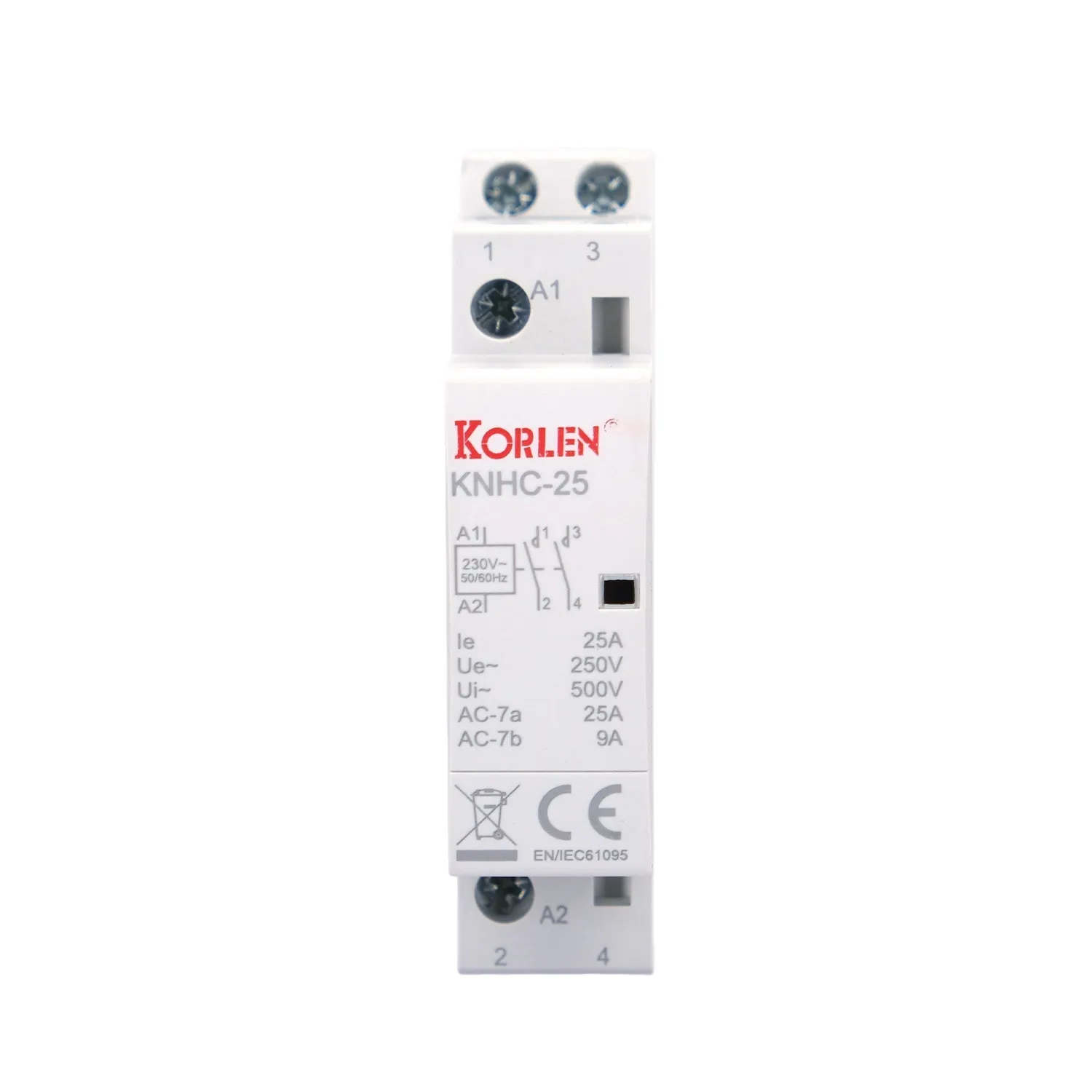 Building Automation Contactor 1P 32–63A for Building Services KNHC Korlen
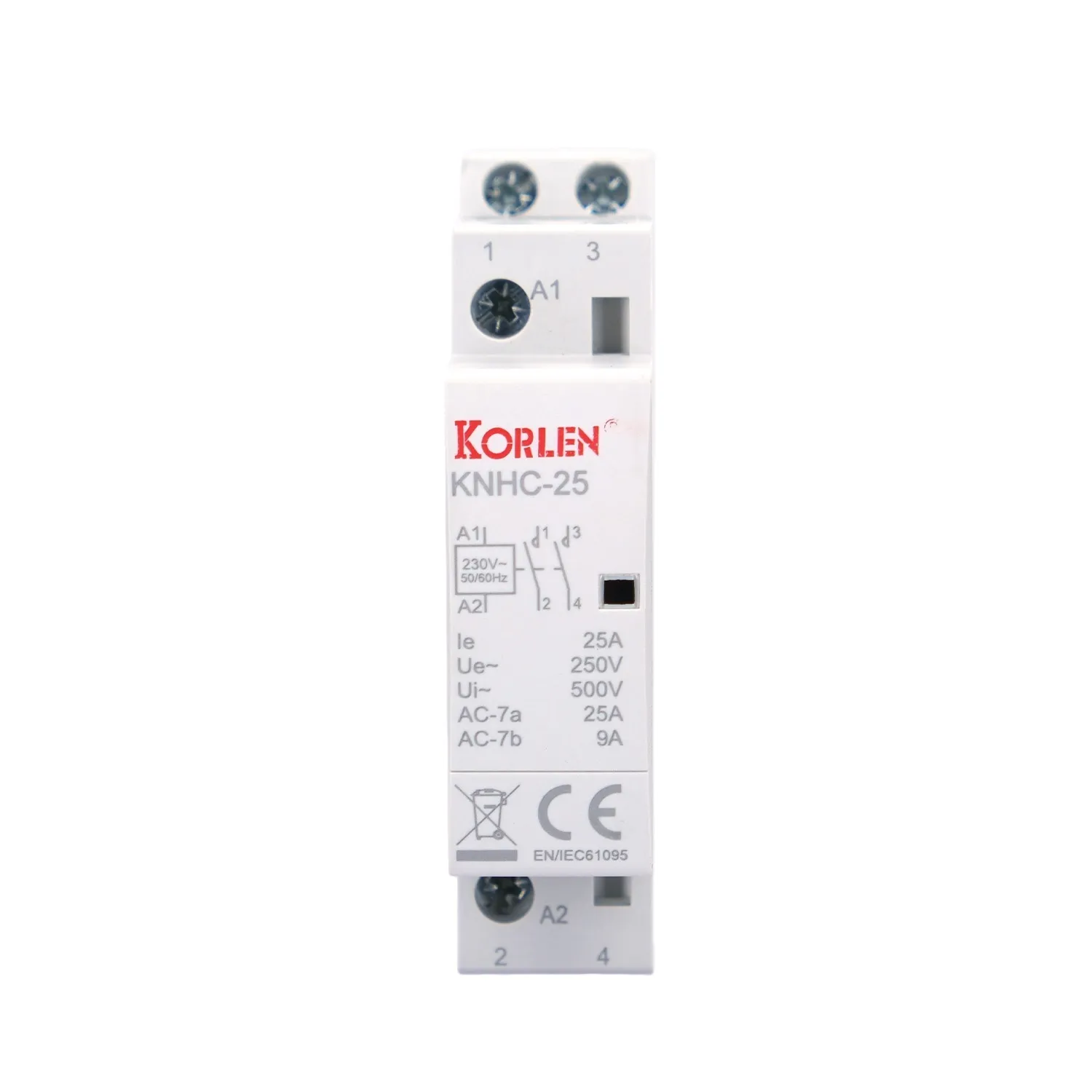 DIN Rail Contactor 1P 80–125A up to 400 V AC KNHC Korlen
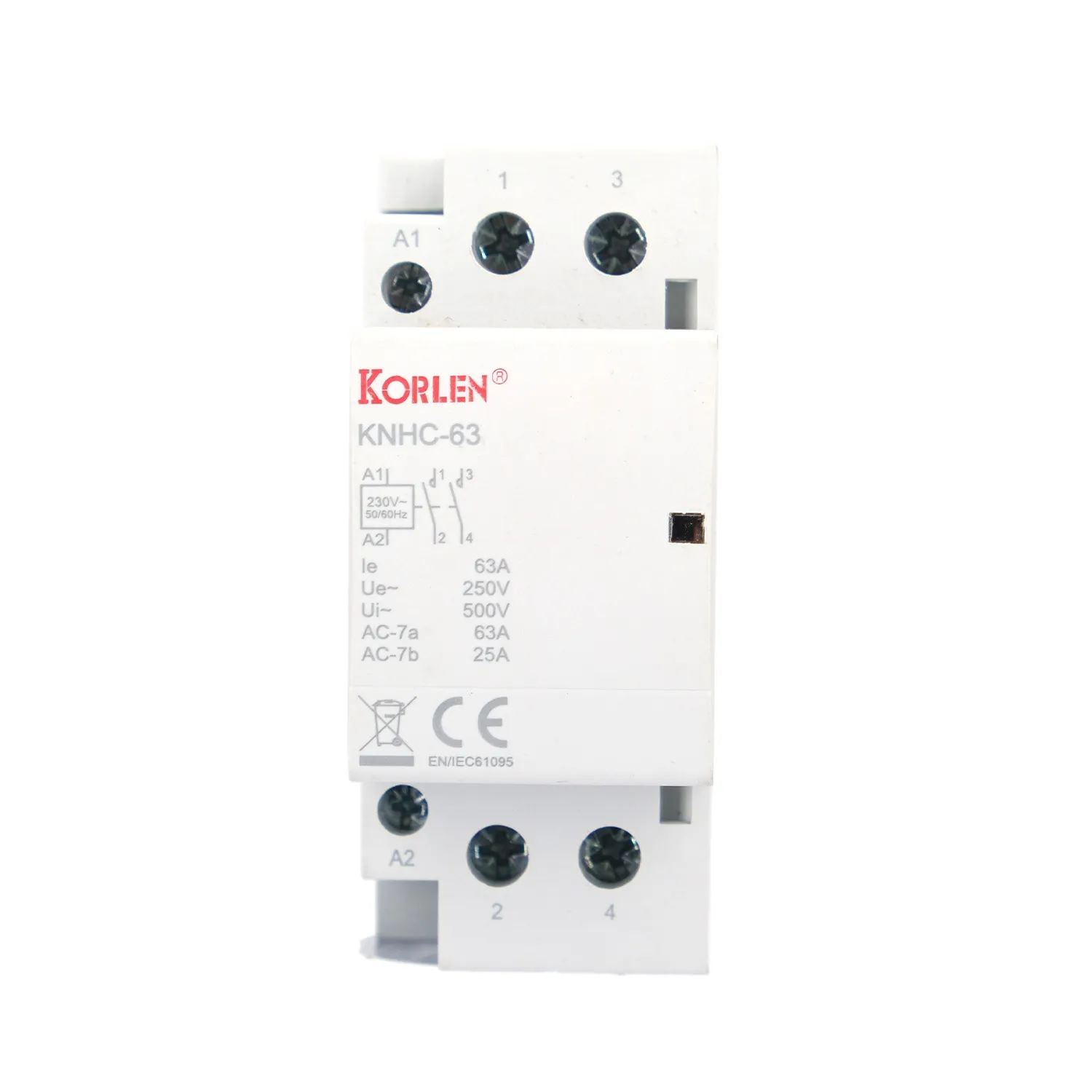 DIN Rail Contactor 3P 32–63A 400 V AC KNHC Korlen
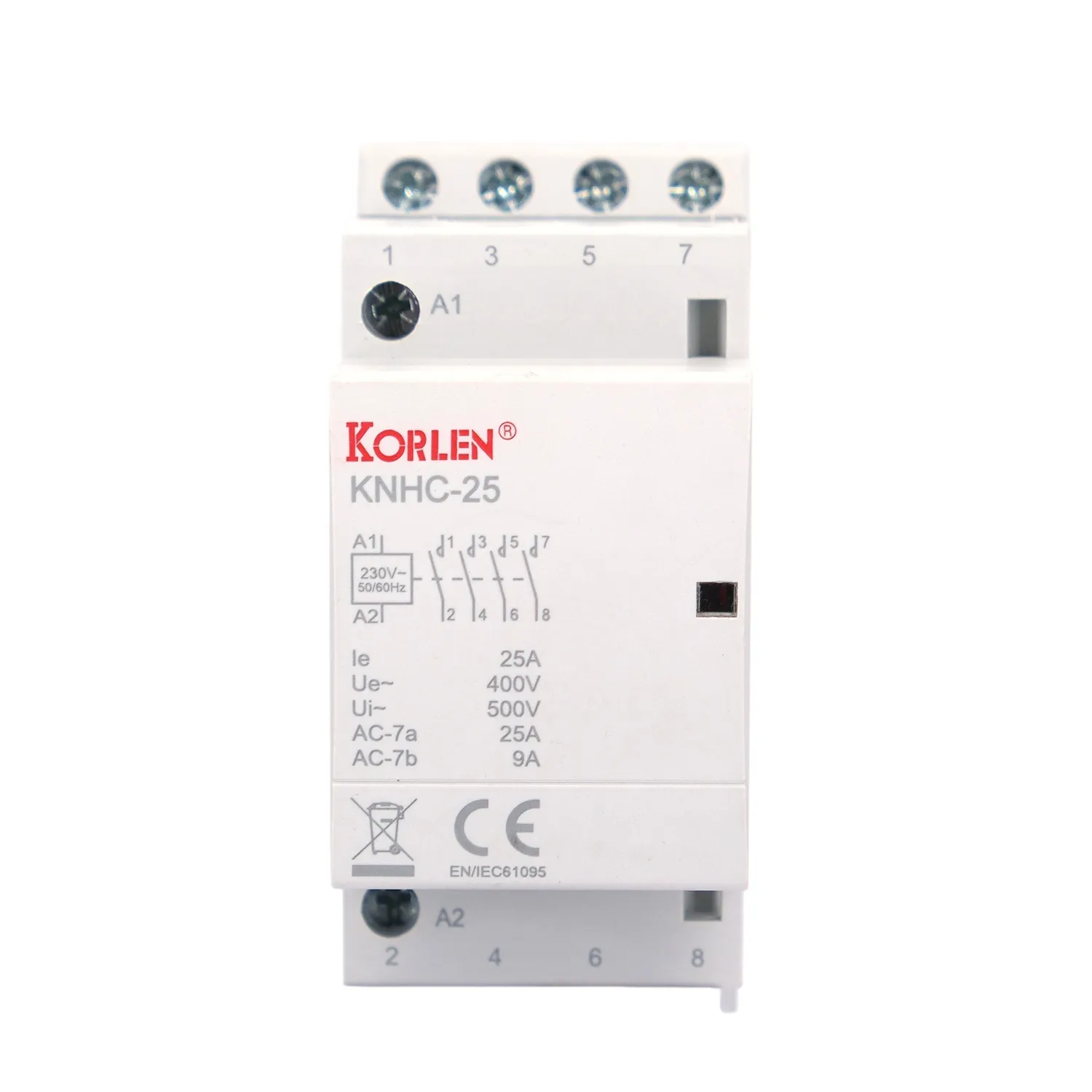 Double Pole Modular Contactor Relay 32–63A up to 400 V AC KNHC Korlen
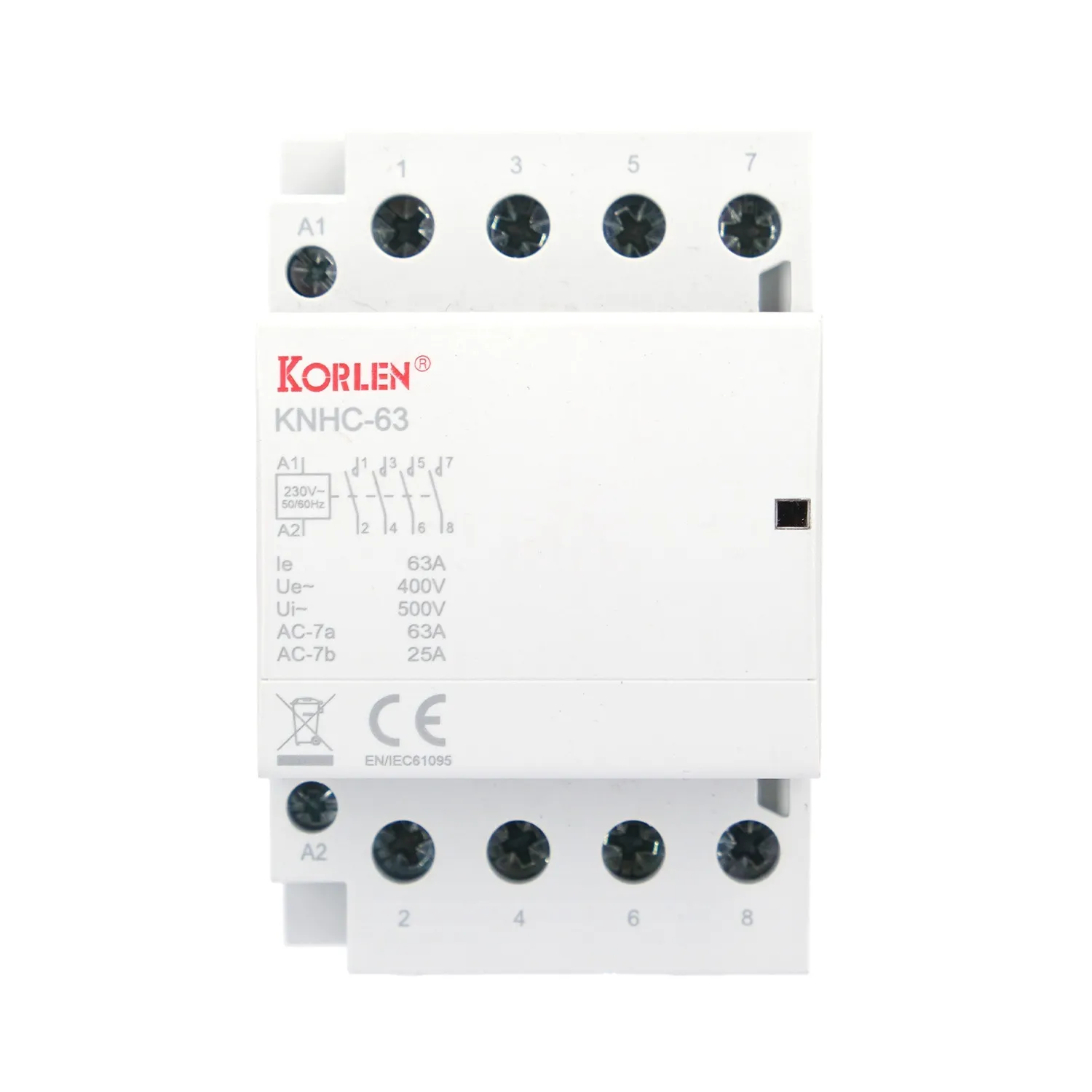 Four Pole Building Automation Contactor 80–125A up to 400 V AC KNHC Korlen
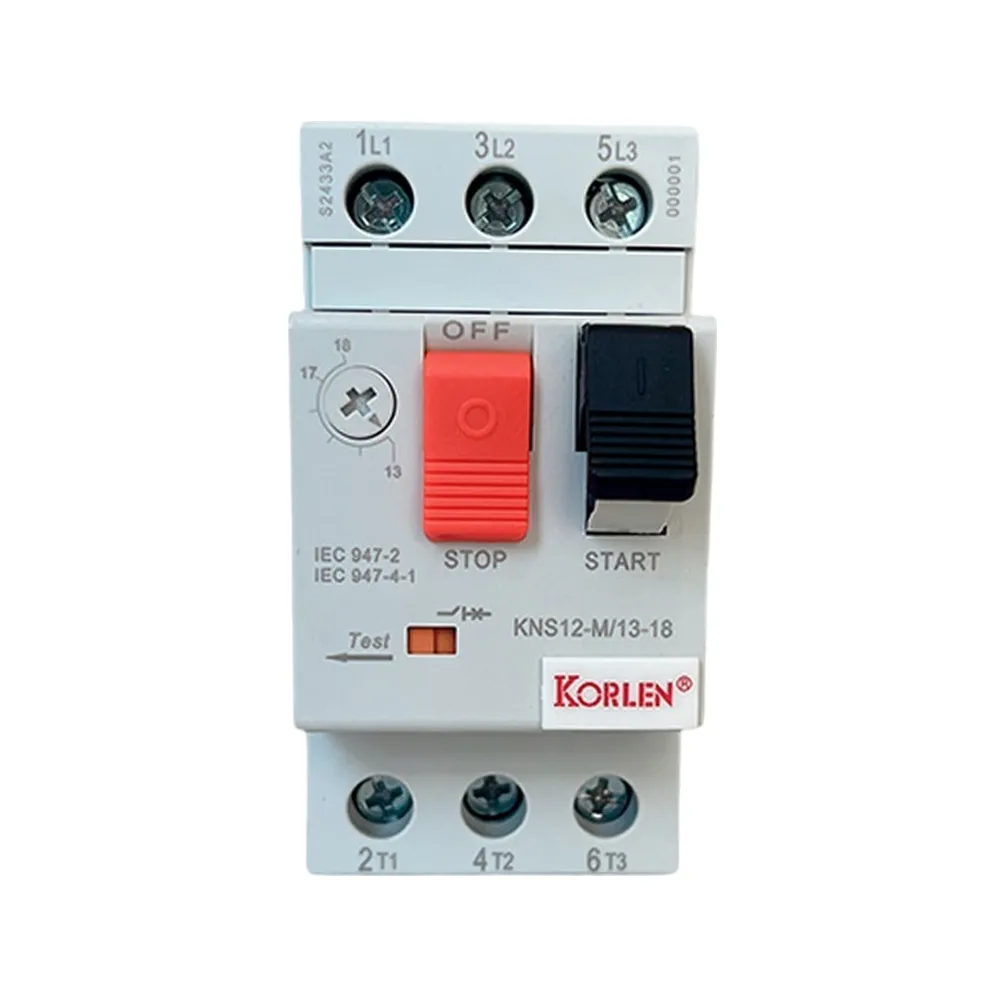 Manual Motor Starter 3P 1–80A 690 V AC KNS12 Korlen
Combiner & Distribution BoxesEnclosures for string combining and AC distribution.All Products
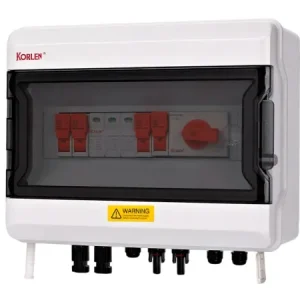 DC Combiner Box 2 in / 2 out 1000 V DC for PV Plants KNX5PV-H/B-2/2 Korlen
 Distribution Board 6–36 modules Watertight Enclosure KNS Korlen
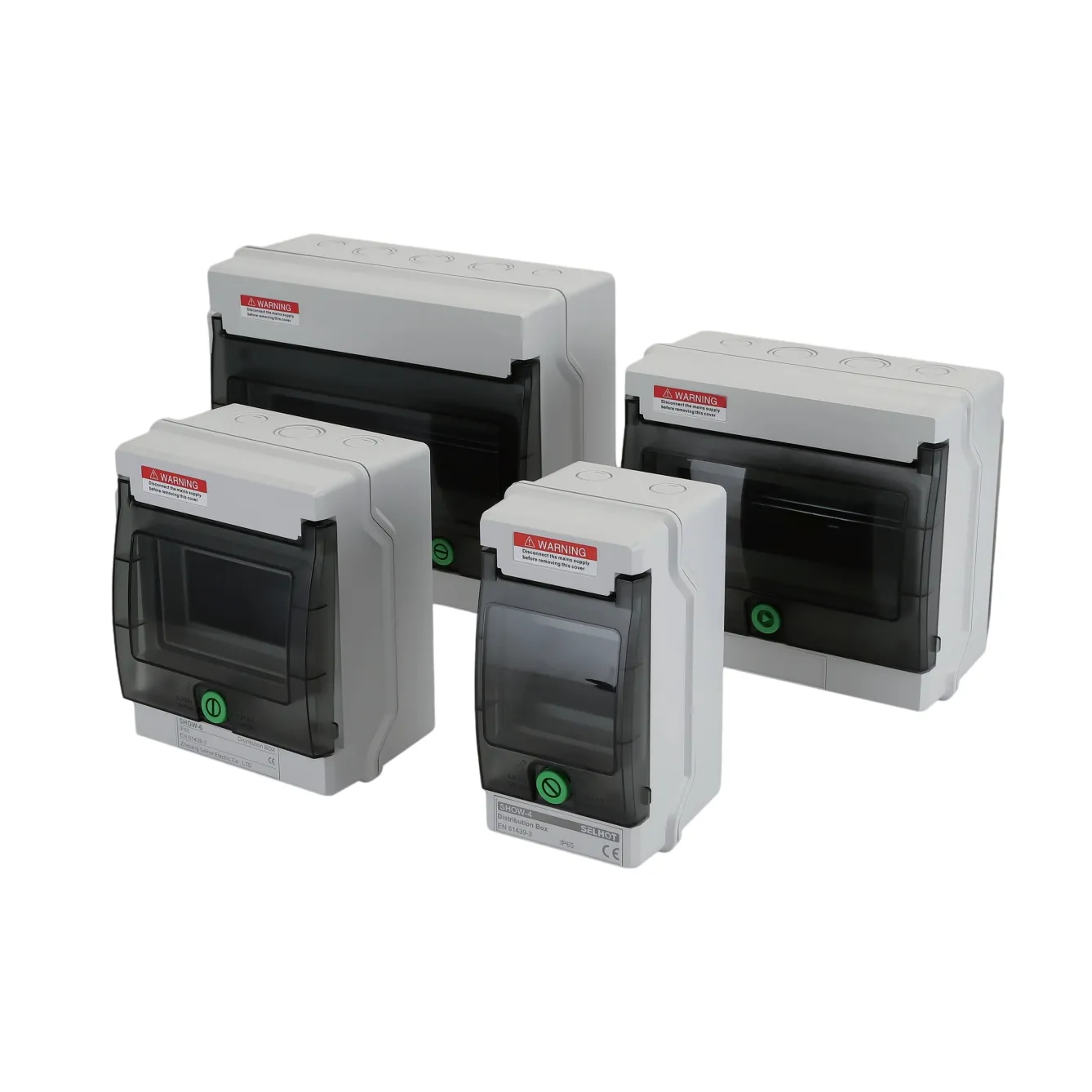 Distribution Board IP65 4–24 modules KNHA Korlen
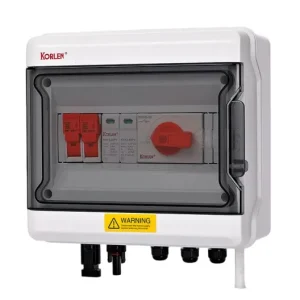 PV Combiner Box 1000 V DC 1 in / 1 out KNX5PV-H/B-1/1 Korlen
 PV Combiner Box 1000 V DC 4 in / 2 out KNX5PV-H/B-4/2 Korlen
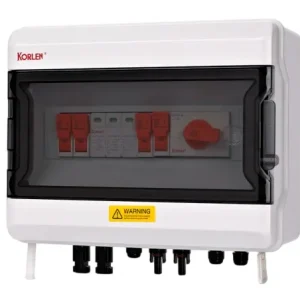 PV String Combiner Box 2 in / 1 out 1000 V DC KNX5PV-H/B-2/1 Korlen
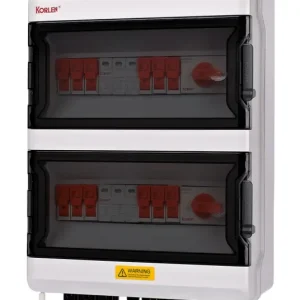 PV String Combiner Box 6 in / 2 out 1000 V DC, KNX5PV-H/B-6/2 Korlen
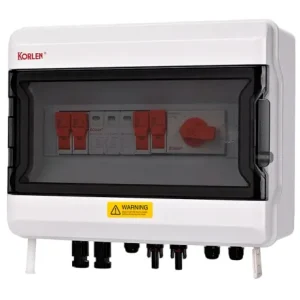 Solar String Combiner Box 3 in / 1 out 1000 V DC KNX5PV-H/B-3/1 Korlen
Cable GlandsIP68 nylon cable glands in PG7 to PG63 and M8 to M114 threads, PA66 body, for waterproof cable entry on enclosures.All Products
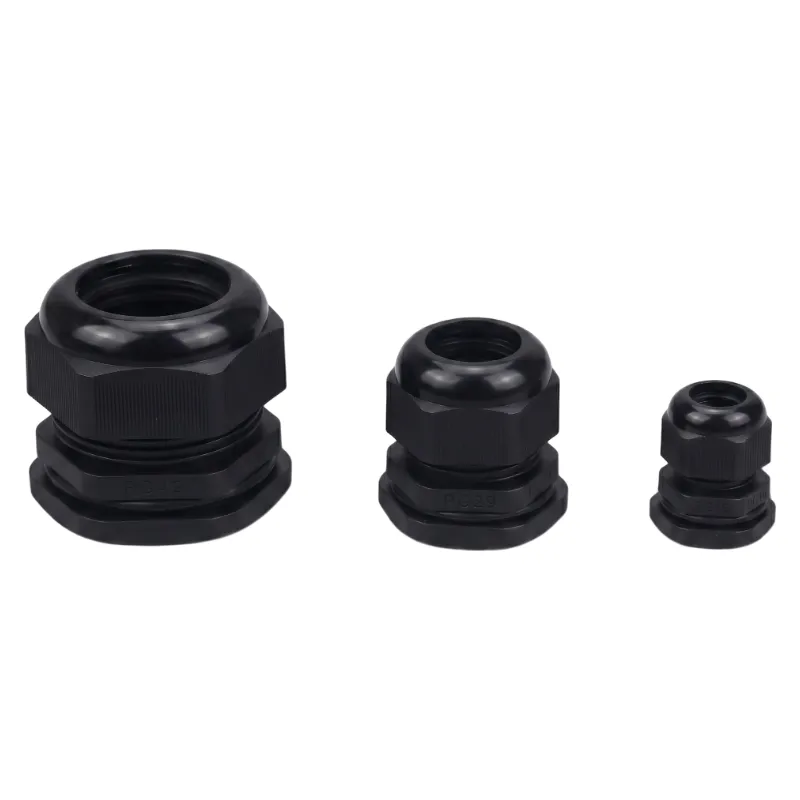 Cable Gland IP68 PA66 nylon PG7-PG63 WZCHDA
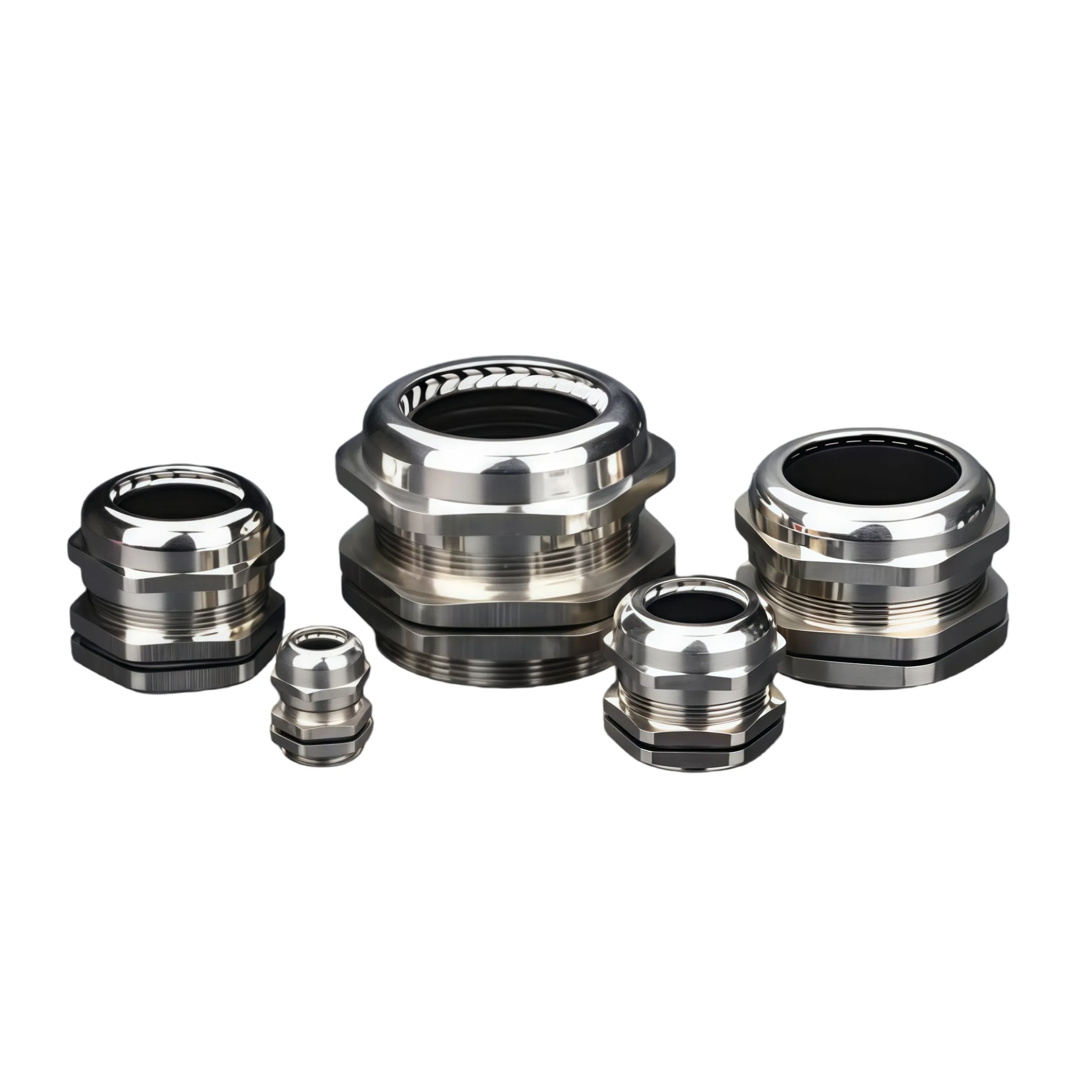 Nylon Cable Gland IP68 PG7-PG63 PG thread WZCHDA
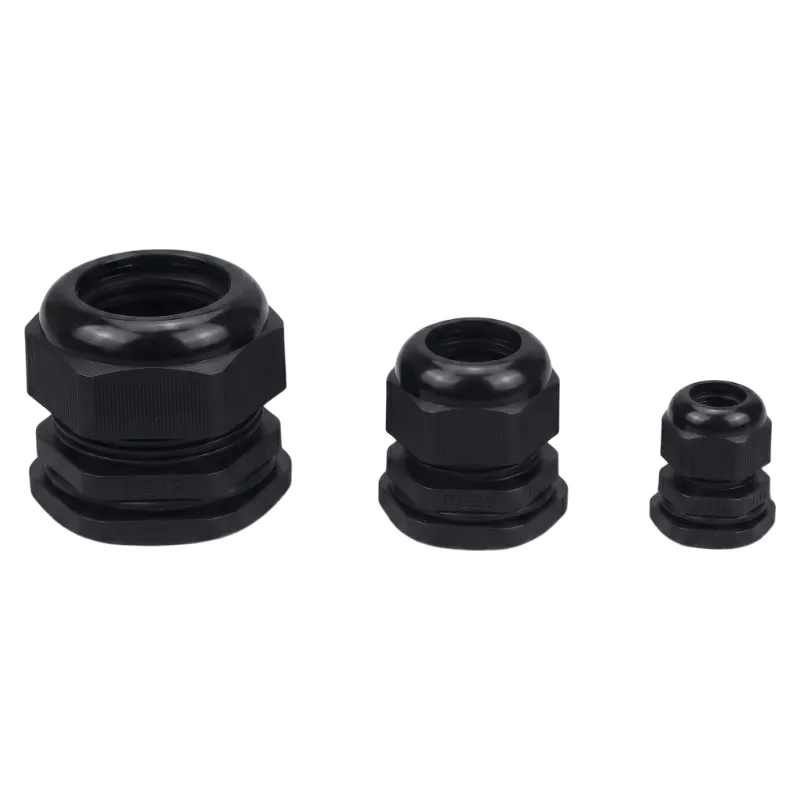 PA66 Cable Gland metric M thread M8-M114 IP68 WZCHDA
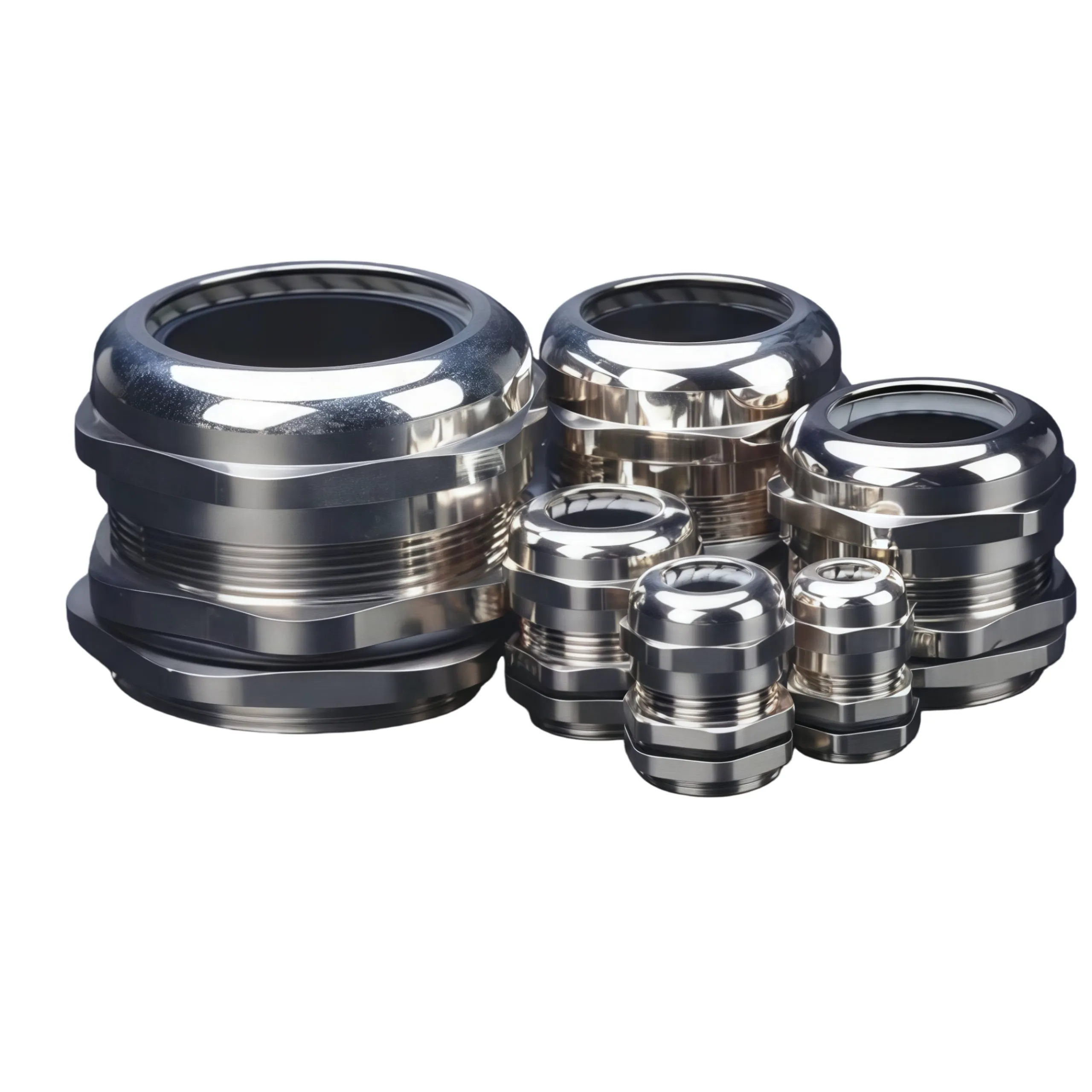 Waterproof Cable Gland IP68 metric M thread WZCHDA
Cable TiesNylon 66 cable ties from 60 to 1500mm, plus stainless steel SS304 and SS316 ties, PVC coated and double head versions.All Products
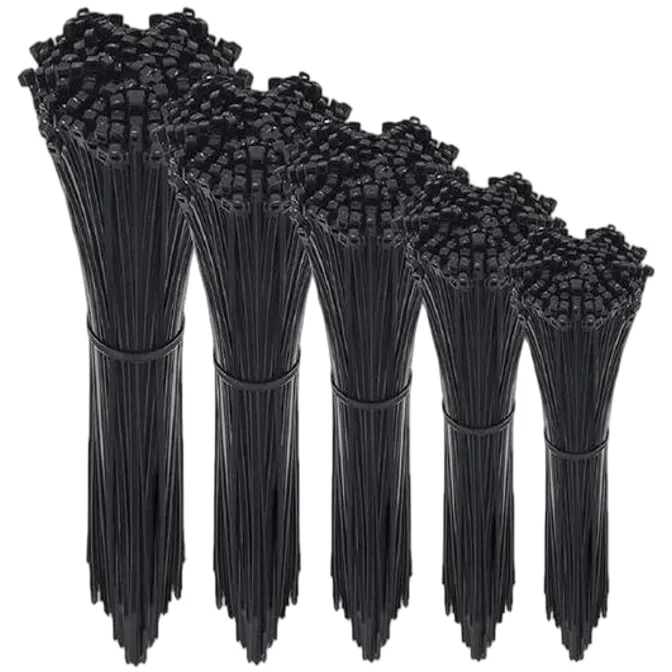 Cable Tie Nylon 66 1.9-10 mm 60-1500 mm ZHEJIN
 Heavy Duty Cable Tie SS304 / SS316 stainless steel 4.6-12 mm ZHEJIN
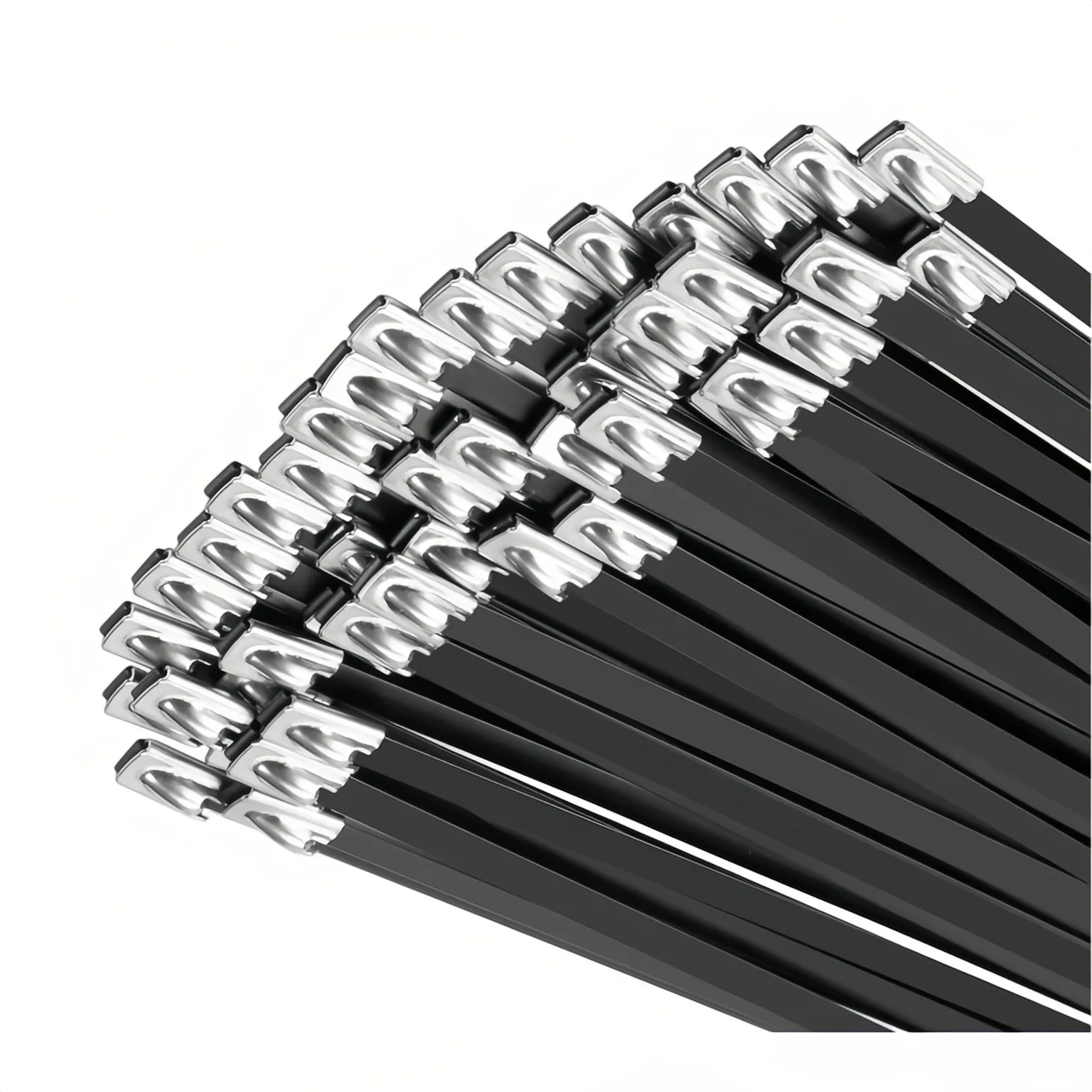 Metal Cable Tie PVC Coated SS304 / SS316 4.6-12 mm ZJS-PC ZHEJIN
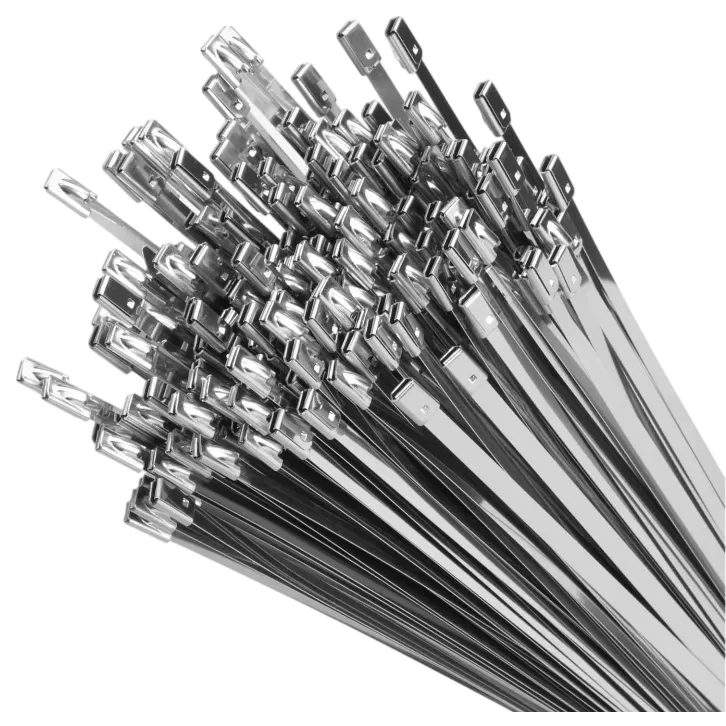 SS Cable Tie 12.3 / 16 / 25 mm ZJDS Double Head Heavy Duty ZHEJIN
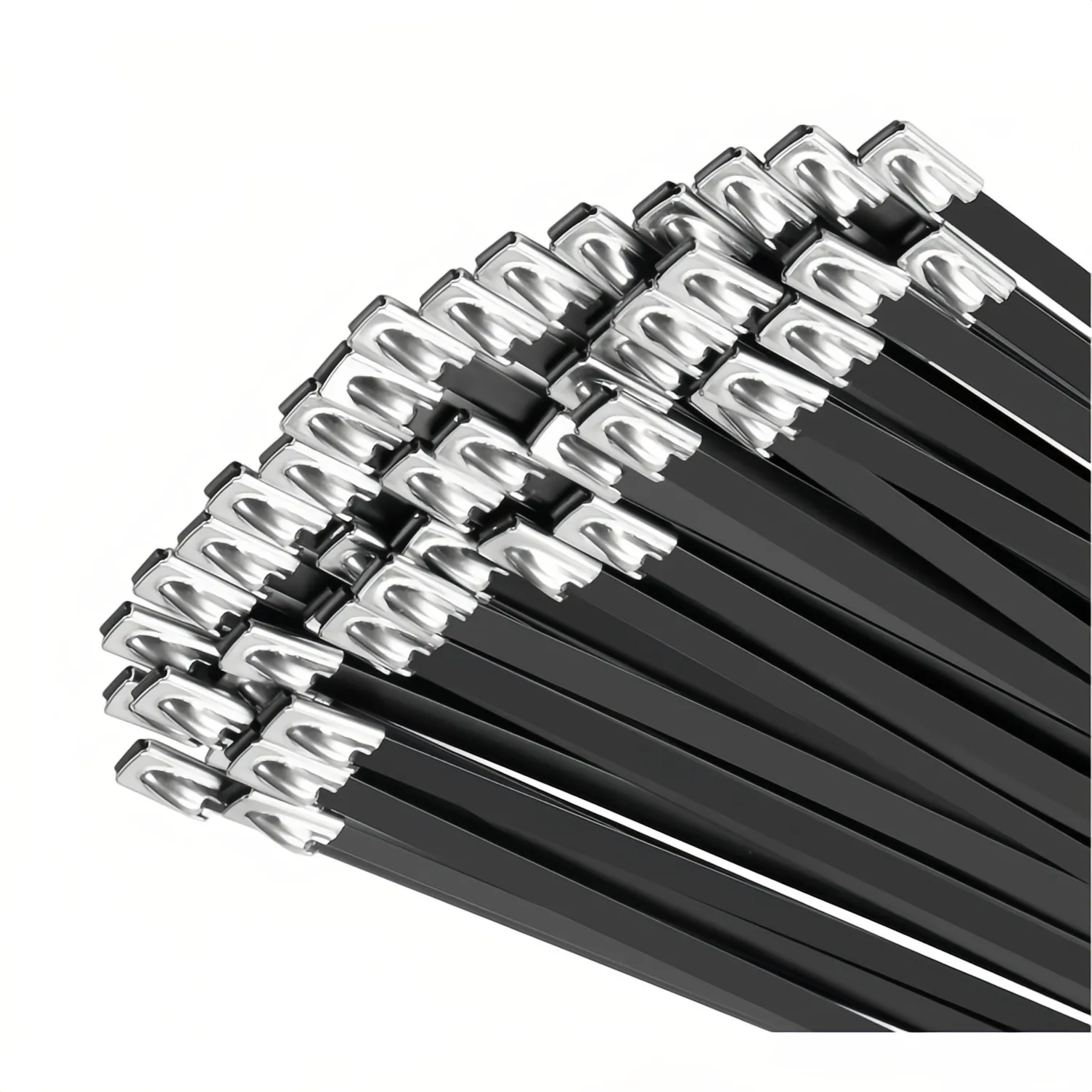 Stainless Steel Cable Tie in SS304 / SS316 ZJS-BC ZHEJIN
Corrugated ConduitFlexible corrugated conduit in PA66 nylon and polyethylene, AD7 to AD54.5, black, for cable routing in panels.All Products
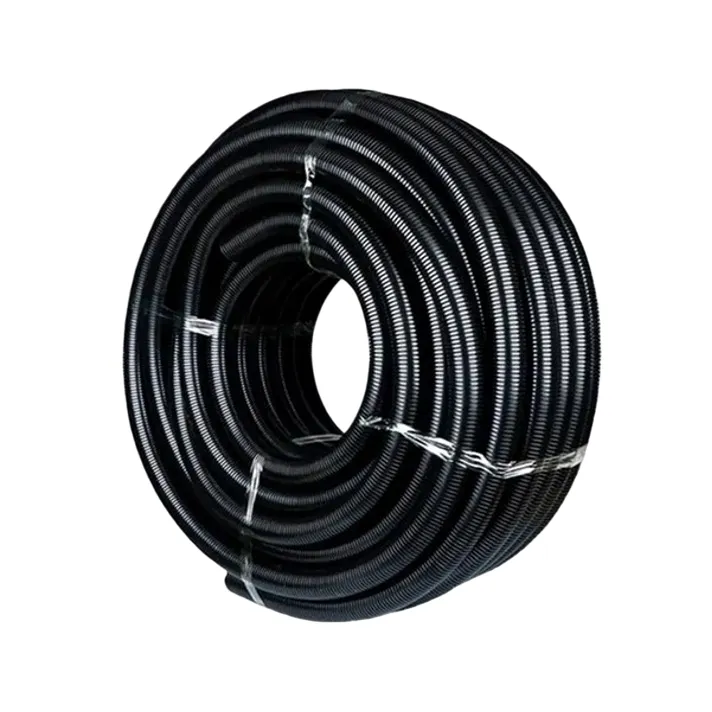 PA66 Corrugated Conduit AD10-AD54.5 nylon Black WZCHDA
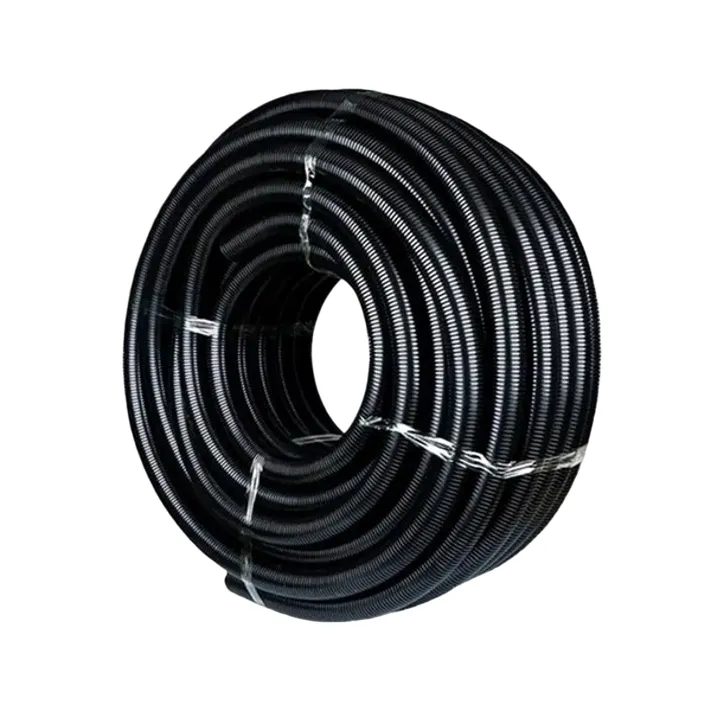 PE Corrugated Conduit polyethylene AD7-AD54.5 WZCHDA
Solar ConnectorsPhotovoltaic cable connectors rated 1000V and 1500V DC, 30A to 65A, IP67, for solar string connections and module wiring.All Products