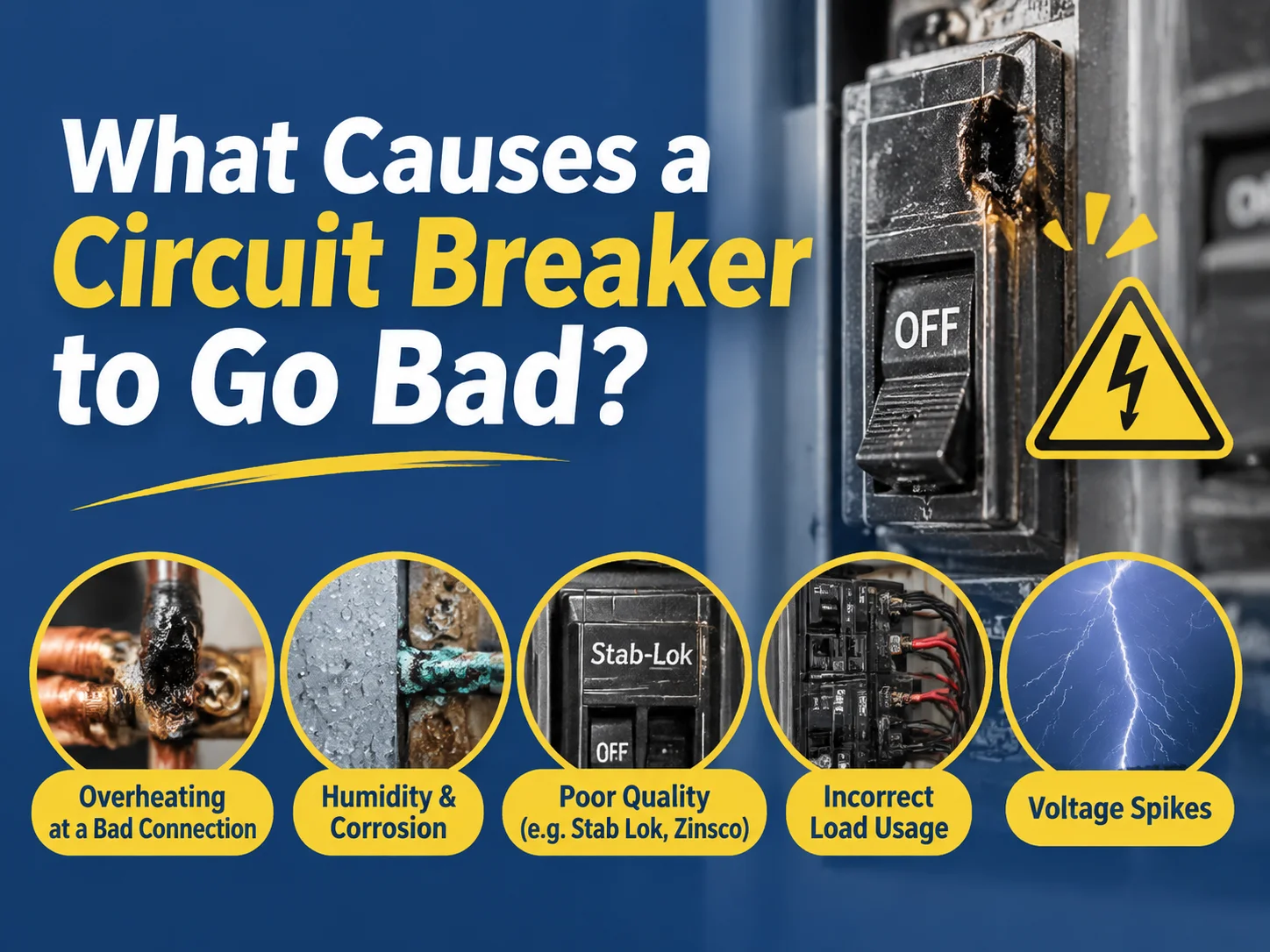
Arc Fault Circuit Interrupter vs Ground Fault Circuit Interrupter – An overview of both devices including their intended purposes and applications, as well as how they can be used together.
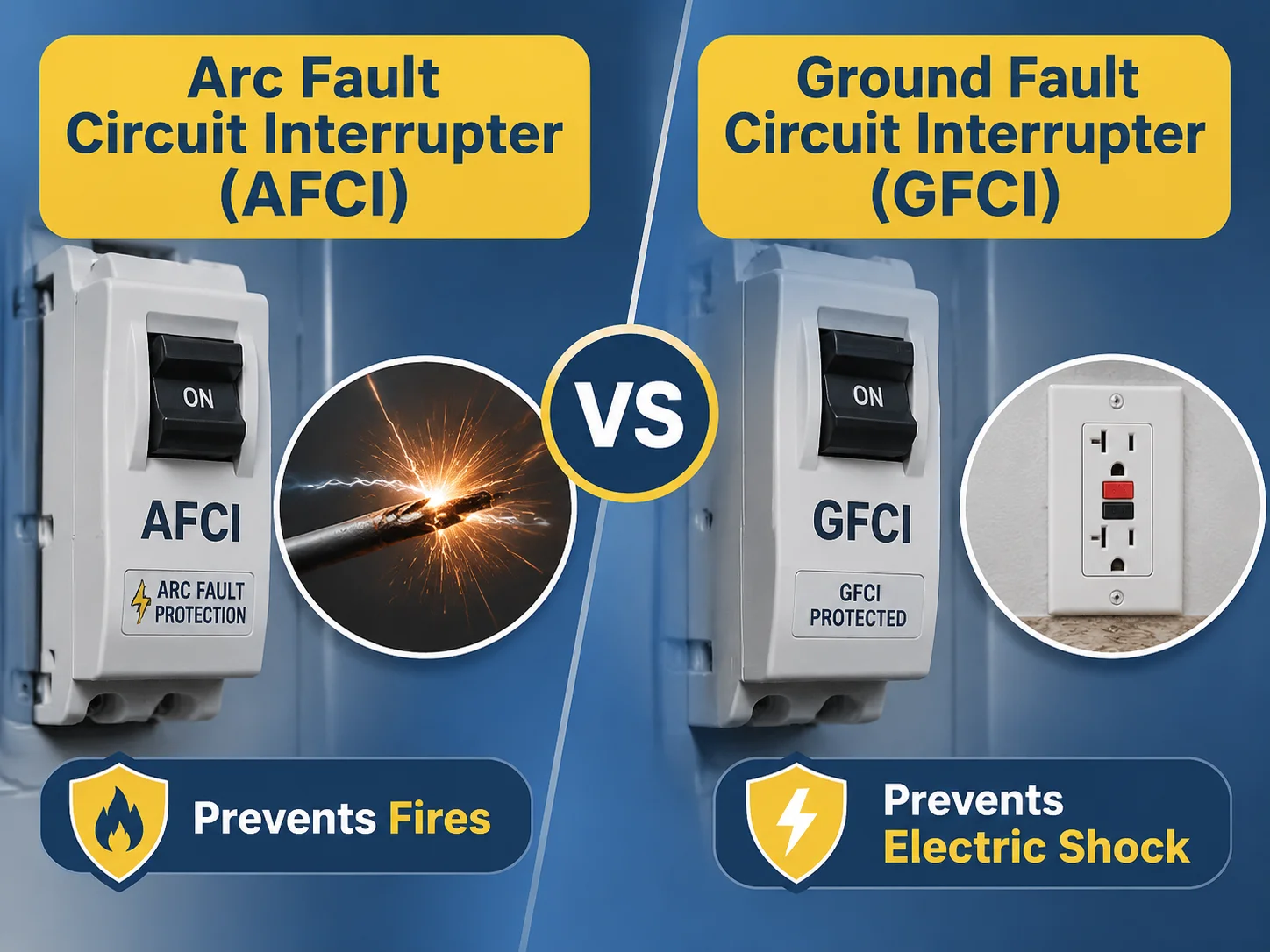
AFCI and GFCI Ground Fault Circuit Interrupters are often confused for one another since they share the same style and are both placed in the same breaker panel. Both are used to protect a person from an electrical incident before they have time to react; however, the function of each device is different, and both should be installed separately from one another. An AFCI detects the electrical signature of an arcing electrical fault where a conductor is either damaged or loose, whereas a GFCI detects when “out-of-bounds” electrical currents are present.
Quick answer: GFCIs trip when there is an electrical leakage to the earth typically between 4-6mA (milliampor); whereas, an AFCI trip when detecting the signature of an arc of electricity due to a damaged or loose wire – GFCI protects against electric shock and AFCI protects against fires by arcing wires. GFCIs are mandatory in most bathrooms, kitchens, outdoors, garages, and next to sinks. AFCIs are required on almost all 120-volt branch circuits used in residential units and with the latest editions of the National Electrical Code, include bedrooms, living rooms, and kitchens/laundry rooms. Both of these types of circuit breakers can be located together in the same circuit – a GFCI receptacle connected downstream from an AFCI breaker is an example of this and is acceptable.
The sections following this quick reference guide will provide you with information on how both devices sense an electrical fault, how the code treats the devices differently, the locations where each device must be installed in a residential dwelling by room, how to distinguish between AFCIs and GFCIs visually, types of devices that can be used in combination with both, how to prevent nuisance tripping, the cost of the devices, a selection table listing scenarios for all three types of devices, and how to test each device.
The Difference in One Paragraph
The variance between the AFCI and the GFCI can be summarized in one short paragraph.
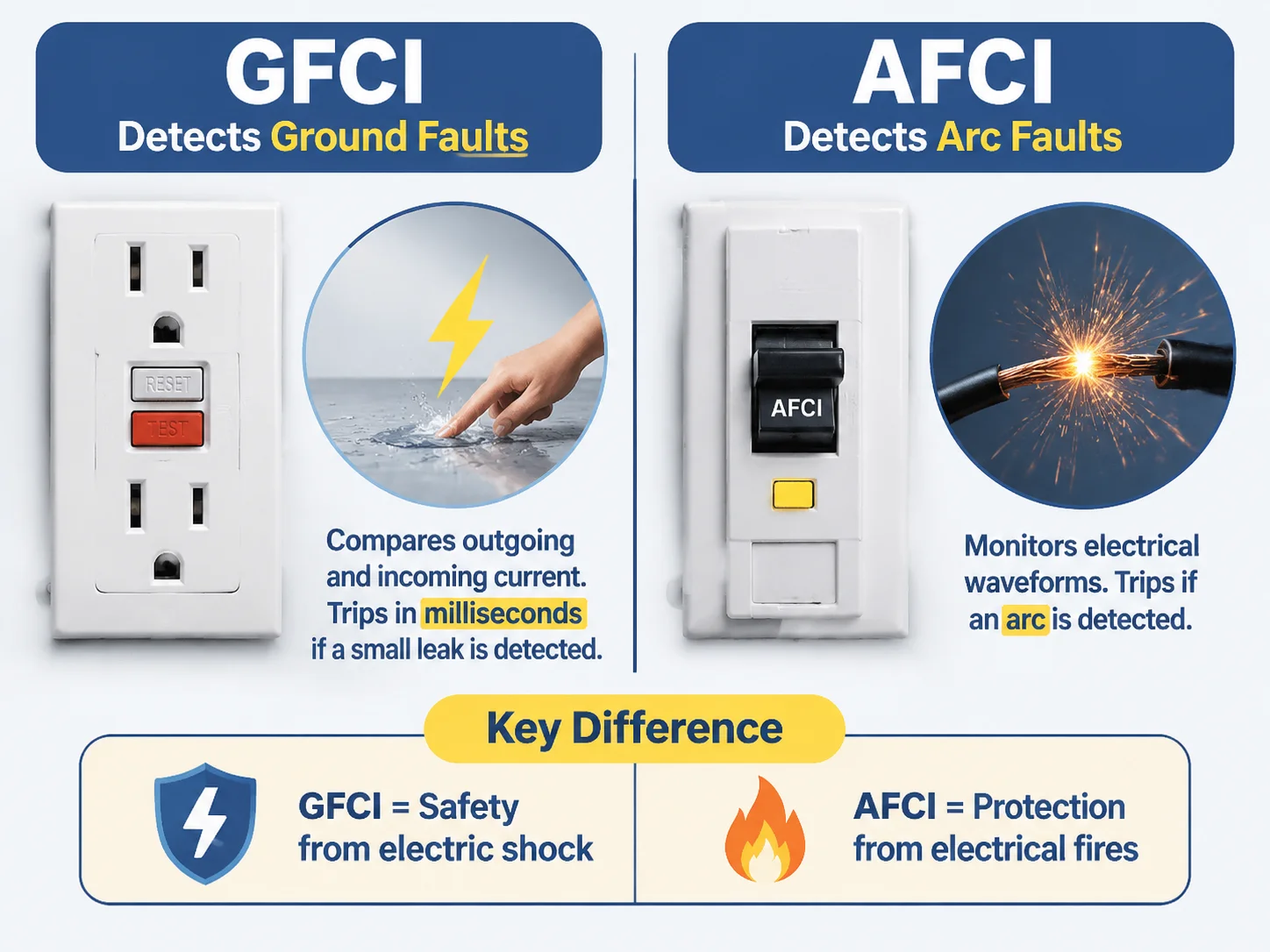
A GFCI compares the amount of current flowing out from the live conductor to the amount of current flowing back in on the neutral line. If there is a difference of just a few milliamps between these two amounts, that means there is some current going to a place it shouldn’t be (i.e., a person, a wet floor, etc.) causing an electric shock hazard. The device reacts to this difference by opening up and disconnecting the electrical supply within milliseconds.
An AFCI does a more complicated job than a GFCI; it monitors the high-frequency waveforms of the electrical signal and determines whether that signal looks like an arc. This is because an arc occurs when a conductor is broken (such as at the connector of an extension cord), has a loose connection, or has been punctured by a nail. An arc that occurs between line and neutral may draw hundreds of amps, but won’t trip a thermal breaker due to the average current being low. The entire purpose of an AFCI is to interrupt this type of failure.
The key difference is that neither device is capable of detecting the other’s type of issue. For example, a GFCI will not interrupt the flow of electricity caused by a damaged extension cord, so it wouldn’t sense any leakage to earth, while an AFCI wouldn’t react to a person touching a live electrical wire while also touching a grounded object because the current flowing through the person and into the earth would be read by the AFCI as a normal load.
A GFCI plugs into (or connects to) power at the Neutral pole of its circuit. These devices are designed and tested for ground fault electrical safety. A GFCI should operate within a specified current range; if a GFCI should trip below the 4 mA minimum, it is an electrically defective device. A 5 mA figure for a GFCI is the average of the tripping thresholds for 6 mA and 4 mA; the 5 mA is the range or middle of the range. A lower number is better than a higher number because the human body (most often in a bathtub) is a better current conductor than the average nonwet, bare human foot standing on dry ground.
Equipment protective devices are a different type of electrical safety device than GFCIs. For example, the European standard for socket circuits is a 30 mA ELCB and provides fire and continuous leakage protection from personal injury; the 30 mA device cannot guarantee reliable personal protection when the GFCI trip point is at 5 mA. Because of these two standards, it is permissible for a building to have both 30 mA devices on general circuits and lower-rated devices (10 or 6 mA) on damp areas, such as bathrooms and outside the building. A datasheet that identifies a product as having the designation of “RCD,” without providing a sensitivity rating (current rating for trip levels), is of little value.
An AFCI does not detect a current level; the AFCI detects a unique electrical pattern of arcing condition. The UL 1699 standard defines specific test patterns that must be detected. The difference between types of AFCIs is determined by the test waveform patterns the AFCI manufacturer uses to test their AFCI. The combination AFCI detects 1) series, 2) parallel and 3) line-to-ground arcing conditions.line-to-ground arcing conditions.
AFCIs that were in service were “older” types of AFCIs designed to protect against arcing–some of them are still found today in electrical panels manufactured in the 2000’s. The testing protocols used to determine the effectiveness of these older types of AFCIs were focused on identifying the conditions under which it would not trip–this is why replacing an older type with a combination device (e.g., AFCI + GFCIs) is an upgrade and not merely a swap of like-for-like devices.
Code Separation: 210.8 vs 210.12
Each of these requirements addresses different topics under separate articles of the National Electrical Code. GFCI was introduced in the 1975 Edition, to protect individuals from electrocution while using electrical receptacles in wet locations (e.g., bathrooms). GFCIs have been added through successive editions of the Code in response to the number of electrocution incidents that occurred when someone used an electrical receptacle in a bathroom, and have been extended throughout the years to include: kitchens, patios/outdoors, garages, crawlspaces, unfinished basements, laundries, and any other receptacles located within 1.8 meters of any sink.
AFCIs, however, were not added to the National Electrical Code until after the Code’s 1999 edition. They were first introduced on the basis that it is believed that a significant percentage of residential fires are caused by electrical arcing occurring in concealed wiring that could not be detected by circuit breakers. Since then, AFCIs have been added in virtually every subsequent Code edition, and in the 2020 and 2023 Editions cover most 120 Volt Branch Circuits in Residential Dwellings, including Kitchens and Laundry Areas.
The significant gap between the two codes appears to be in Bathrooms. The Base Code has no AFCI requirement for Bathrooms; however, the GFCI requirement does address, and due to the limited length of a Short Bathroom Circuit there is little risk of generating a fire in a Bathroom. Some jurisdictions within the United States do have AFCI coverage for Bathroom Circuits, however, and in those areas are installed combination devices (AFCI & GFCI) as a single device.
When you’re specifying for a project, be aware that the edition of code you choose to adopt and any local amendments should be given more importance compared to the model code because the same drawing in different jurisdictions can have very different requirements based on the edition of the code adopted. (For example, if one jurisdiction adopted the 2017 edition and another jurisdiction adopted the 2023 edition, then those two jurisdictions would have to have very different requirements for the same drawing.)
The chart below represents a summary across the various rooms of North American Residential dwellings. Commercial occupancies are covered under different sets of rules and do typically require Ground Fault Circuit Interrupter (GFCI) protection for wet and outdoor locations but do not require Arc Fault Circuit Interrupter (AFCI) protection.
| Location |
GFCI and AFCI requirement |
| Bathroom |
All Receptacles Required — Ground Fault Circuit Interrupters (GFCI) not required by the base code; Required since 1975 attributed to being the oldest Ground Fault Circuit Interrupter location |
| Kitchen Counter Top |
Required — Required for 2020 and later editions: kitchens must have a minimum of two (2) – 20 amp Small Appliance Circuits. |
| Laundry Area |
Required — Required prior to 2020/2023 – Washing Machine Receptacle on its own 20 Amp Circuit |
| Bedroom, Living Room and Hallway |
Bedrooms & Living Room are not required; however, they need to have Arc Fault Circuit Interrupters (AFCI): original locations for AFCI were created 1999 and 2008 |
| Garage and Unfinished Basement |
Required if 120 Volts – both apply to GFCI and AFCI, hence typical dual-function devices. |
| Outdoor Locations including Balconies |
Required however dependant upon Circuit; Weather Resistant Devices in Wet Locations. |
| Within 1.8 M (6′) of Sink |
Required even if not within a bathroom (includes Wet Bars and Utility Sinks) |
| Dishwasher, Disposal, Refrigerator |
per Local Amendment. |
Read as Minimum Requirements and not as Design Requirements.
There is nothing preventing a designer from providing every 120 V circuit in the house with a dual-function breaker. On many high-end jobs this is exactly what they do since the incremental cost of a dual-function breaker versus a call back is minimal.
What They Look Like and How to Tell Them Apart
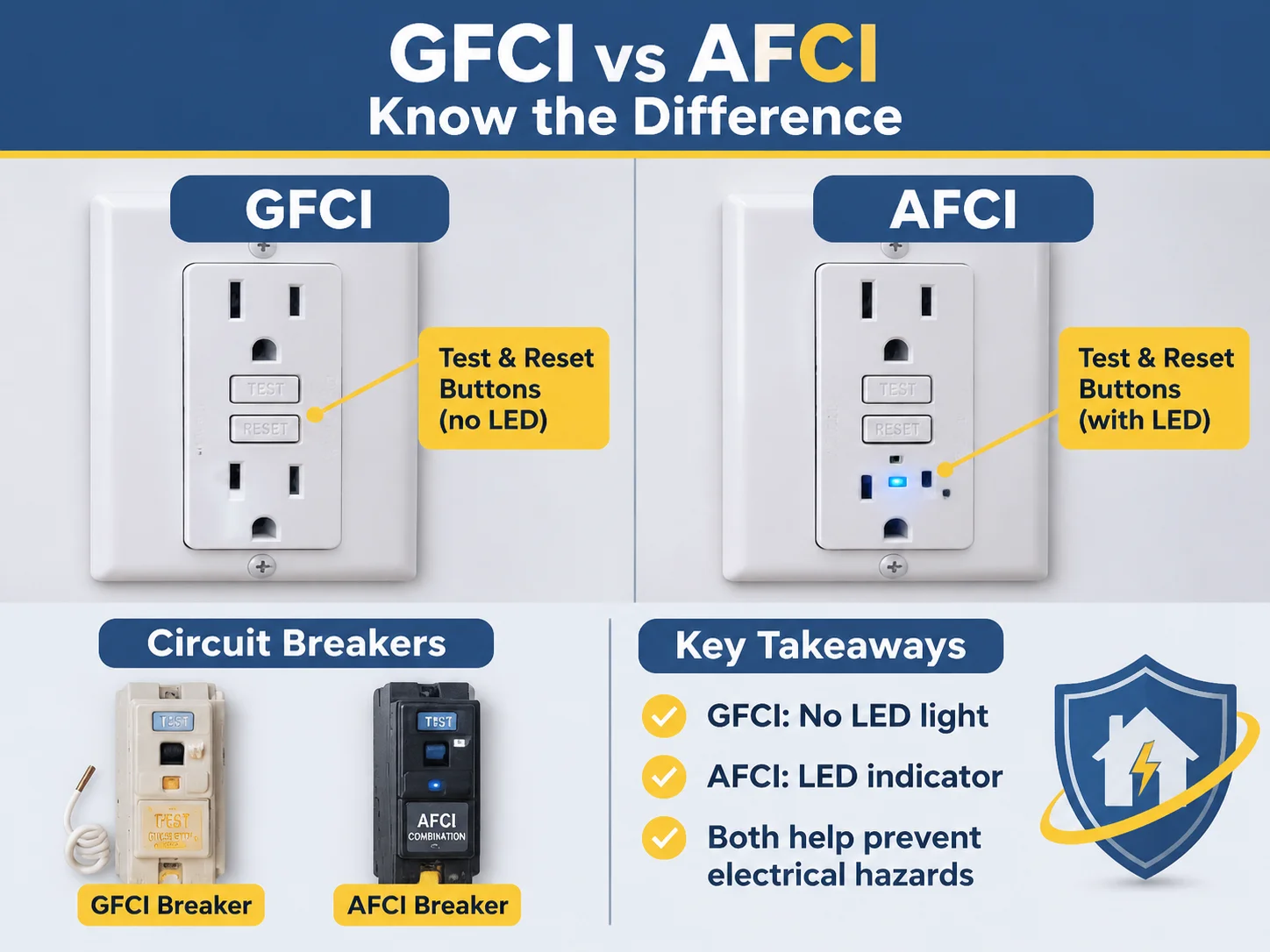
As a receptacle, a GFCI has the TEST and RESET buttons on the top of the receptacle. The test button is usually smaller in size than the reset button and does not typically have an indicator LED light under standard receiver configurations. An AFCI receptacle has the TEST and RESET buttons; however, almost always has an indicator LED light. This LED may be blue or amber in colour to indicate whether it is in an on or off condition, and when the device trips it flashes a code indicating what led to the trip. The LED indicator light is the fastest and easiest way to determine the difference between the two types of devices mounted on the same wall.
As a breaker, the differences between the two types become easier to recognise. GFCI breakers will have a TEST button and for the majority of manufacturers’ products will have either a white or yellow case and curly white neutral pigtail connected to the neutral bus. AFCI breakers will typically have a TEST button, a diagnostic LED, and a COMBINATION label if it is a combo product. A dual-function breaker will look like an AFCI breaker, have both types of markings on them, and the pricing of the dual-function breaker will be the indicator that it performs two functions.
Another practical difference that some individuals do not see while doing a panel change is the size of the breakers. A GFCI breaker utilizes one pole for the use of the breaker, and requires a neutral connection, so it has the same width as a standard breaker with the requirement of having a neutral terminal on it. Typically, an AFCI breaker has one-inch width, single pole, and dedicated neutral. Dual function devices have roughly the same width as an AFCI. However, if an existing panel is already full, then there may be no room for either.
There are four main types of AFCI devices: Receptacles, Breaker, Deadfront and Portable
GFCIs (Ground Fault Circuit Interrupters) are available in five varieties. The most commonly found is a GFCI receptacle that provides protection for itself as well as anything else connected to it downstream from that point on the same electrical circuit. A GFCI breaker protects everything connected to the electrical circuit. A GFCI deadfront device does not have a user interface. It provides GFCI protection where an inspector would expect to see a device being protected but not necessarily being accessed for use by a person. GFCI portable units are typically used for temporary and/or construction purposes, while GFCI cord sets are rarely found in North America; they are commonly used for tools and hairdryers in Europe.
AFCIs come in four varieties. Branch circuit AFCIs provide complete protection for the home run feed, combining the branch circuit AFCI with a parallel ground arc detection feature. They are generally used for feed lines and when there is a need to protect devices that do not have access to AFCI protection. A combination AFCI breaker provides branch circuit protection and uses the ground arc detection feature in a single circuit. The outlet circuit AFCI is a receptacle device that provides AFCI protection for circuits all the way to the panel; this product is often used when upgrading existing electrical panels. The cord AFCI is intended for appliance use only; however, cord AFCIs are very rarely seen outside of designated product categories.
In territories outside of North America (example: Europe), there are many different naming conventions for AFCIs. It is important for individuals purchasing AFCIs to be familiar with the naming conventions of multiple countries and regions before purchasing products. In the IEC universe, the terms RCD and RCBO, as well as RCCB and AFDD, are commonly referenced; the latter term (AFDD: arc fault detection device) would be equivalent to AFCI in North America. An RCBO (Residual Current Circuit Breaker with Overcurrent Protection) contains both overcurrent and residual current and is the basis for the majority of European Consumer Units while the AFCI (Arc Fault Circuit Interrupter) versus GFCI (Ground Fault Circuit Interrupter) debate will ultimately come down to adding an AFDD (Arc Fault Detection Device) to an existing Consumer Unit which contains RCBOs as standard practice.
Globally, most installations consist of a combination of the two forms. The most common configuration is a 1P+N RCBO. The reason why there are only eight to ten devices in a European Consumer Unit instead of sixteen, is because the 1P+N 10 to 63A residual current protection is used for all final circuits up to 63A.
What Works Together
There are four versions of how to use both AFCI and GFCI on the same circuit, but are not all equal. Also, the application of an AFCI breaker with a GFCI receptacle downstream provides the necessary protection and has been standard practice for years, provided there is room in the panel for this type of device. Another version is a GFCI breaker with an AFCI receptacle downstream. While this version does function, it is rare and likely hard to justify for use on a commercial level. Finally, a dual-function breaker combines both functions into one pole and is the neatest means of providing both functions, provided there is room to install it in the panel.
One combination will not function, which is to install a GFCI receptacle on a standard breaker. This will not produce any Arc protection. A GFCI receptacle has no arc detection capability so there is no protection from a house fire in the event of a damaged conductor located behind the receptacle.
What’s typically the deciding factor is panel space. The choice between using an AFCI breaker versus a GFCI receptacle is determined by the amount of space available in the electrical panel or by how many circuits are already in use.
An AFCI breaker will use one pole plus the neutral for the circuit it protects, while the receptacle does not use any poles. If the panel is already full, then the receptacle is likely your only option if you do not want to install a sub-panel to add circuits.
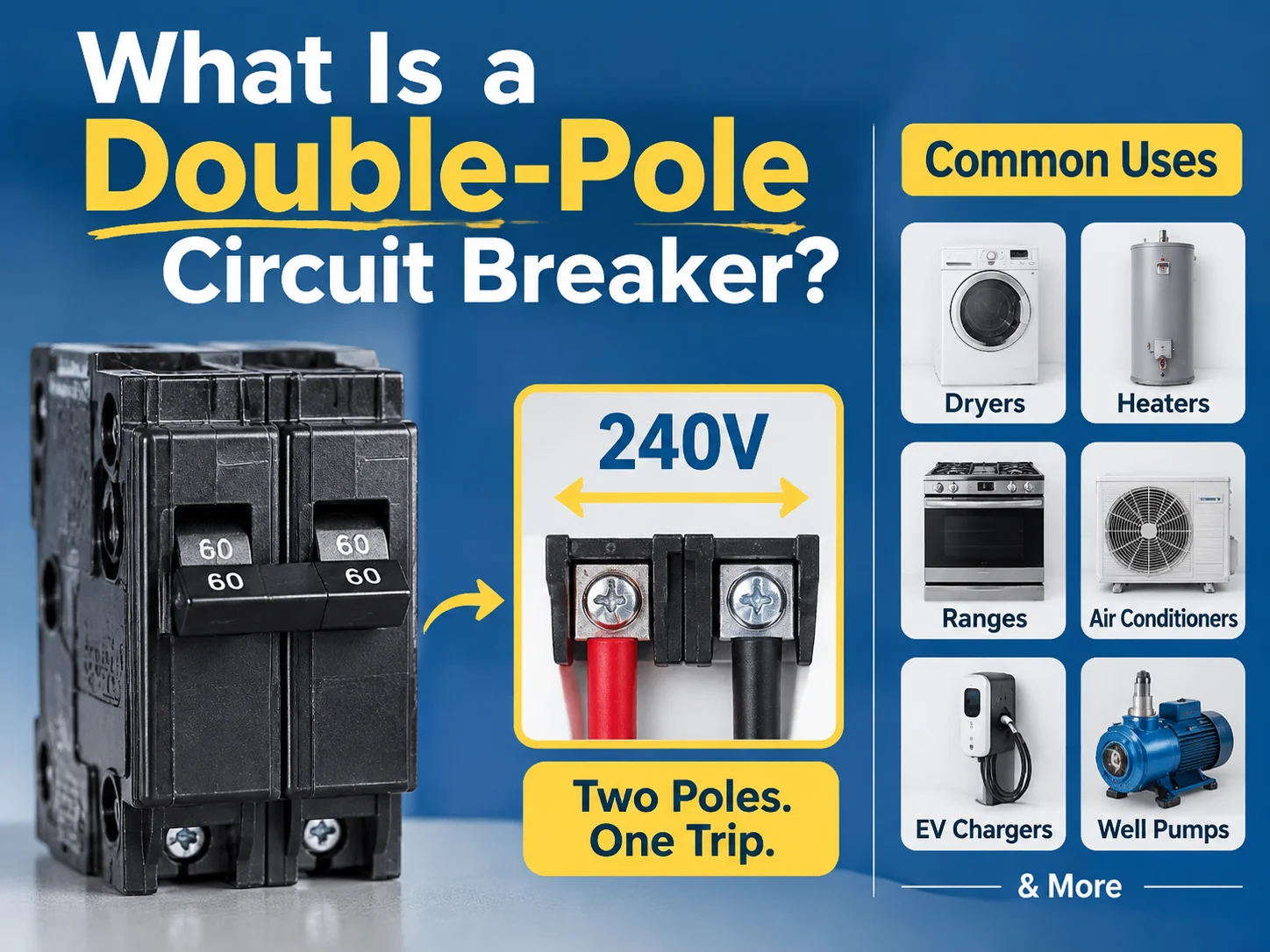
Where the panel has space available, keep an eye on using a two-pole miniature breaker for the 240 V circuit. Residual and arc protection is required for a two-pole circuit and, therefore, must be provided by a two-pole device. A single-pole AFCI device will not be able to provide this protection, as it can only provide protection for a single-pole circuit.
The Most Common Reason for Nuisance Tripping: The Wiring
Both devices are often blamed for tripping for no apparent reason, and in most instances, they are reporting on a true condition. In the case of GFCIs, common causes include motors with marginal windings, shared neutrals between circuits, damp insulation on heating elements, or excessive capacitive leakage from the long cable runs exceeding the trip threshold. If a GFCI in a bathroom trips whenever a towel rail is warmed up, it may indicate that the towel rail’s heating element is failing.
In regard to AFCI, there are four noted causes of tripping: sharing a neutral on a multi-wire branch circuit; driving the staple too tightly through the cable; backstabbed receptacle connections; or using a vacuum with a brushed motor, which produces a waveform resembling an arc. The first three are legitimate defects and can be corrected, while the fourth is the reason why AFCIs have seen multiple generations of firmware, yet sometimes still trip from older devices.
The diagnostic LED is important to consider. The flashing sequence represents a code. This code helps to differentiate between series and parallel arcs, and between ground faults. By reading these codes prior to resetting the AFCI’s tripping function allows for a nuisance call to become a five-minute diagnosis. The panel door also contains the table for these codes.
All questions related to matching the appropriate AFCI devices to the various types of application boards available has been included in the Application FAQ page. This FAQs page is categorized according to product family.
Pricing: The Price Difference & the Size of the Price Difference
AFCI devices are priced higher than standard receptacles due to the added expense for signal processing in order to detect arcs rather than relying on SmartConnector technology utilized by standard receptacles. Therefore, AFCI is able to detect an increase in series/parallel arcs, whereas GFCI devices rely solely on the increase of ground faults. Therefore, while an AFCI device may cost substantially more than a GFCI receptacle, when purchased together with a GFCI breaker, the overall cost of an AFCI and GFCI breaker will be approximately equal to the cost of an AFCI/GFCI receptacle combination.
| Device |
Typical Prices |
Protection Provided |
Best Used Where |
| GFCI Receptacle – 15/20 amp |
$18 – $30 |
Protection at receptacle and downstream loads |
Retrofit, Bath, Kitchen, Outdoor |
| AFCI Receptacle |
$30 – $45 |
Protection at all loads on an AFCI circuit |
Where a panel change isn’t possible. |
| GFCI Breaker – Single Pole |
$90 – $130 |
Protection for whole circuit |
Hot Tubs, Spas, Buried Wiring, No Accessible Receptacle |
| AFCI Breaker – Combined Type |
$45 – $70 |
Protection for whole circuit |
New bedrooms and living areas |
| Dual Function AFCI and GFCI Breaker |
$60 – $95 |
Protection for whole circuit against both hazards |
Kitchens, Laundry rooms, Garages, and all Wet/Arc prone circuits |
| Deadfront GFCI Receptacle |
$25 – $45 |
Protection for downstream equipment |
Spa Packs, Hydrotherapy tubs, and equipment rooms |
The dual function line of breakers changes our choices: When both forms of safety are needed, it costs us less than purchasing both a GFCI receptacle in addition to an AFCI breaker, uses one pole instead of two devices, and has one location for resetting should the breaker trip; therefore, this type of breaker has become our default choice when doing new residential work and has caused the replacement of separate breakers for an AFCI and GFCI with the retrofitting of each.
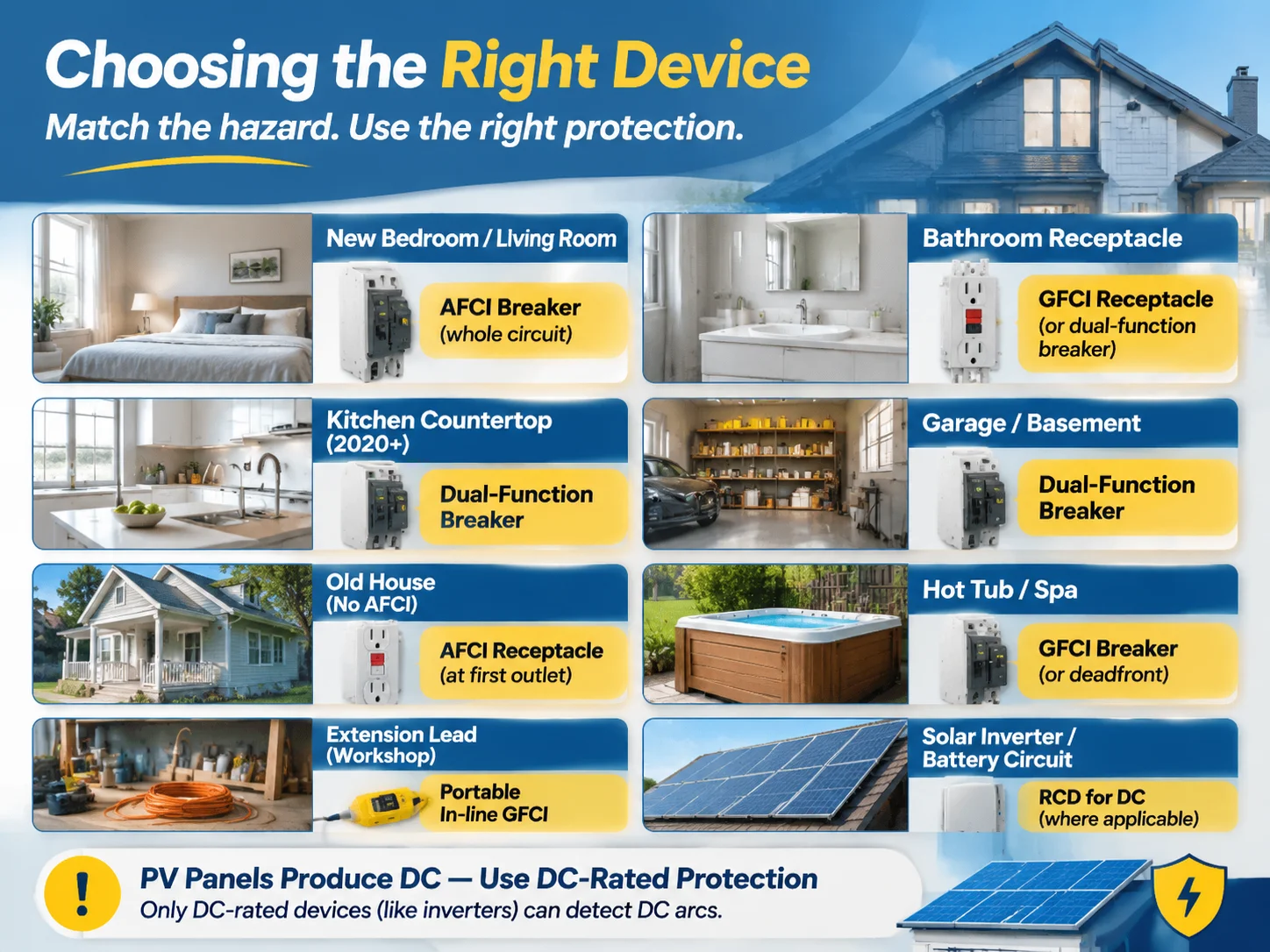
Choosing a Device: A Scenario Table
In practical situations rather than theoretical ones, you should refer to this table when choosing devices. Each row of this table represents an actual case of usage for our devices, and the answer indicates the device that will meet that case using the least number of devices required.
| Scenario |
Device |
Reason |
| New bedroom or living room circuit |
Combination AFCI breaker |
AFCI required, GFCI not, and the breaker protects the whole run |
| Bathroom receptacle |
GFCI receptacle, or dual-function breaker |
Shock risk is the hazard; AFCI not required by base code |
| Kitchen countertop in a 2020 or later code cycle |
Dual-function breaker |
Both requirements apply to the same circuit |
| Garage or unfinished basement |
Dual-function breaker |
GFCI for damp, AFCI for damaged cable in an exposed run |
| Old house, no AFCI, panel full |
AFCI receptacle at the first outlet |
Protects the circuit without a panel change |
| Hot tub or spa |
GFCI breaker or deadfront |
Equipment protection and a disconnect in sight |
| Extension lead in a workshop |
Portable in-line GFCI |
Shock protection at the point of use, no wiring change |
| Solar inverter or battery circuit |
Residual and overcurrent device rated for DC where applicable |
Arc detection differs on DC, so the device has to be listed for it |
The final row represents advice that may be well-intentioned but has been incorrectly applied. An example is that an array of photovoltaic panels (PV) produces direct current (DC), therefore it cannot be protected from the dangers associated with electric arcs using an alternating current (AC) arc-fault circuit interrupter (AFCI). Only direct current (DC) devices or equipment such as inverters and purpose-built devices are designed to detect and protect against DC electric arcs. The residential rooftop PV package is specified based on the location of the inverter, which is able to detect arcing, and the location of the array, where an arcing event can be isolated.
Testing and Replacement
Both devices come with test buttons that are intended to be tested monthly, however, most people do not test GFCI/AFCI devices every month. While the test button does check the trip mechanism, it does not necessarily test the sensing circuit in every instance. Therefore, an electrical inspector who has only pressed the button and believes it is functioning appropriately may find that it does not react properly to an actual electrical issue, thus providing false confidence to both the electrical inspector and the home owner, at a later date, if there is a problem. Electricians will use an external testing instrument for all GFCIs and AFCIs above the monthly basic method of testing.
GFCIs/AFCIs have a life expectancy that is less than most people think. Common GFCI Rating systems provide an average life of 10 to 15 years for GFCIs in a damp environment; the electronics used in the AFCI also have a similar average life. If an electrical inspector finds a receptacle from 1990s, with a 2026 sticker on the test button, it is overdue for replacement. An AFCI or GFCI that has tested OK when testing with a physical test button, but that subsequently does not trip on a load test has tripped closed, providing no protection at all, yet looks to the user as if it is functioning.
Replacement does not always equal like-for-like. A first-generation AFCI breaker from 2002 may require replacing with a modern combination breaker. That being said, if you have a panel that is known to have had trip issues, replacing only the AFCI may not be sufficient. You will need to replace the entire panel with an IP65 modular distribution board.
Select the appropriate device per the location & use both devices where needed: GFCI devices will be used for shock protection in bathrooms, kitchens, outdoors, garages & near sinks: AFCI devices will be used for fire protection on 120 V dwelling branch circuits (i.e. kitchen & garage circuits). The easiest way to comply with both requirements if the circuit is kitchen or garage in the current code cycle is through the use of dual-function breakers.
FAQ
Are Ground Faults & Arc Faults the same?
No. Ground Faults are caused by current leaking to earth: they cause shock hazards, and GFCIs detect Ground Faults at 4-6 mA. Arc Faults are caused by sparks produced by damaged or loose conductors: they cause fire hazards, and AFCIs detect Arc Faults using current waveforms. Ground Faults can also produce arcs, but these conditions are detected in different ways.
Can an AFCI & GFCI be on the same circuit?
Yes, and it is common practice to combine devices in this way: either use a dual-function breaker (which provides both protections); or use an AFCI breaker upstream of a GFCI receptacle. Both of these installations meet code requirements. It is strongly discouraged to install two GFCI devices in series because it leads to confusion concerning the resets.
May I install GFCIS on an AFCIs breaker?
Yes! In an electrical circuit, when you use a GFCI (Ground Fault Circuit Interrupter) receptacle downstream of an AFCI (Arc Fault Circuit Interrupter) breaker, you’ll have protection from shocks at the receptacle and arc protection for the home run back to the breaker panel. This setup is commonly used when retrofitting existing panel boards with AFCI breakers and needing GFCI protection for the bathrooms. If you are providing GFCI protection to downstream outlets, the GFCI must be placed first on the circuit because it does not provide the same protection for the AFCI breaker.
Does my bathroom need an AFCI breaker?
The base National Electric Code does not require an AFCI in any bathroom, due to the GFCI requirement. However, some states have changed this requirement by requiring all dwelling circuits to be protected by an AFCI breaker. If you live in one of these states, you can use a dual-function breaker that meets both a GFCI and an AFCI. Check your location’s adopted codes for which edition has been adopted.
Why is my AFCI breaker constantly tripped?
Usually, there is a real defect in the branch circuit causing the trip, such as a shared neutral in a multiwire circuit, the conductor being too tightly stapled, a backstabbed connection, or damage to the conductor. In rare instances, an older appliance containing a brushed motor can create a waveform causing it to be misinterpreted. The diagnostic LED on the device will flash a code that identifies between a series arc, parallel arc, and ground fault; going over this prior to resetting is very important.
References
Conclusion
AFCIs and GFCIs are different answers to the same question. Is the current leaving the building and is the wire experiencing an arc? AFCIs provide building protection while GFCIs provide personal protection, therefore when a building requires both types of devices just utilise one dual-function device that provides both types of protection.
The practical rule here is straightforward – Match the protective device to the room rather than selecting based on the price list. Where a specific room appears in both columns, install a dual-function breaker and stop worrying about it. You should also regularly test your protective devices as those that fail usually do so without displaying any visible signs of failure.

 Pronto Energy
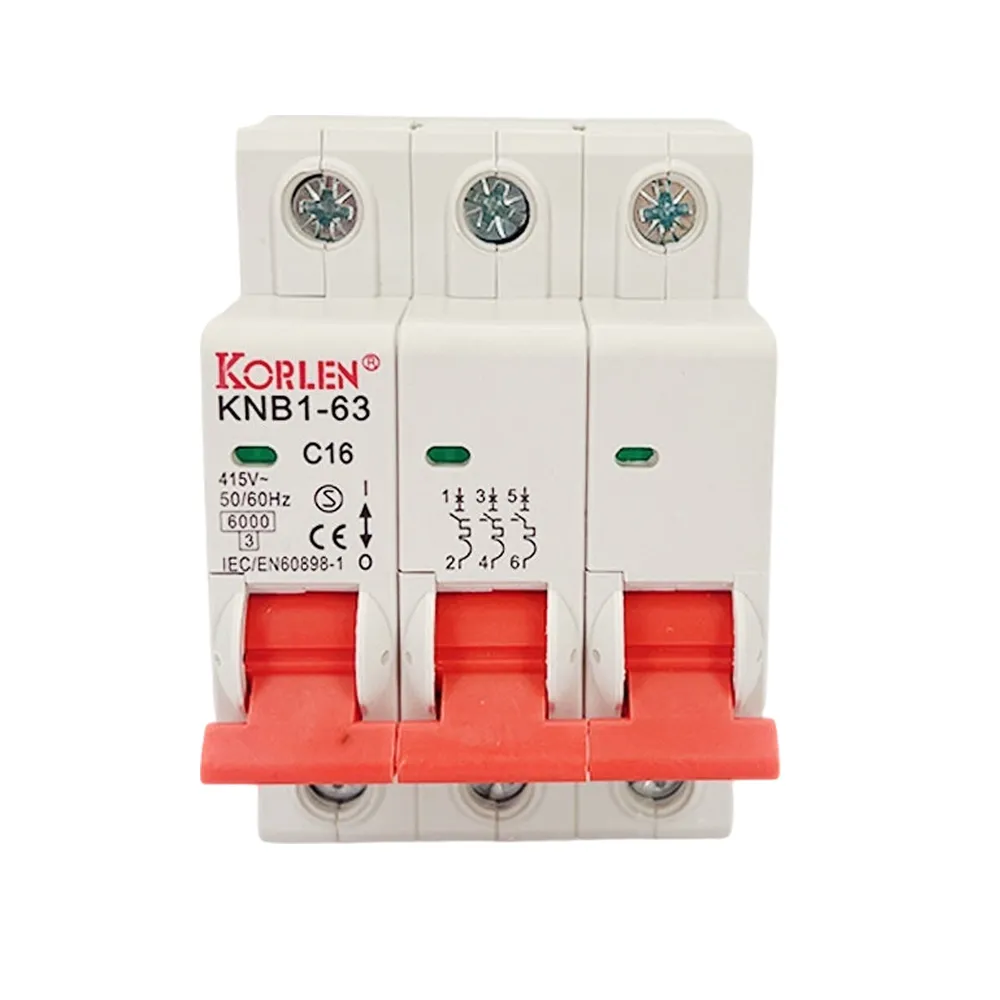 32–63A MCB 3P 3kA Type B/C/D KNB1-63 Korlen
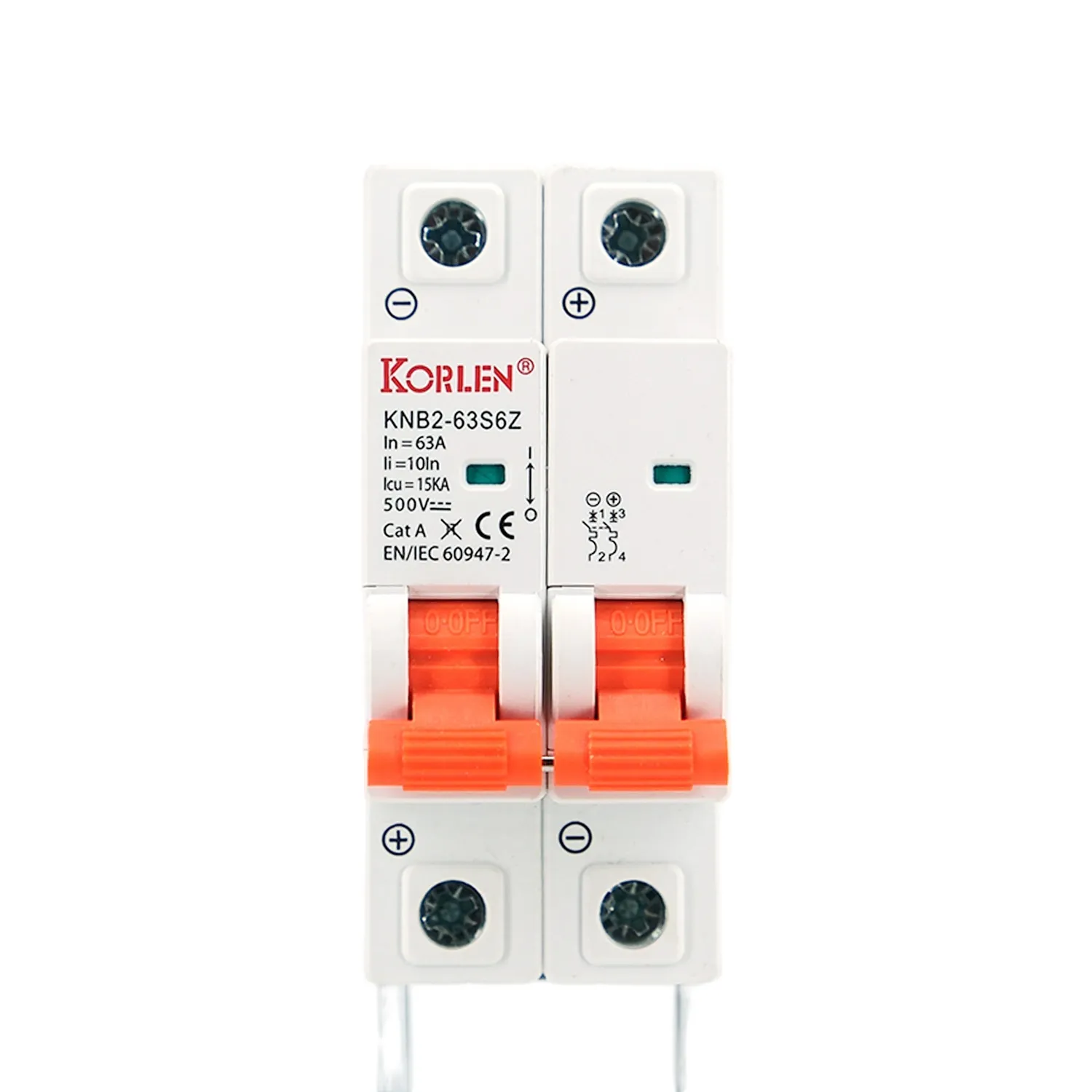 32–63A PV DC MCB 2P 15kA KNB2-63S6Z Korlen
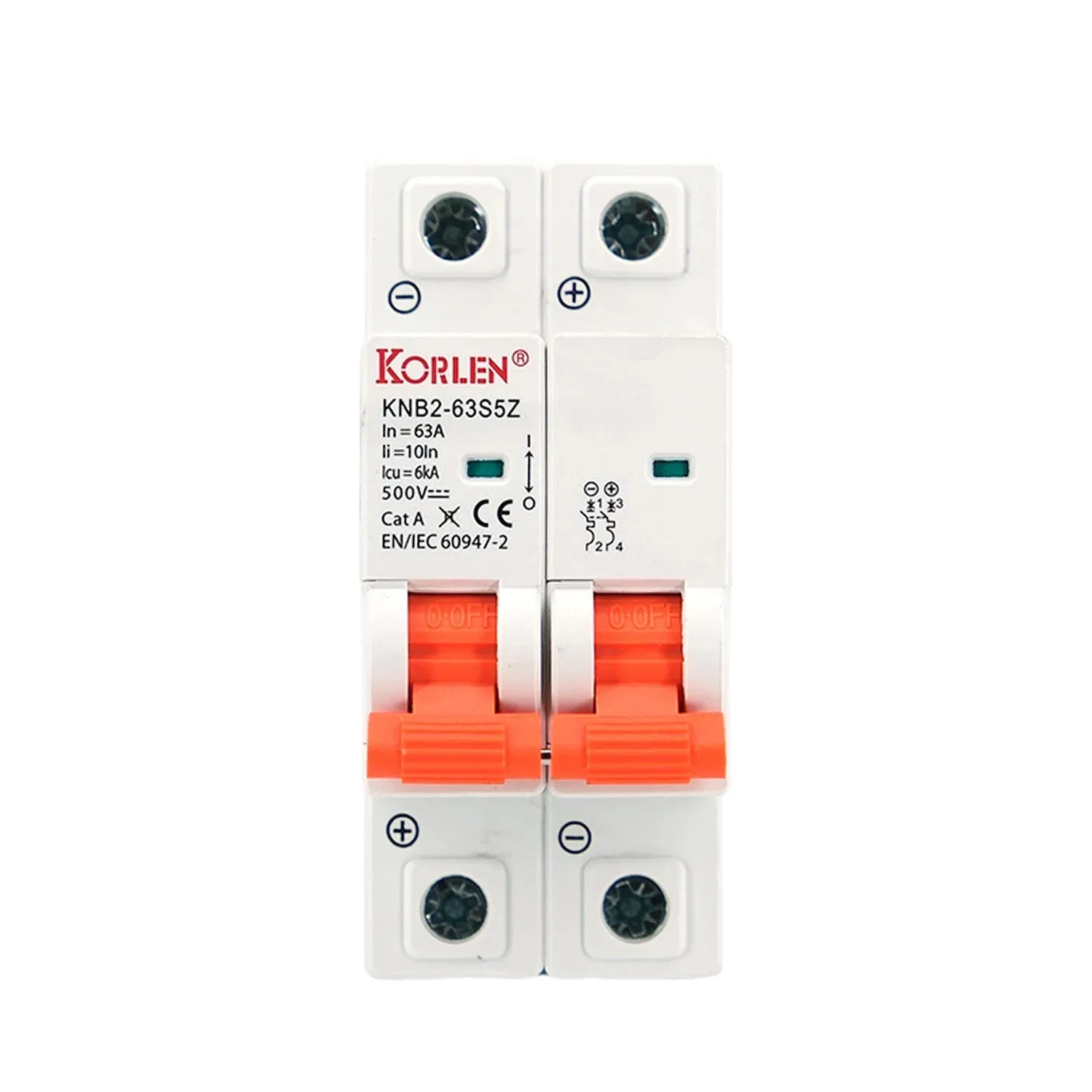 6–25A DC Miniature Circuit Breaker 2P 6kA KNB2-63S5Z Korlen
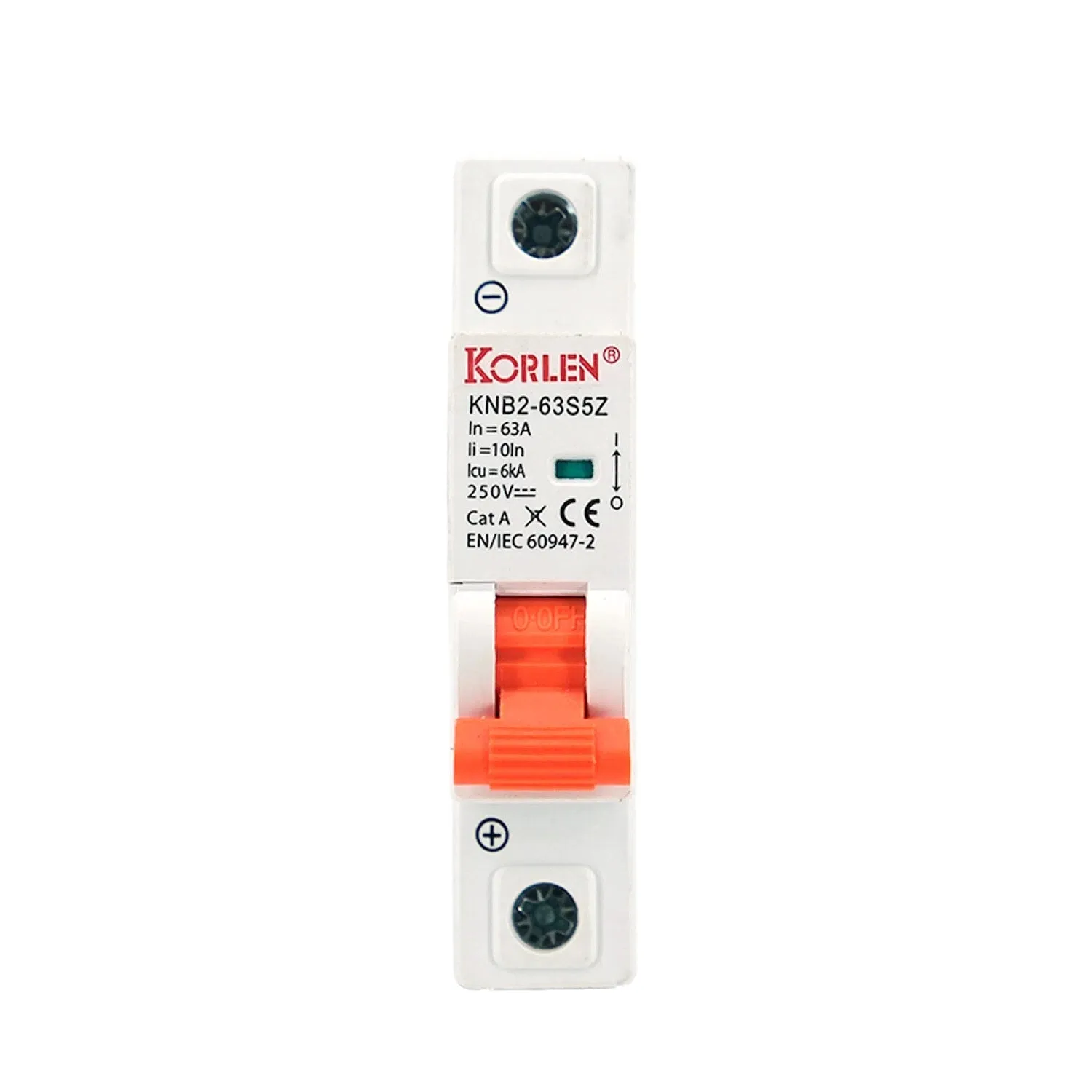 DC Miniature Circuit Breaker 1P 6–25A 6kA KNB2-63S5Z Korlen
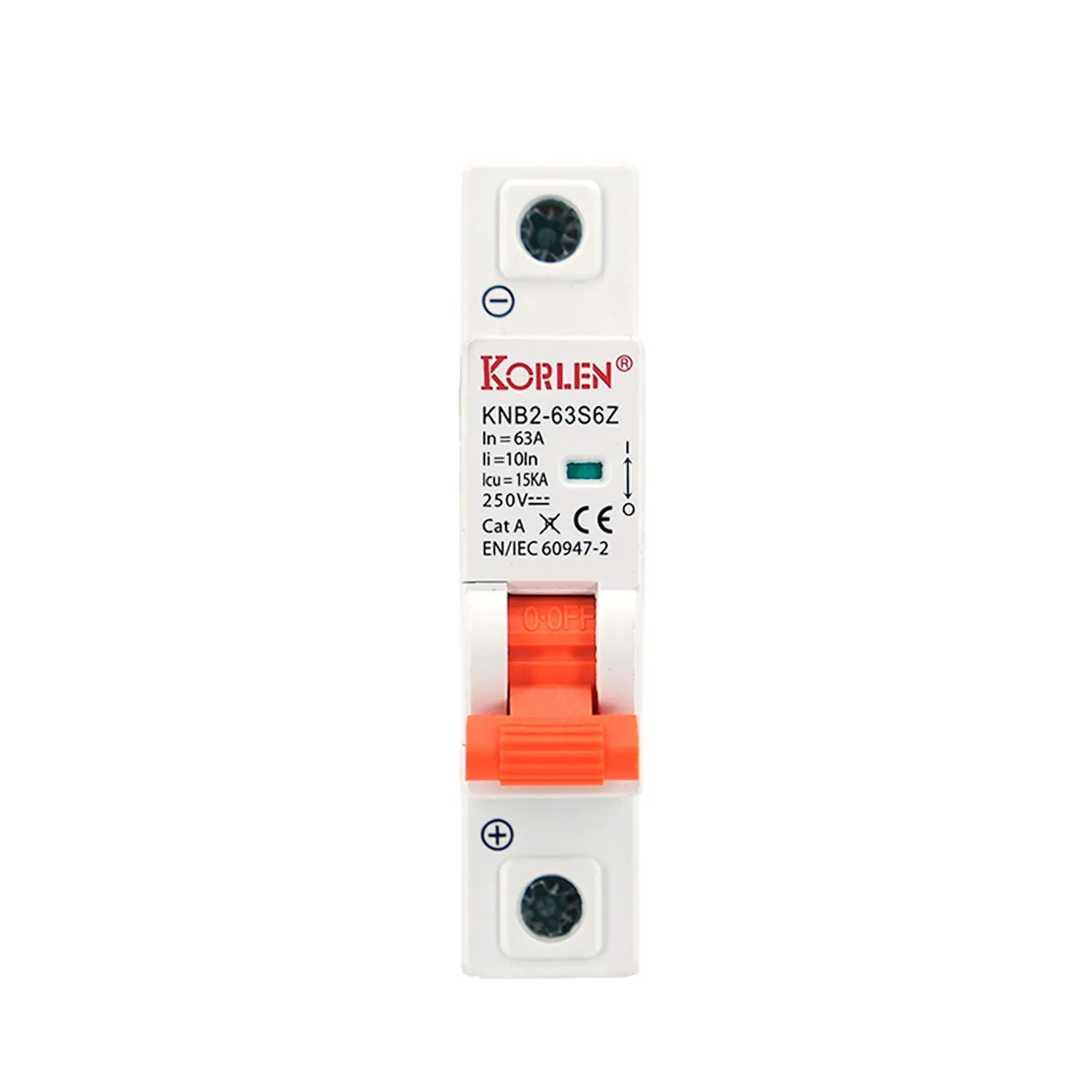 DC Miniature Circuit Breaker 1P 6–25A DC Rated KNB2-63S6Z Korlen
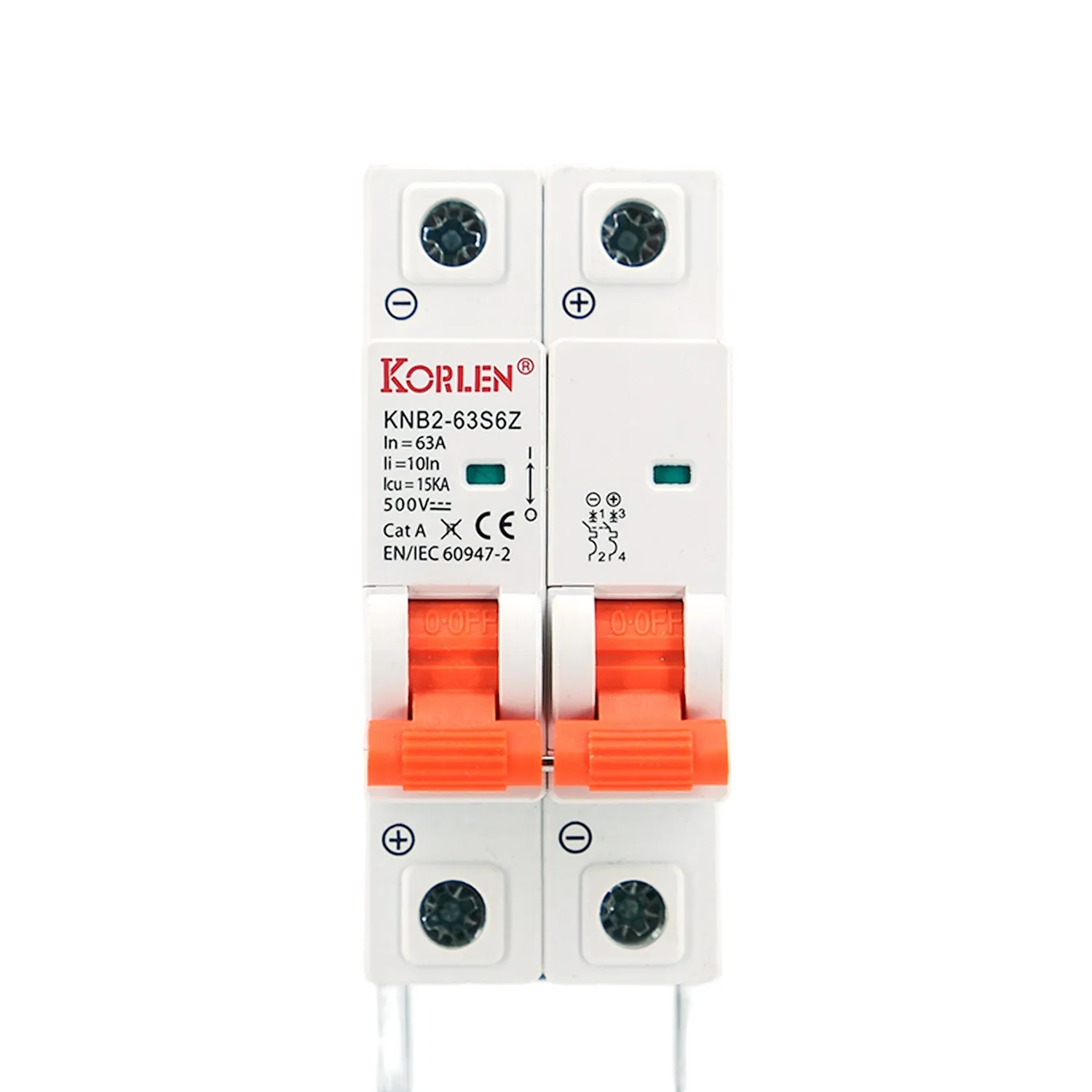 DC Miniature Circuit Breaker 2P 6–25A for Solar PV Strings KNB2-63S6Z Korlen
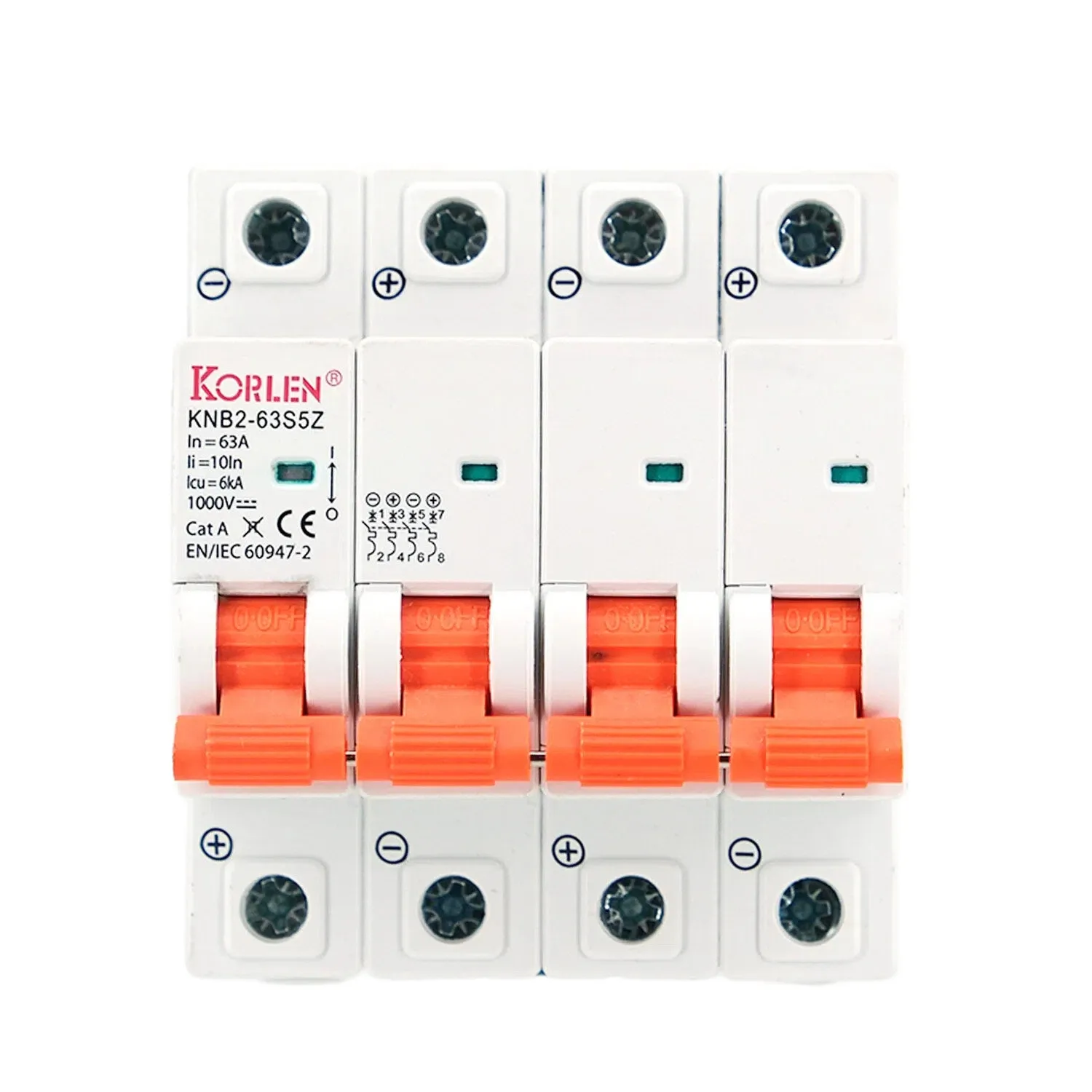 DC Miniature Circuit Breaker 4P 6–25A 6kA for Battery and PV Circuits KNB2-63S5Z Korlen
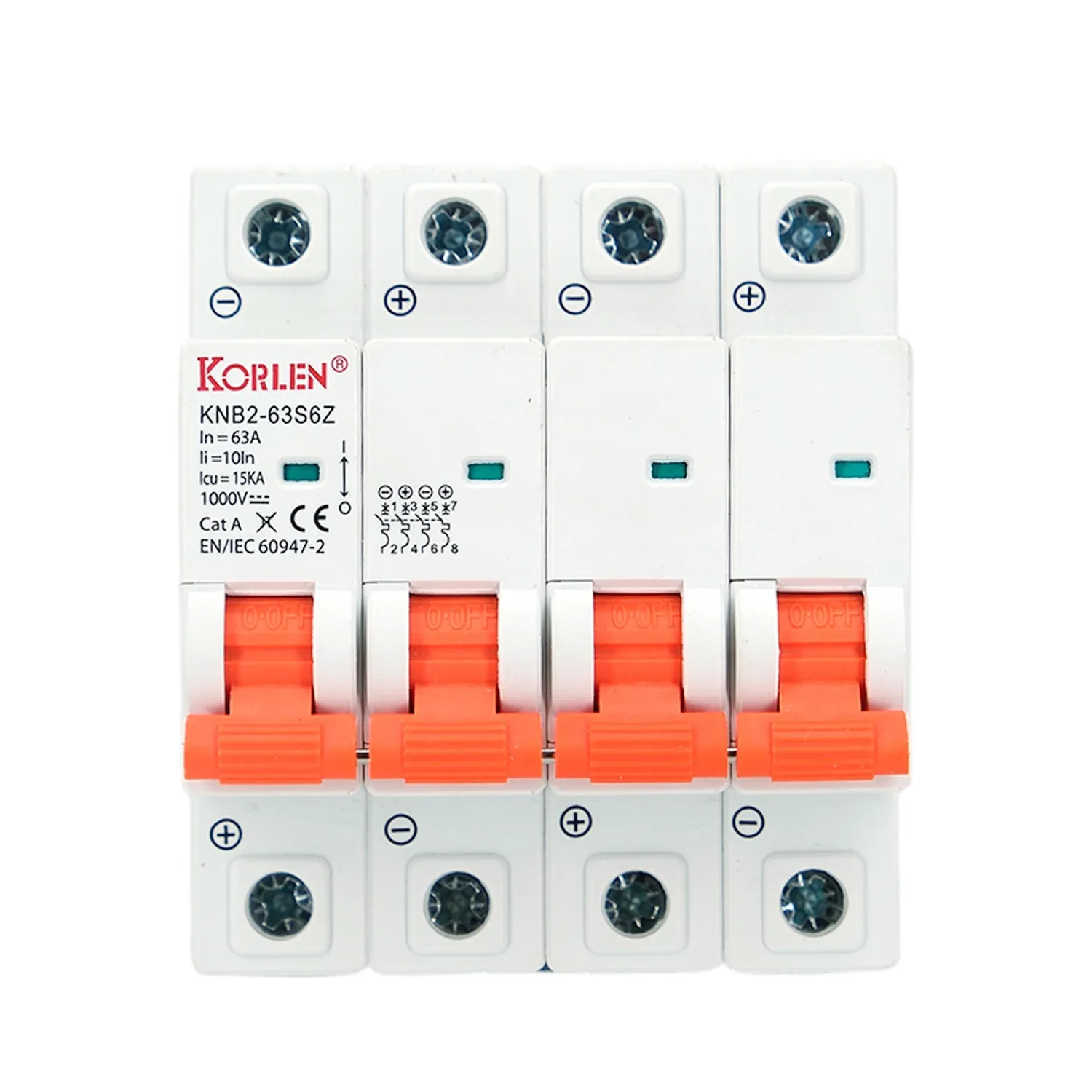 DC Miniature Circuit Breaker Four Pole 6–25A 15kA KNB2-63S6Z Korlen
Molded Case Circuit BreakersAC and DC moulded case breakers from 16A to 2000A, 2P to 4P, up to 690V AC and 1500V DC, for main and sub-main distribution.All Products
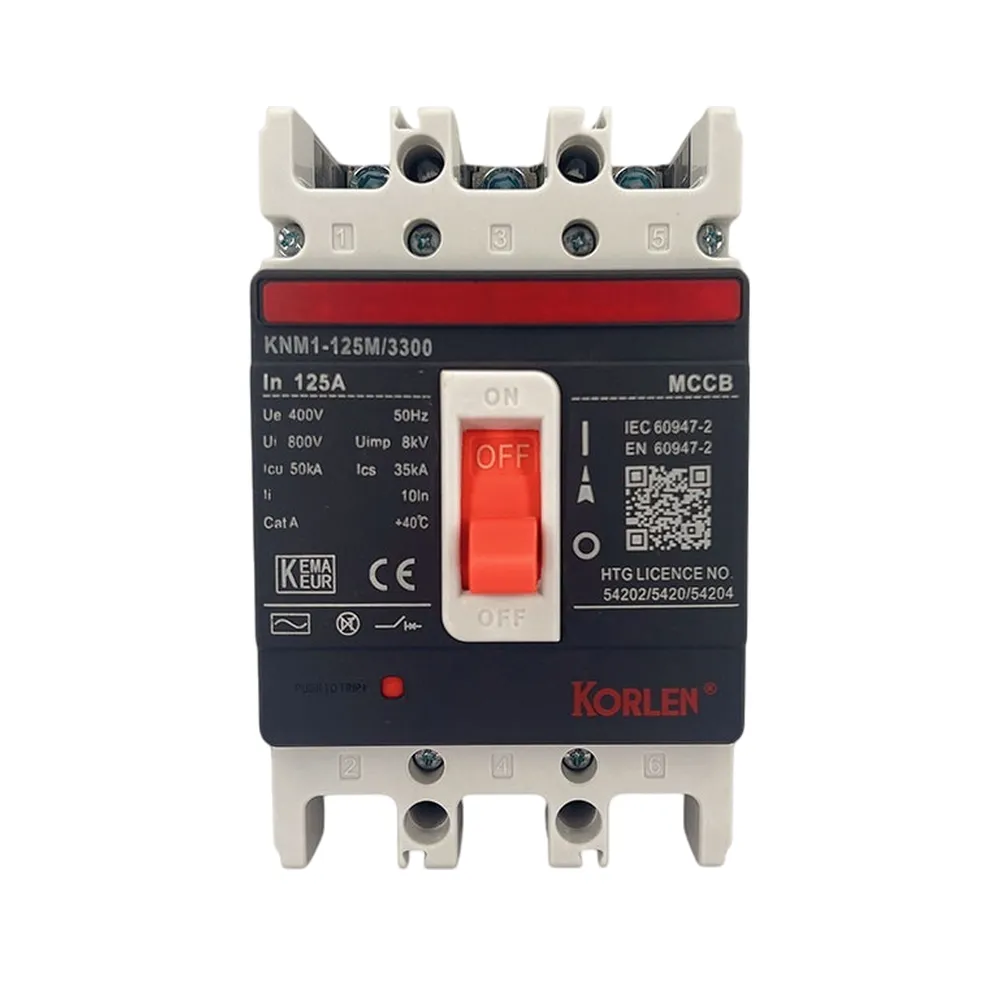 1000–1600A 3P MCCB 690 V AC KNM1 Korlen
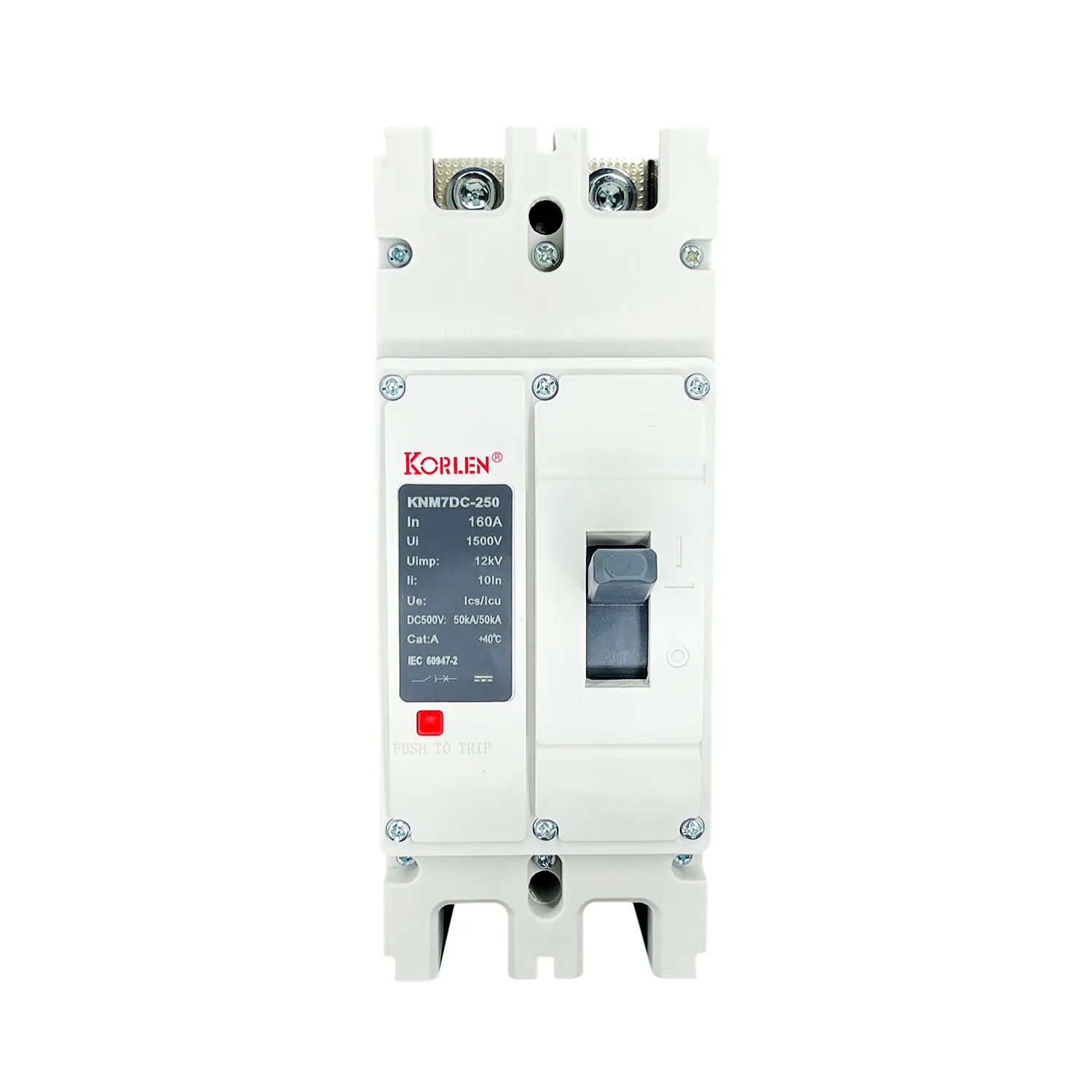 250–400A DC MCCB 2P / 3P 500 V DC KNM7DC Korlen
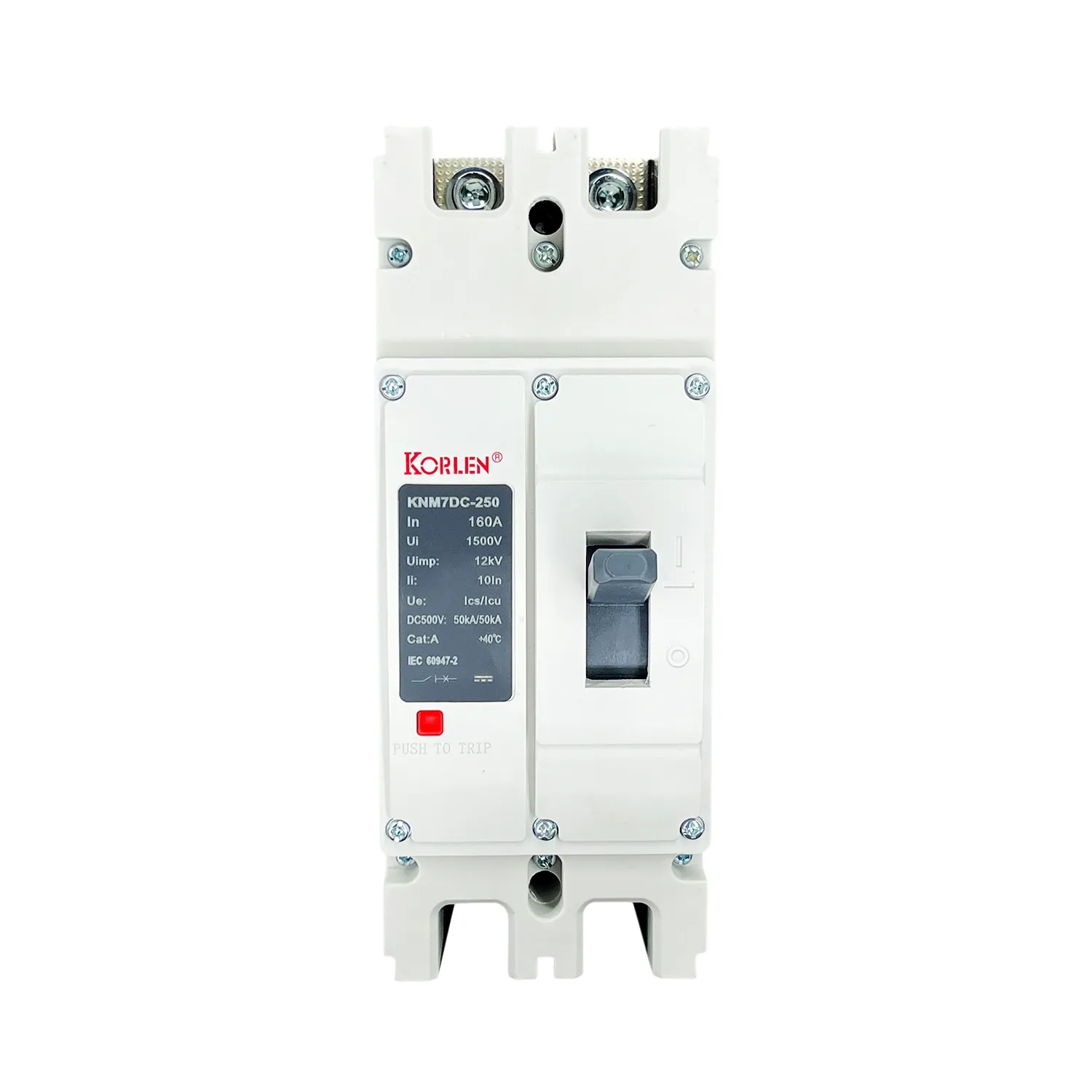 630–800A DC Moulded Case Breaker 2P / 3P 1000 V DC KNM7DC Korlen
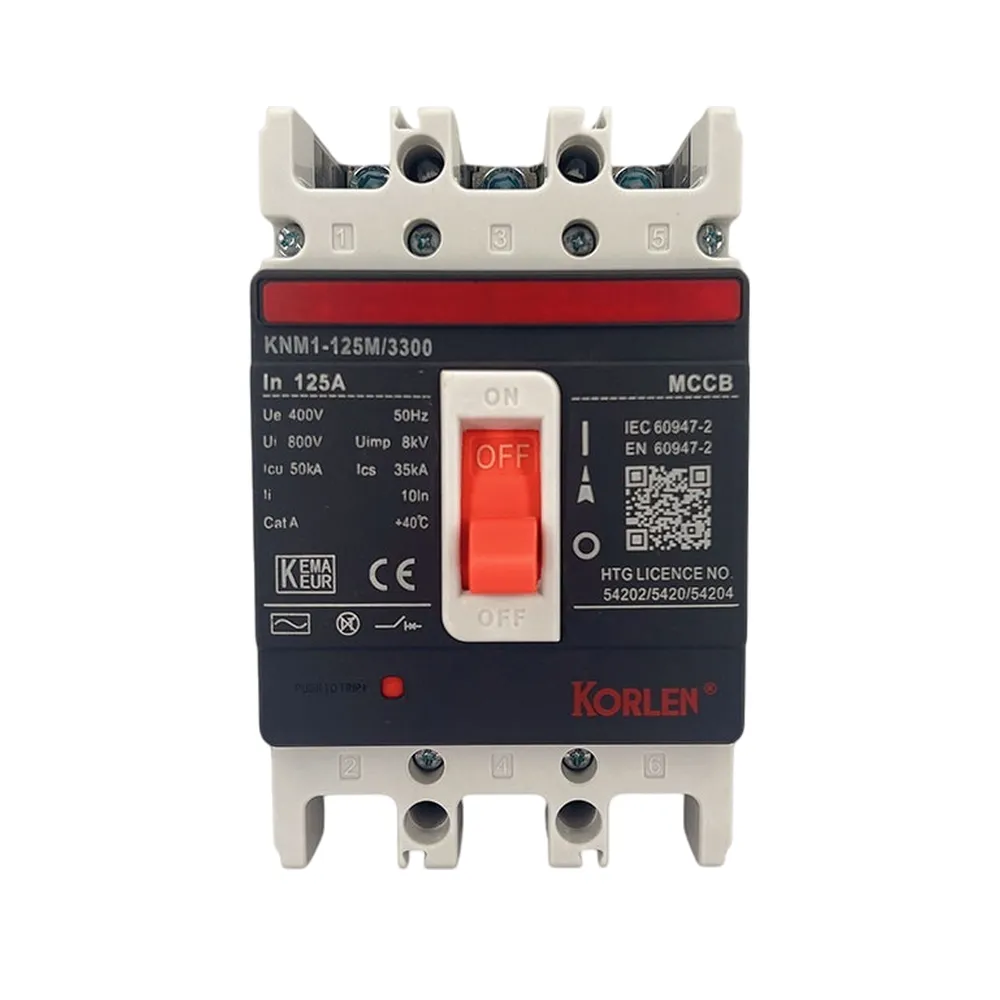 Compact Circuit Breaker 3P 2000A 690 V AC DIN Rail or Panel Mount KNM1 Korlen
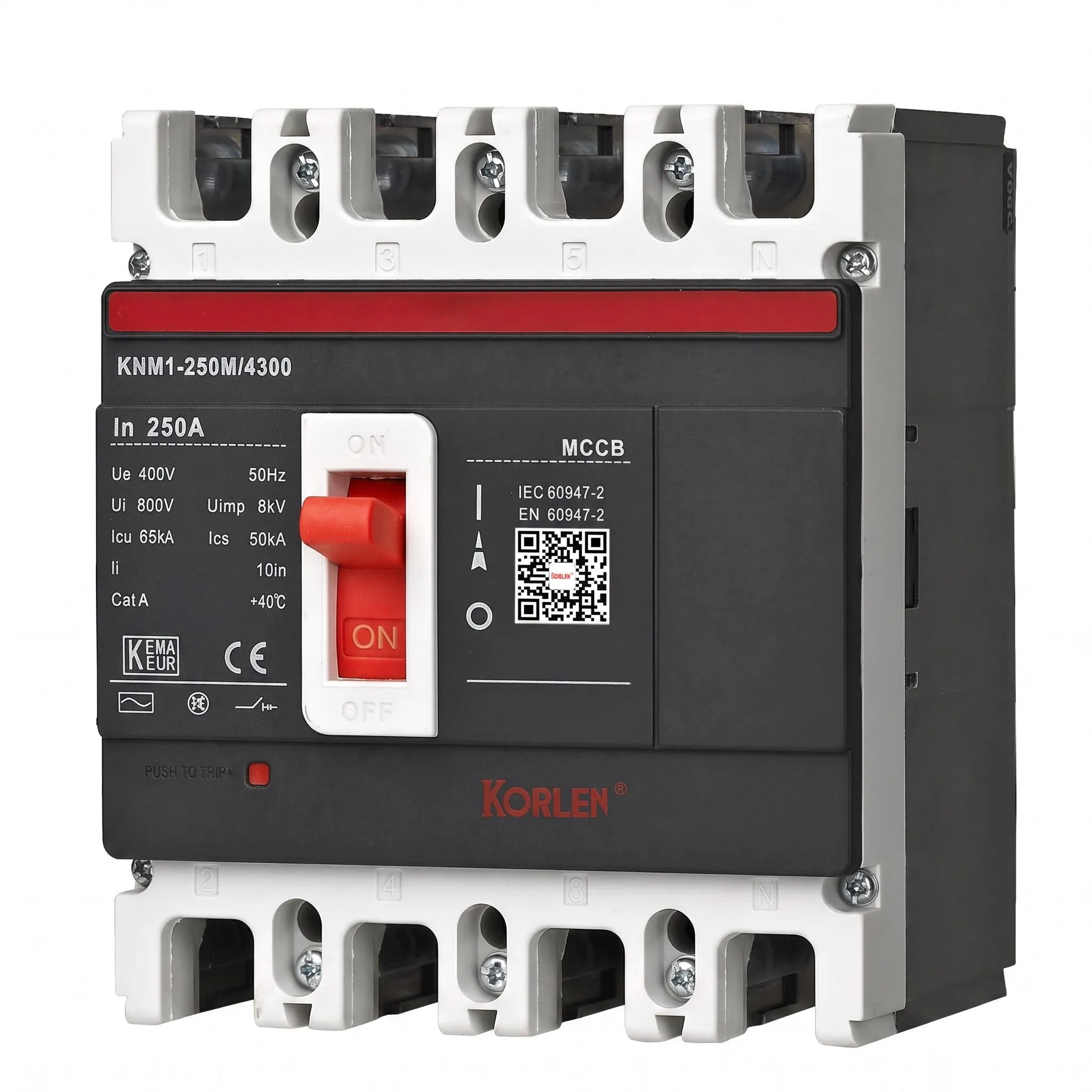 Compact Circuit Breaker 4P 2000A for Main Distribution KNM1 Korlen
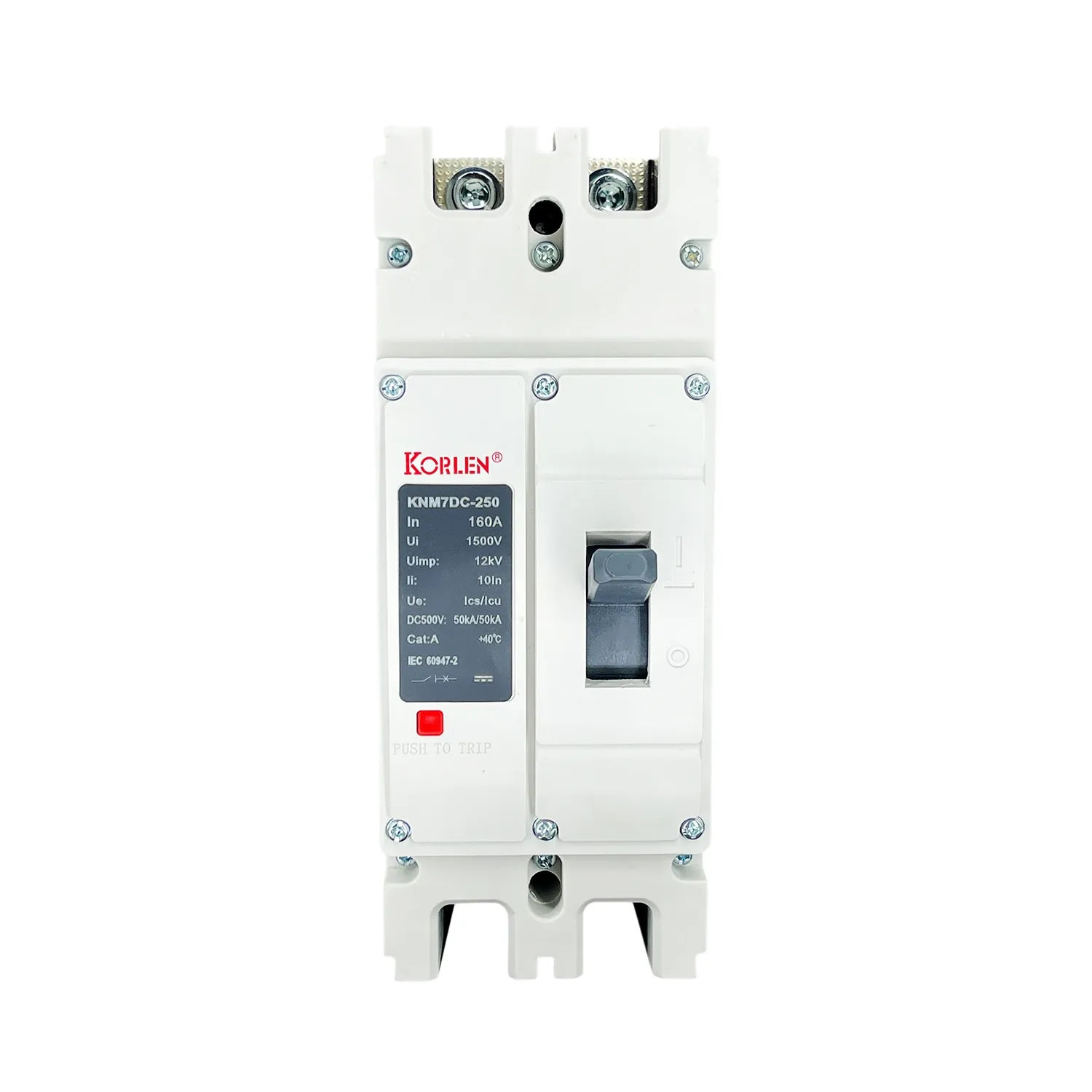 DC Compact Circuit Breaker 2 or 3 Pole 400–630A 500 V DC KNM7DC Korlen
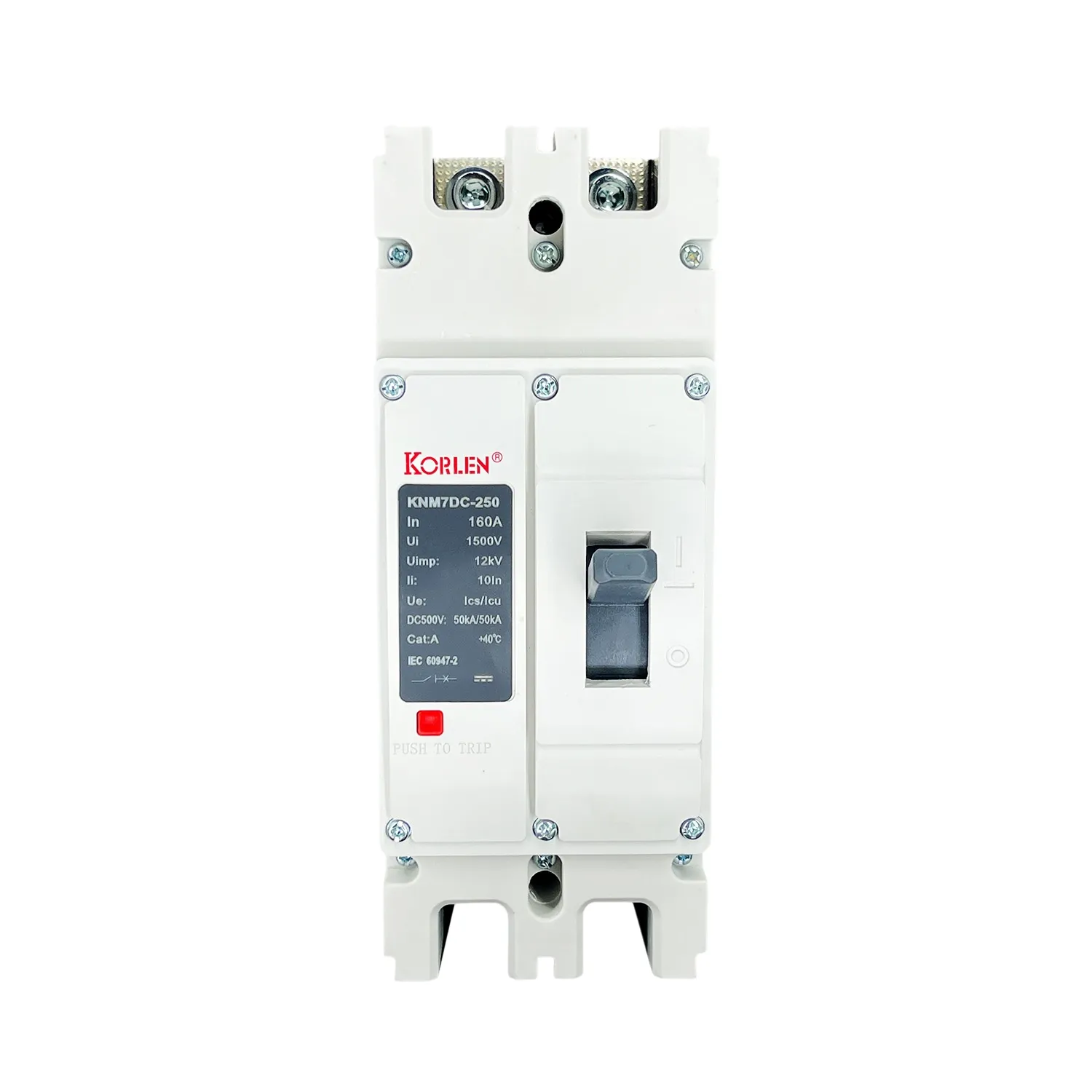 DC Compact Circuit Breaker 2P / 3P 400–630A 1500 V DC, for PV and Storage KNM7DC Korlen
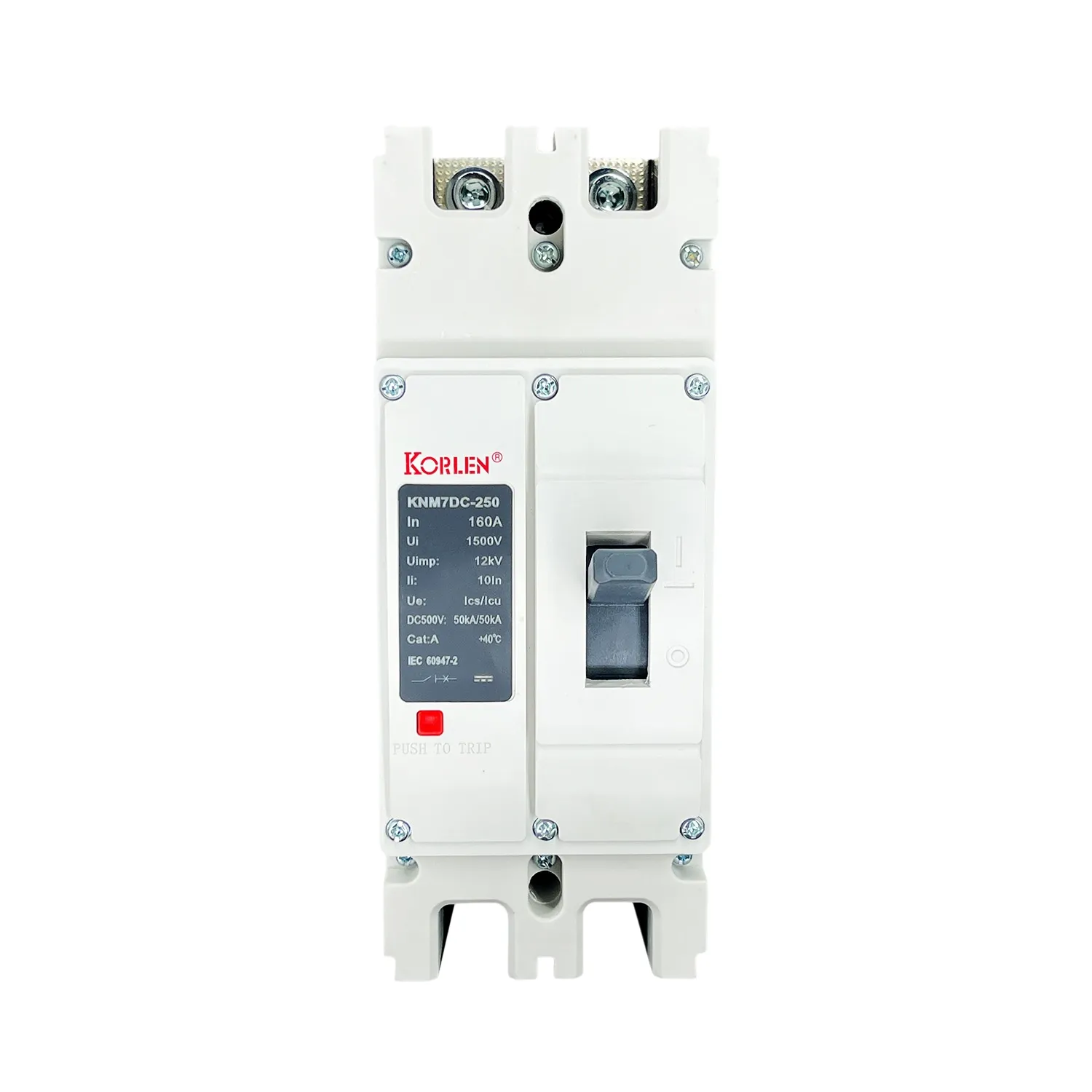 DC Compact Circuit Breaker 2P / 3P 400–630A for DC Distribution KNM7DC Korlen
Residual Current Circuit BreakersTwo and four pole RCCBs from 63A to 125A, Type A, B and AC, for earth leakage protection in single and three phase distribution boards.All Products
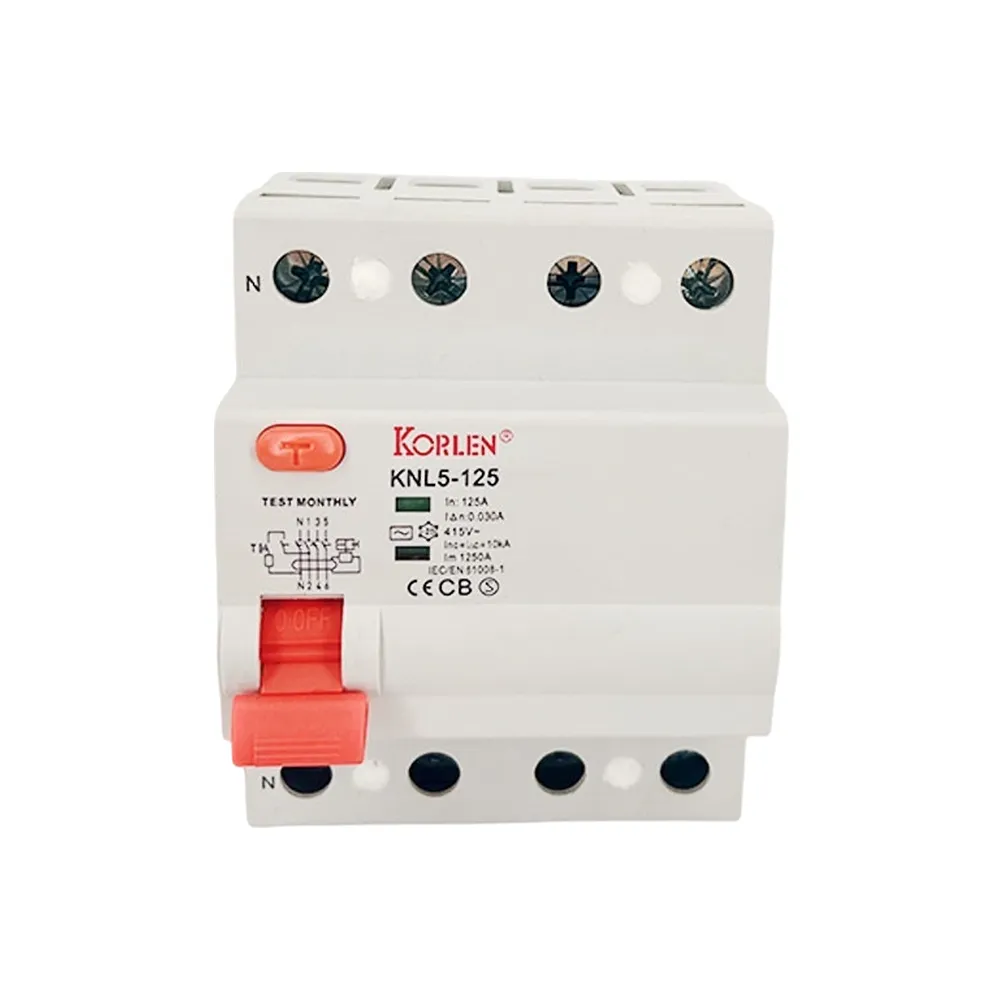 100–125A RCCB 4P Type A KNL5-125 Korlen
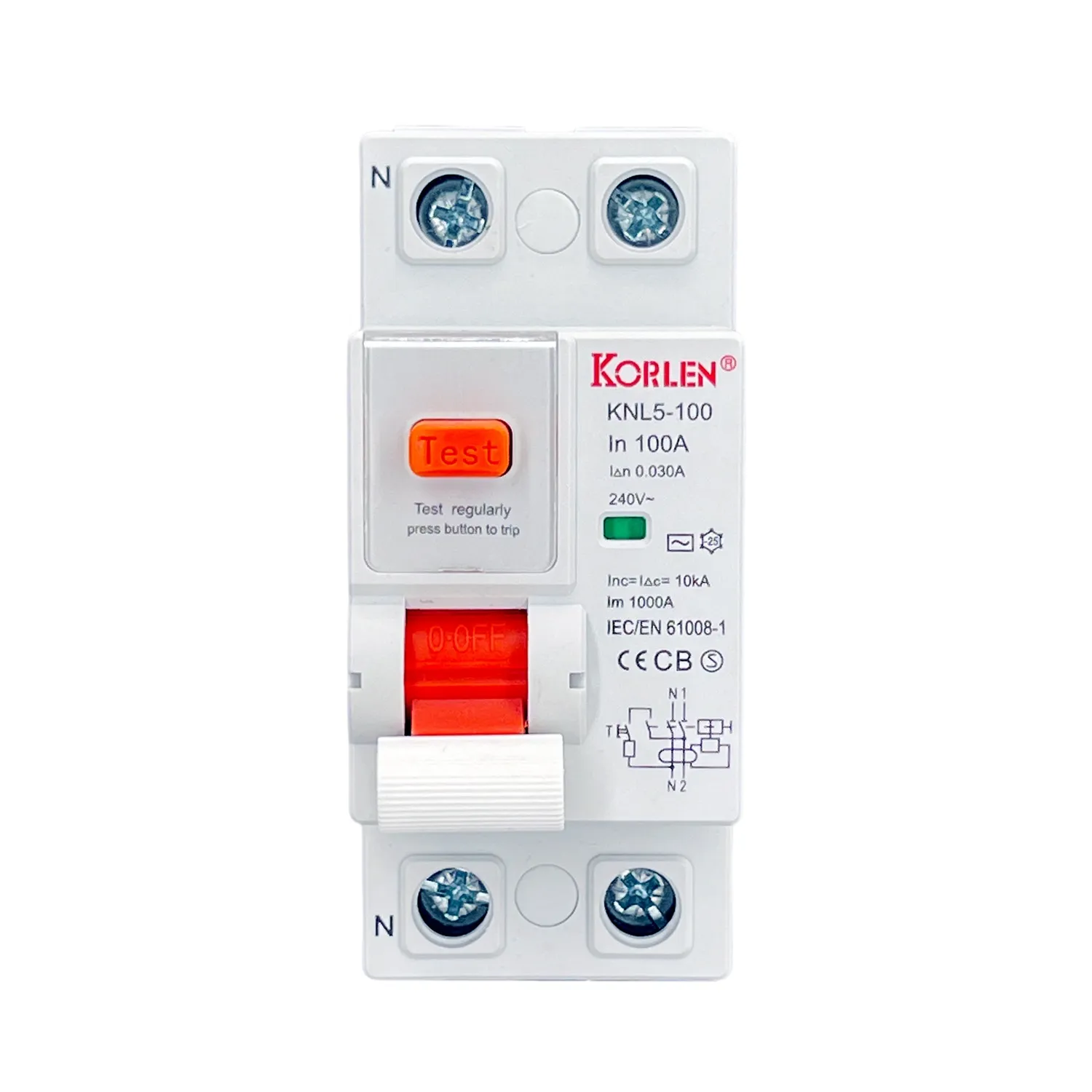 2P RCCB Circuit Breaker Type B 100–125A KNL5-100 Korlen
 2P Residual Current Circuit Breaker Type A 63–100A KNL5-100 Korlen
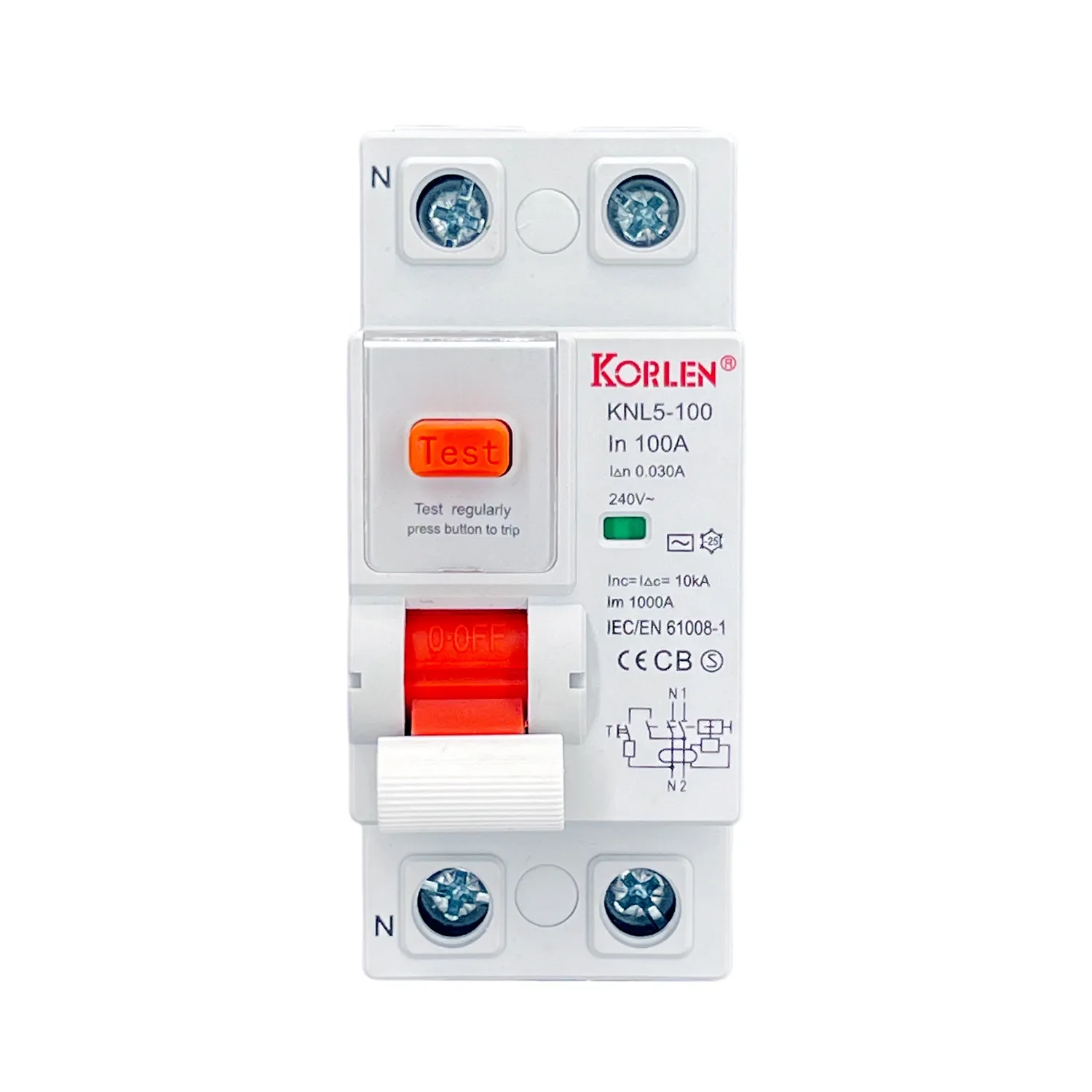 63–100A Residual Current Circuit Breaker 2P Type B KNL5-100 Korlen
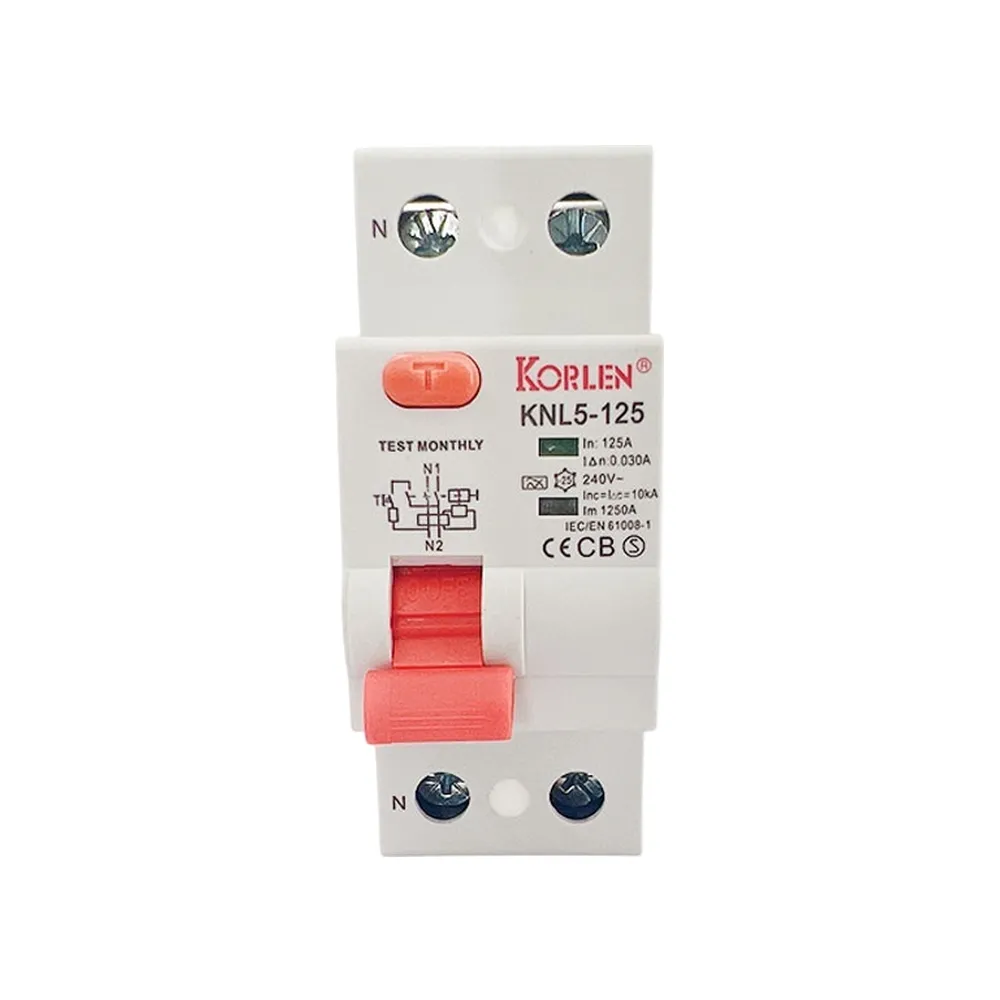 Double Pole Residual Current Breaker 100–125A Type A KNL5-125 Korlen
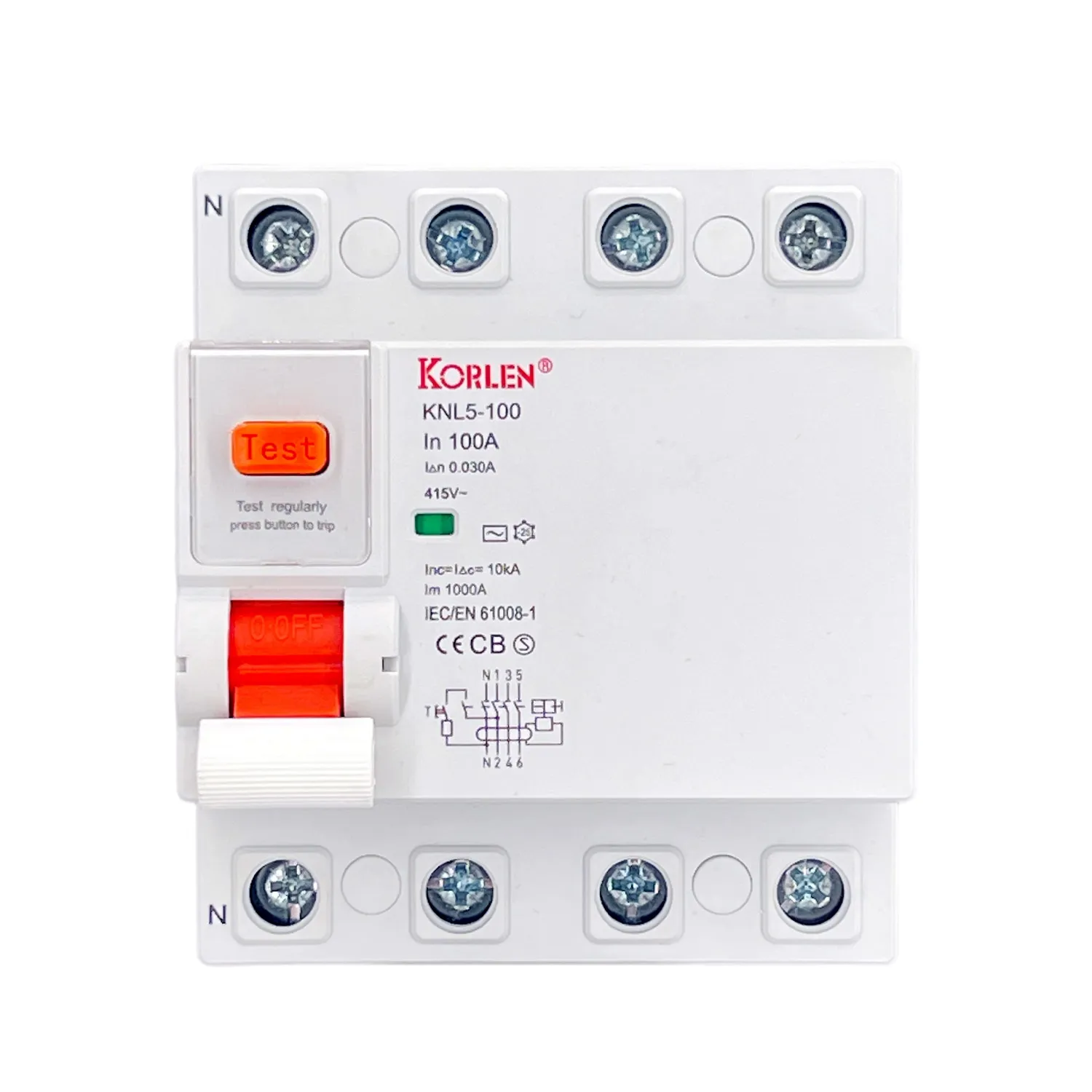 Four Pole RCCB 100–125A Type A KNL5-100 Korlen
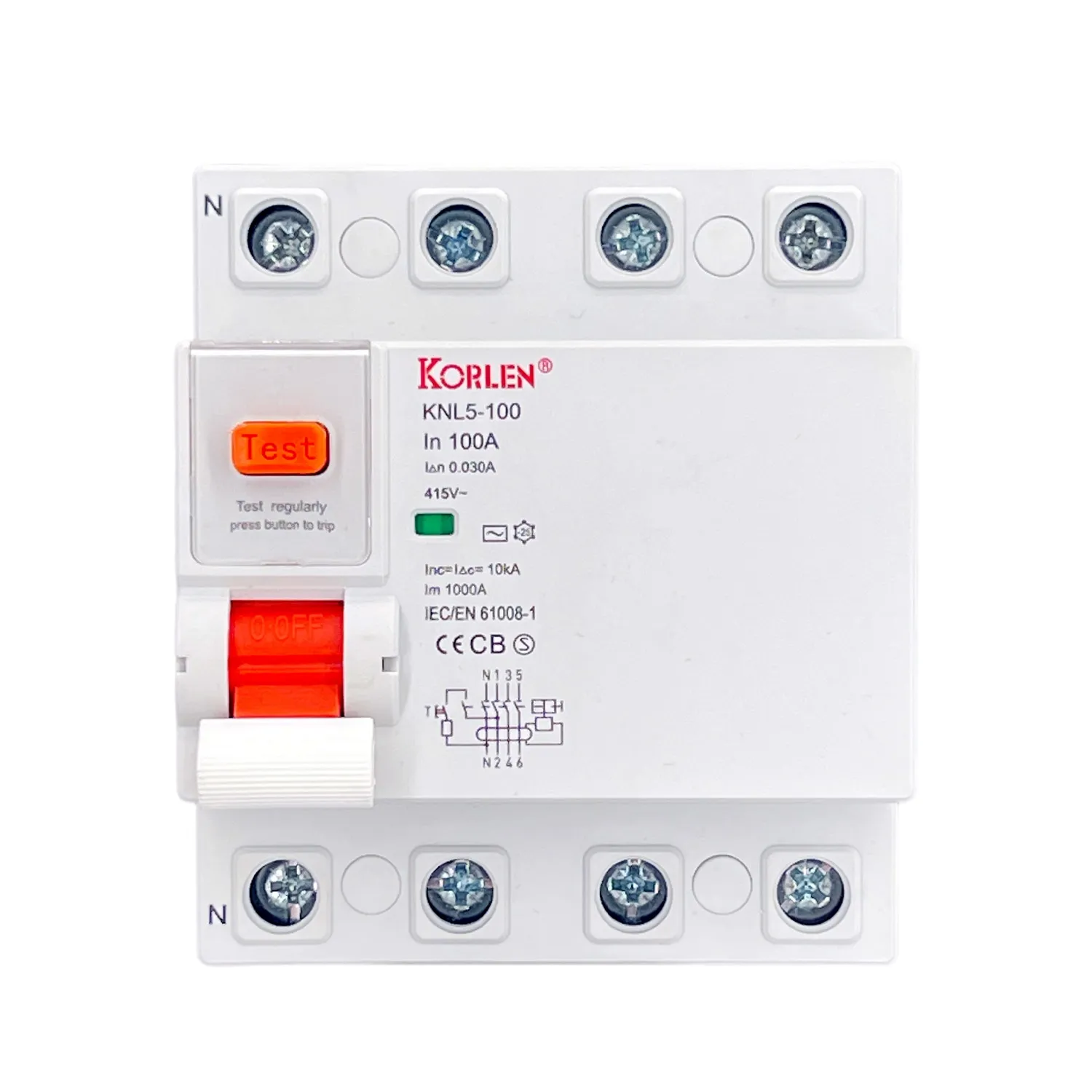 RCCB 4P 100–125A, Type AC KNL5-100 Korlen
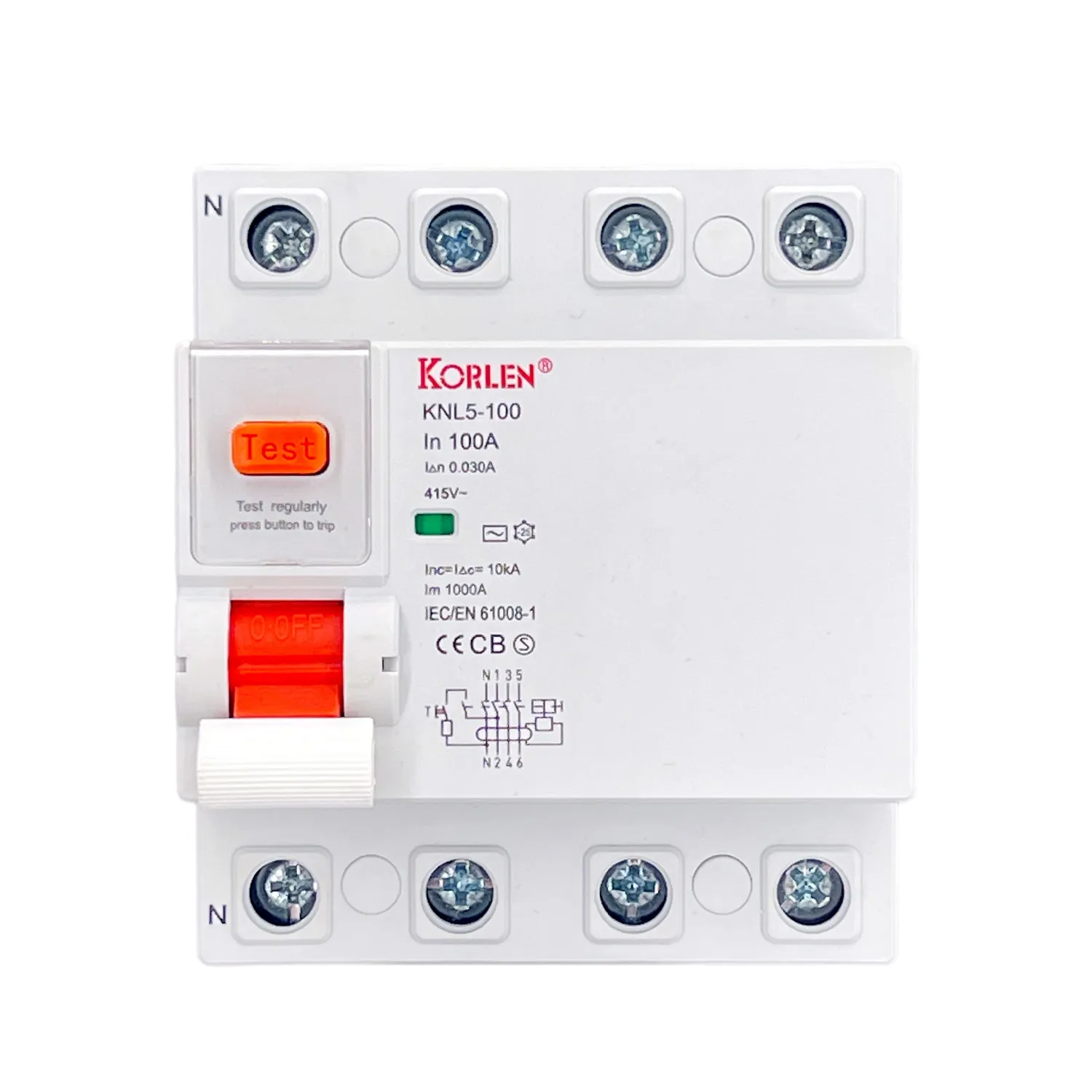 RCCB 4P Type B 100–125A KNL5-100 Korlen
RCBOSingle module RCBOs combining overcurrent and residual current protection, 1P+N, 10A to 63A, 10kA, for final circuits in consumer units.All Products
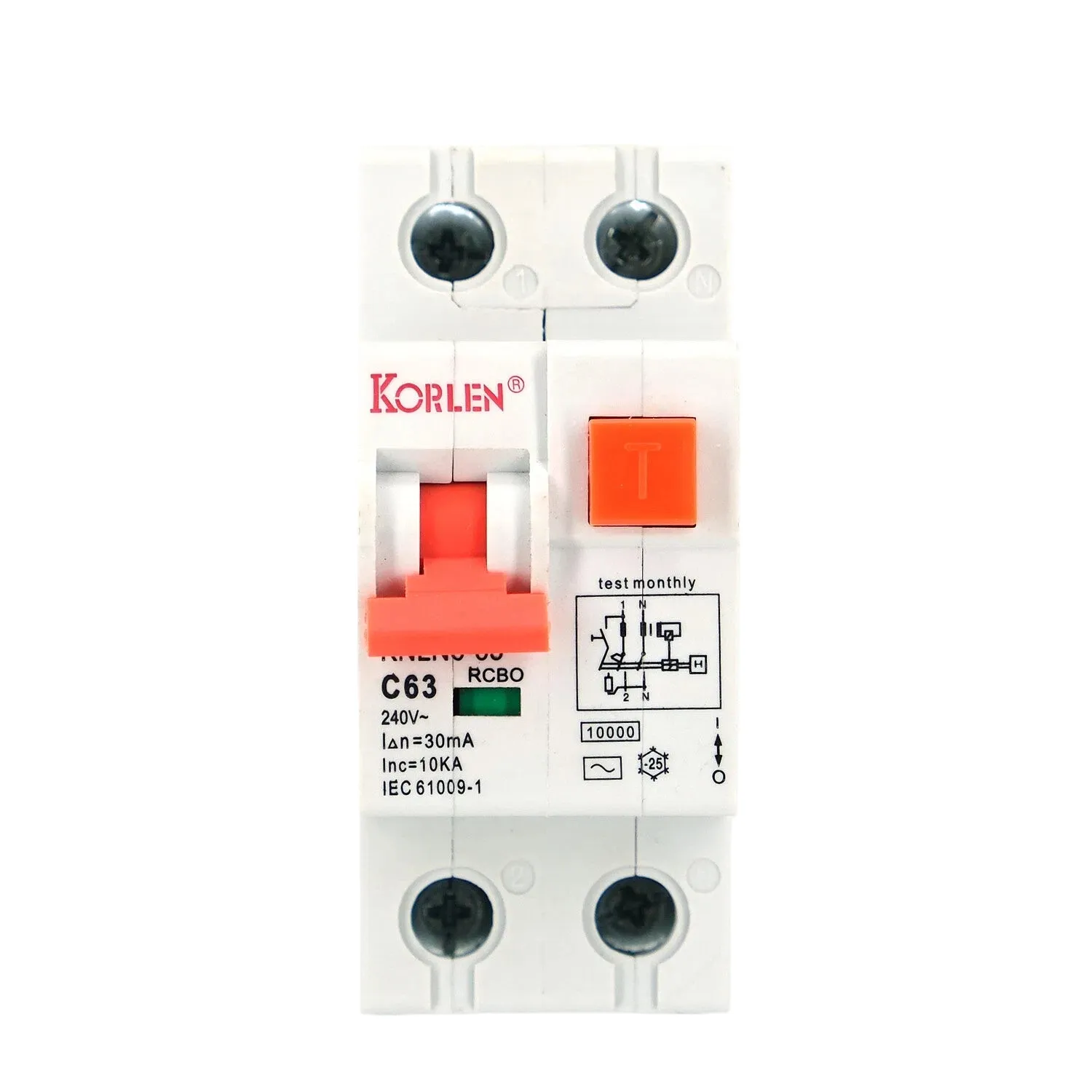 RCBO 1P+N 10–63A 10kA KNLN6-63 Korlen
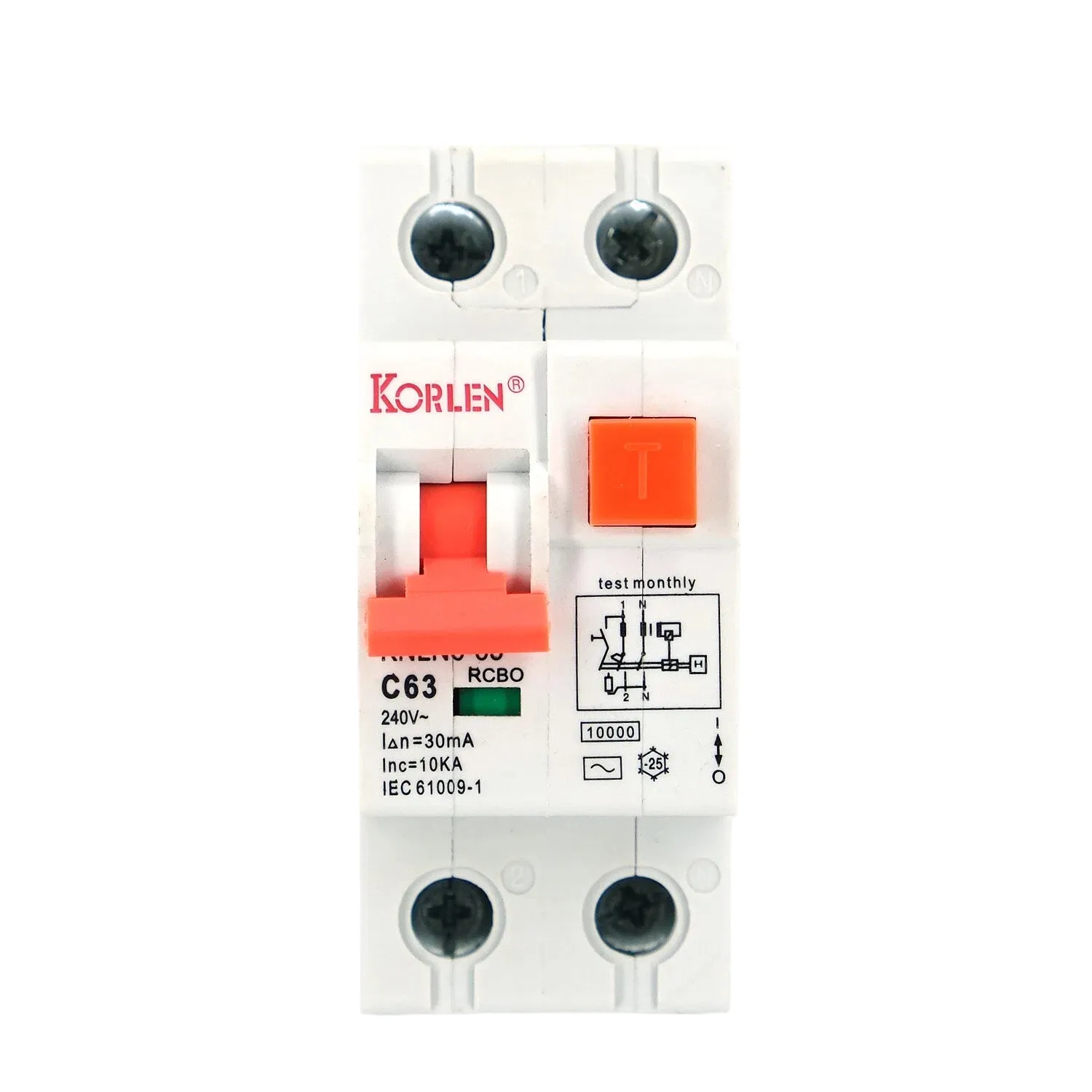 RCBO Circuit Breaker 1P+N 10–63A for Final Circuits KNLN6-63 Korlen
Surge Protective DevicesType 1+2 surge arresters for AC distribution boards and DC PV arrays, Imax 10kA to 50kA, 2P and 4P, up to 1500V DC, for rooftop plants.All Products
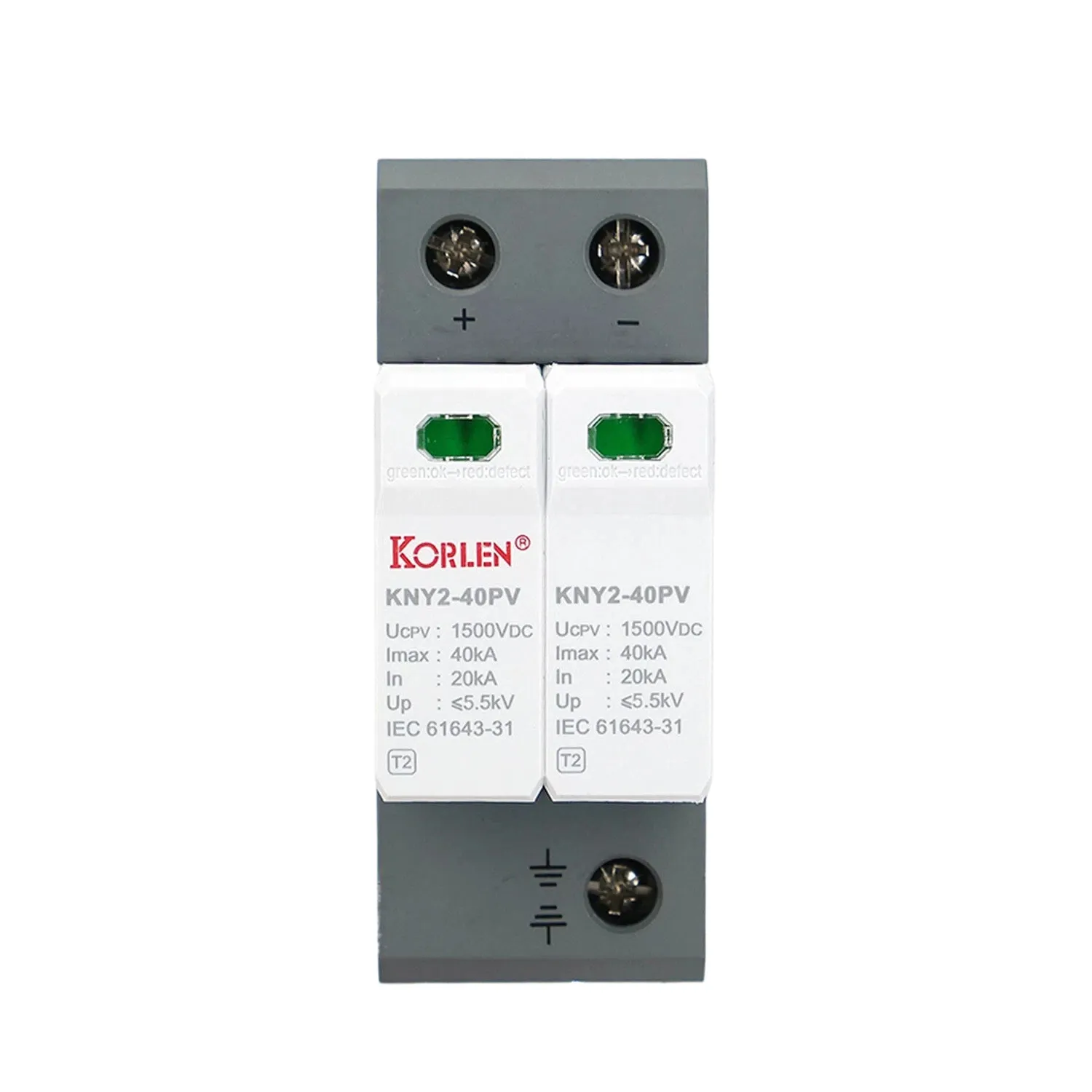 DC SPD Type 1+2 Imax 40kA 800 V DC 2P KNY2-40PV Korlen
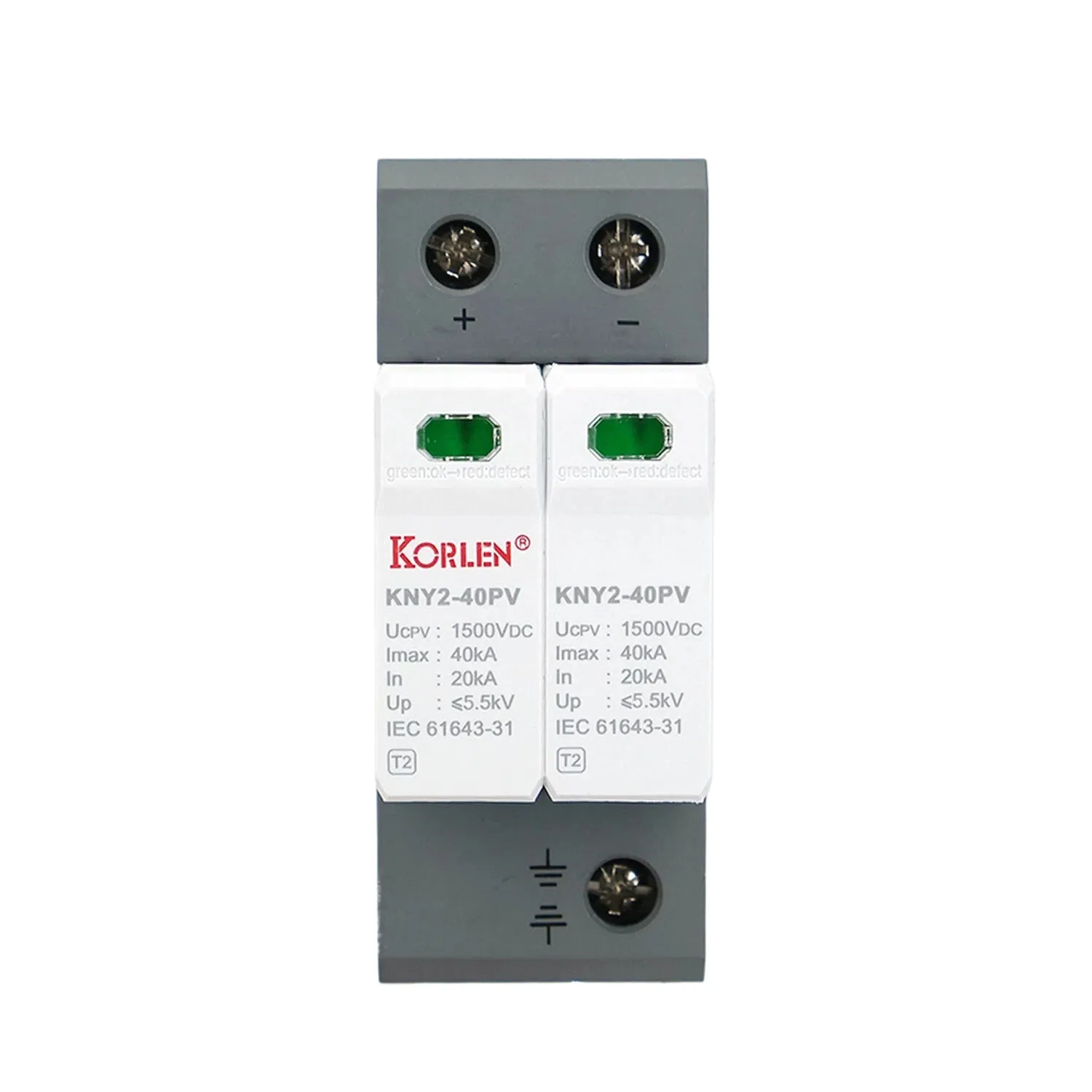 DC SPD Type 1+2 Up 4.5 kV 2P 1500 V DC KNY2-40PV Korlen
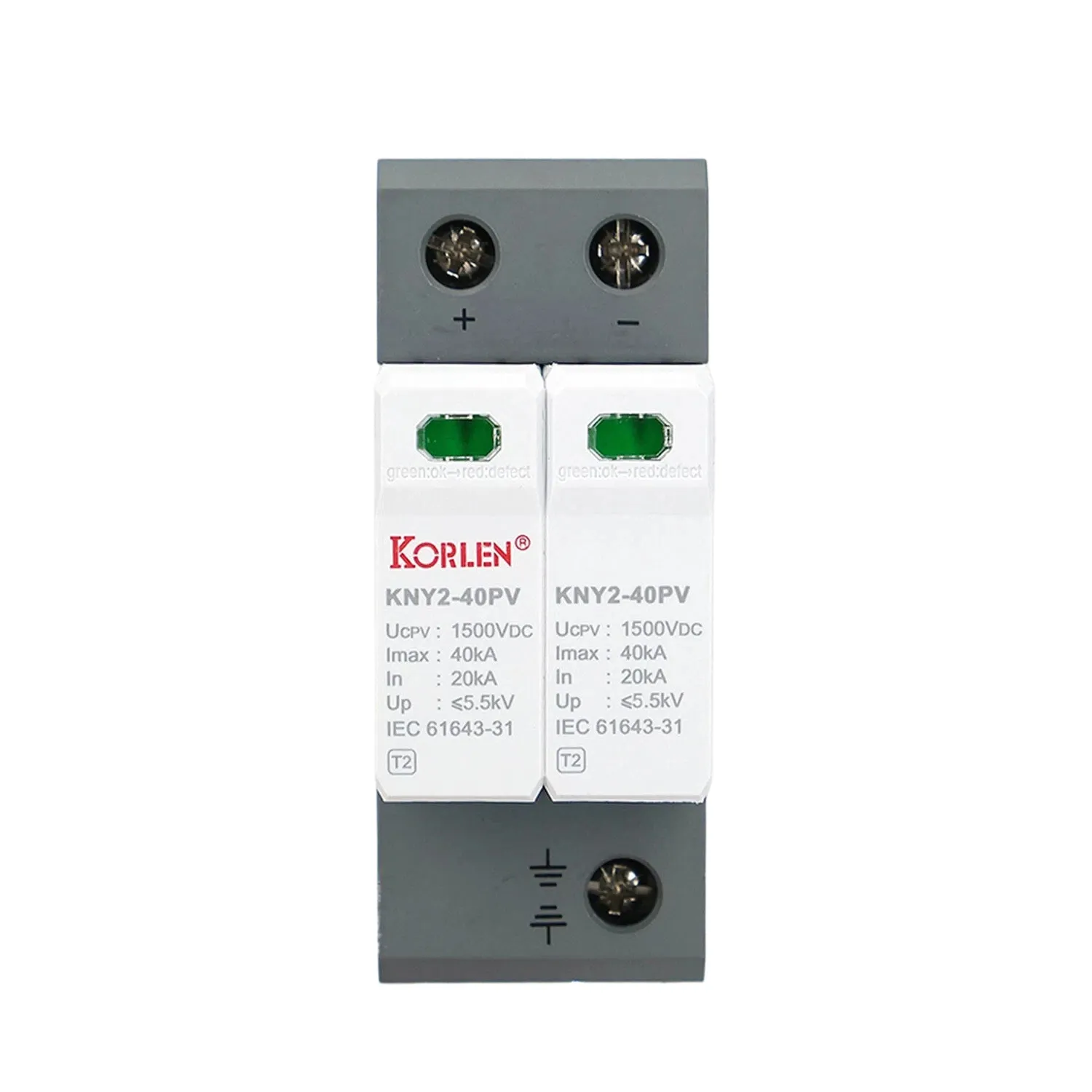 DC Surge Protection Device Type 1+2 1000 V DC 2P Imax 40kA KNY2-40PV Korlen
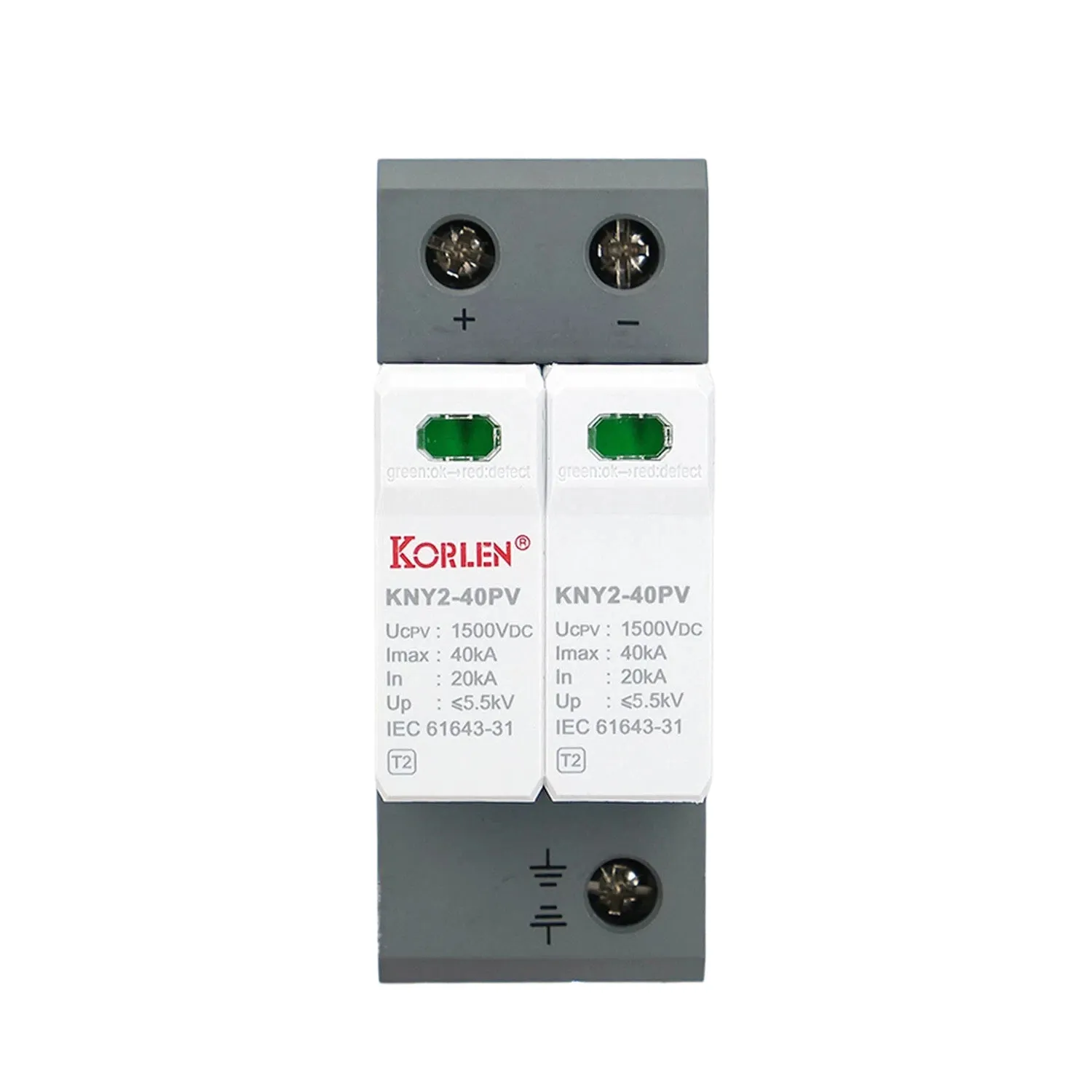 DC Surge Protection Device Type 1+2 Imax 40kA 2P 600 V DC KNY2-40PV Korlen
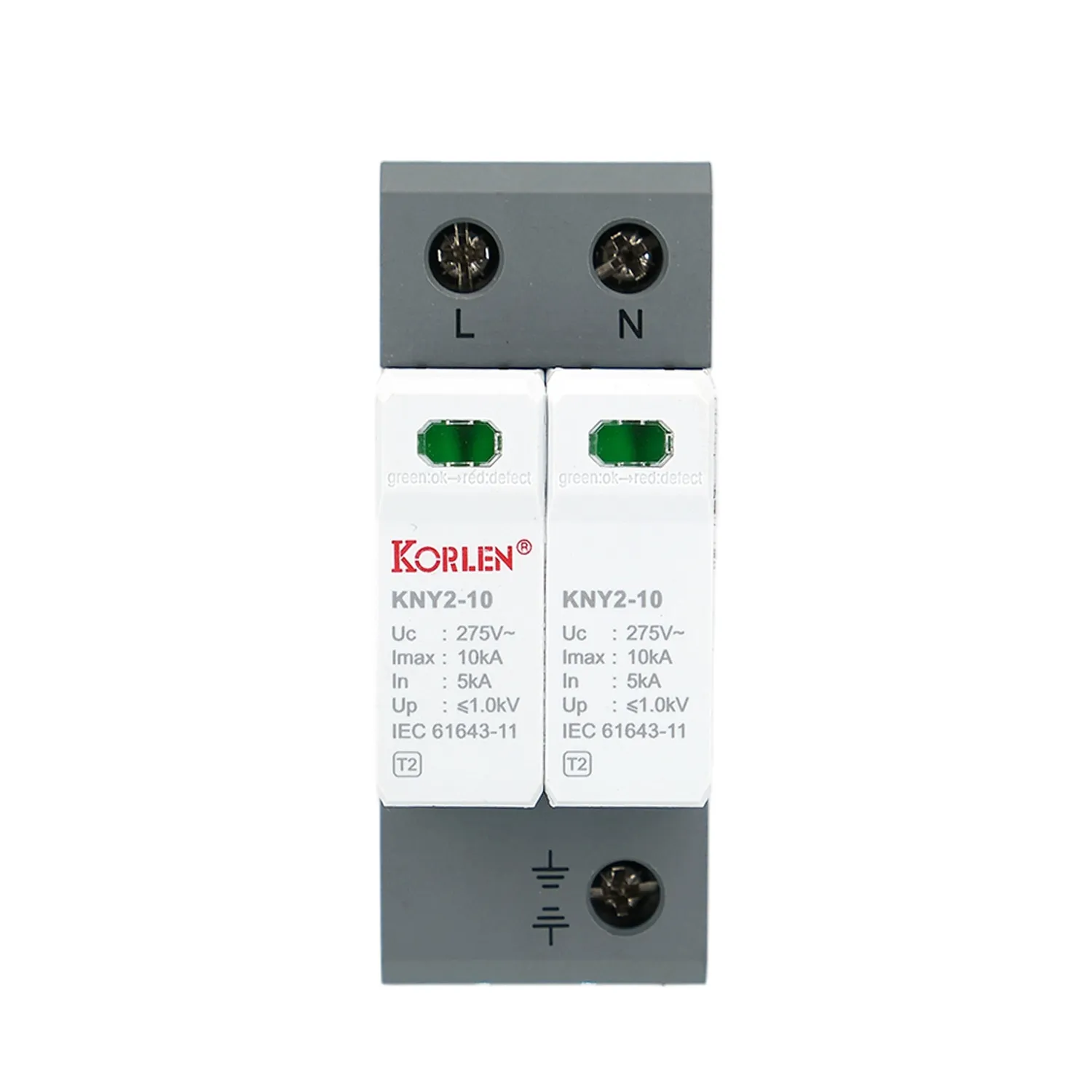 Double Pole Surge Arrester Type 1+2 Imax 50kA KNY2-10 Korlen
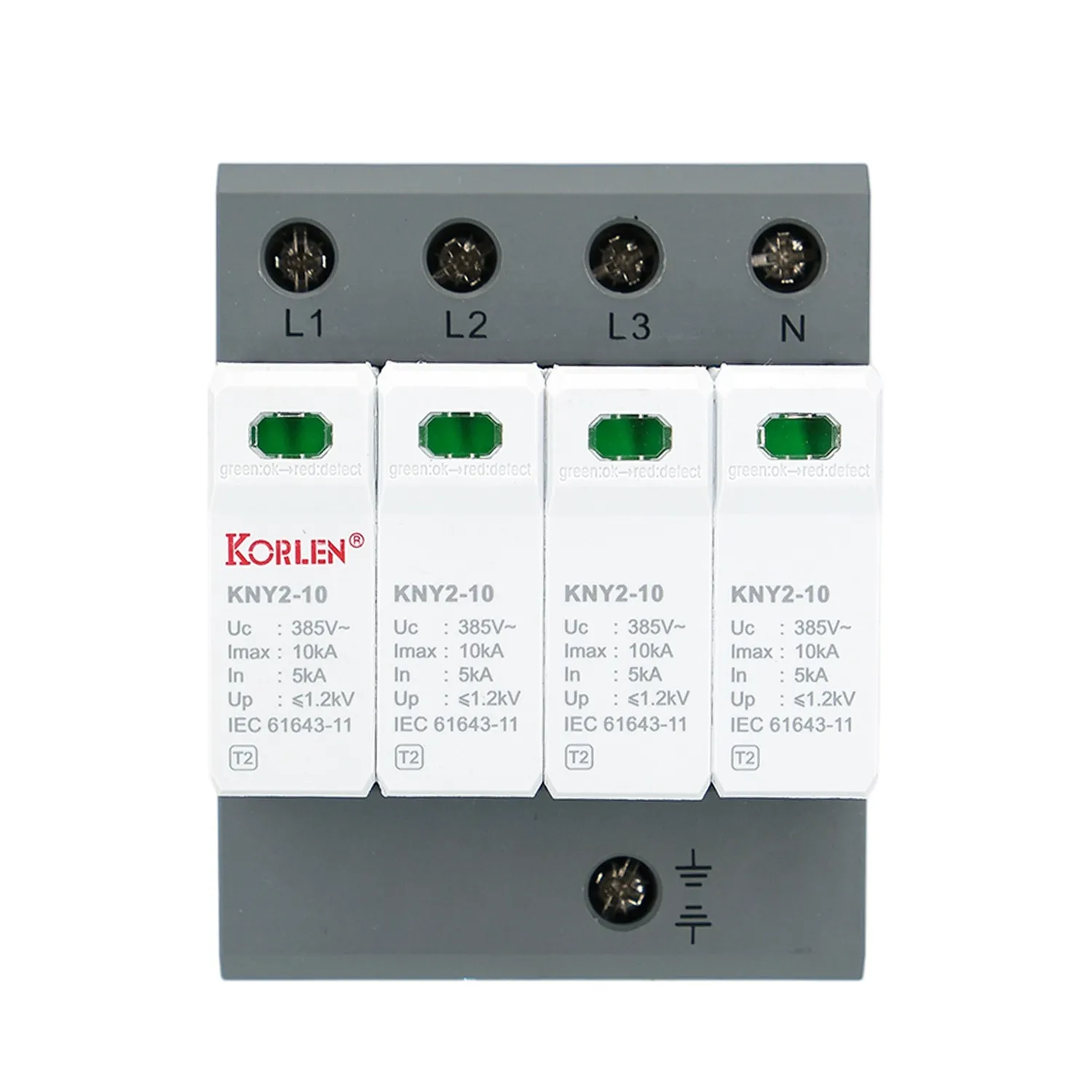 Four Pole Overvoltage Protection Device Type 2 Imax 10kA KNY2-10 Korlen
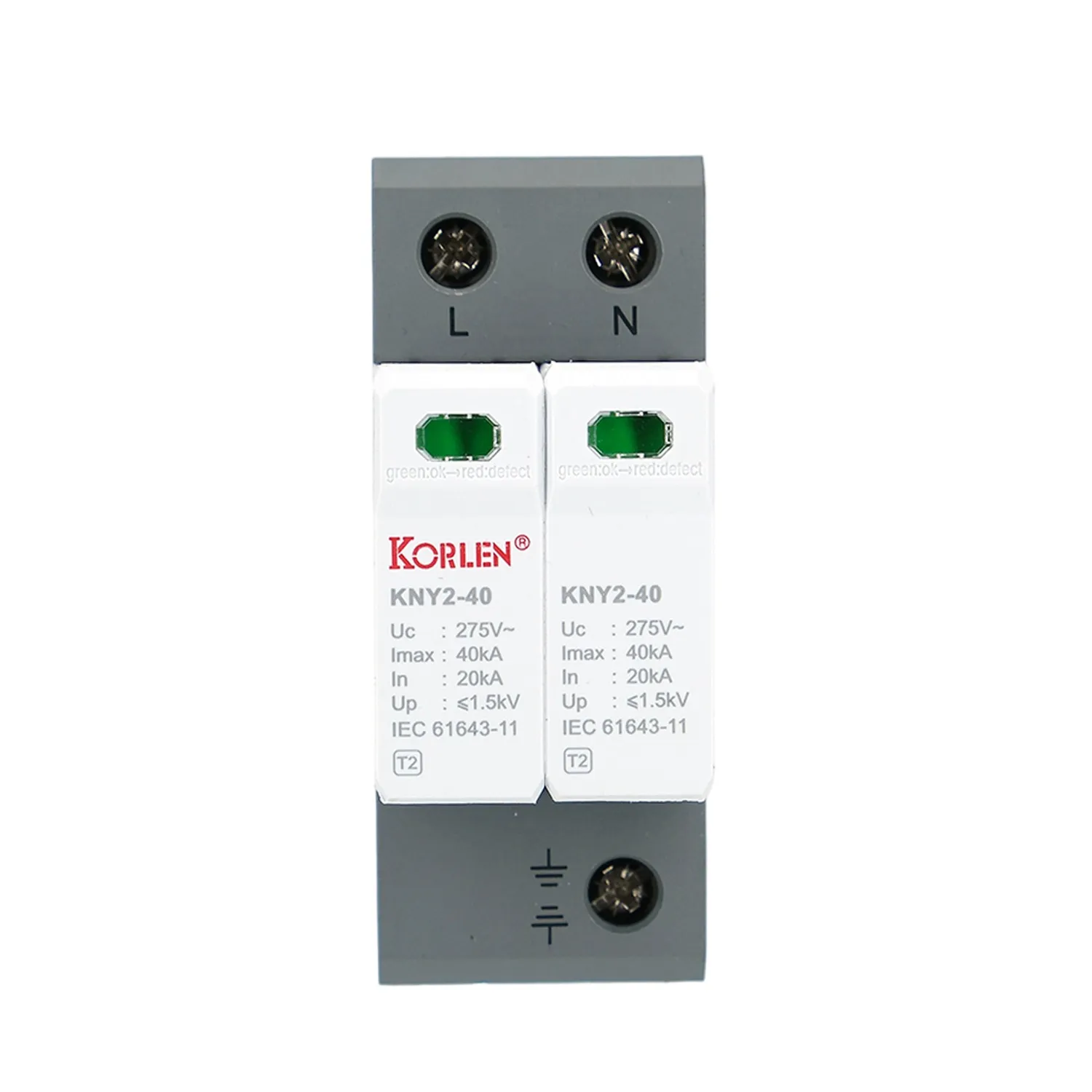 Overvoltage Protection Device Type 1+2 2P Up 1.5 kV KNY2-40 Korlen
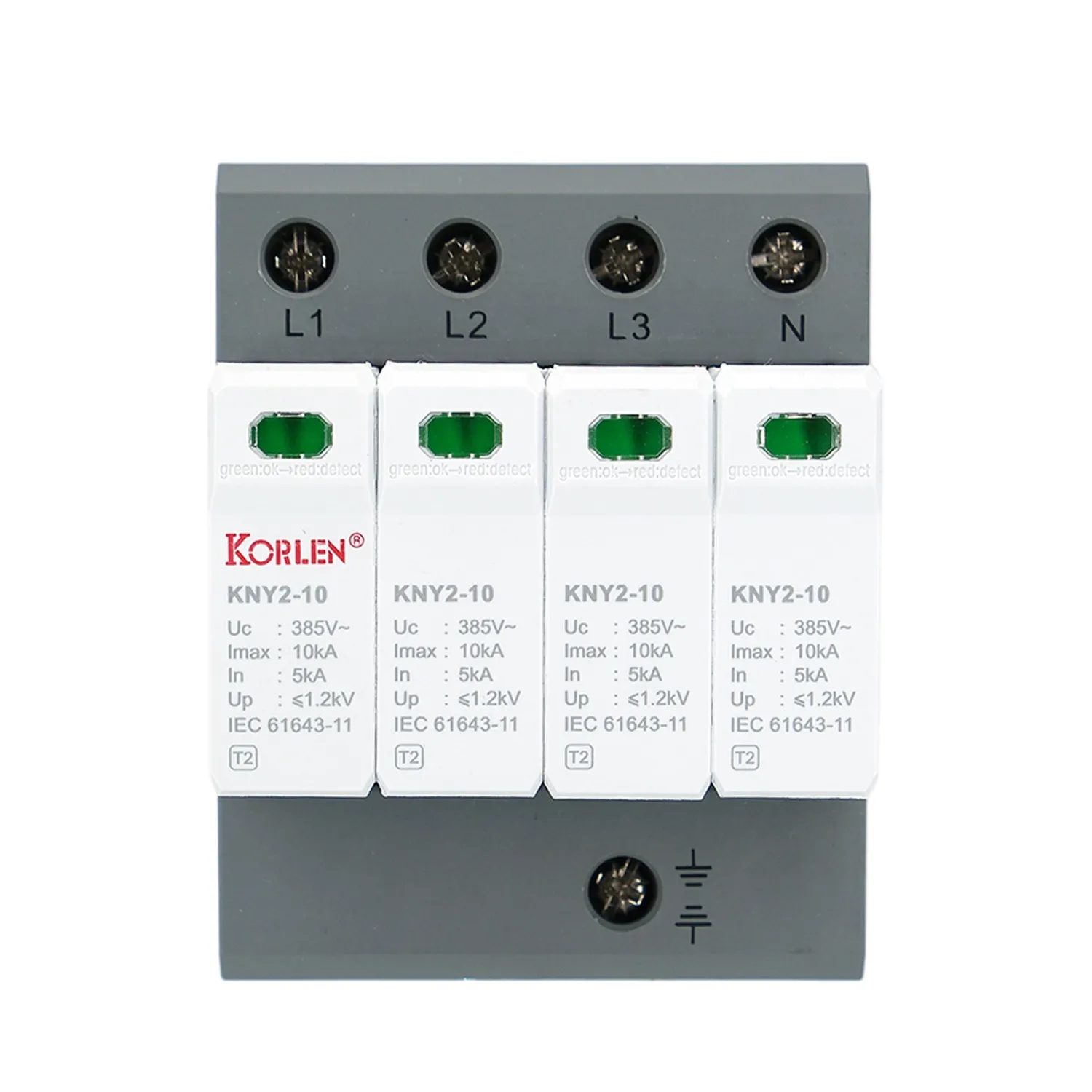 Overvoltage Protection Device Type 1+2 In 20kA 4P KNY2-10 Korlen
FusesFuse holders used on PV string protection.All Products
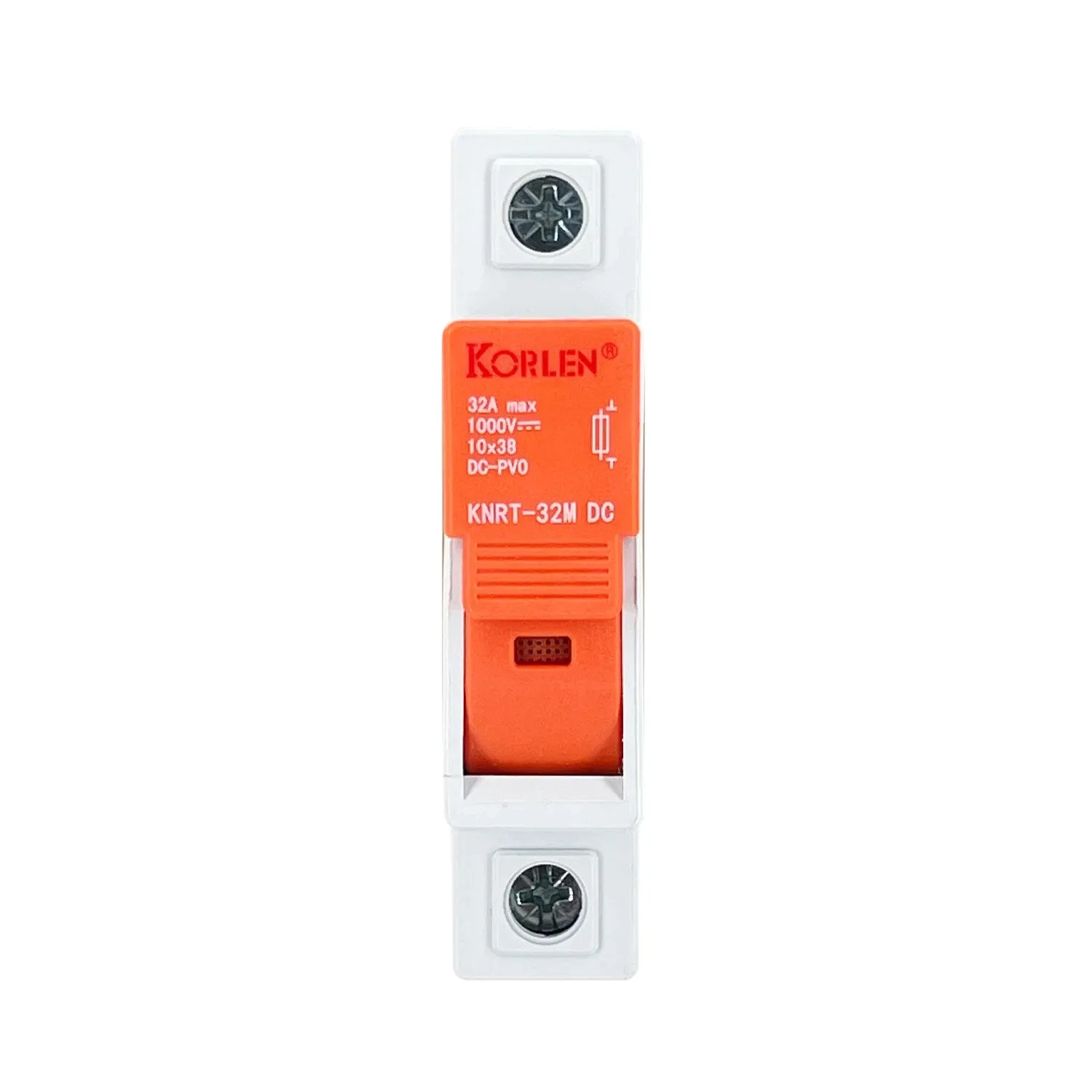 DC Fuse with Holder 1000 V DC 2–32A 10×38mm KNRT-32M Korlen
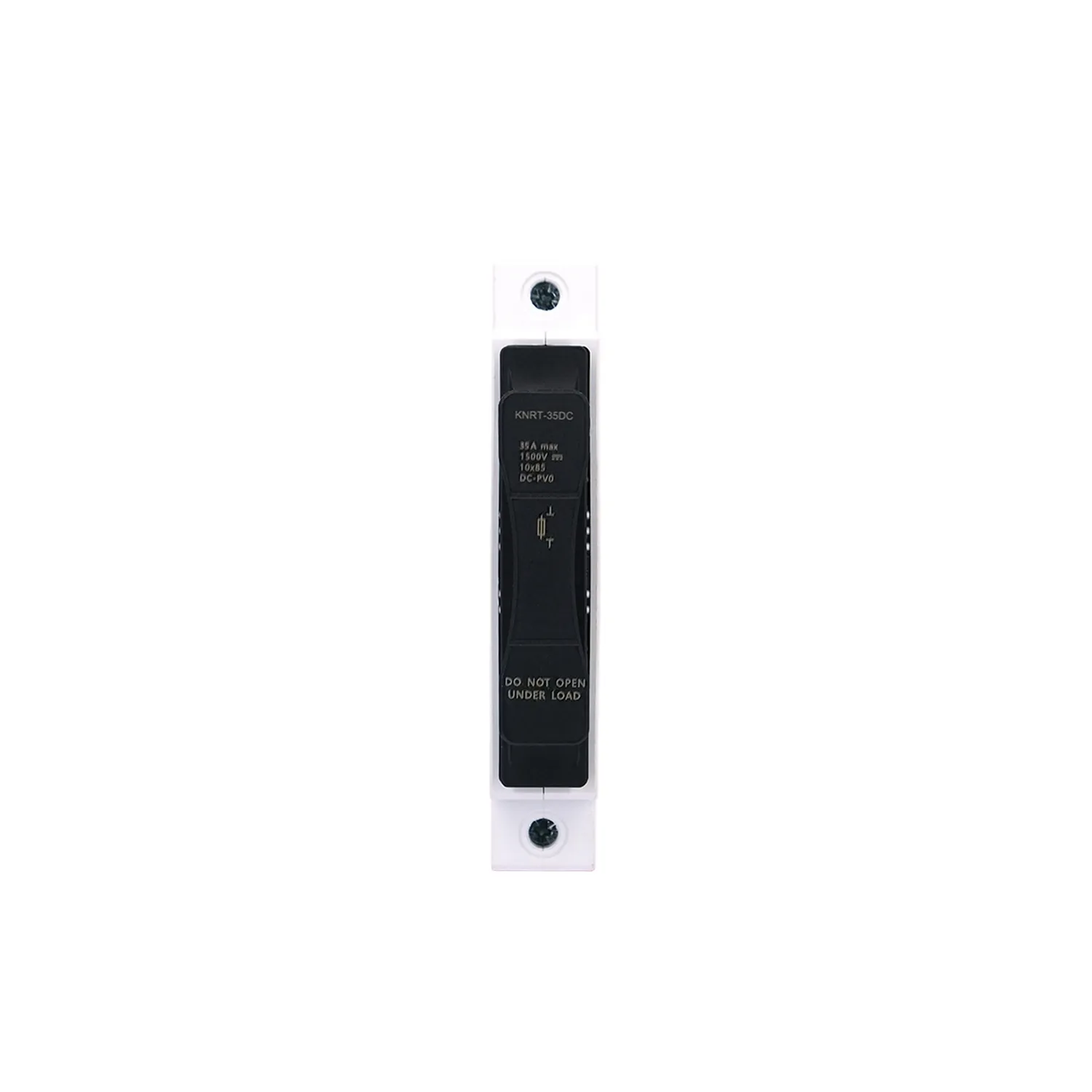 gPV Fuse and Base 1500 V DC 1–35A KNRT-35DC Korlen
Isolating SwitchesLoad-break and isolating switchesAll Products
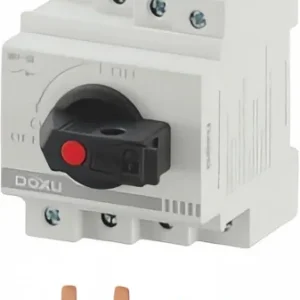 32A DC Load Break Switch 300 V DC DS1-32 Doxu
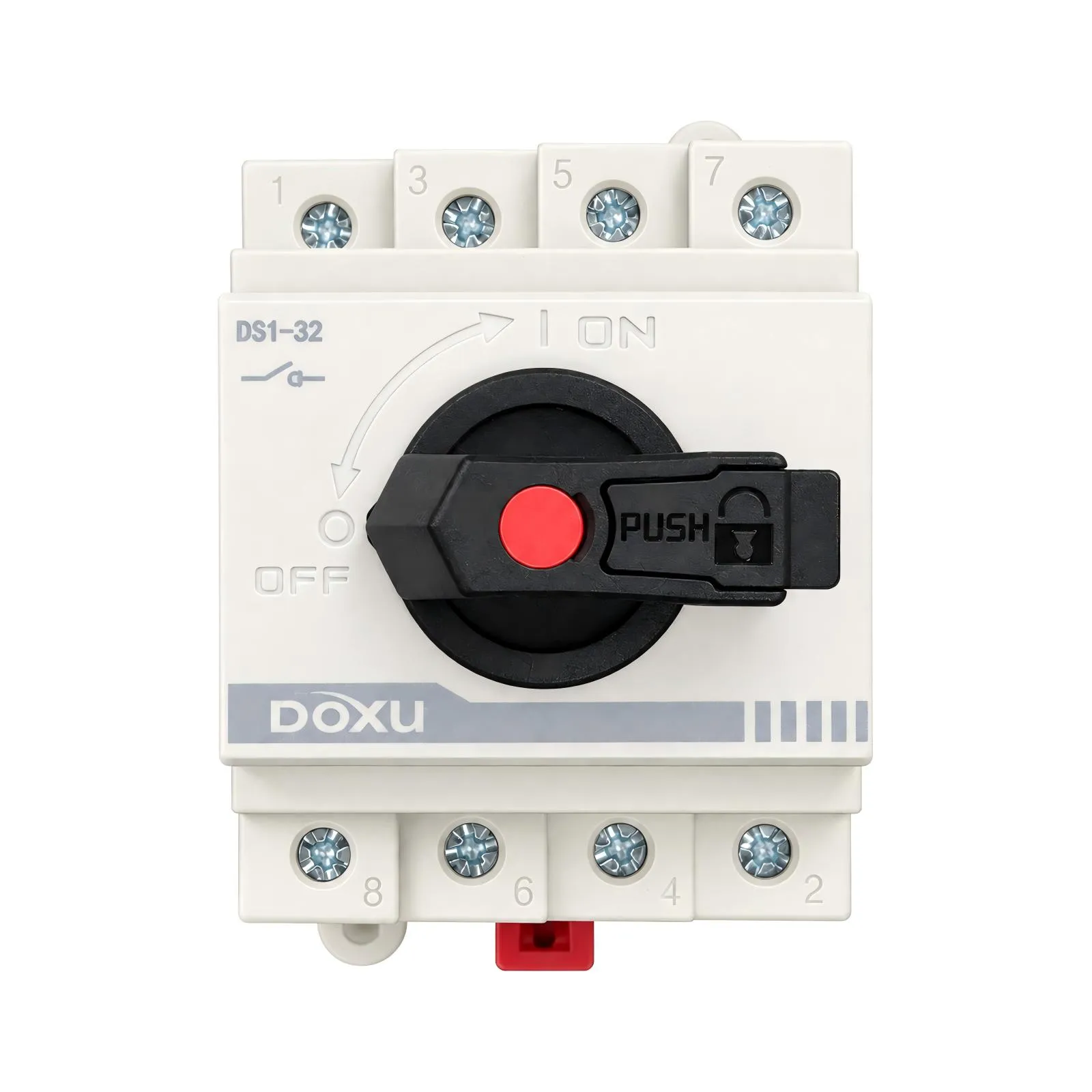 32A PV Isolating Switch 1000 V DC 2P DS1-32 Doxu
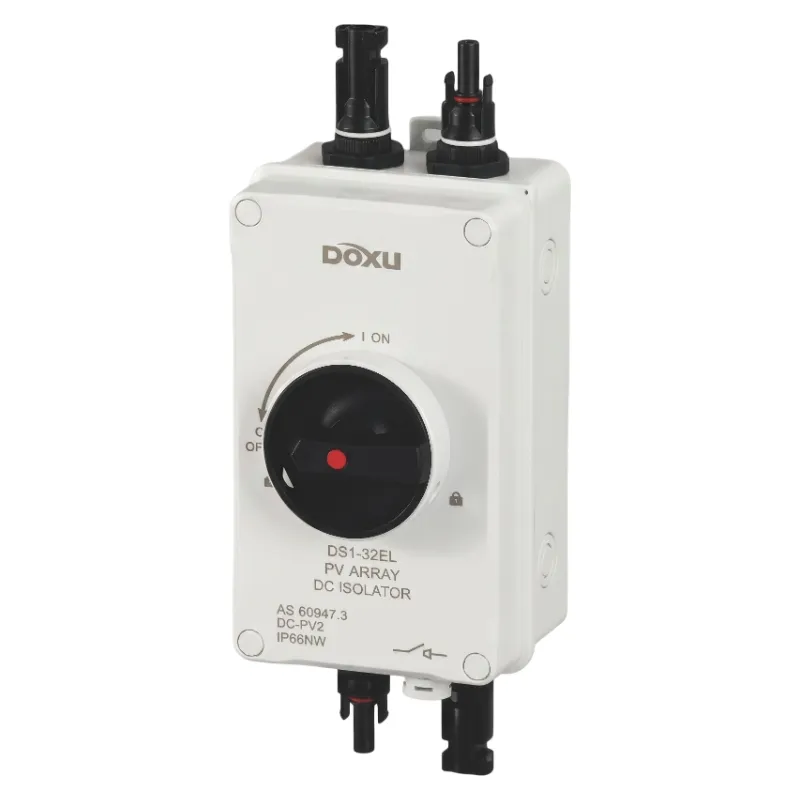 32A Solar DC Disconnect Switch 1200 V DC DS1-32EL/2-MC4-H Doxu
 DC Isolator Switch 1200 V DC 16–32A DS1-32EL/4P Doxu
 DC Isolator Switch 300 V DC 32A 2P DS1-32 Doxu
 DC Isolator Switch 4P 32A 1000 V DC DS1-32 Doxu
 DC Isolator Switch 600 V DC 32A DS1-32 Doxu
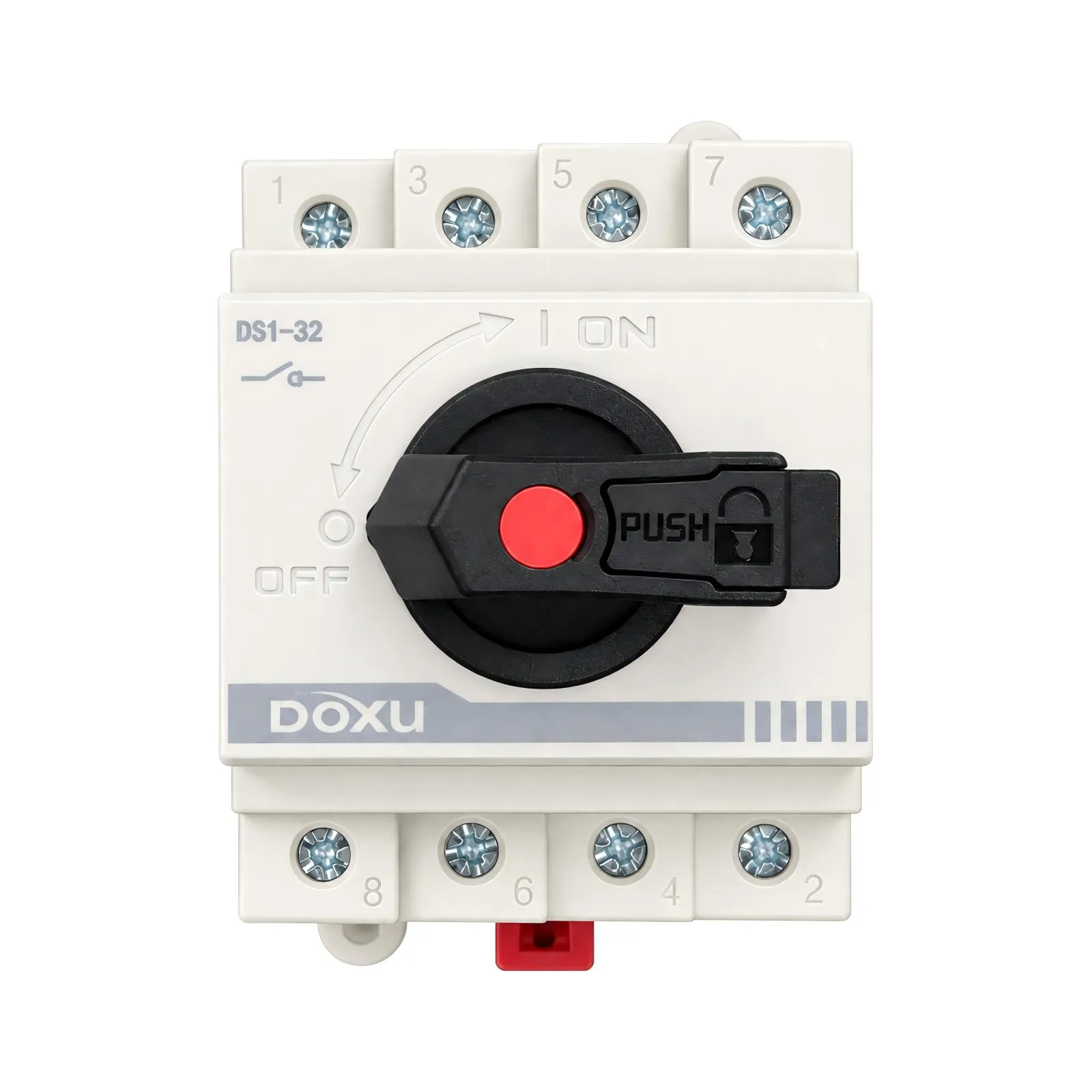 DC Load Break Switch 1200 V DC 2P 32A DS1-32 Doxu
Contactors & Motor StartersContactors, thermal relays and startersAll Products
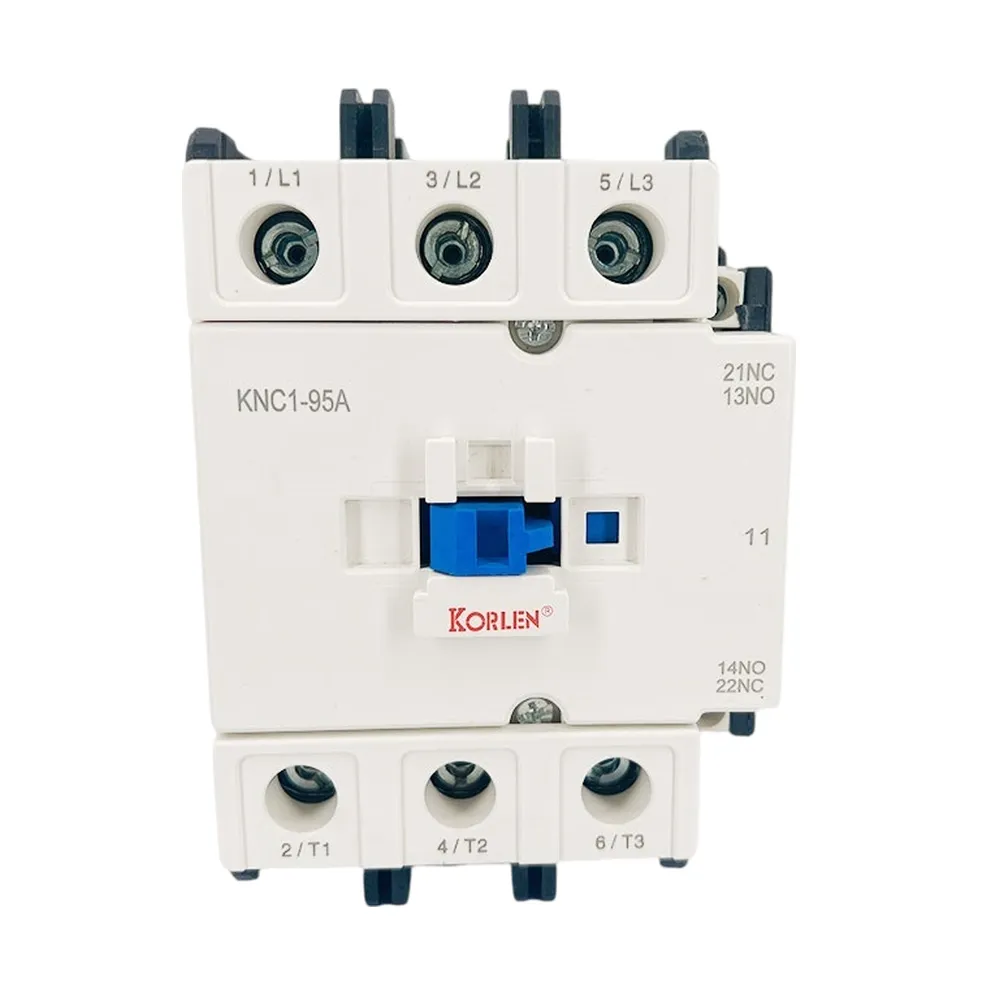 AC Contactor 3P 9–95A 660 V AC KNC1 Korlen
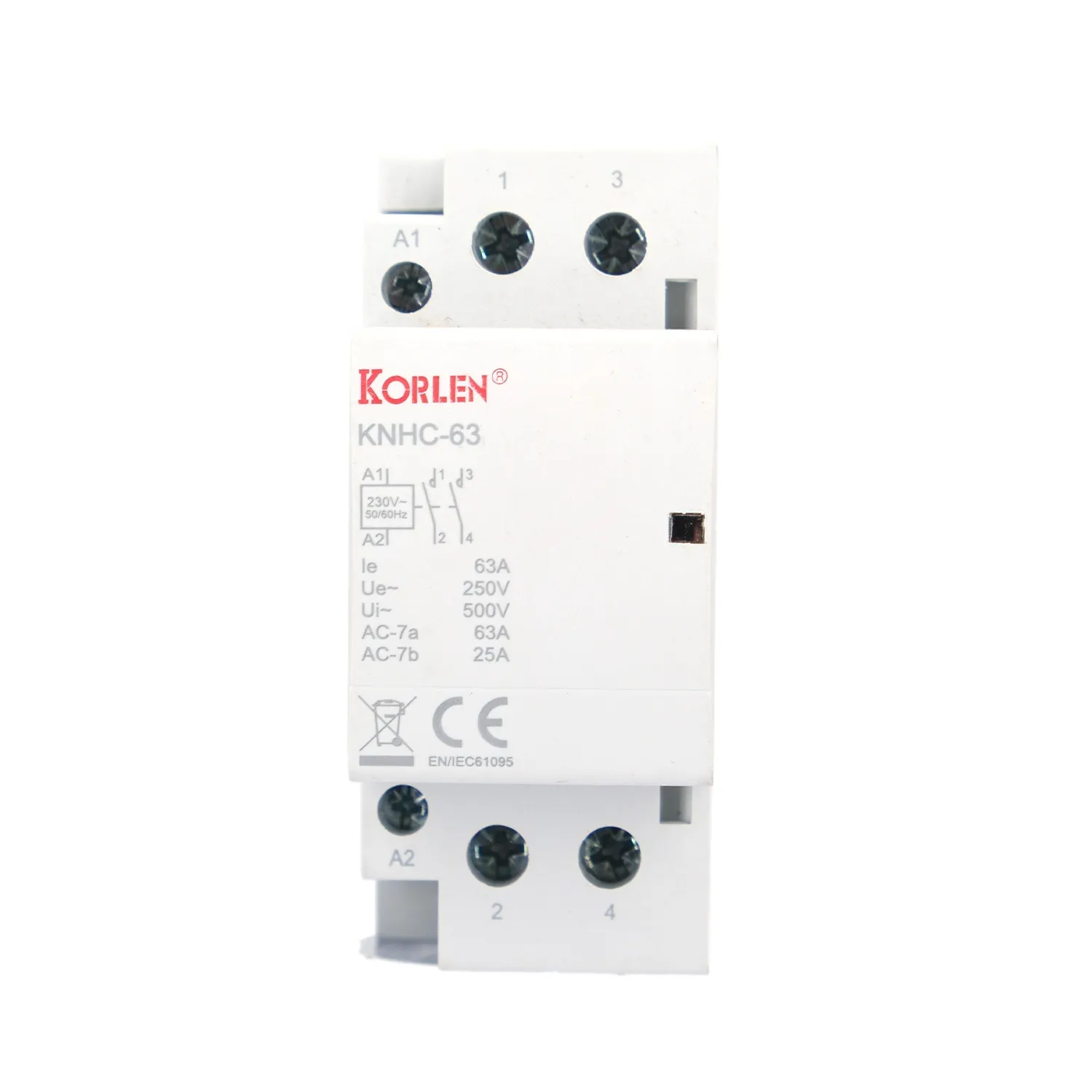 Building Automation Contactor 16–25A 3P 400 V AC KNHC Korlen
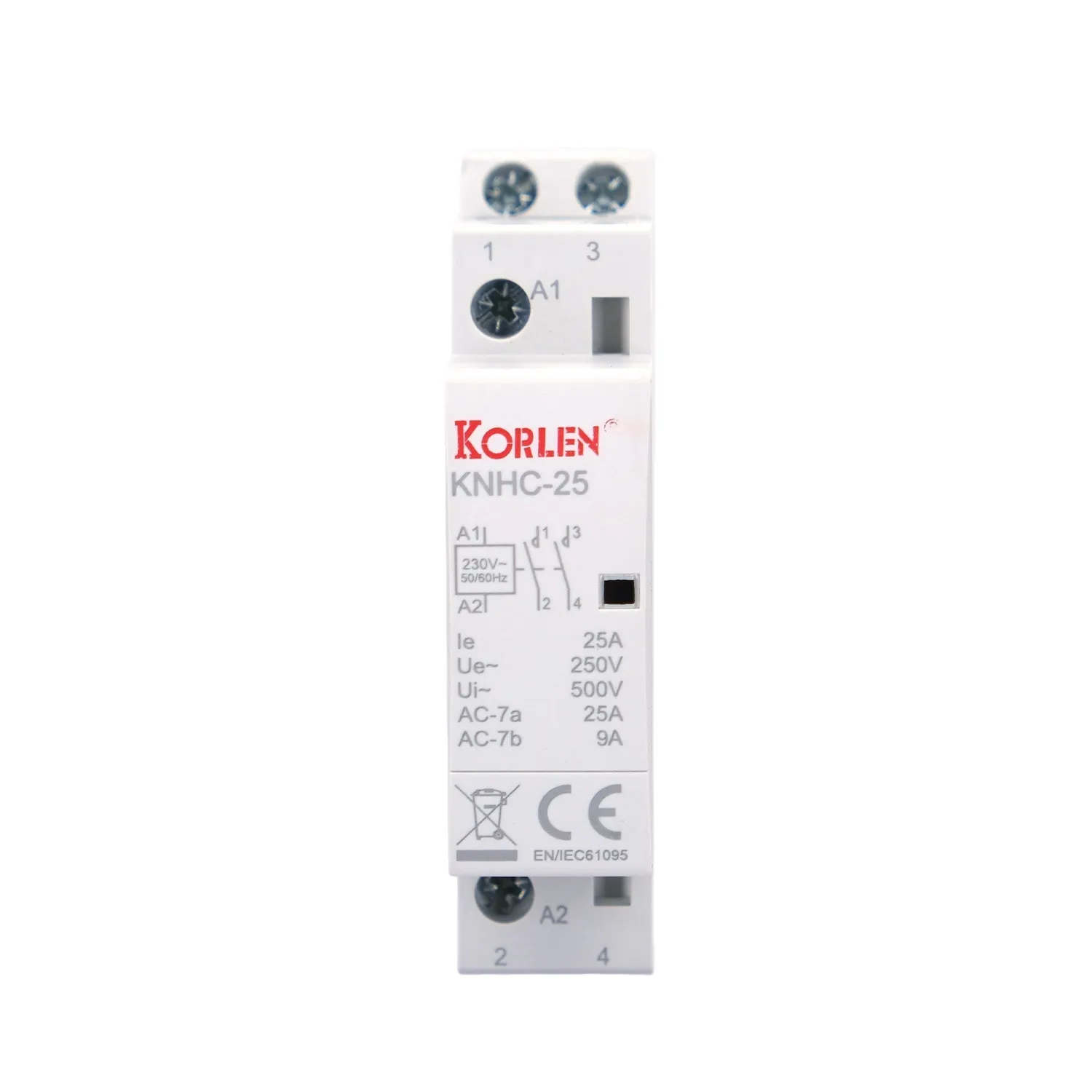 Building Automation Contactor 1P 32–63A for Building Services KNHC Korlen
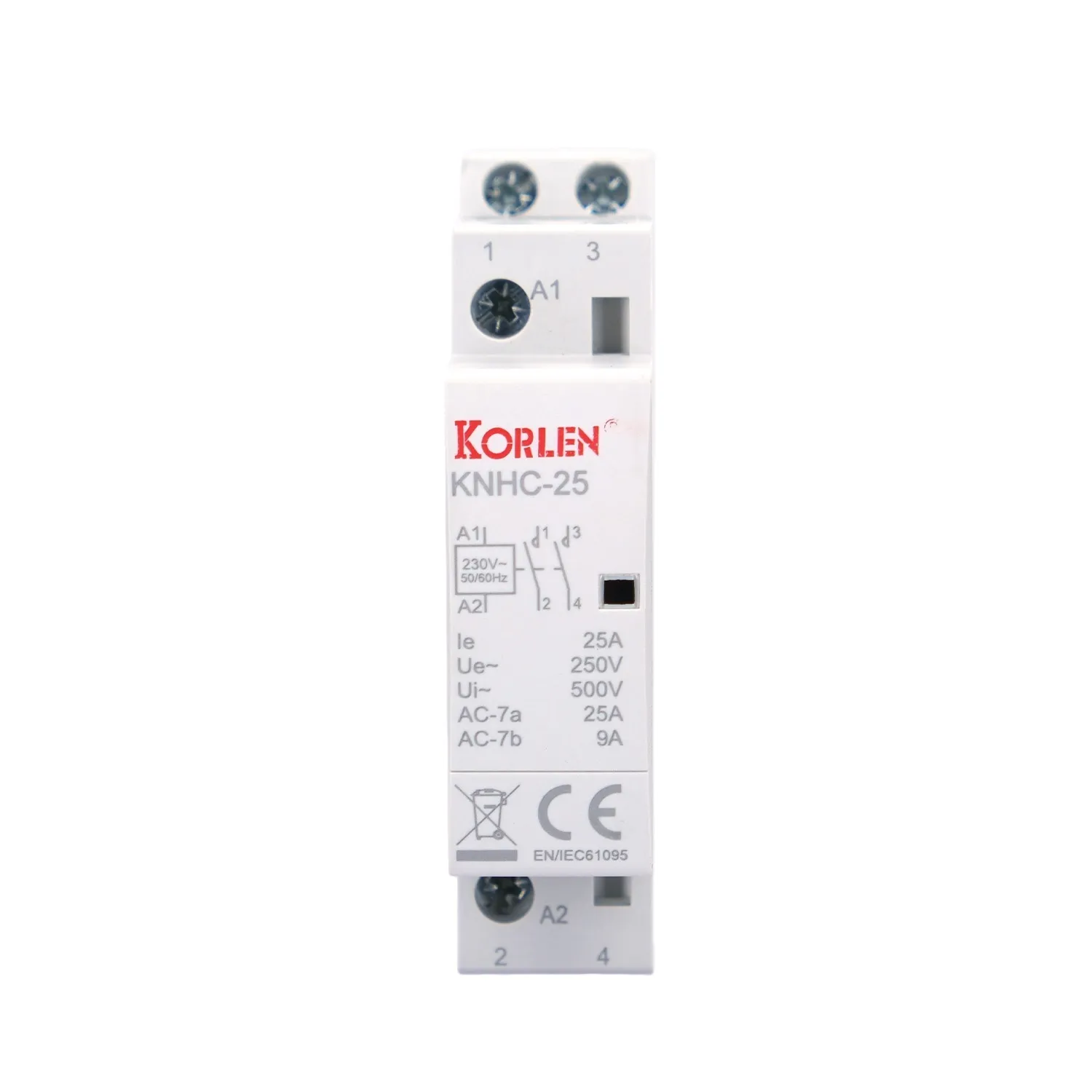 DIN Rail Contactor 1P 80–125A up to 400 V AC KNHC Korlen
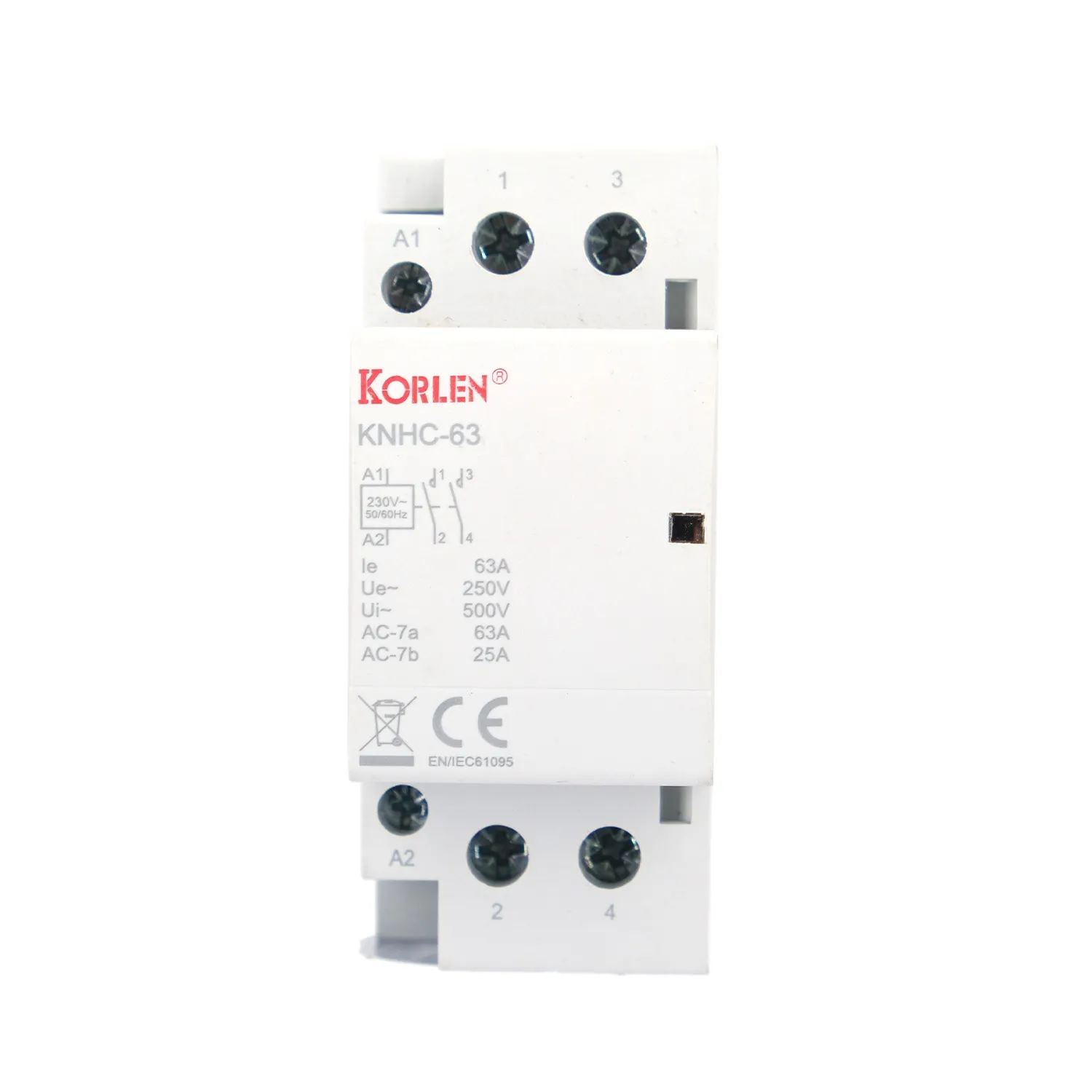 DIN Rail Contactor 3P 32–63A 400 V AC KNHC Korlen
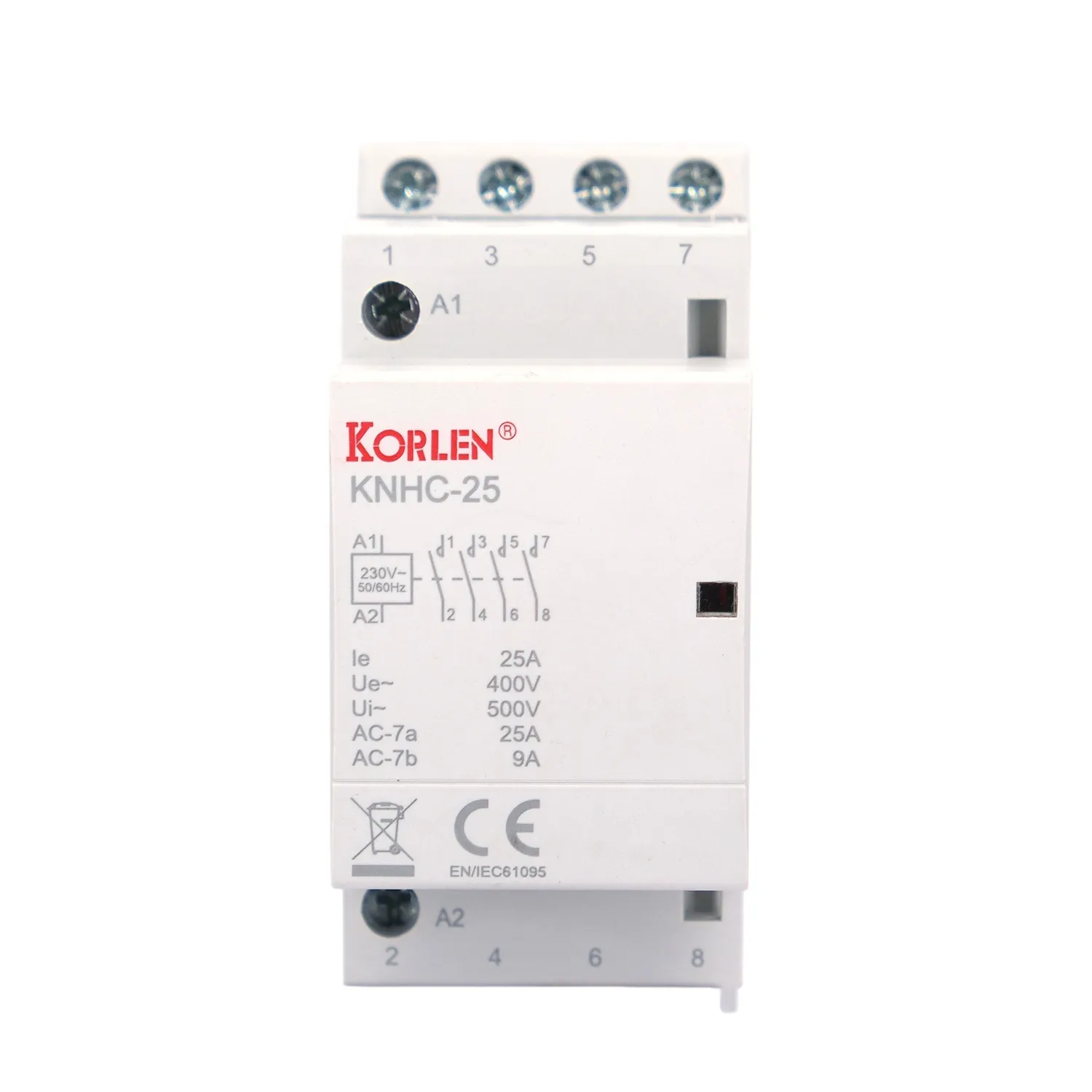 Double Pole Modular Contactor Relay 32–63A up to 400 V AC KNHC Korlen
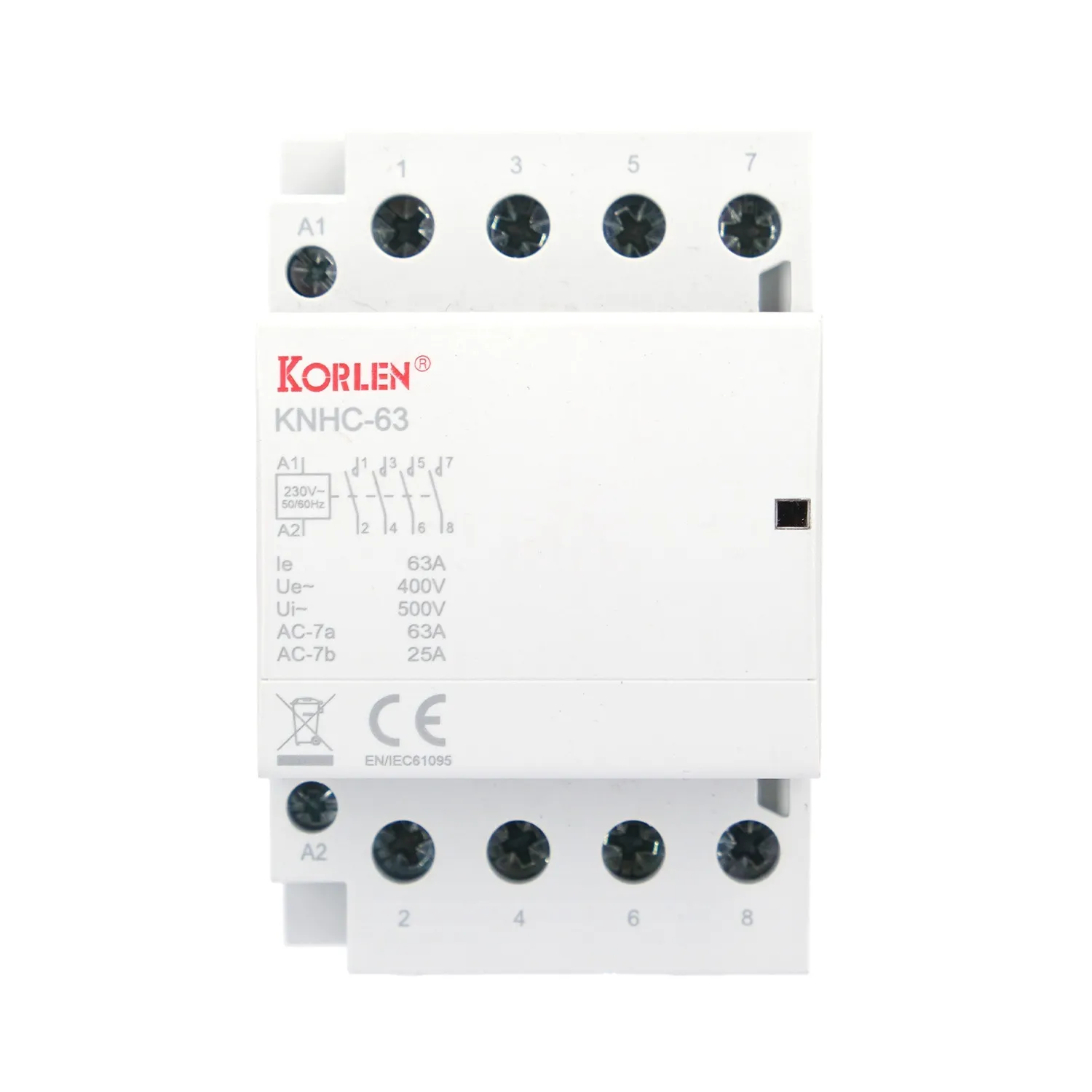 Four Pole Building Automation Contactor 80–125A up to 400 V AC KNHC Korlen
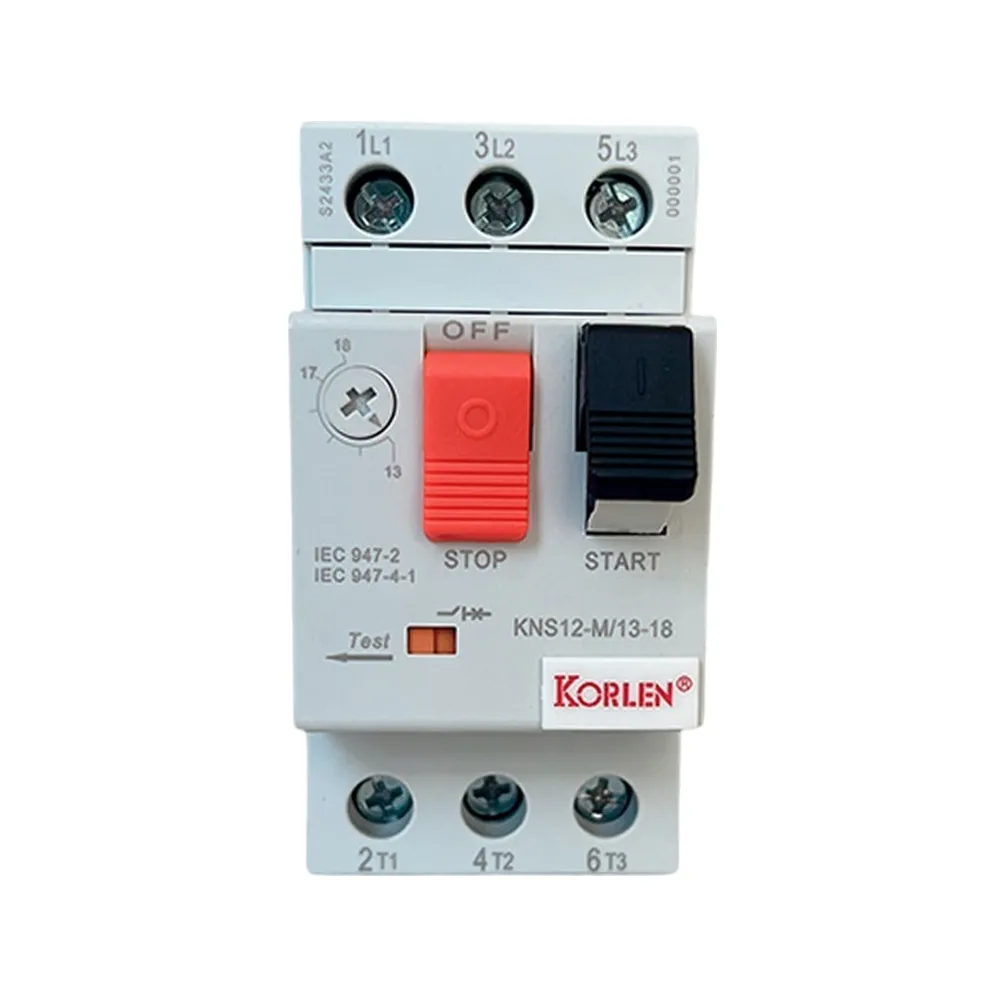 Manual Motor Starter 3P 1–80A 690 V AC KNS12 Korlen
Combiner & Distribution BoxesEnclosures for string combining and AC distribution.All Products
 DC Combiner Box 2 in / 2 out 1000 V DC for PV Plants KNX5PV-H/B-2/2 Korlen
 Distribution Board 6–36 modules Watertight Enclosure KNS Korlen
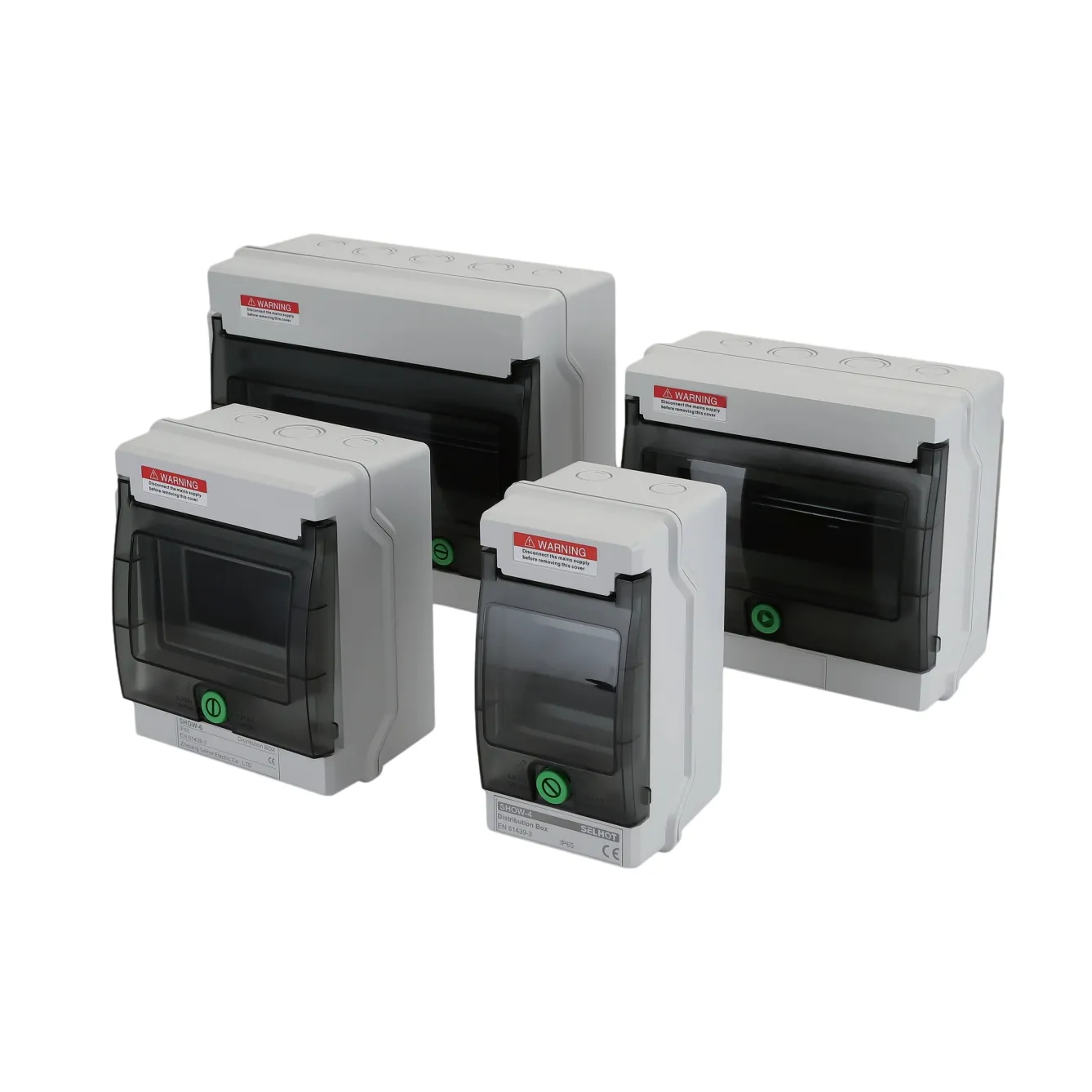 Distribution Board IP65 4–24 modules KNHA Korlen
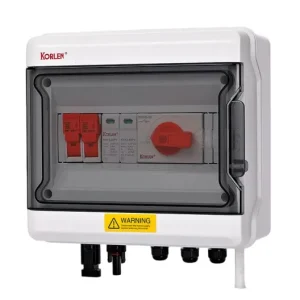 PV Combiner Box 1000 V DC 1 in / 1 out KNX5PV-H/B-1/1 Korlen
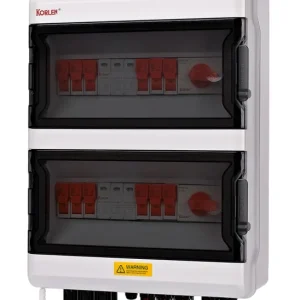 PV Combiner Box 1000 V DC 4 in / 2 out KNX5PV-H/B-4/2 Korlen
 PV String Combiner Box 2 in / 1 out 1000 V DC KNX5PV-H/B-2/1 Korlen
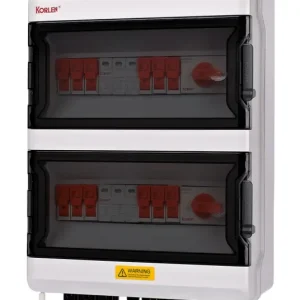 PV String Combiner Box 6 in / 2 out 1000 V DC, KNX5PV-H/B-6/2 Korlen
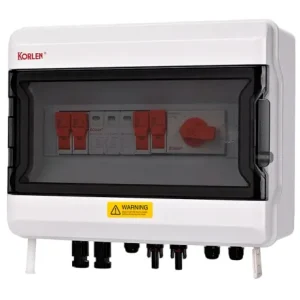 Solar String Combiner Box 3 in / 1 out 1000 V DC KNX5PV-H/B-3/1 Korlen
Cable GlandsIP68 nylon cable glands in PG7 to PG63 and M8 to M114 threads, PA66 body, for waterproof cable entry on enclosures.All Products
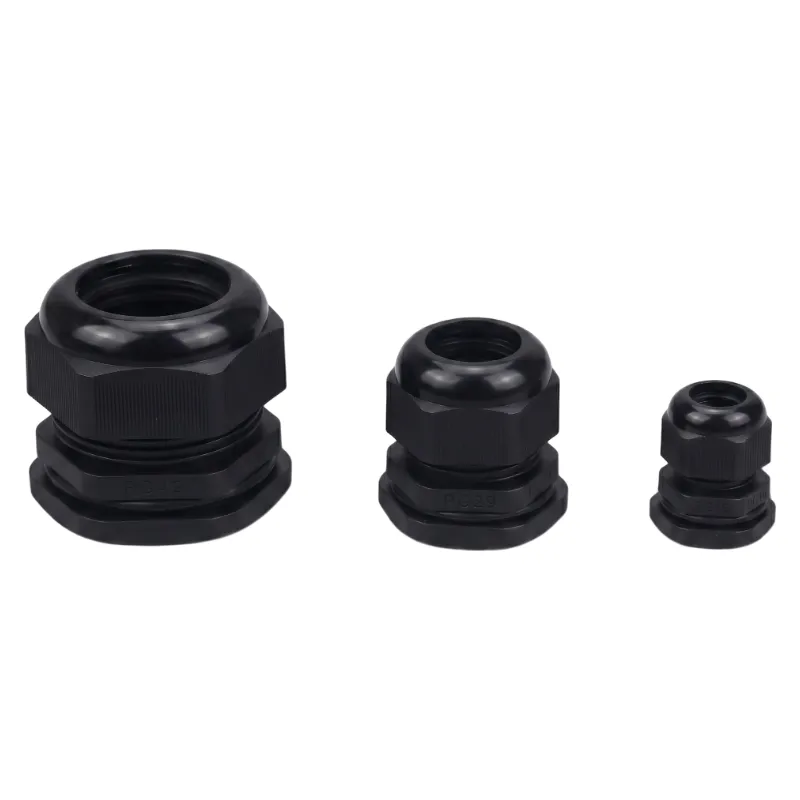 Cable Gland IP68 PA66 nylon PG7-PG63 WZCHDA
 Nylon Cable Gland IP68 PG7-PG63 PG thread WZCHDA
 PA66 Cable Gland metric M thread M8-M114 IP68 WZCHDA
 Waterproof Cable Gland IP68 metric M thread WZCHDA
Cable TiesNylon 66 cable ties from 60 to 1500mm, plus stainless steel SS304 and SS316 ties, PVC coated and double head versions.All Products
 Cable Tie Nylon 66 1.9-10 mm 60-1500 mm ZHEJIN
 Heavy Duty Cable Tie SS304 / SS316 stainless steel 4.6-12 mm ZHEJIN
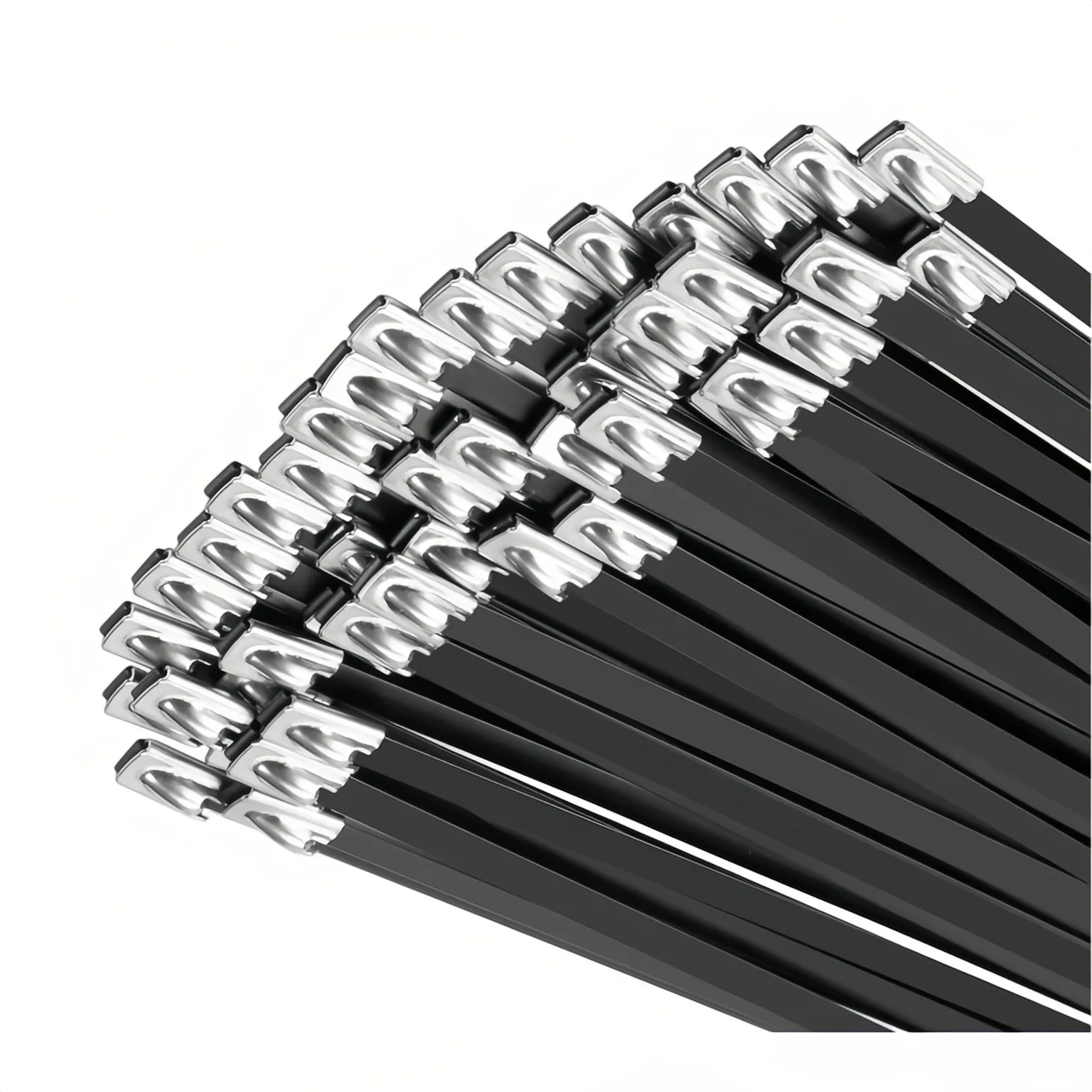 Metal Cable Tie PVC Coated SS304 / SS316 4.6-12 mm ZJS-PC ZHEJIN
 SS Cable Tie 12.3 / 16 / 25 mm ZJDS Double Head Heavy Duty ZHEJIN
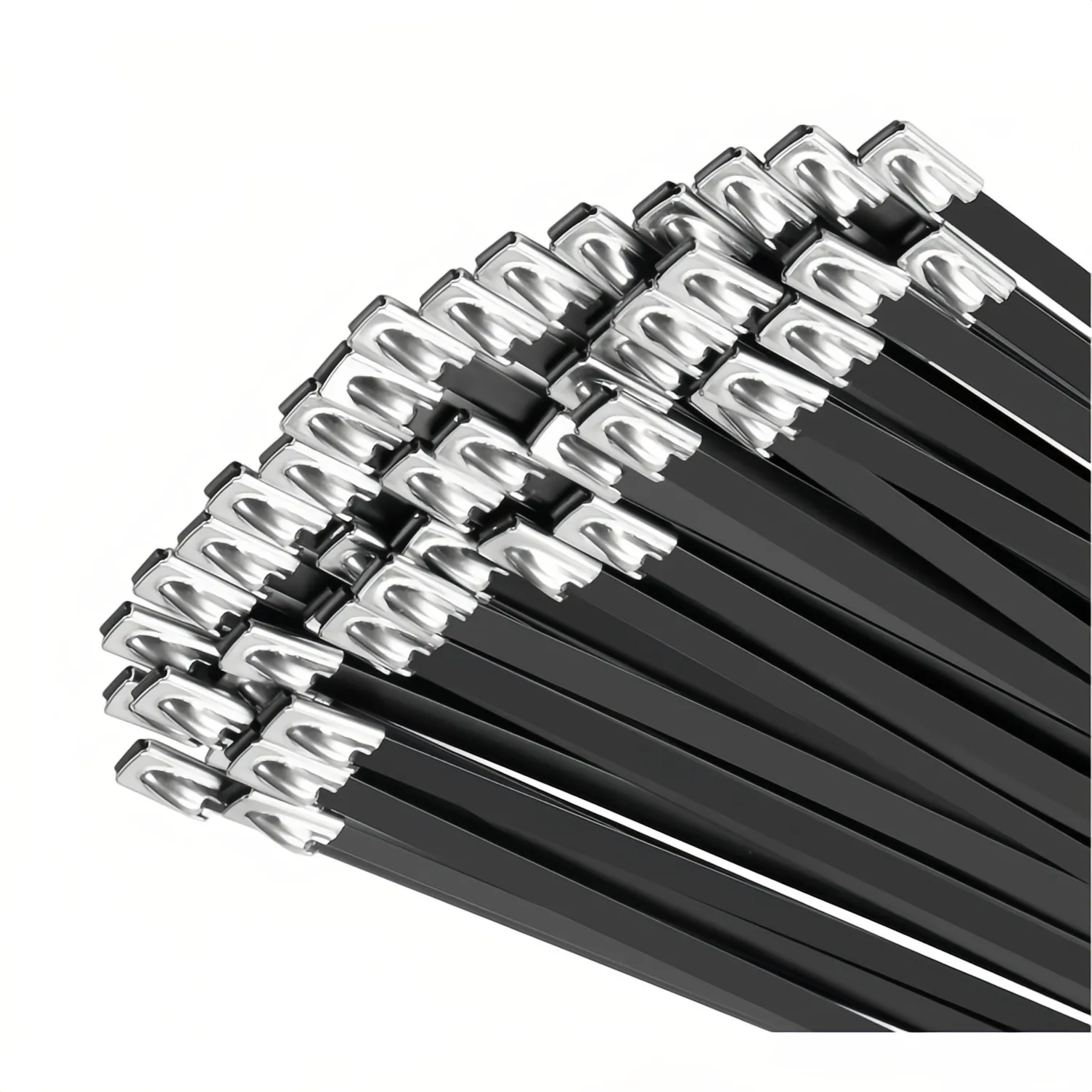 Stainless Steel Cable Tie in SS304 / SS316 ZJS-BC ZHEJIN
Corrugated ConduitFlexible corrugated conduit in PA66 nylon and polyethylene, AD7 to AD54.5, black, for cable routing in panels.All Products
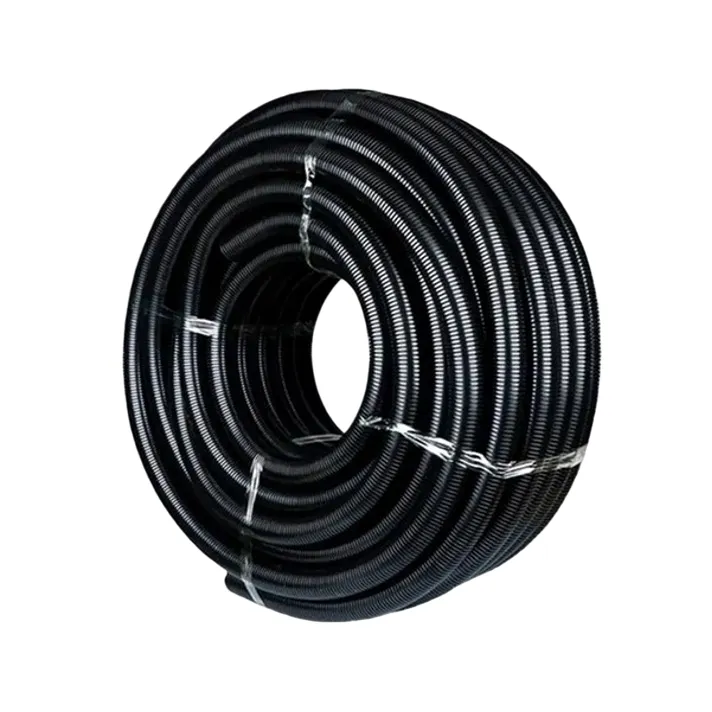 PA66 Corrugated Conduit AD10-AD54.5 nylon Black WZCHDA
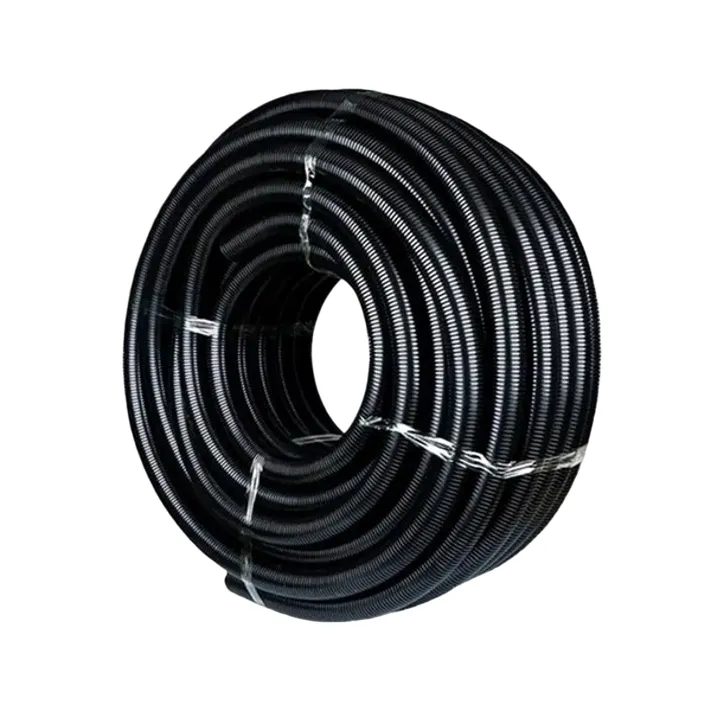 PE Corrugated Conduit polyethylene AD7-AD54.5 WZCHDA
Solar ConnectorsPhotovoltaic cable connectors rated 1000V and 1500V DC, 30A to 65A, IP67, for solar string connections and module wiring.All Products