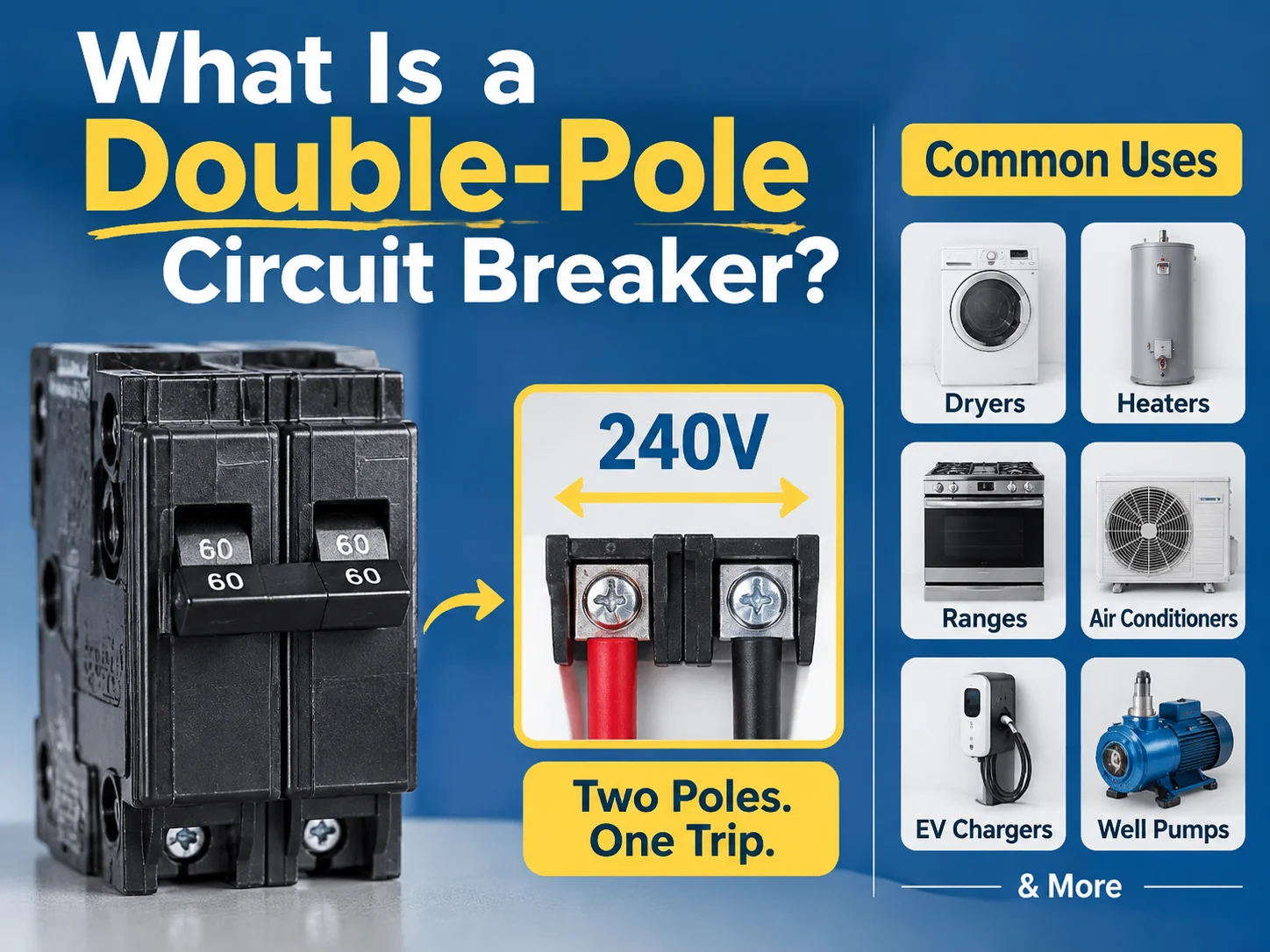
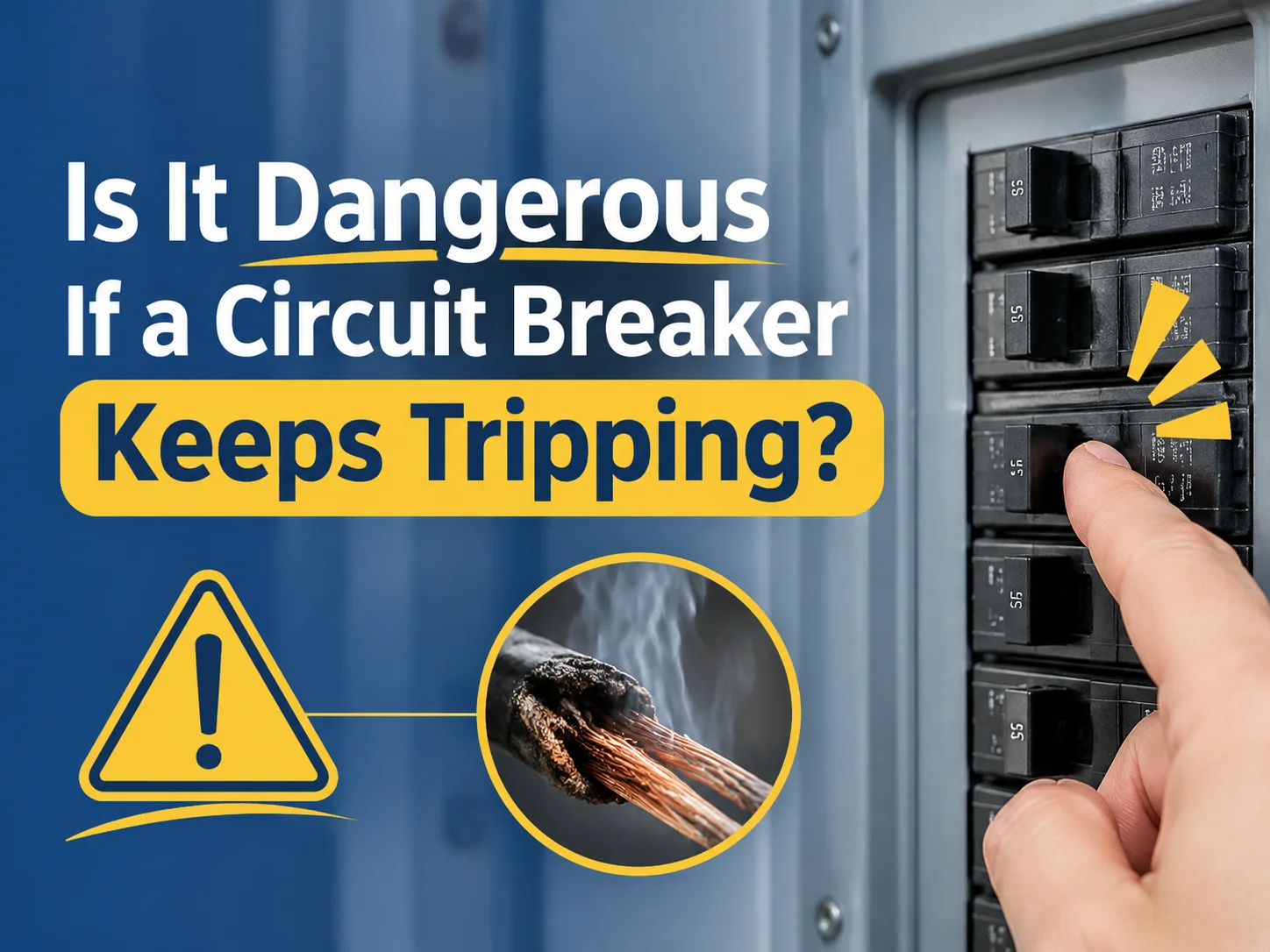
When circuit breakers are reset, the power source is reconnected to the circuit that experienced an initial failure. Each time an electrical surge occurs, energy can be pushed through to the circuit. If the circuit continues to experience problems, during the next reset, the circuit will again experience the energy surge. This condition can continue for an extended period of time, leading to overheating and eventually a fire in your home or business.
Quick answer: Repeated failures of circuit breakers do not necessarily indicate an immediate safety issue for your home, but the constant failure of breakers to re-engage is a cause of concern for all electrical systems and their users. Failure of circuit breakers to re-engage may create a hazardous condition and are indicative of uncorrected faults and the need for immediate repair.
Fault Types, Normal Trips and Not-Normal Trips
Three types of faults to check when resetting circuit breakers are overheating due to overload, short circuit, and open circuit. When resetting an electrical circuit, a good practice is to turn off or unplug items within the circuit so you know they are not causing the breaker to fail. The most common causes of a circuit breaker tripping are the following:
- a device or appliance drawing more power than what the circuit can safely handle
- a defective or broken wire within the circuit
- water or moisture inside the circuit causing short circuiting
- a defective circuit breaker that has failed
The term “Normal Trip” may be defined as a trip that occurs when the load placed on the circuit exceeds its full load rating; in this example a 15 Amp (A) rated circuit will trip after having an applied load of 1500 Watts (W) for 1 minute, and 1200W for 1 minute, resulting in an overall applied load of 22.5A. As a result, the breaker is designed to protect you from circuit damage by tripping when one of its protection devices has been activated. Once again, the load can be removed from the circuit for a short period of time and reset, and all will be well.
On the other hand, a “not normal trip” would occur when there was nothing else plugged into the circuit when it tripped (or just after resetting), if it tripped every time there was a wet weather event, or if there was no other event causing a trip when that circuit had operated for years without any problem. A trip caused by the last four examples is more indicative of a fault in the circuit rather than a problem with the loads connected to the circuit.
The distinction between normal and not normal is important because, in the two situations described, the response would differ. An overload is a usage issue and can be managed, while a fault is a problem with the equipment and must be tracked down. The 1P+N Miniature Circuit Breaker that protects a final circuit cannot provide you with any indication as to which type of problem has occurred; it simply indicates that an overload condition or a fault condition has occurred based on current and temperature, and the diagnosis will be performed by an electrician.
What the Breaker Is Telling You: Thermal and Magnetic Elements
Finally, the thermal-magnetic circuit breaker contains two components that will determine how the breaker will trip. The first component is the thermal element, which consists of a bi-metal strip that will bend as it is heated, and will respond to a sustained overload; at a load approximately 1.3 times its circuit rating the thermal element may take one or several minutes to perform its trip function, while if the circuit is overloaded to 2 times its rating, it will respond quicker.
A solenoid is a device that has a magnetic field created by an electromagnet when electricity flows through it. When a very high electric current flows through a solenoid for a very short period of time, it causes a rapid increase in the magnetic field and then opens the circuit for a short-circuiting condition.
How long an electrical circuit takes to trip is a key piece of information regarding the type of problem that has occurred within that circuit. If a circuit breaker trips after being used for a few minutes, that is indicative of a thermal overload occurring. A circuit breacher that trips immediately on impact with an electrical device indicates that a magnetic problem (a short-circuiting or very high inrush current) has occurred.
Therefore, the time it takes a circuit breaker to trip is the most valuable information a homeowner can provide an electrician for troubleshooting purposes. For example, if a homeowner states, “My heater trips the circuit after about 10 minutes,” and “My vacuum trips the circuit the instant I plug it in,” these two descriptions represent two distinct problems and two separate repair solutions.
Four Causes, Ranked by Frequency
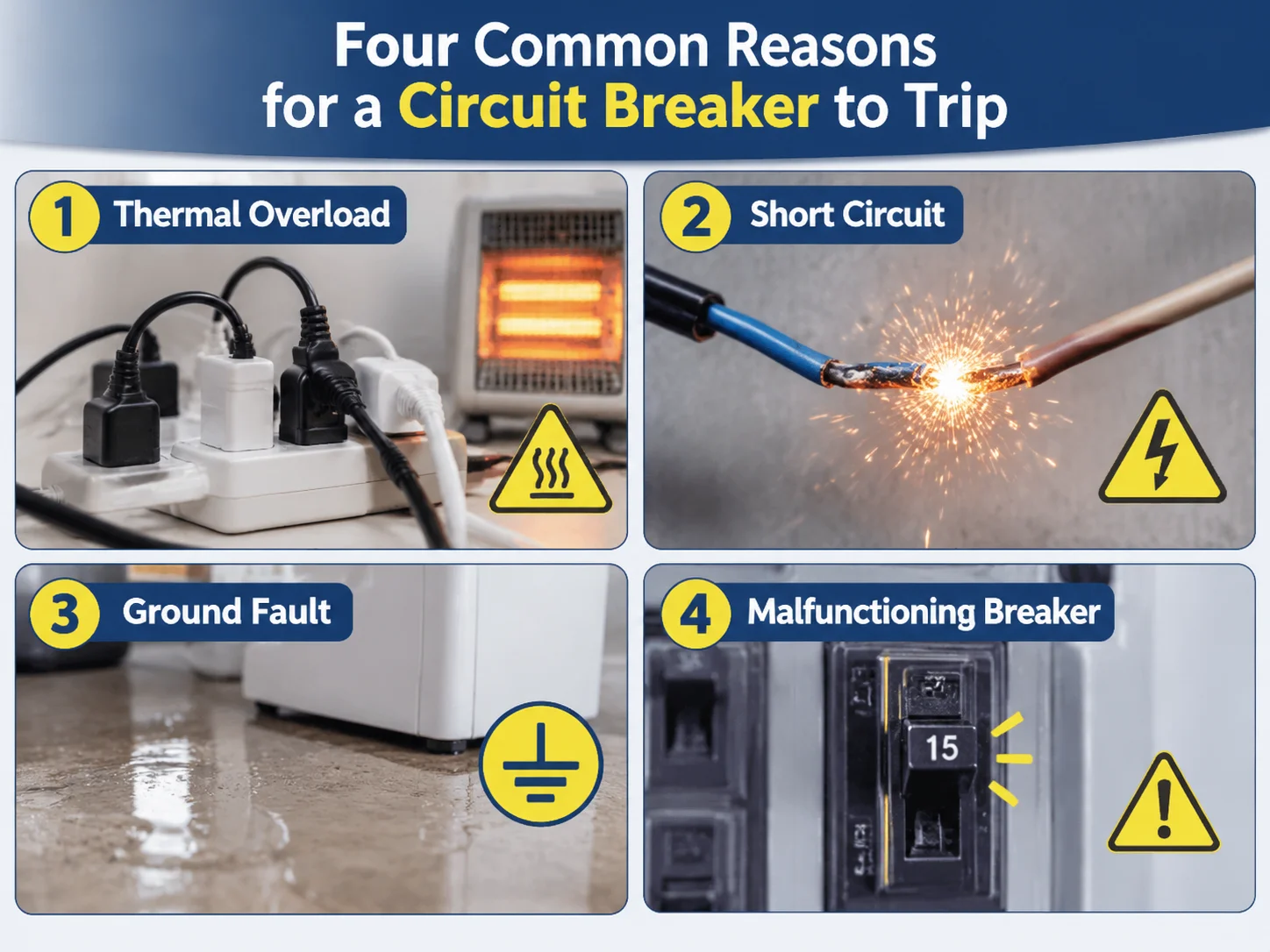
The number one cause of circuit breakers tripping is thermal overload. This condition occurs when there are too many devices being connected to the same circuit or when the devices being connected to the circuit exceed the circuit’s electrical capacity. For instance, a circuit rated at 15 Amps may have an electrical current load of 1,500 Watts due in part to the connection of the heater long before the maximum load is reached. Therefore, when you connect an additional electrical device to the circuit, that load exceeds the circuit’s electrical budget.
A short circuit is the second most frequent cause of a circuit breaker tripping. A circuit breaker may trip if two conductors touch each other due to failed wiring insulation; nails piercing electrical cables; damage from small animals chewing on conductor insulation; or loose connections touching electrical boxes and enclosing wiring. The impedance of the fault limits the current, and as a result, the magnetic element will normally open almost immediately after the fault has occurred.
A ground fault is the third and the one that is often missed or not noticed. Current leaking from the live to the earth due to some damaged insulation, moisture, or a faulty appliance can be very dangerous, and a breaker may not see the current because it is too low to activate the breaker. Remember, there is a reason why bathrooms, kitchens, and outdoor circuits have RCD protection. A breaker alone may not detect a 20mA leak; the RCD will detect that same leak and operate to prevent an electric shock.
The fourth is a malfunctioning breaker. A malfunctioning breaker is uncommon, but it will be the first thing someone points the finger of blame at. The signs of a breaker malfunctioning are that it will trip below its rating, it will feel hot at the case when there is no load, it will buzz, and it will not reset properly. If you suspect a breaker is malfunctioning, check the 1P+N RCD for a test button and an earth leakage. element; this will verify if the problem is an overload or an earth leakage
Overload: The Slow Trip and What It Looks Like
Overload trip will occur after heat has built up. The breaker case will feel warm and the cable may feel warm at the outlet. The trip will occur after the load has been connected for a period of time (usually minutes) rather than seconds. Loads that usually cause overload trips are fairly obvious; heaters, kettles, hair dryers, microwave ovens, vacuum cleaners, or combinations of lower-rated devices. Simple arithmetic will help to identify the current being drawn and determine the maximum load capacity of the circuit. A typical 15 amp (120 volt) circuit can supply 1800 watts of power; however, the continuous load limit would be 80% of that value (1440 watts). In this example, both 700 watt outlets are below this continuous limit; however, there is one outlet that can support 1500 watts and can only be used to an extent (1500 watts) with no room for any additional items.
| Appliance |
Typical watts |
Amps at 120 V |
Share of a 15 A budget |
| LED lighting (6 fittings) |
60 |
0.5 |
4% |
| Television and soundbar combination |
150 |
1.3 |
10% |
| Desktop computer and monitors |
400 |
3.3 |
28% |
| Microwave oven |
1,200 |
10 |
83% |
| Space heater |
1,500 |
12.5 |
104% |
| Hair dryer |
1,800 |
15 |
125% |
The solution for the space heater is to either find another circuit to use to plug into, or install another dedicated breaker. The latter solution would typically be the best choice for an older home where one circuit services three or more rooms. If the heater is moved to a circuit that has capacity, this will fix the problem but only temporarily. Using a dedicated circuit for the heater will eliminate this problem completely.
Short Circuit and Ground Fault: The Instant Trip
Instant trips occur due to short circuits and ground faults. An instant trip occurs when the circuit breaker trips at the time the load is applied, or when the load is turned off, and the noise produced is characterised as a sharp snap, unlike the soft click that occurs from circuit overloads. The reason a breaker trips in these instances is that the magnetic element of the breaker opens up at a current level that is many times above the rating of the breaker. A short circuit (line-to-line or line-to-neutral) typically has mechanical causes; for example, mail staples driven through the insulation, NY-X insulation conductor pulled tight around a sharp edge or separated joint, or damage to a cord with a damaged appliance connector. Because the fault is generally intermittent, it can be difficult to locate – it only presents itself when the conductor is moved or when someone walks on the floor above the faulty area.
A ground fault (line-to-earth) would trip a residual current device (RCD) at a number of milliamps. This fault can be caused typically by moisture from rain-drenched outdoor sockets, moist windings of pumps, or water-in-extractor fans of bathrooms. Ground faults have a natural seasonal and weather dependency; therefore, understanding this can provide an additional piece of information that makes it easier to logically deduce and diagnose the cause of the problem.
While both represent hazards to personnel, the similarity is that both of these faults will generate an arc at the fault point; an arc occurring at 120 volts will ignite material in the surrounding area. Additionally, in the case of a ground fault, there can be hazardous high voltages present on metal work which an individual may come into contact with, creating a probable electrocution hazard. A short circuit presents the most serious hazard and both should never be reset multiple times.
Why Repeated Tripping Becomes a Fire Risk
The danger is not the opening of the breakers; instead it lies in what is occurring at the fault during energized conditions, and at the electrical service panel after a series of cycles. A high-resistance connection, or where the conductor has been damaged, will create high resistance and high temperatures due to energy lost as heat.
A connection on a circuit board that gets so hot that the insulation has discolored is a connection that can cause the insulation to catch fire. Circuit breakers will not automatically cut off power until the electricity flowing through them exceeds the circuit breaker’s amperage rating, which means that in a case of a high-resistance connection, there is a good chance that the required amount of power will never be reached; therefore, the fault may exist for several months or even years until it becomes evident.
Once the circuit breaker has tripped a number of times, the contacts on that breaker are damaged and the bus bar (where the main power comes in to the panel) is also damaged due to heat generated from sparking at the contacts. The combination of damaged contacts and the increased resistance at the bus stab is the main cause of fires starting in electrical panels, as these failures build up silently over time, until they are an imminent danger.
Some panels are now over 30 years old, and many of the circuit breakers being installed into those panels have demonstrated failures in which a breaker that has tripped a high fault current several times and has continued to appear normal will not trip again when presented with another high fault current. Therefore, that panel is no longer protected, even if a hundred times the circuit breakers appear to be functioning properly and do not trip at all.
How Many Trips Before a Breaker Is Damaged
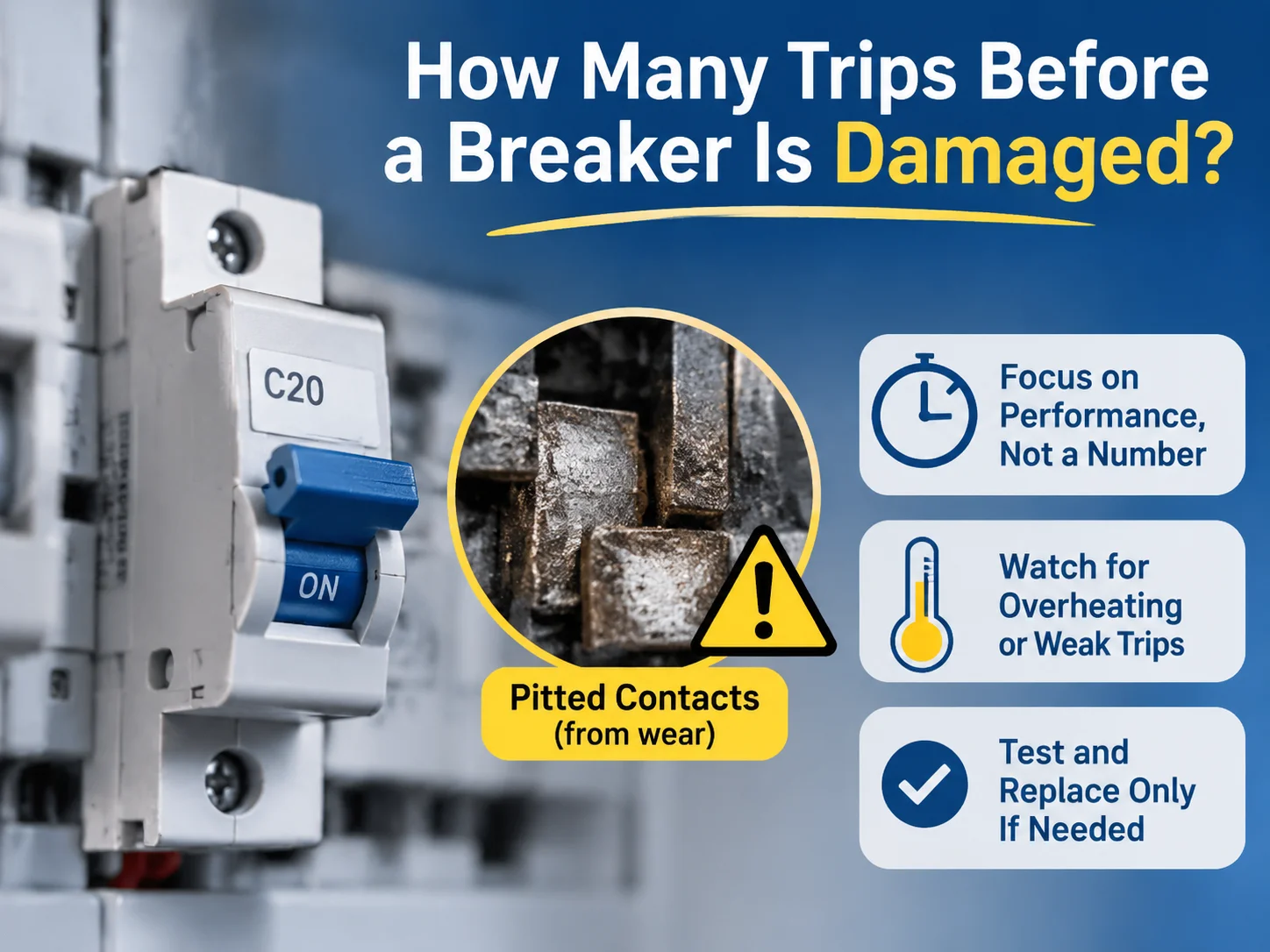
Many repairmen have been asked how many times a breaker can trip before it is damaged, and the answer is that this is the wrong question to ask, as there is no single number that indicates how many times a breaker can trip before it fails – the question should actually be how long after installation a breaker will show any indication of wear; This will depend on many factors.
Every breaker is tested for thousands of times for mechanical operation – that is, on / off with little or no current – and for much fewer possible ratings for interrupted fault speed; In between those two figures, a nuisance trip from an overloaded circuit wears down the mechanism slowly, but they do not destroy it.
Ampacity above a breaker’s maximum rating damages the breaker.
After two or three legitimate short circuit interruptions, the breaker contacts could become pitted and the trip characteristics could drift from wear and tear. However, it is not necessary to replace breakers every time they trip if they have interrupted a fault, but they do need to be tested.
Testing should be done based on performance not number of interruptions; a breaker that trips at lower than expected loads, runs hotter than expected while not loaded, and will not latch positively are likely to fail; if a breaker trips at its rated load and resets properly, the breaker is acceptable regardless of the number of trip counts. Molded case breakers with higher rated loads have replaceable trip elements and last longer than miniature devices therefore the testing procedures are different for both types.
Before You Reset It Again
It is important to complete the following steps in this order:
- Switch off or disconnect everything connected to the circuit in question (most individuals omit this step).
- Reset the circuit breaker to the off position completely several times until you hear an audible click, and then reset it again to the on position completely several times until you hear an audible click. If the circuit breaker is still holding strong while no devices are connected, you have a working circuit; therefore reconnect all devices one at a time until either you find the tripping device or until you connect all devices.
- If after reconnecting a device, the breaker trips again, disconnect that device and have it tested or replaced.
Do not hold the breaker in the on-position, as this is how contacts weld together. Additionally, never replace a breaker with one that is larger in order to avoid tripping. The breaker size is determined based on the size of the cable being protected, and a larger breaker will not provide additional protection to the cable.
The last statement merits further clarification. A 15 A breaker used on 14 AWG wiring provides a system that protects the wire from being damaged due to overheating. If you were to place a 20 A breaker in an attempt to prevent tripping, you still have a wire that is only 15 A rated that will carry 20 A of heat with a corresponding insulation rating of 15 A. Therefore, if there’s an issue with overheating, the failure position shifts from the breaker panel to behind the wall, where it cannot be seen until a fire is created.
When to Call an Electrician, and What to Tell Them
When the power turns off with no load connected and then resets and shuts back off after a short period of time, when the breaker panel is wet, when the breaker is slightly warm or smells like it is getting hot, when the breaker is buzzing, or when the same circuit has tripped more than three times in the last week with no clear reason for the failure, each of these occurrences indicates an issue with the electrical system itself and not just the load.
When you contact the electrician, be sure to include: 1) Which breaker is affected, 2) After resetting the breaker how many minutes before it shuts down again, 3) What was running at that time, 4) Have there been any changes in the home recently (the last one resolves many of the newer failures since a new appliance, a nail or screw for a picture on the wall, a rodent issue or a severe weather storm accounts for the majority of newer electrical systems).
If you have a complete panel or a panel from one of the identified failure families, the discussion stops there because now you will need to replace the entire unit and the most common way that retrofits are accomplished is with the IP65 modular distribution board, where it is installed in either a utility room or mounted on the garage wall.
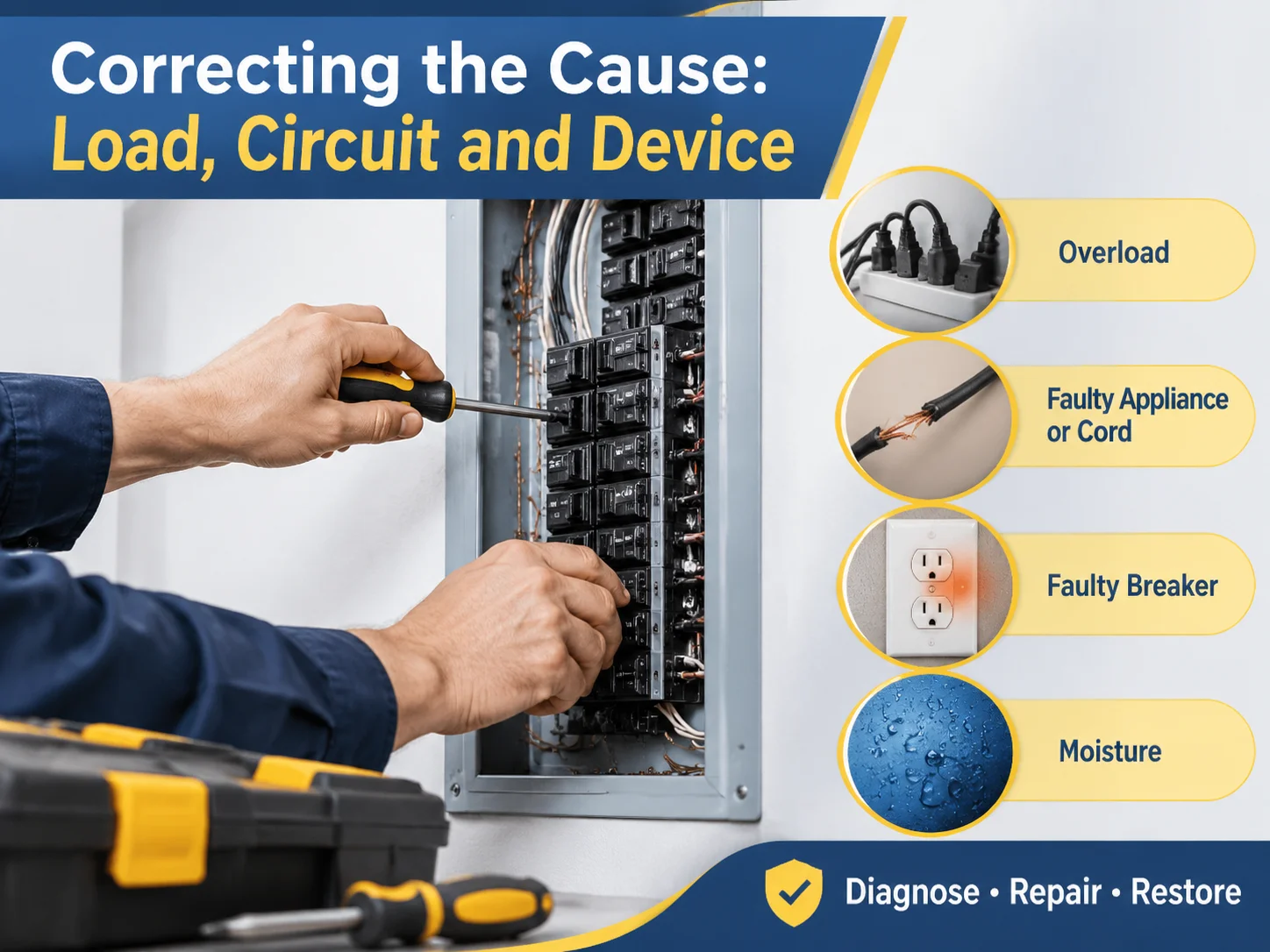
Correcting the Cause: Load, Circuit and Device
The table below shows how you would go about diagnosing and repairing these types of issues, and it is the version that you will want to retain as it is very complete.
The pattern that is seen, the most likely cause and how to fix it are as follows.
| What you see |
Likely cause |
What to do |
| Too many high-power items plugged into too few outlets |
Overload |
Distribute the load evenly between circuits, or install additional circuits |
| An electric appliance or the cord to the appliance is faulty |
Faulty appliance or cord |
Test the appliance on other circuits to establish whether the fault is in the appliance or the cord |
| No load connected, and the circuit trips immediately when it is energised |
A problem with the circuit’s wiring |
A qualified electrician traces the wiring and makes the repair |
| The outlet is hot, but there is no load |
Faulty breaker |
Replace the device |
| Moisture in the outdoor fittings or circuits |
Moisture in the outdoor circuit |
Make sure the outdoor electrical systems are free of moisture |
| The trip indicator light of the RCD comes on when a device is connected |
Earth leakage from the device |
The device must be disconnected |
| The breaker has been and is still in the closed position |
Contacts welded or mechanism seized |
Replace the device, not the rating |
| The panel is from one of the known failure families |
There will be no trip on the fault |
Replace the panel |
In the second and fourth rows of the table, homeowners should be able to take steps to repair the problems independently of an electrician’s assistance. All other problem areas will require the assistance of an electrician before using the circuit again.
What Pronto Supplies for This Problem
We produce products that represent the two ends of this dilemma. Miniature circuit breakers (MCBs) for final circuits with curve B, C or D, residual current breakers for circuits that leak, and moulded case devices (MCCBs) for larger feeders where a trip indicates a problem with the equipment rather than inconvenience.
In addition to the item itself, we also provide project documentation, which includes the trip curve, breaking capacity, and batch test report. These three documents will help an electrician determine whether a nuisance trip resulted from a fault or excessive excess current, and they are also the first items omitted from low-cost quotations for projects.
In cases where the existing panel is being replaced (as opposed to repaired), the ideal solution will generally be to use a panel with spare ways and an easy-to-read schedule, as the majority of instances wherein people who periodically trip circuit breakers in older buildings do so because of distribution and not because of equipment failure. As such, the Application FAQ Section should address most common questions about equipment and panels.
Frequently Asked Questions
How many times may a circuit breaker be tripped before it fails?
There is not a specific limit placed on times that a breaker may be tripped; it is tested for thousands of mechanical cycles, and fewer fault interruptions than its rating represents. Overloading will cause nuisance trips by gradually wearing the unit down; clearing a genuine short circuit multiple times may pit the contacts of that breaker. Observe its performance, and do not judge based solely on the number of trips.
What do I need to do if my breaker keeps tripping?
Look for the problem, not just the breaker. Turn everything off and reset once, and begin plugging things in one at a time until you find out what is causing the problem. If it remains on with nothing connected to it, then there is a wiring issue that requires an electrician’s assistance. If plugging in any device trips the breaker, then that device is causing the problem. If the breaker has too much load on it, you can either spread the load across different circuits or add more circuits for that load.
What devices cause circuits to trip?
Any heating element, such as heaters, kettles, hairdryers, microwaves, and toasters, will draw between 1,000 and 1,800 watts. This may consume nearly all of a 15 amp circuit’s continuous load capacity. Vacuum cleaners can also cause trips because the initial surge of energy they require to start may trip the magnetic element in the breaker.
What should I worry about when it comes to tripping circuit breakers?
You should be concerned if your circuit continually trips with no appliance plugged in, does not reset, or trips when it is wet outside. You should also be concerned if your breaker has been hot or buzzing while there is no power present on the circuit, or if your breaker has tripped several times in the past week with no apparent reason. These patterns indicate that there may be something wrong with your wiring rather than just an overload.
Are there breakers that fail without tripping?
Yes, this is a more serious danger. A breaker with fused contacts or malfunctioning mechanism will not trip, but it is possible to transfer energy to the fault without the circuit providing the protection it should. Manufacturers of older models of breakers have documented failures similar to this, and therefore when a panel that has an “older” type of breaker needs to be repaired, it is recommended to replace it.
Is it safe to reset a tripped breaker?
It is safe to reset once after you switch off the loads that were connected to the circuit before you reset the breaker. Resetting the breaker repeatedly to address a persistent fault is not recommended, because every time you reset it when there is an active fault, you will cause it to produce heat or an arc at the faulted point. If the breaker has tripped more than once with everything disconnected, do not attempt to reset it again; contact an electrician.
References
Conclusion
A tripped circuit breaker indicates that there is a potential hazard present on the circuit, and the timing of the trip will tell you which unit operated to prevent that potential hazard from becoming a fire hazard. With the exception of the first reset, once you turn off all loads and reset the breaker, do not reset the breaker again with a known fault present.
The two situations you should never engage in are preventing the breaker from tripping by holding it closed against the trip, and using a larger sized breaker than recommended to keep this from occurring. Both concepts change the designation of the circuit from a protected circuit to an unprotected circuit. Consequently, failures caused by improper wiring will occur in the walls, out of sight of the user.

 Pronto Energy
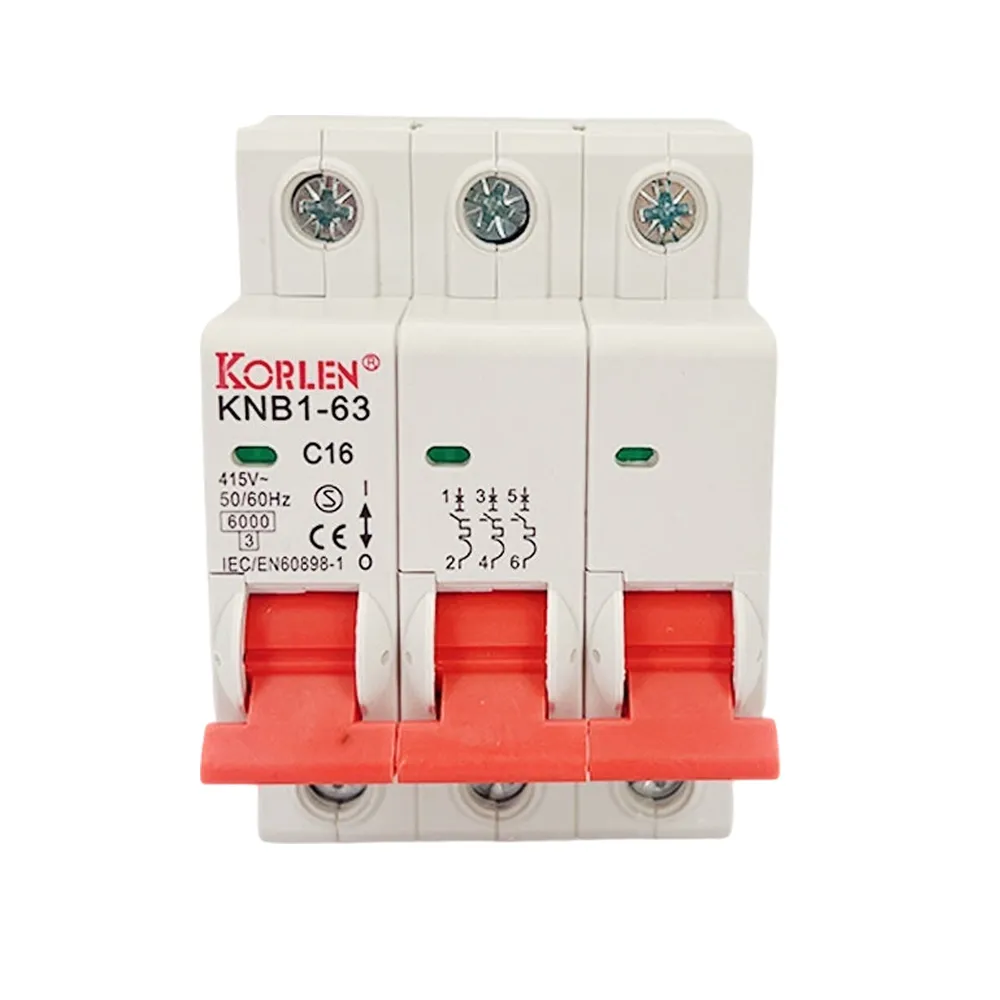 32–63A MCB 3P 3kA Type B/C/D KNB1-63 Korlen
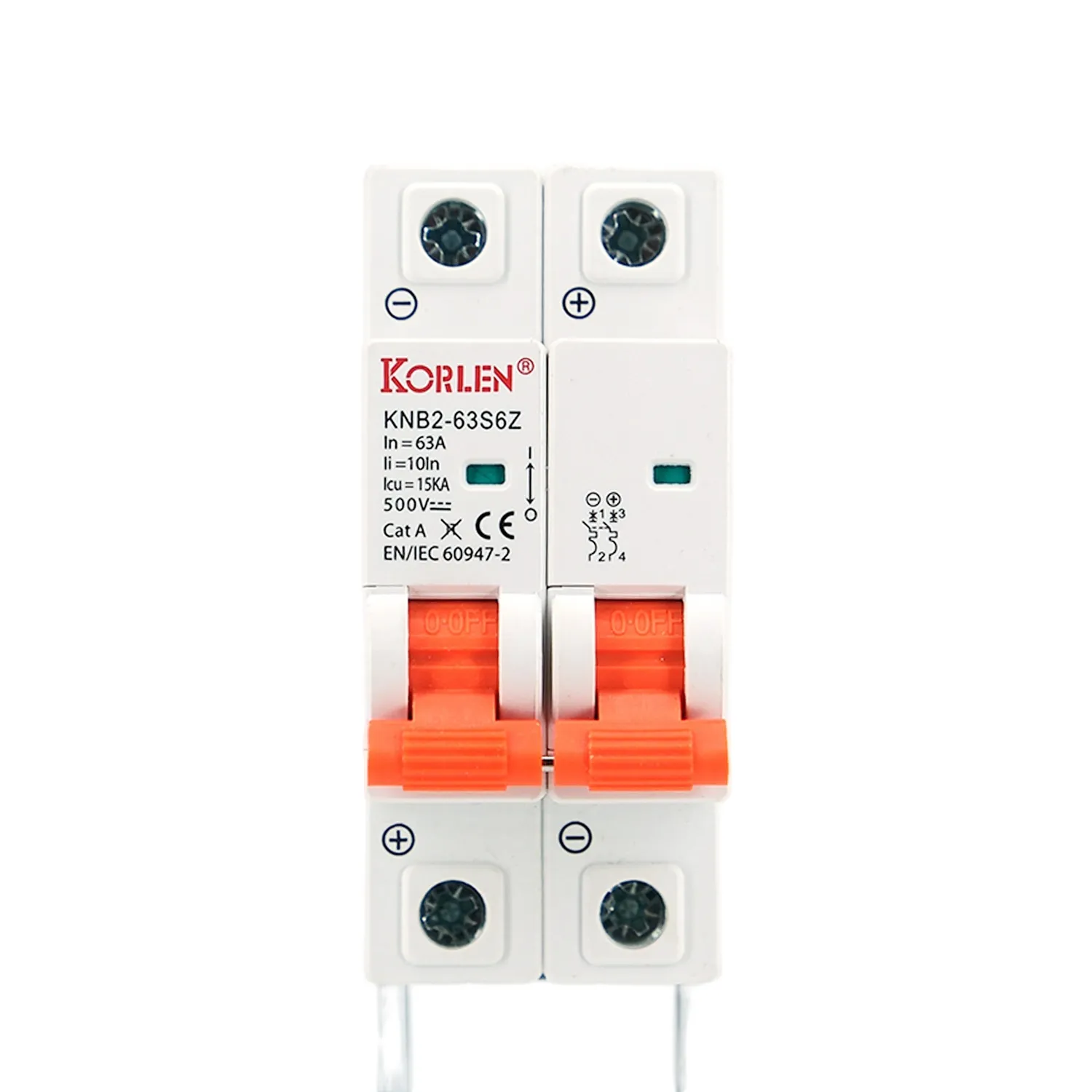 32–63A PV DC MCB 2P 15kA KNB2-63S6Z Korlen
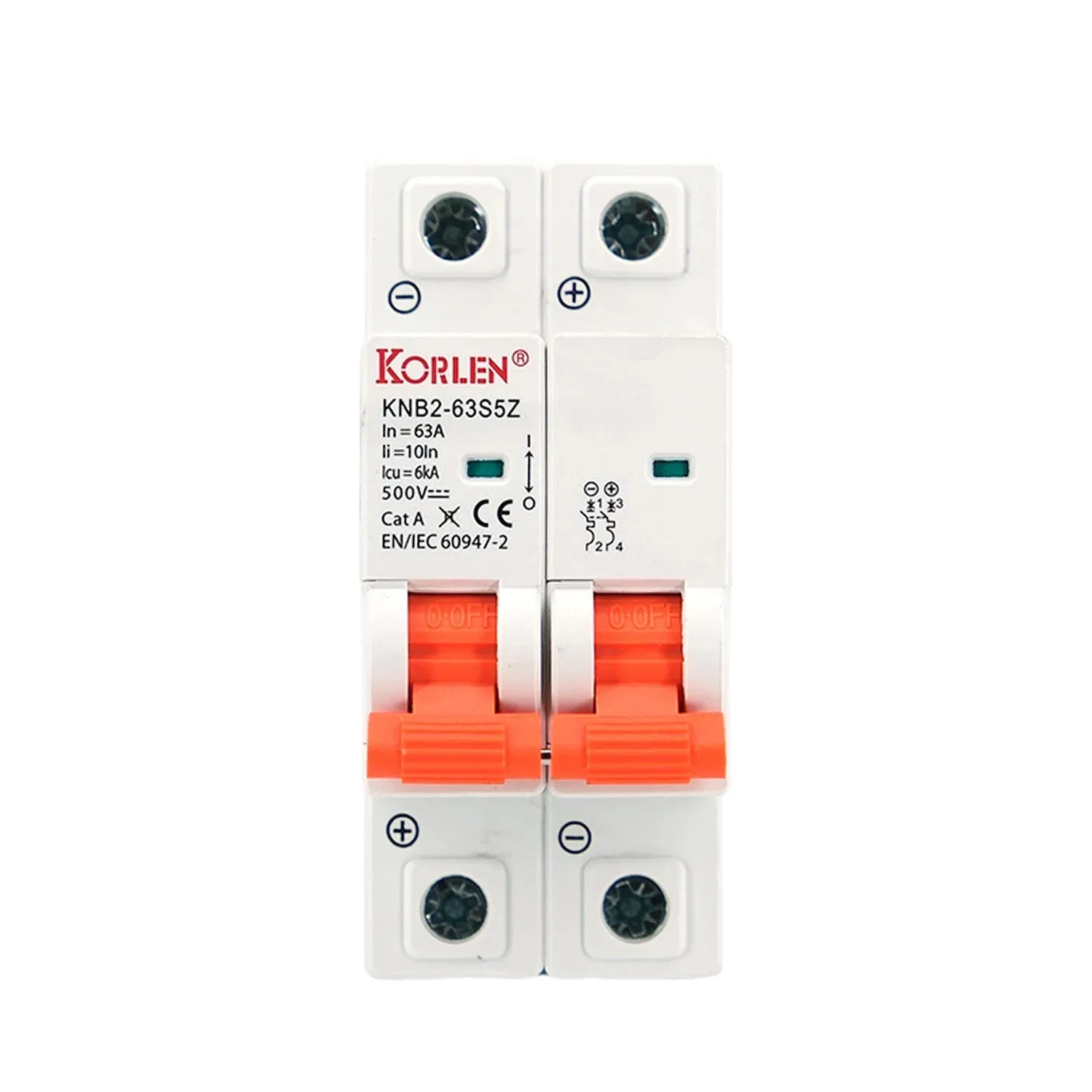 6–25A DC Miniature Circuit Breaker 2P 6kA KNB2-63S5Z Korlen
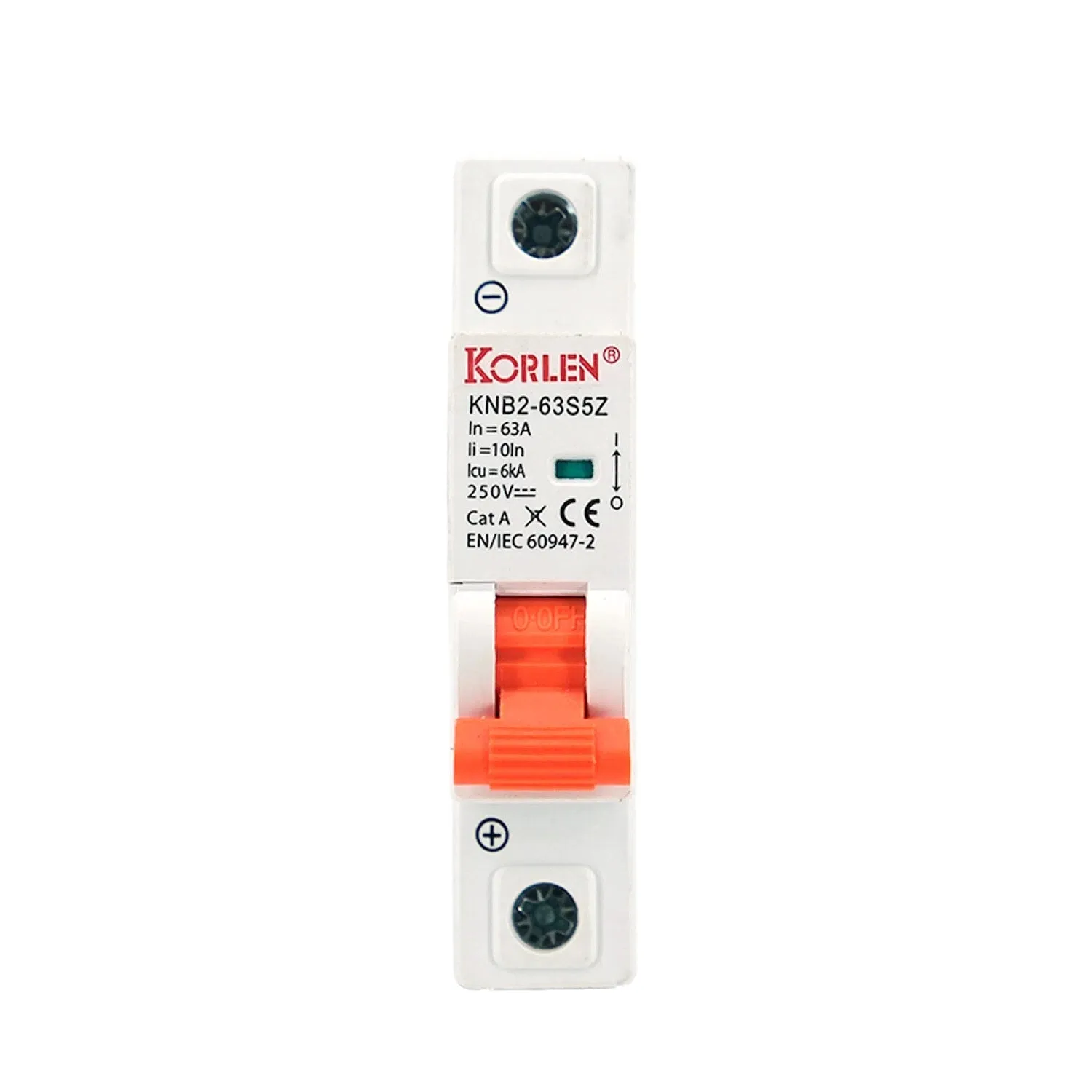 DC Miniature Circuit Breaker 1P 6–25A 6kA KNB2-63S5Z Korlen
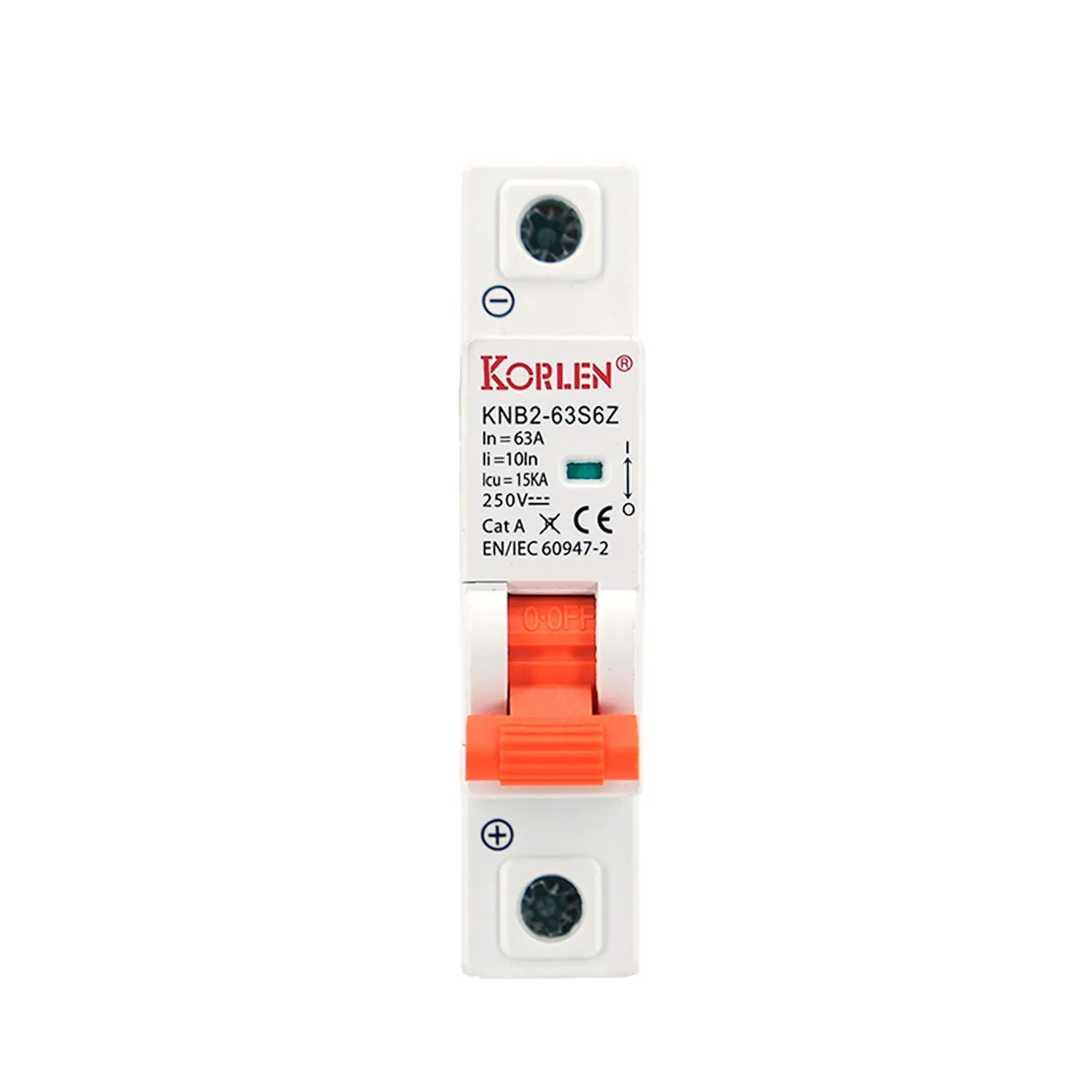 DC Miniature Circuit Breaker 1P 6–25A DC Rated KNB2-63S6Z Korlen
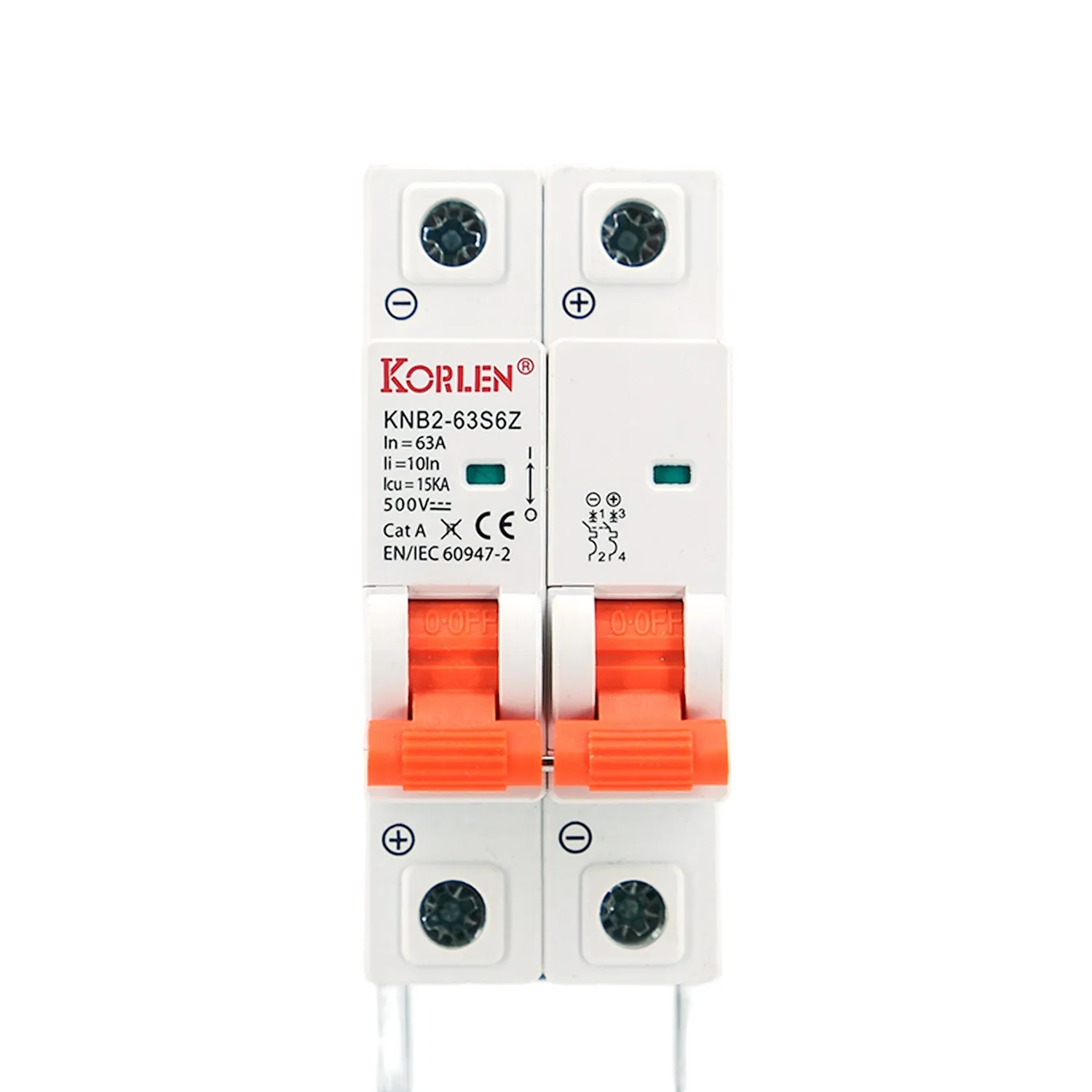 DC Miniature Circuit Breaker 2P 6–25A for Solar PV Strings KNB2-63S6Z Korlen
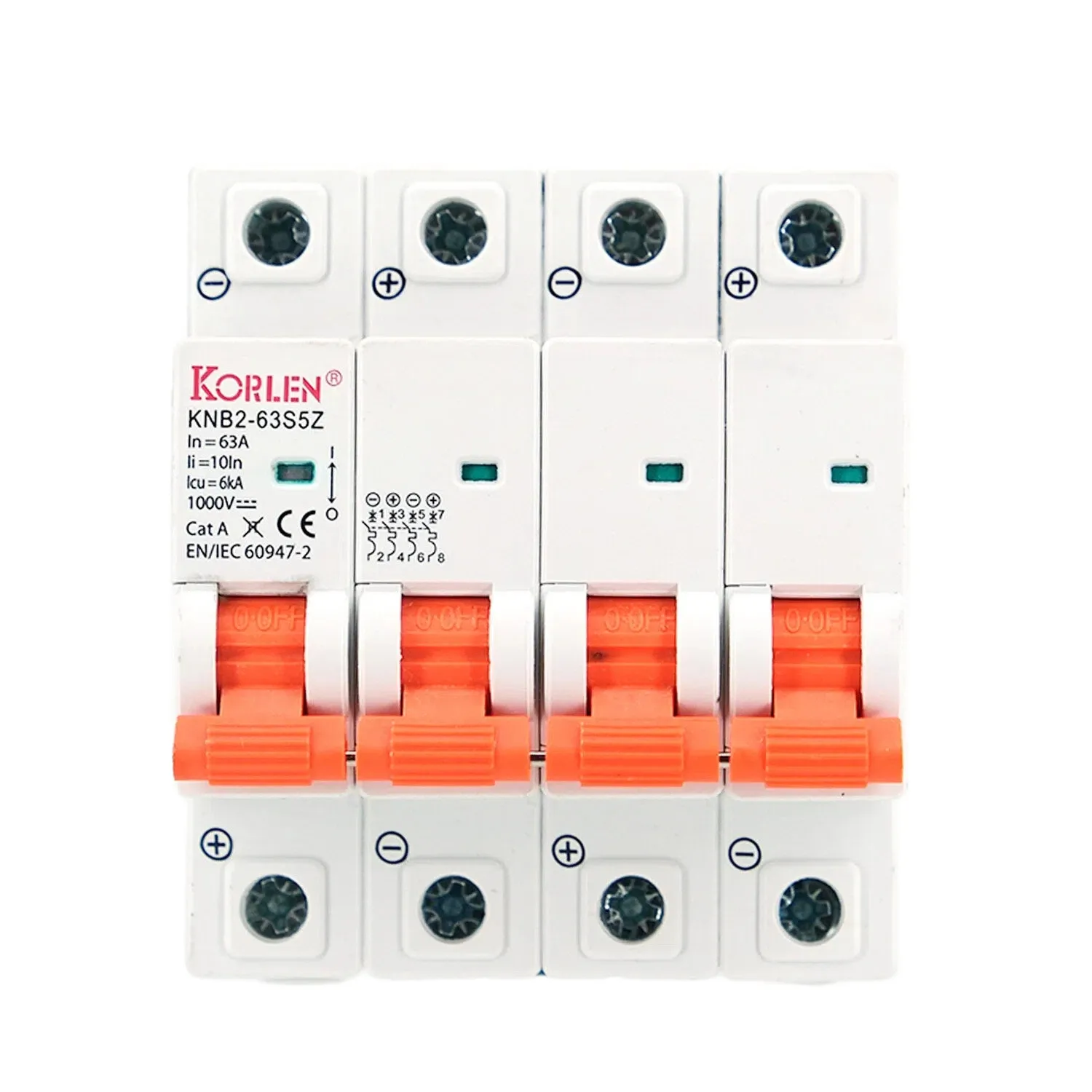 DC Miniature Circuit Breaker 4P 6–25A 6kA for Battery and PV Circuits KNB2-63S5Z Korlen
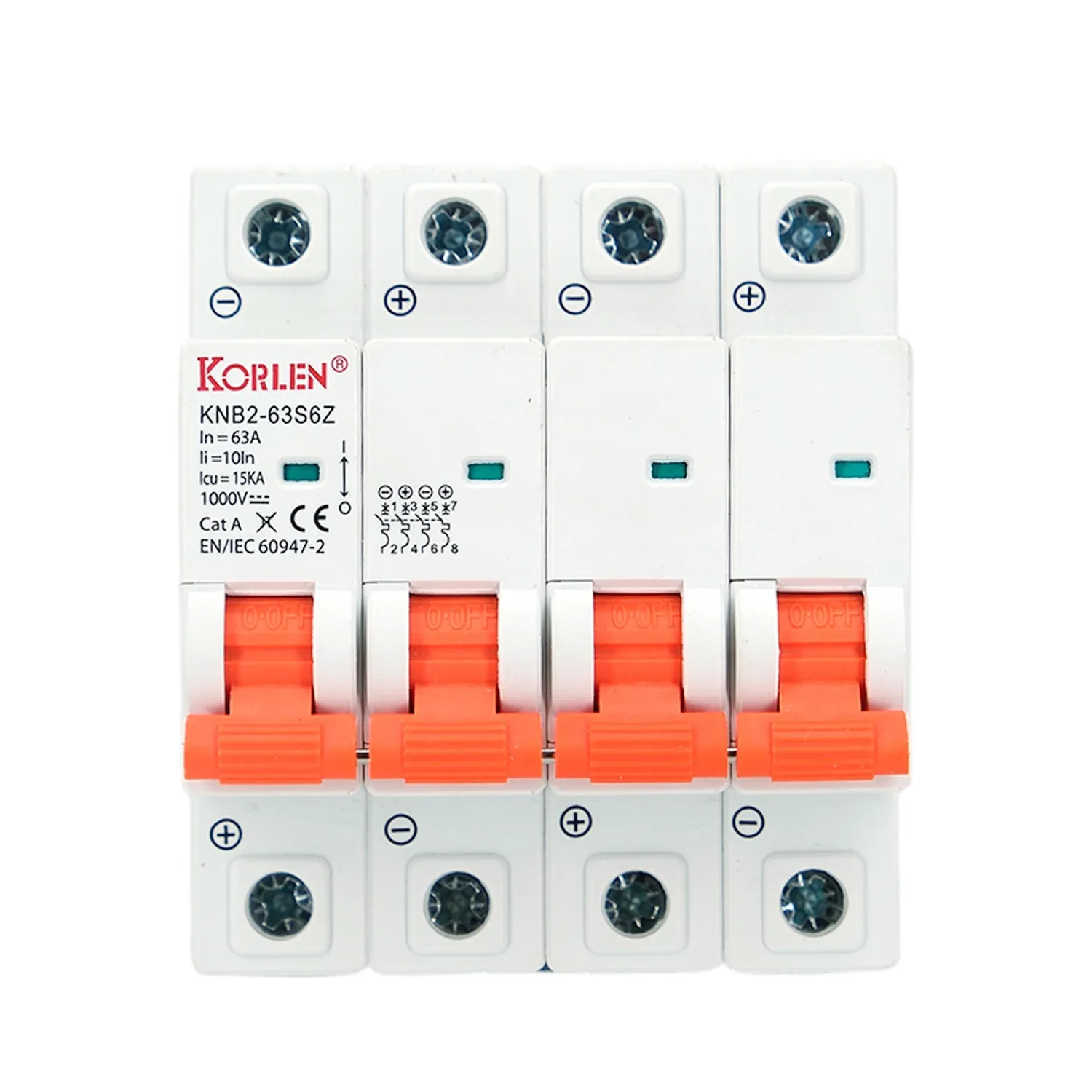 DC Miniature Circuit Breaker Four Pole 6–25A 15kA KNB2-63S6Z Korlen
Molded Case Circuit BreakersAC and DC moulded case breakers from 16A to 2000A, 2P to 4P, up to 690V AC and 1500V DC, for main and sub-main distribution.All Products
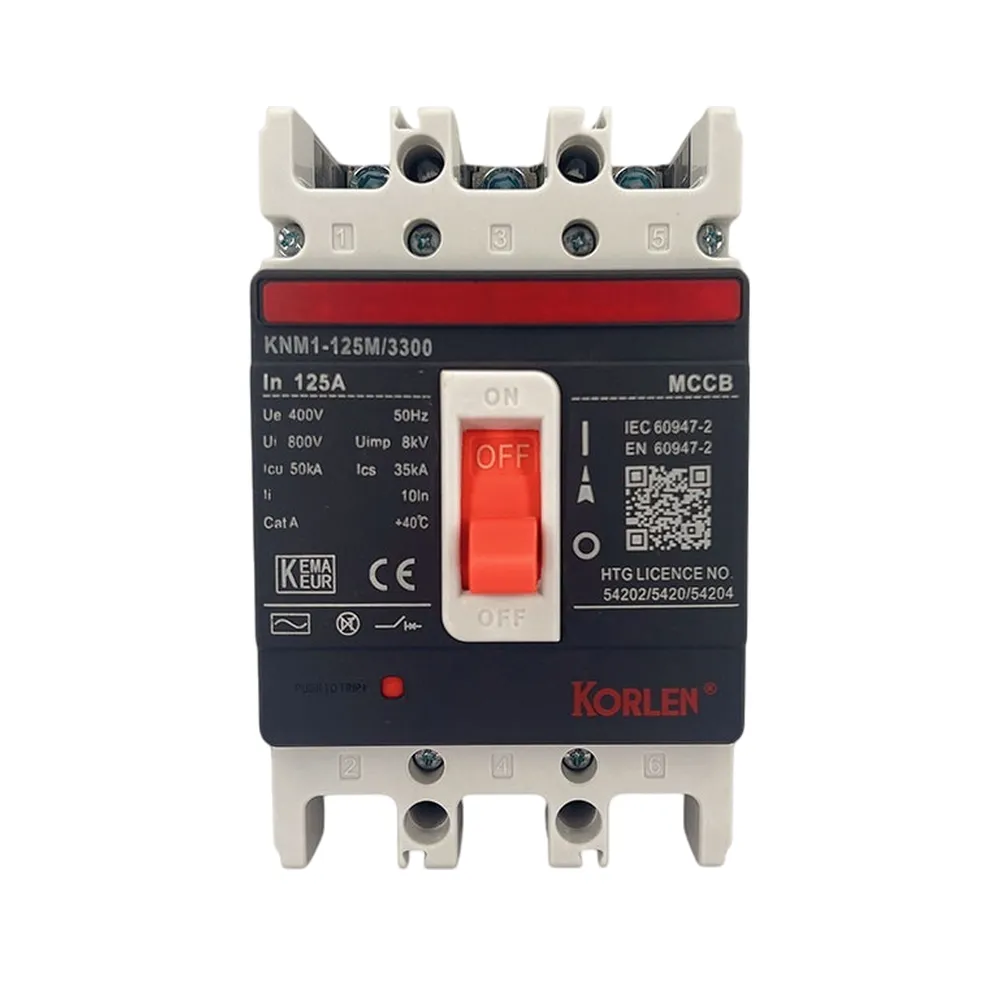 1000–1600A 3P MCCB 690 V AC KNM1 Korlen
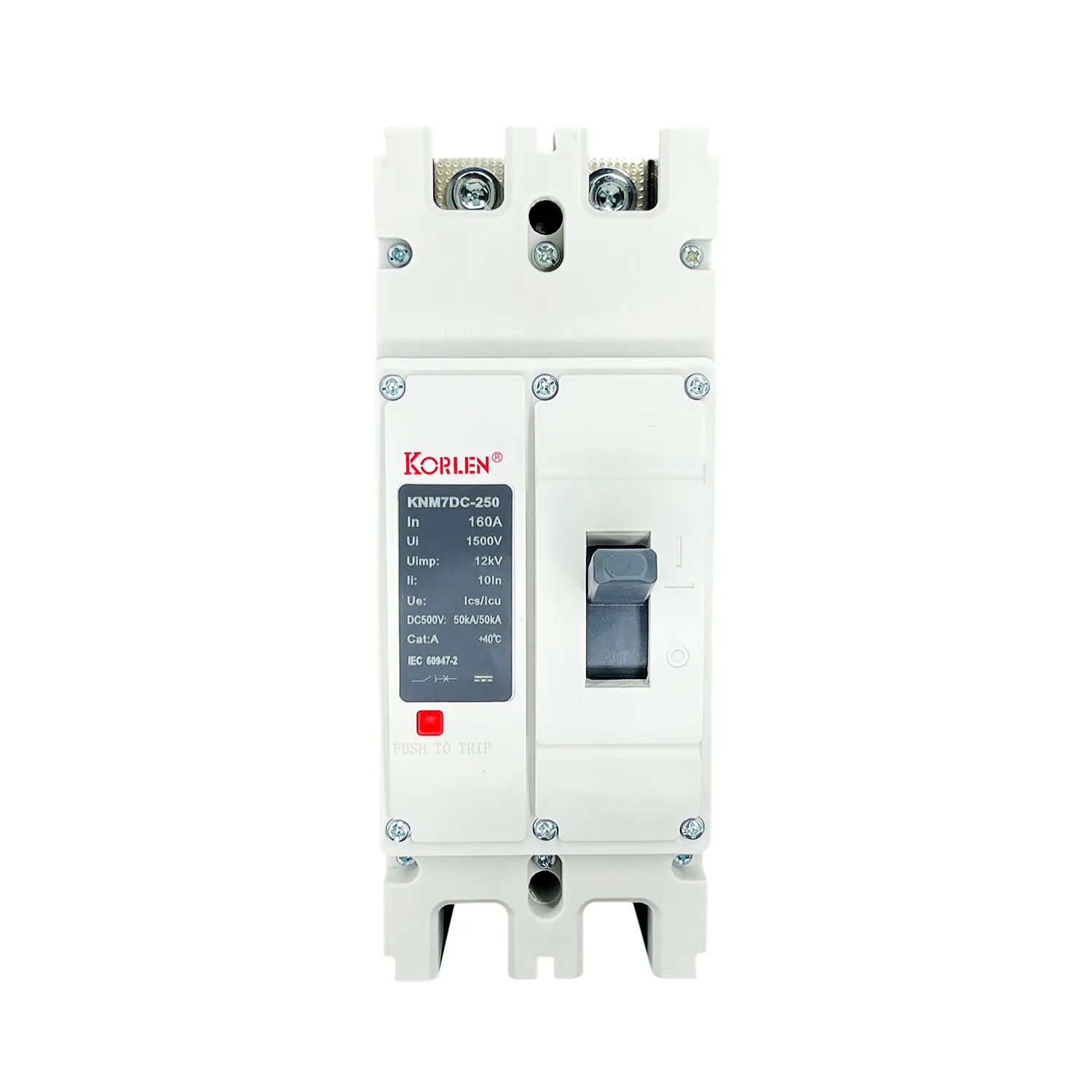 250–400A DC MCCB 2P / 3P 500 V DC KNM7DC Korlen
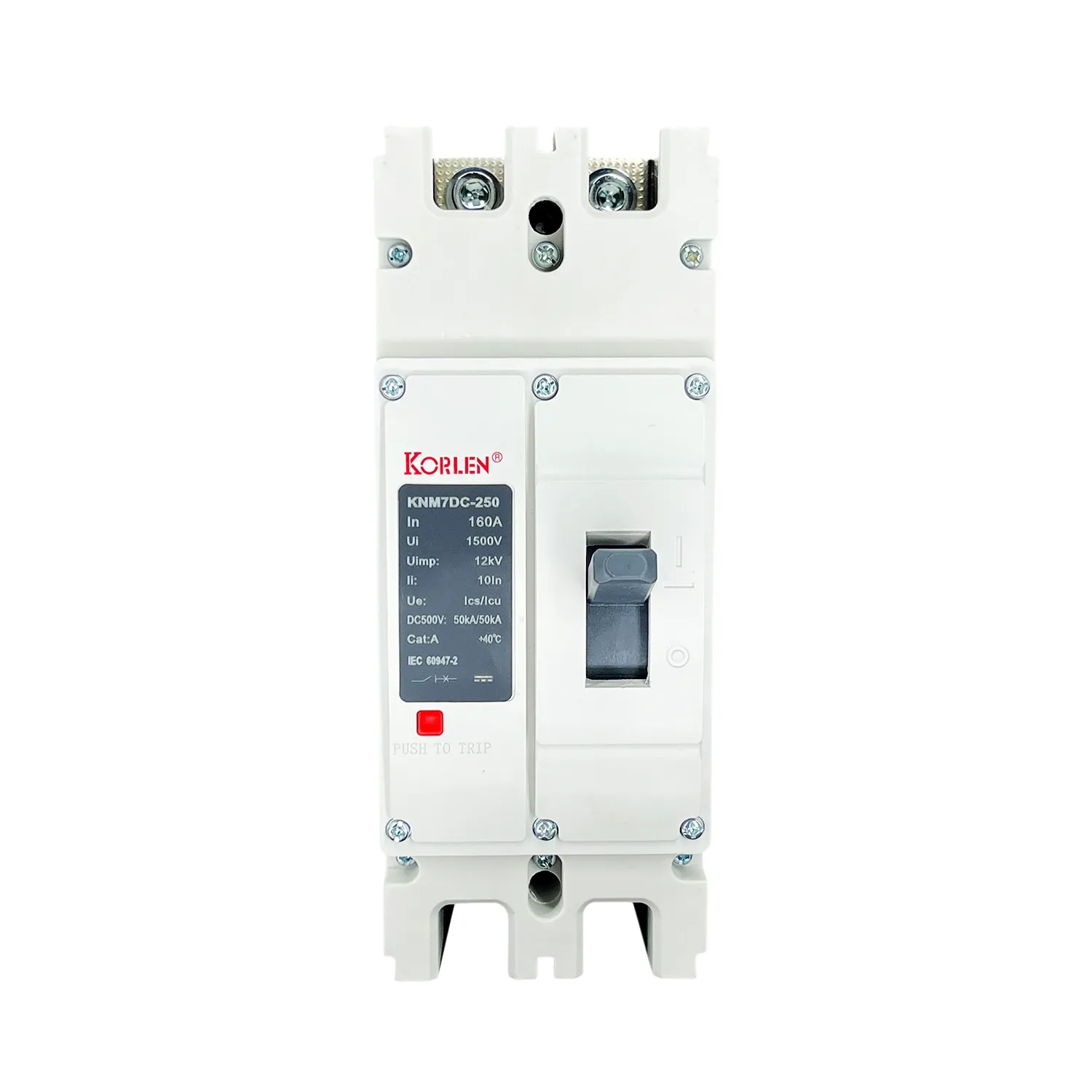 630–800A DC Moulded Case Breaker 2P / 3P 1000 V DC KNM7DC Korlen
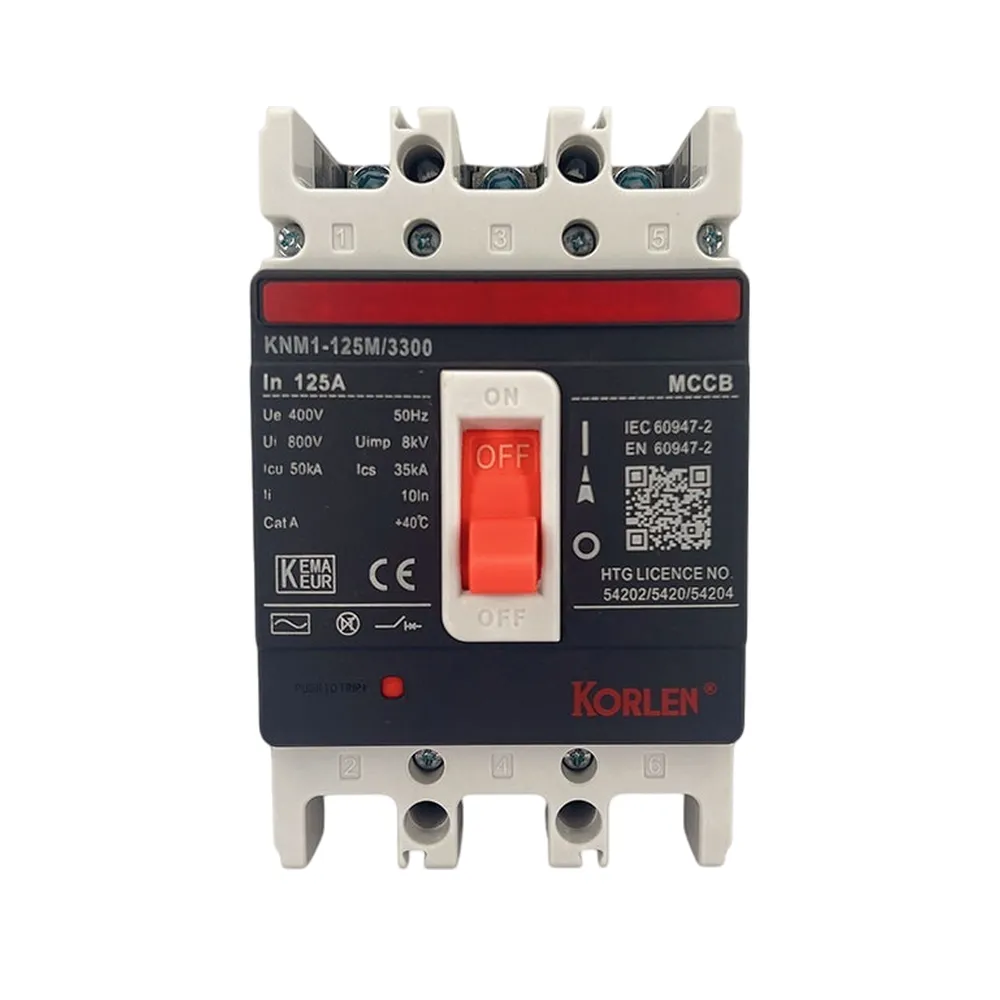 Compact Circuit Breaker 3P 2000A 690 V AC DIN Rail or Panel Mount KNM1 Korlen
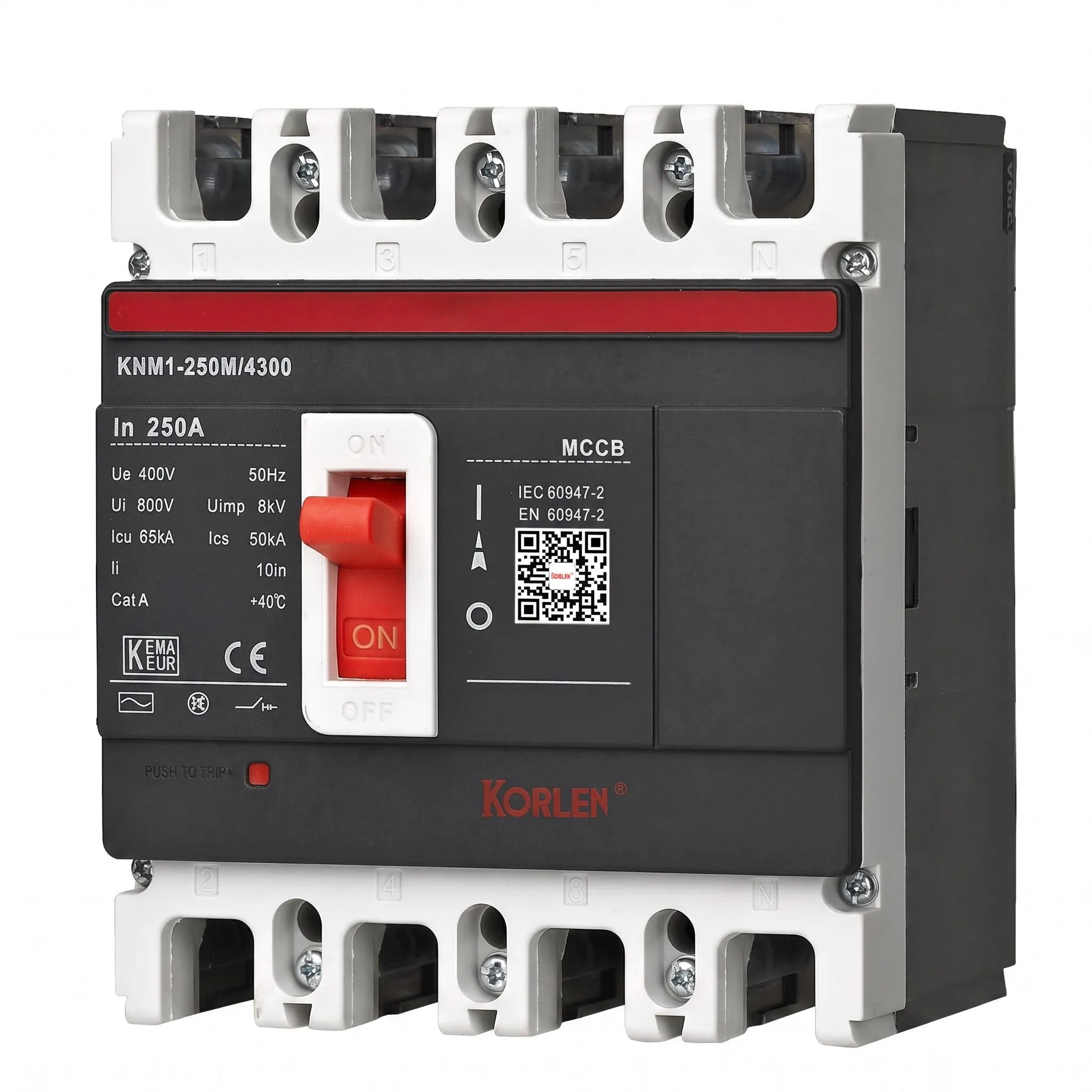 Compact Circuit Breaker 4P 2000A for Main Distribution KNM1 Korlen
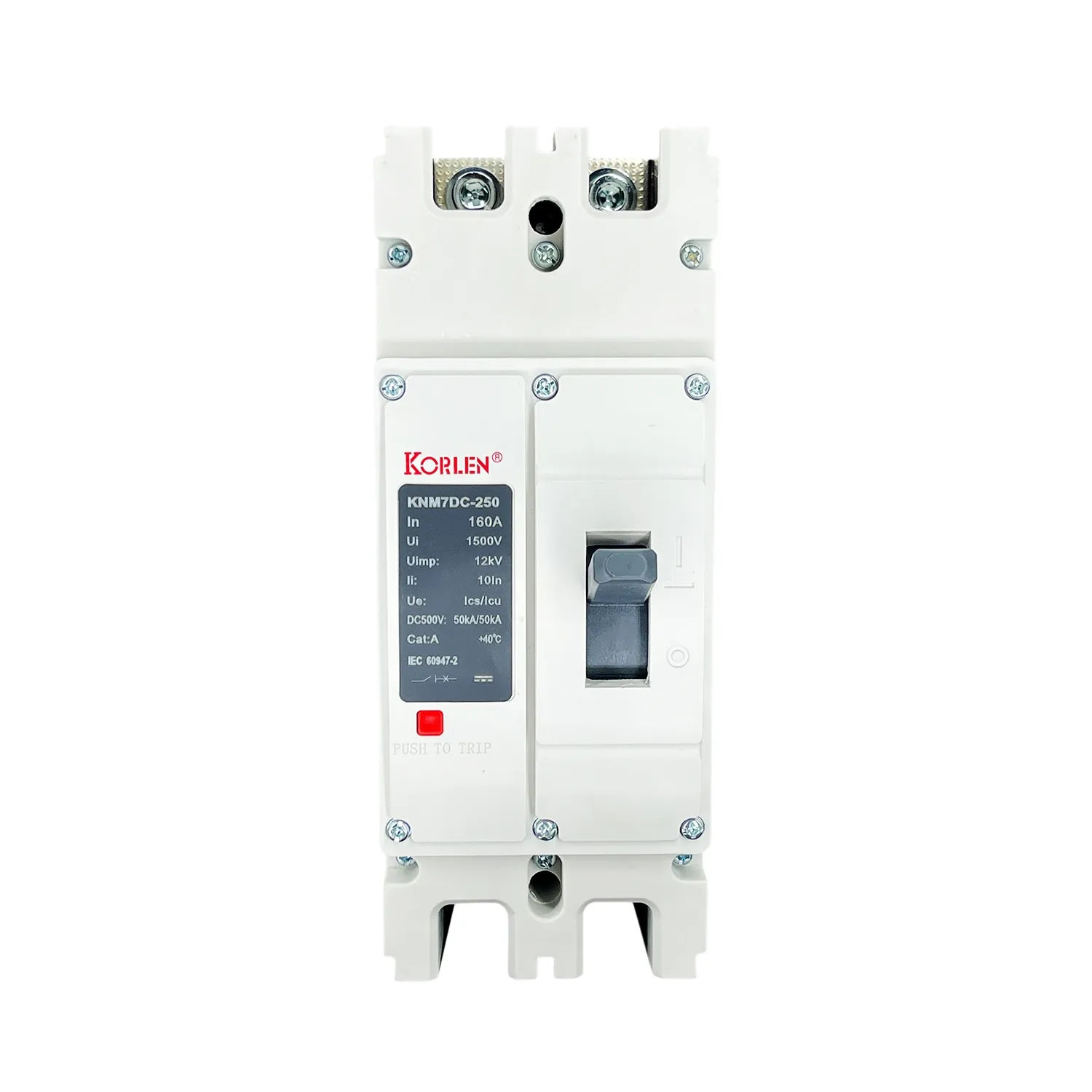 DC Compact Circuit Breaker 2 or 3 Pole 400–630A 500 V DC KNM7DC Korlen
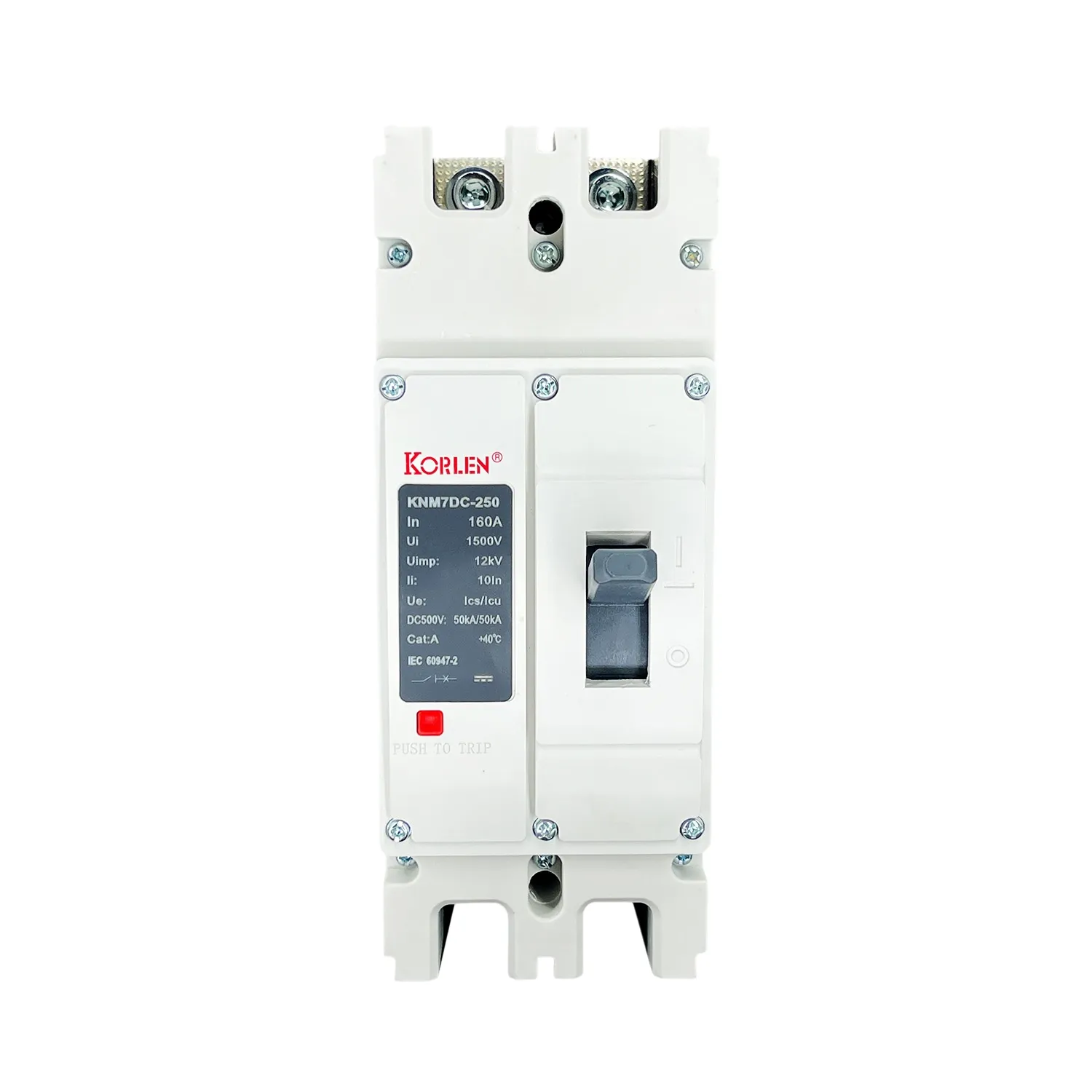 DC Compact Circuit Breaker 2P / 3P 400–630A 1500 V DC, for PV and Storage KNM7DC Korlen
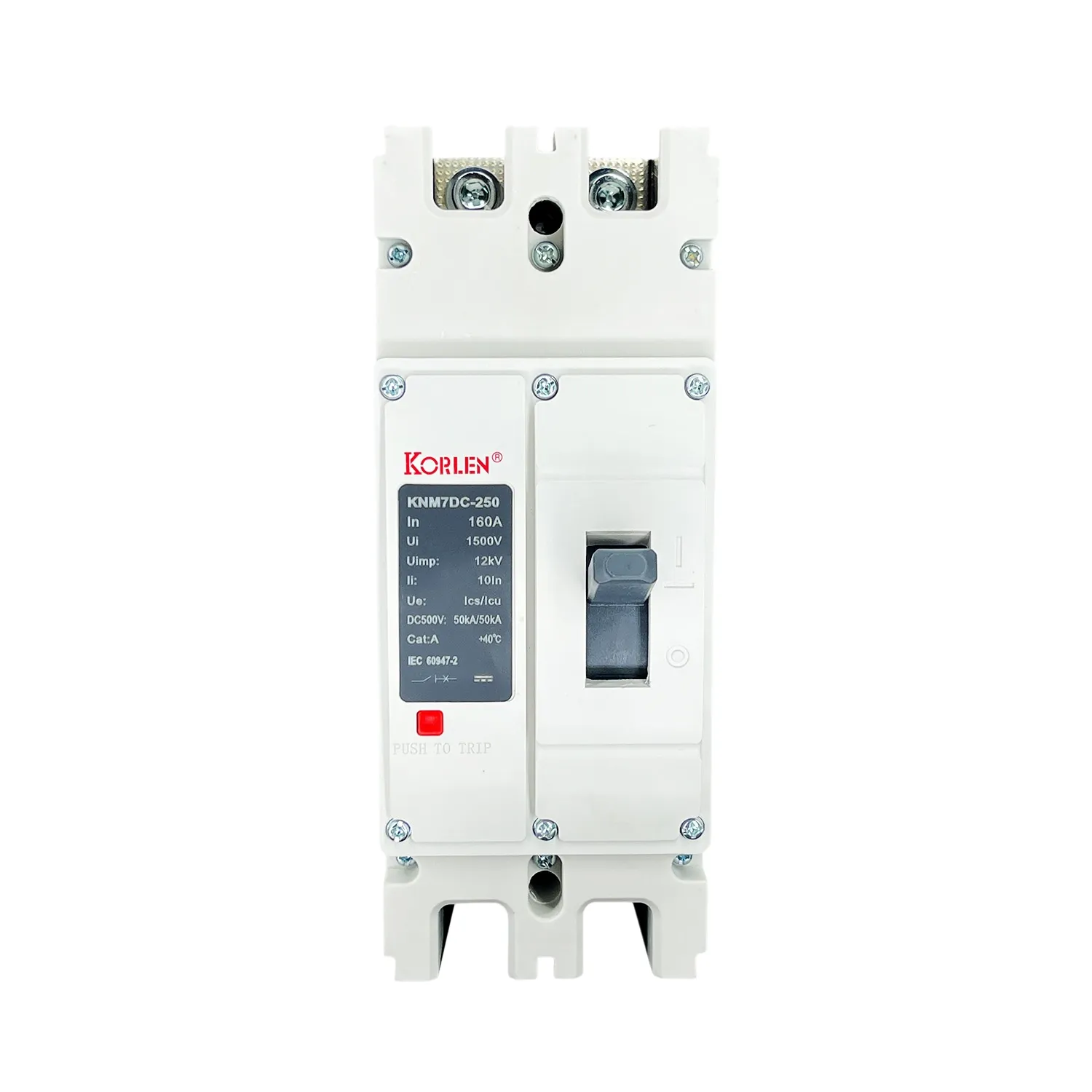 DC Compact Circuit Breaker 2P / 3P 400–630A for DC Distribution KNM7DC Korlen
Residual Current Circuit BreakersTwo and four pole RCCBs from 63A to 125A, Type A, B and AC, for earth leakage protection in single and three phase distribution boards.All Products
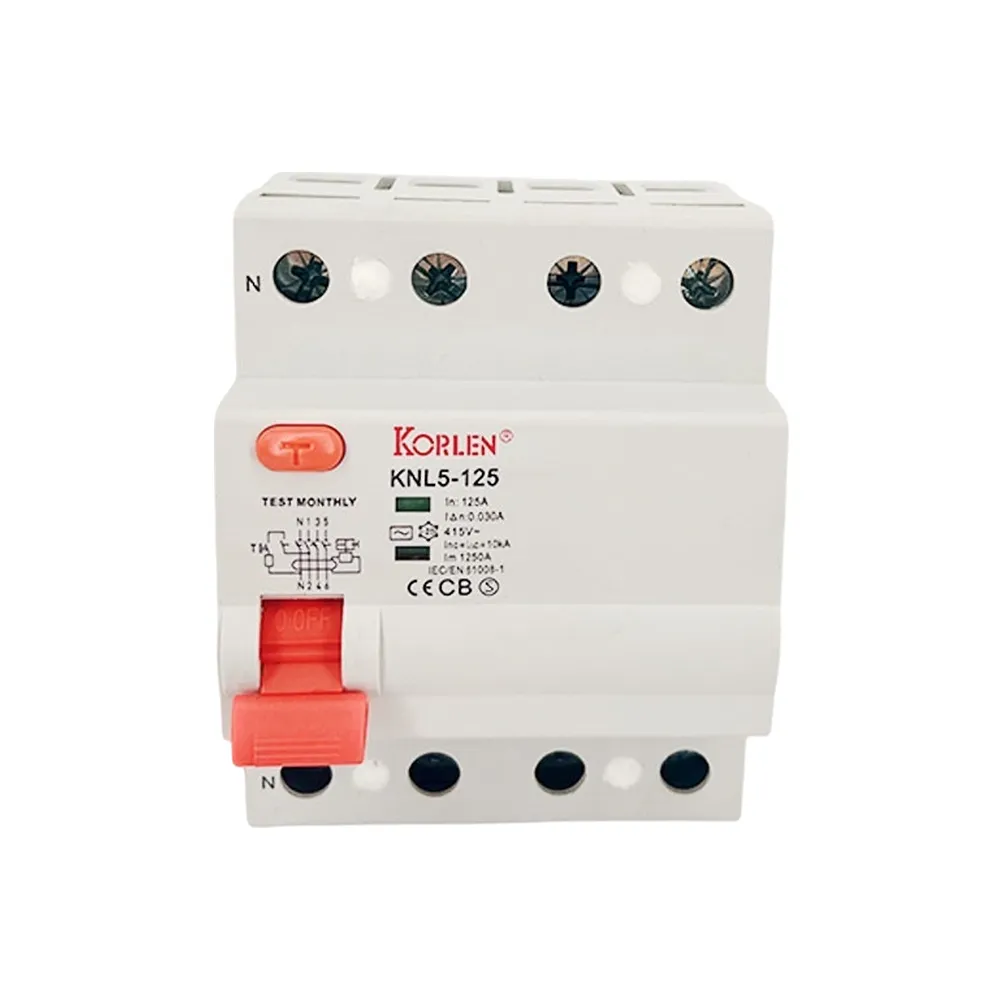 100–125A RCCB 4P Type A KNL5-125 Korlen
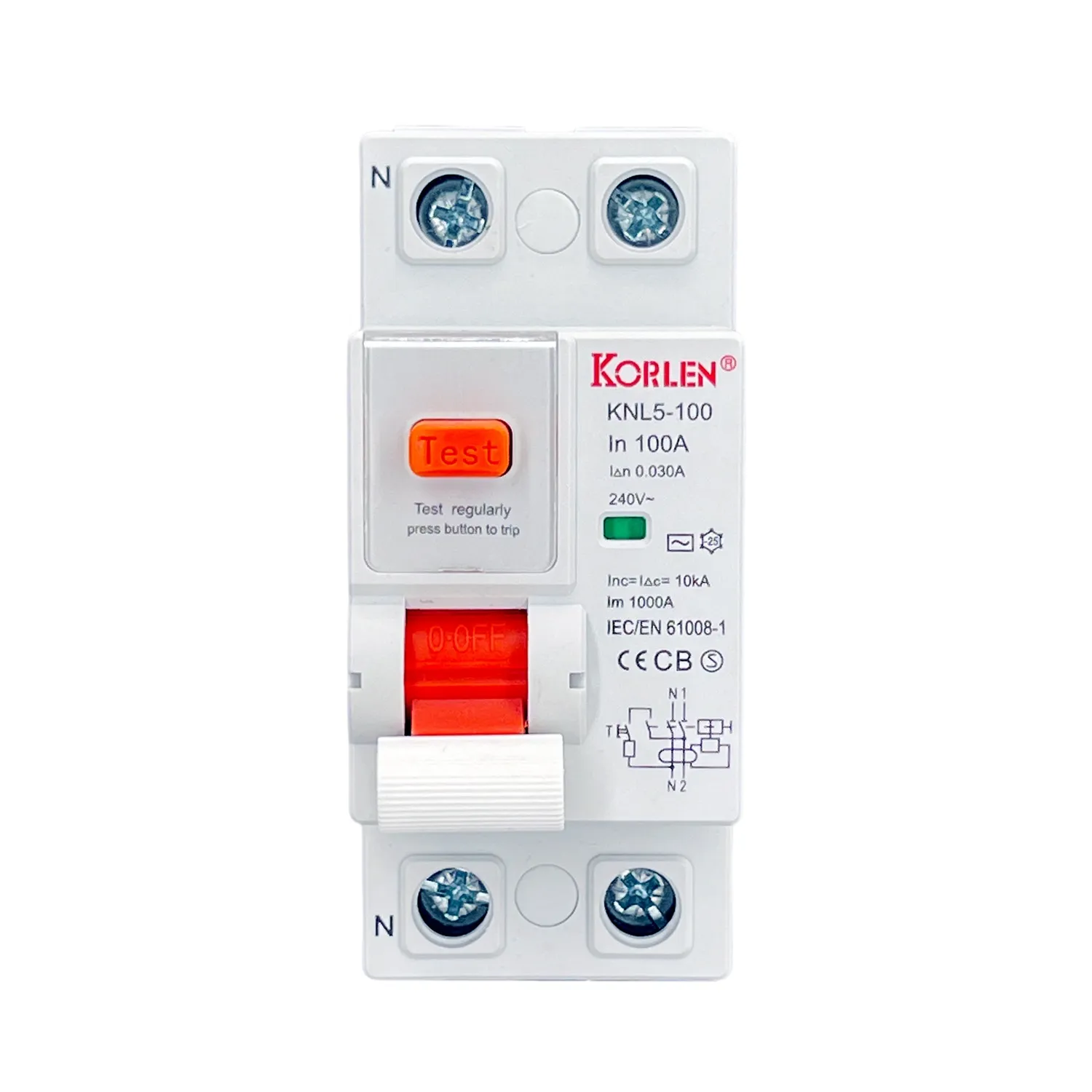 2P RCCB Circuit Breaker Type B 100–125A KNL5-100 Korlen
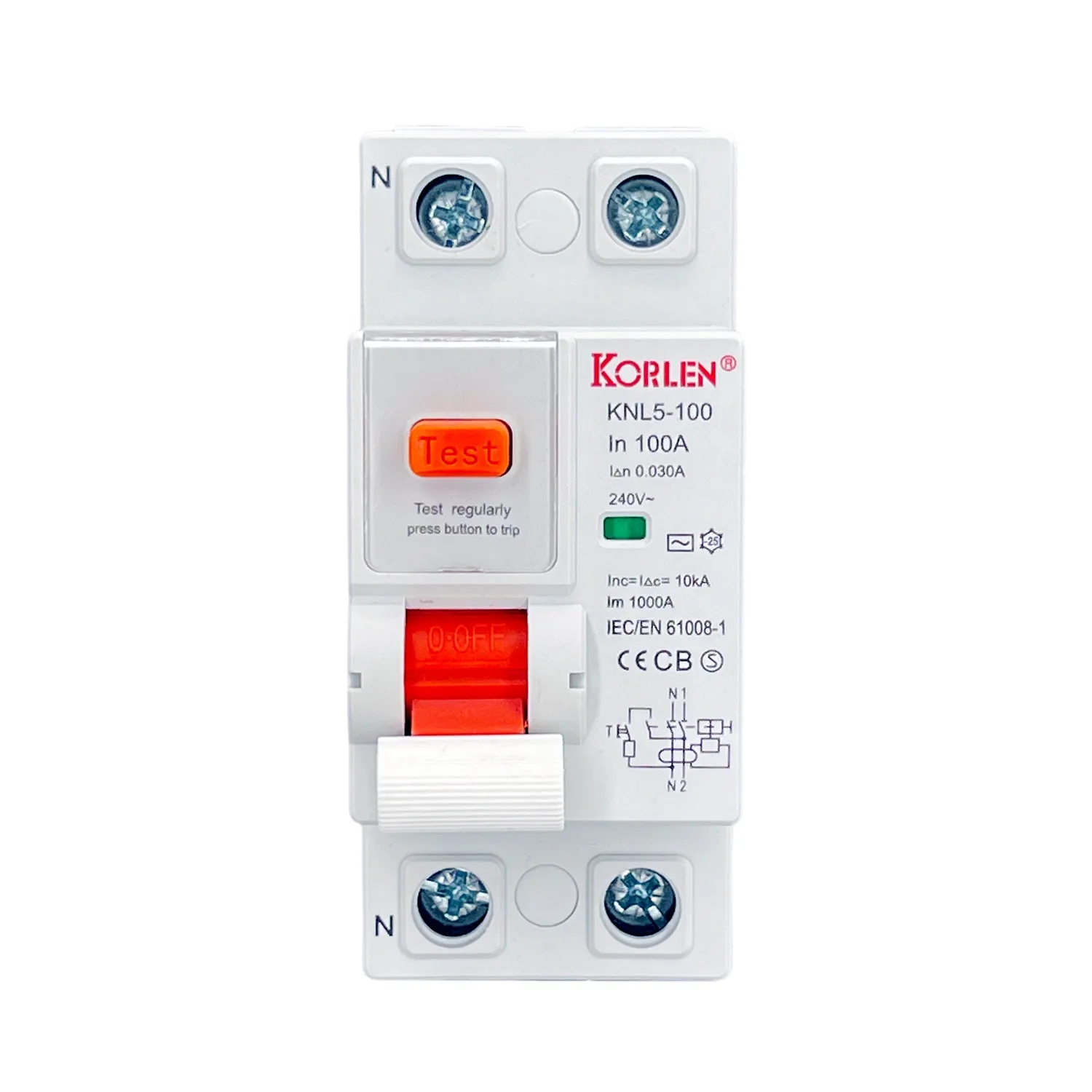 2P Residual Current Circuit Breaker Type A 63–100A KNL5-100 Korlen
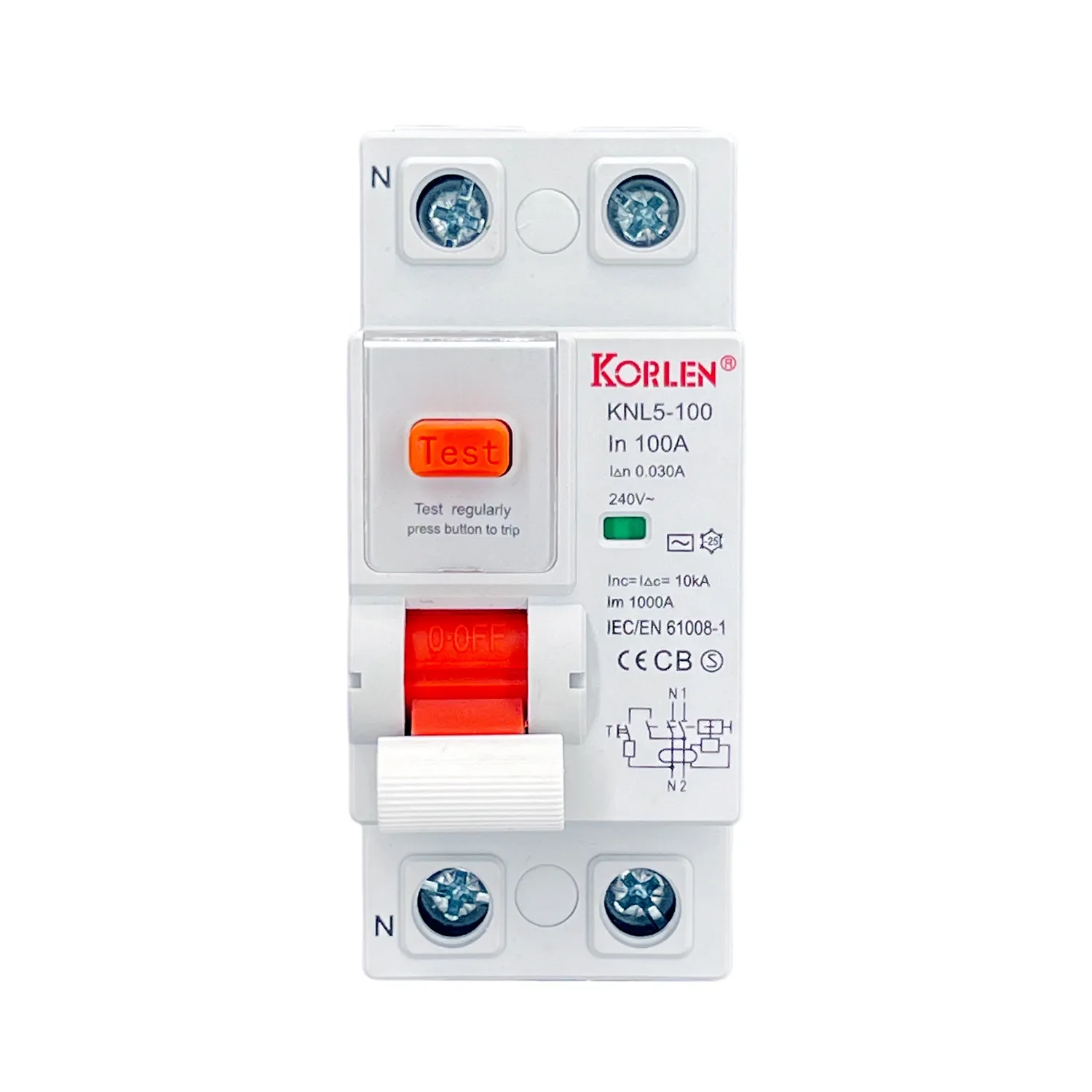 63–100A Residual Current Circuit Breaker 2P Type B KNL5-100 Korlen
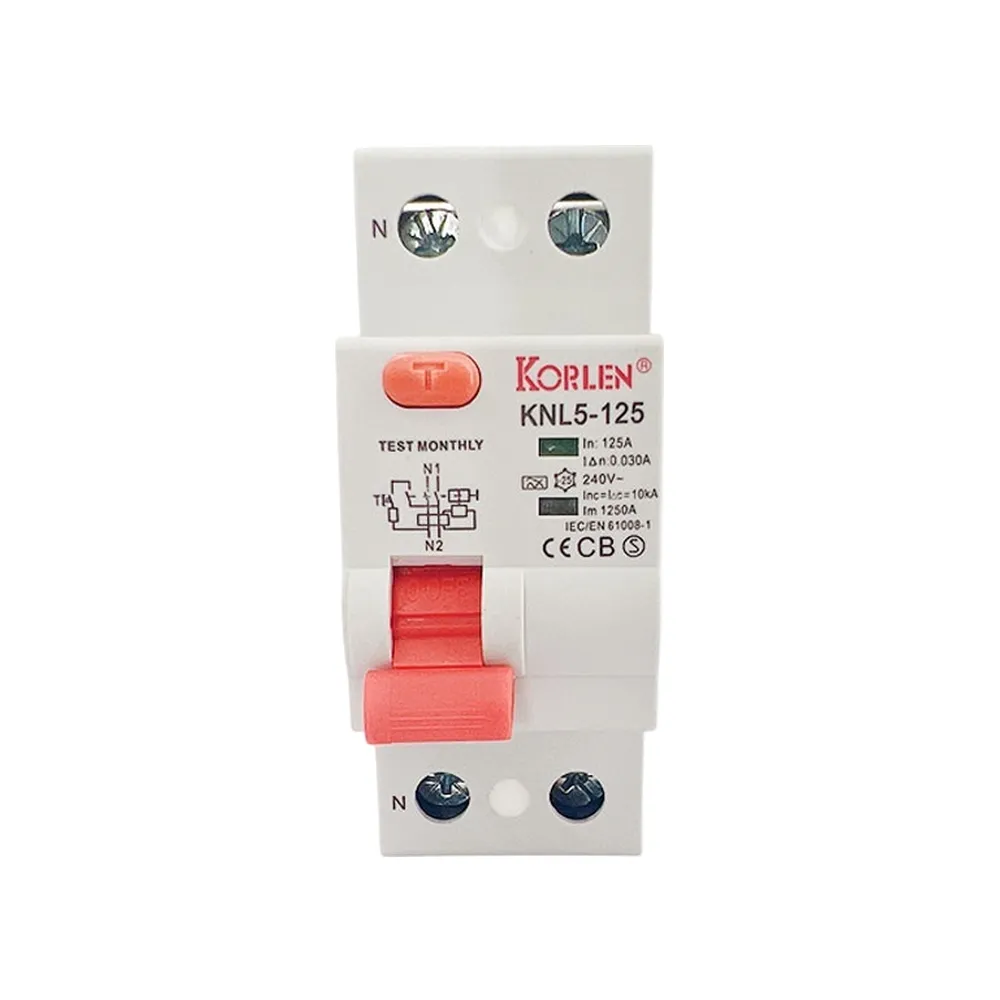 Double Pole Residual Current Breaker 100–125A Type A KNL5-125 Korlen
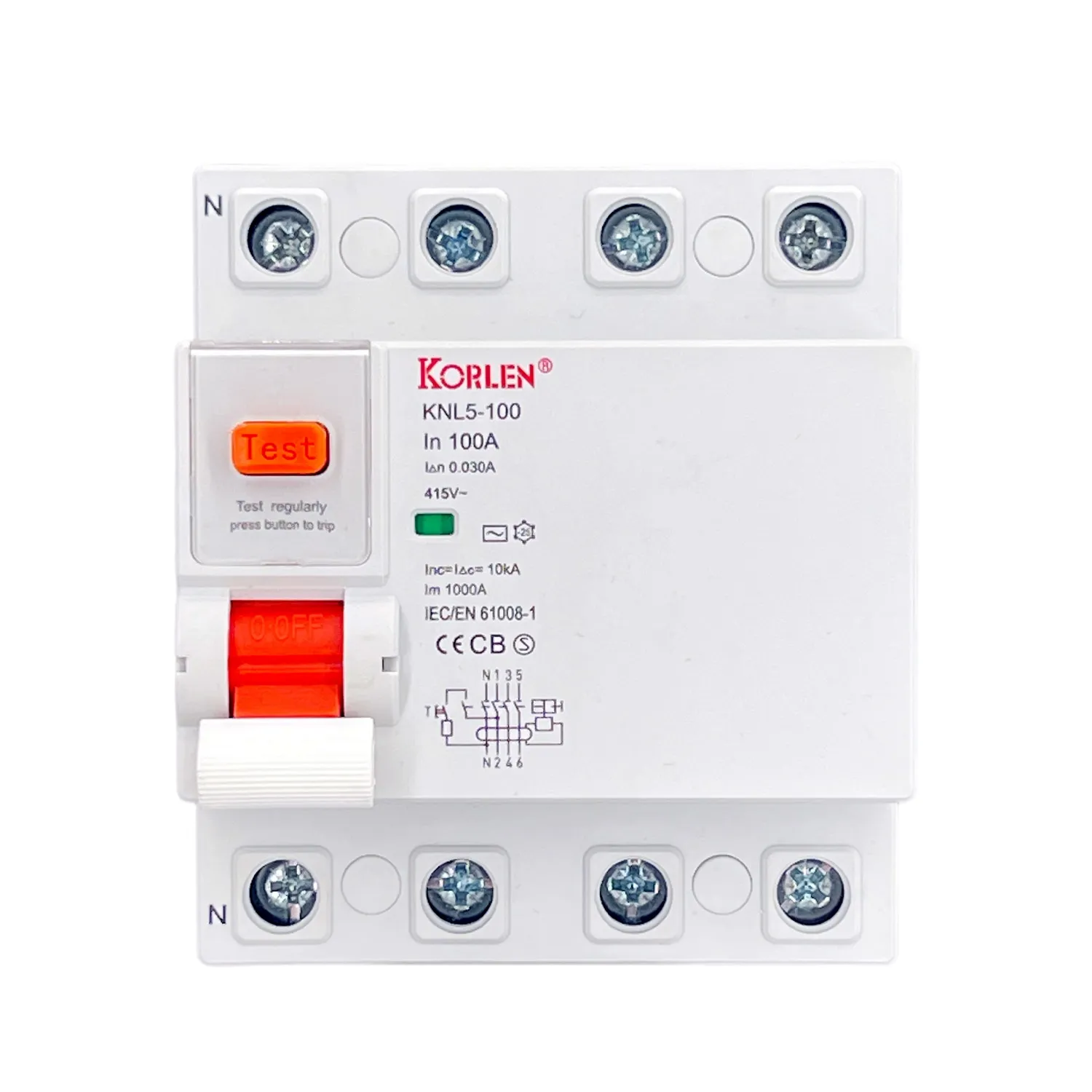 Four Pole RCCB 100–125A Type A KNL5-100 Korlen
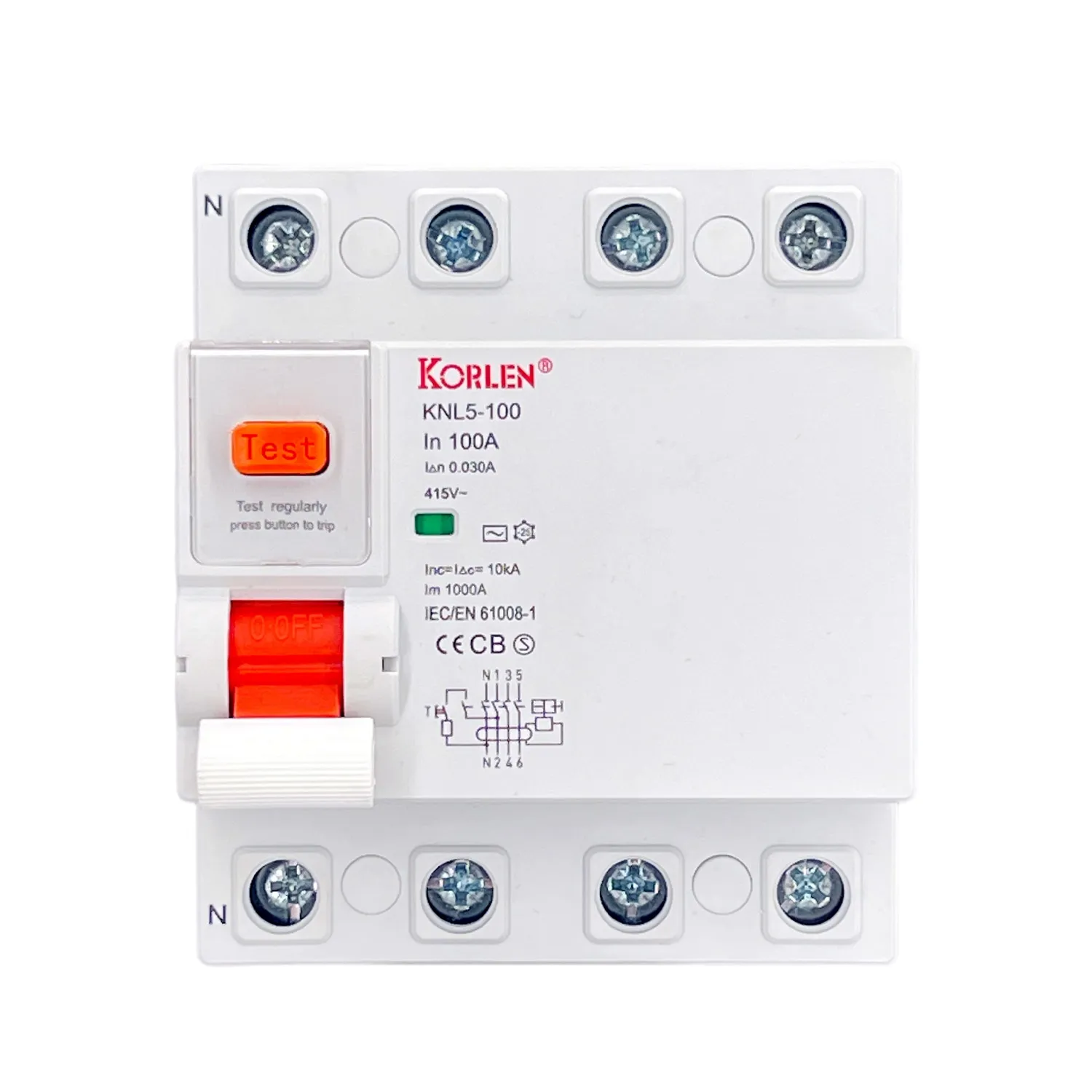 RCCB 4P 100–125A, Type AC KNL5-100 Korlen
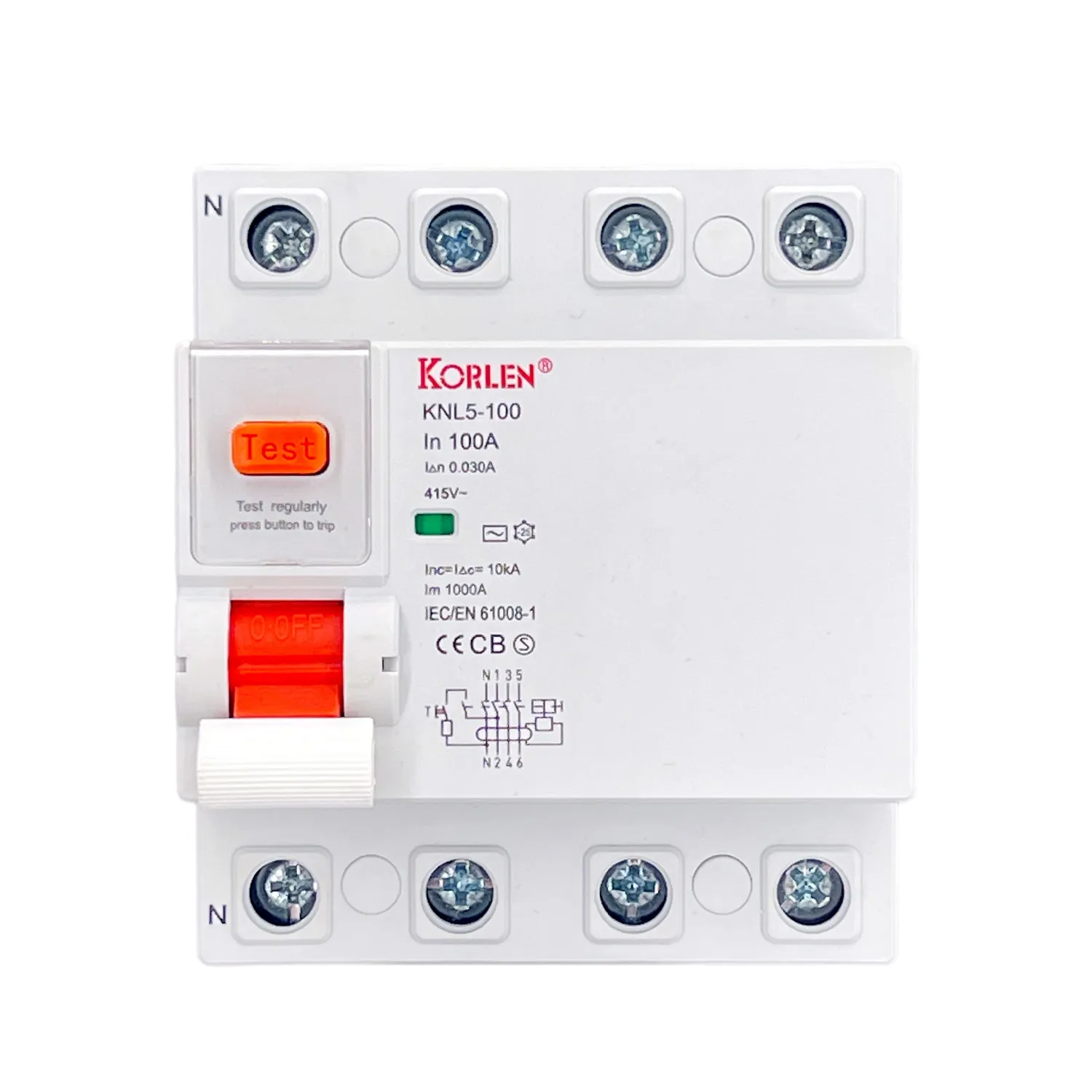 RCCB 4P Type B 100–125A KNL5-100 Korlen
RCBOSingle module RCBOs combining overcurrent and residual current protection, 1P+N, 10A to 63A, 10kA, for final circuits in consumer units.All Products
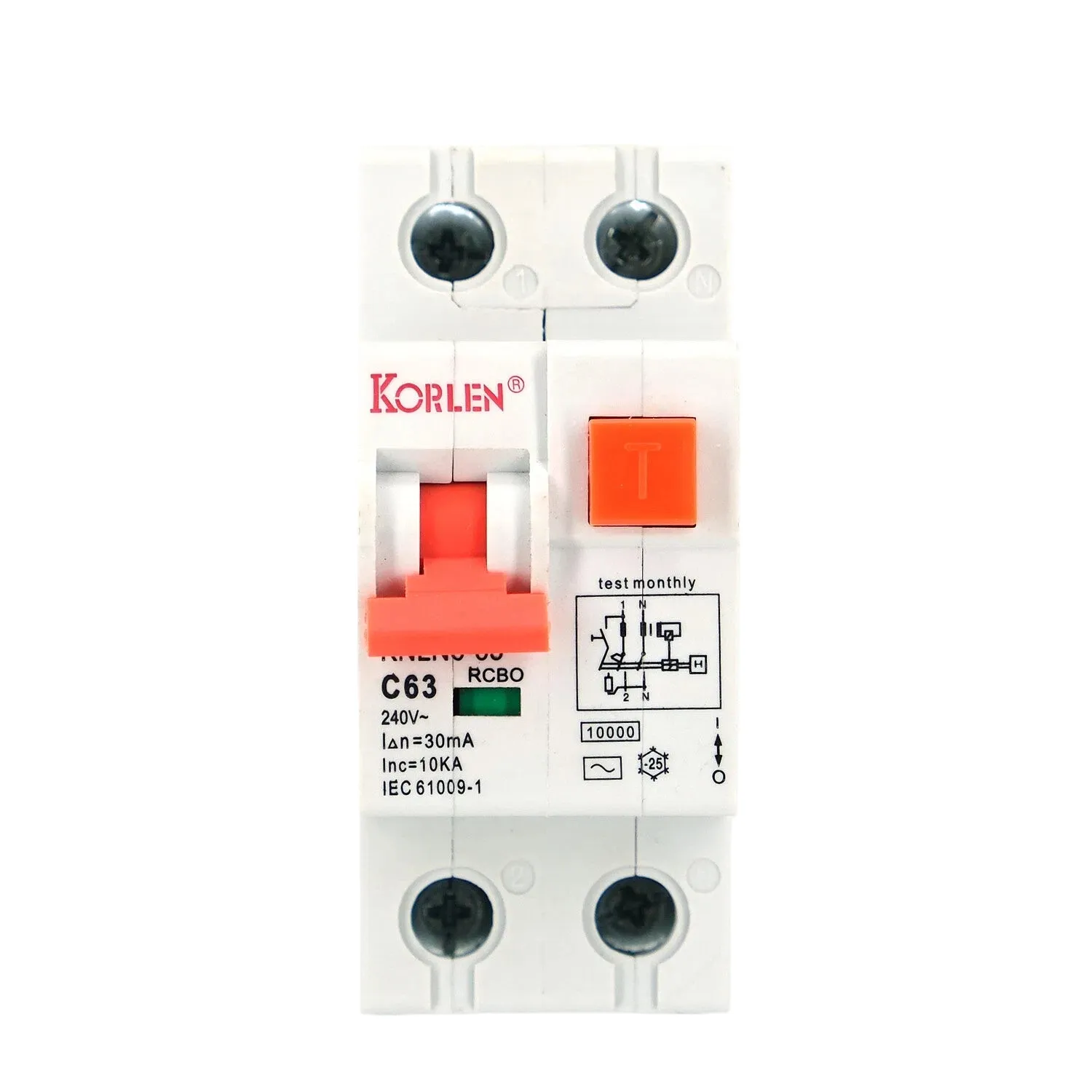 RCBO 1P+N 10–63A 10kA KNLN6-63 Korlen
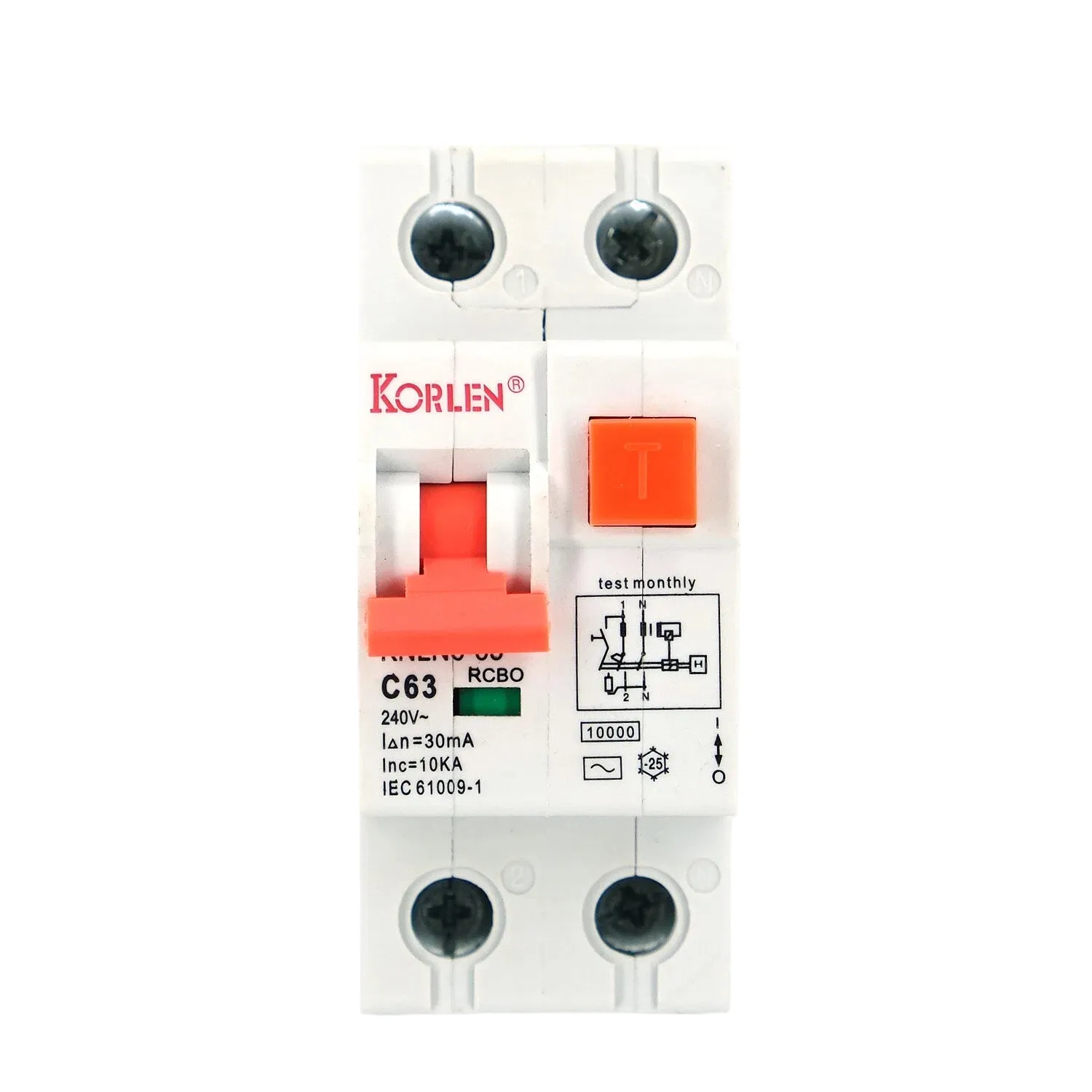 RCBO Circuit Breaker 1P+N 10–63A for Final Circuits KNLN6-63 Korlen
Surge Protective DevicesType 1+2 surge arresters for AC distribution boards and DC PV arrays, Imax 10kA to 50kA, 2P and 4P, up to 1500V DC, for rooftop plants.All Products
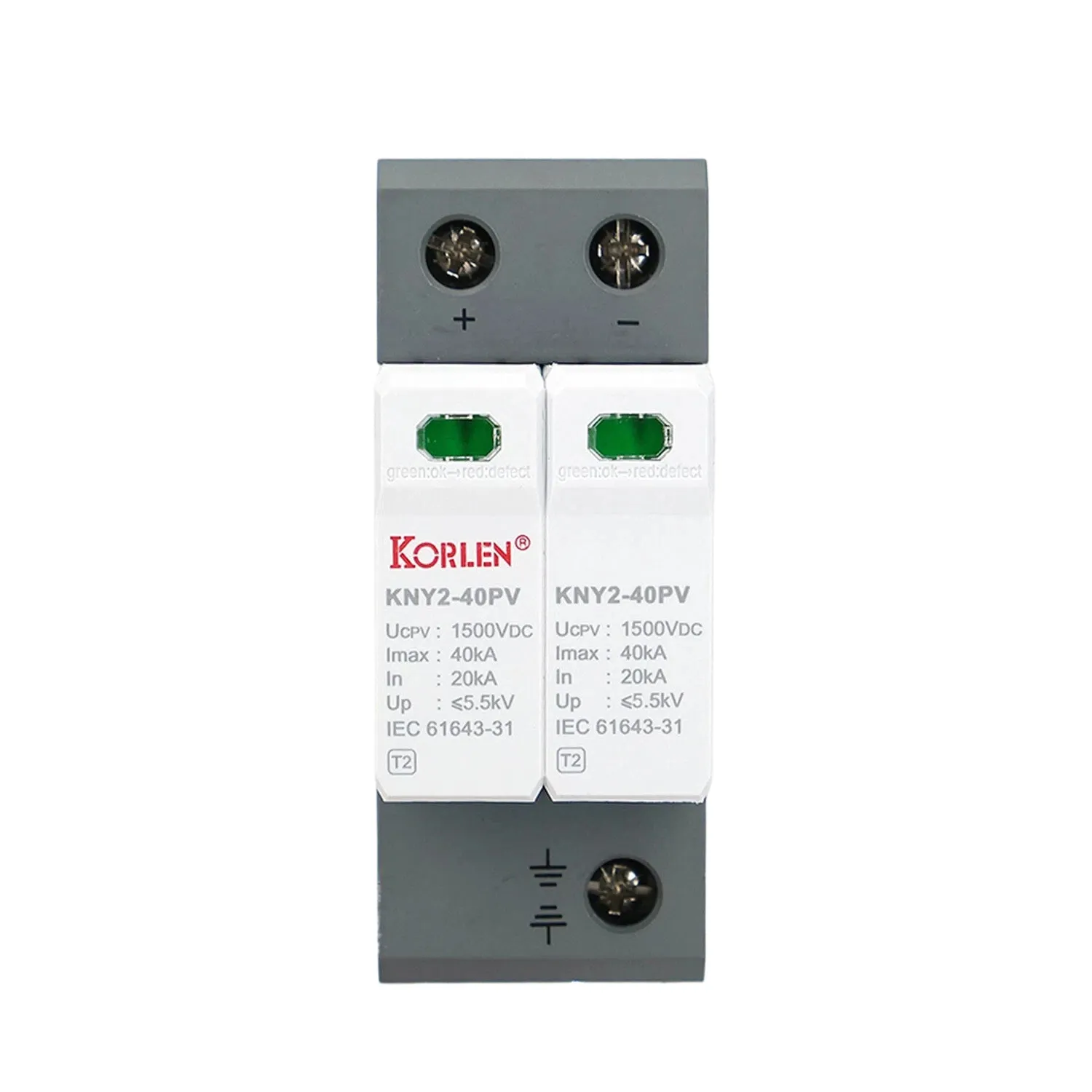 DC SPD Type 1+2 Imax 40kA 800 V DC 2P KNY2-40PV Korlen
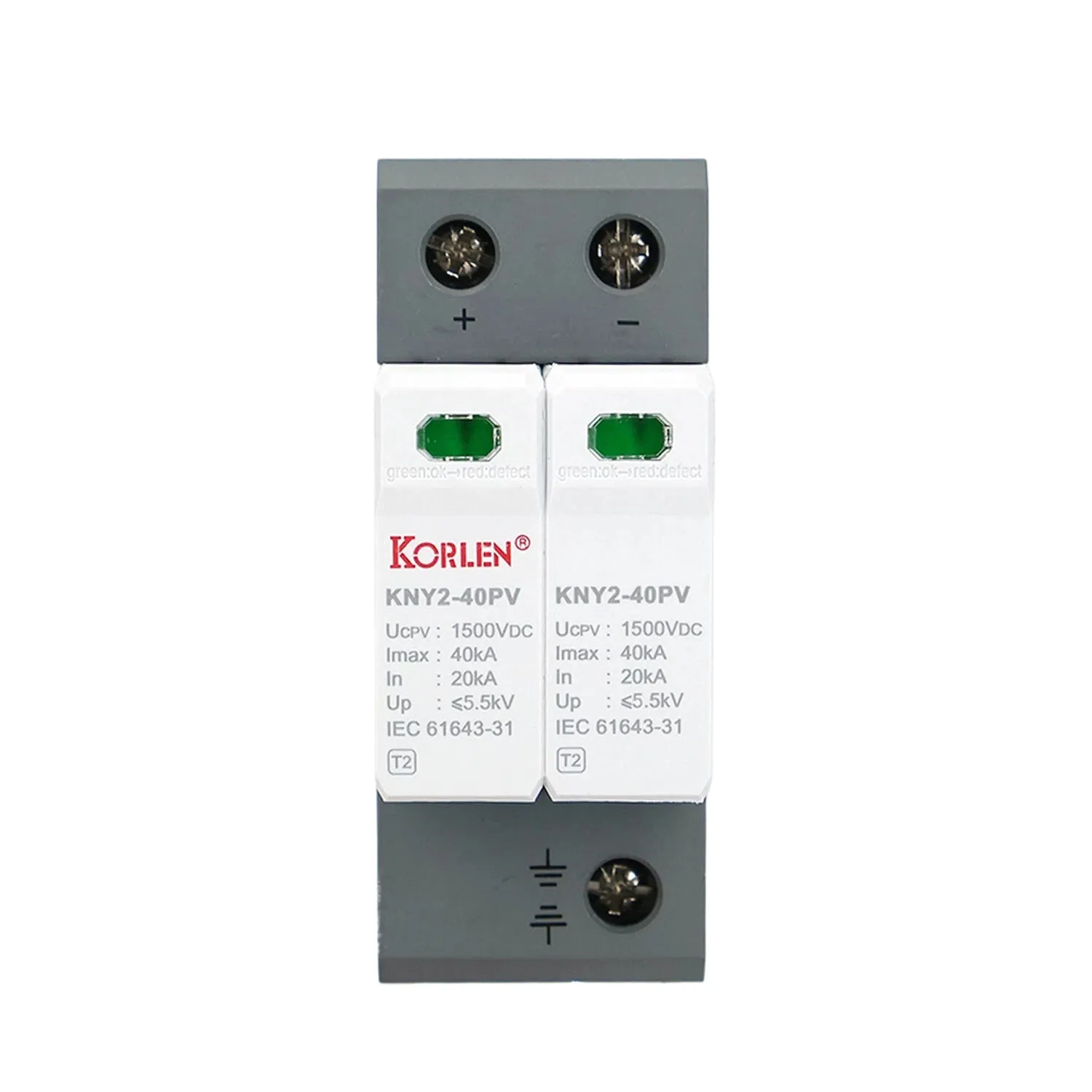 DC SPD Type 1+2 Up 4.5 kV 2P 1500 V DC KNY2-40PV Korlen
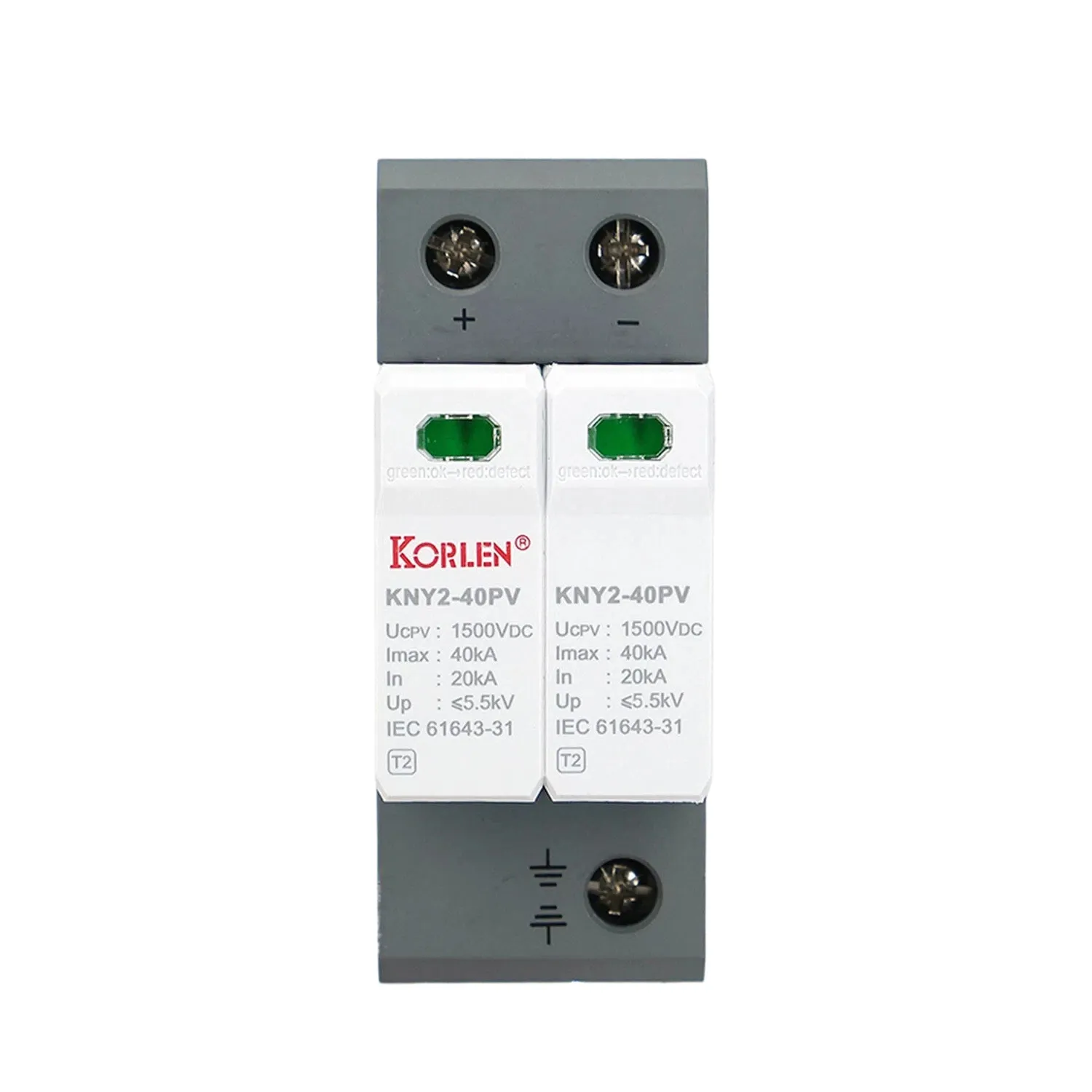 DC Surge Protection Device Type 1+2 1000 V DC 2P Imax 40kA KNY2-40PV Korlen
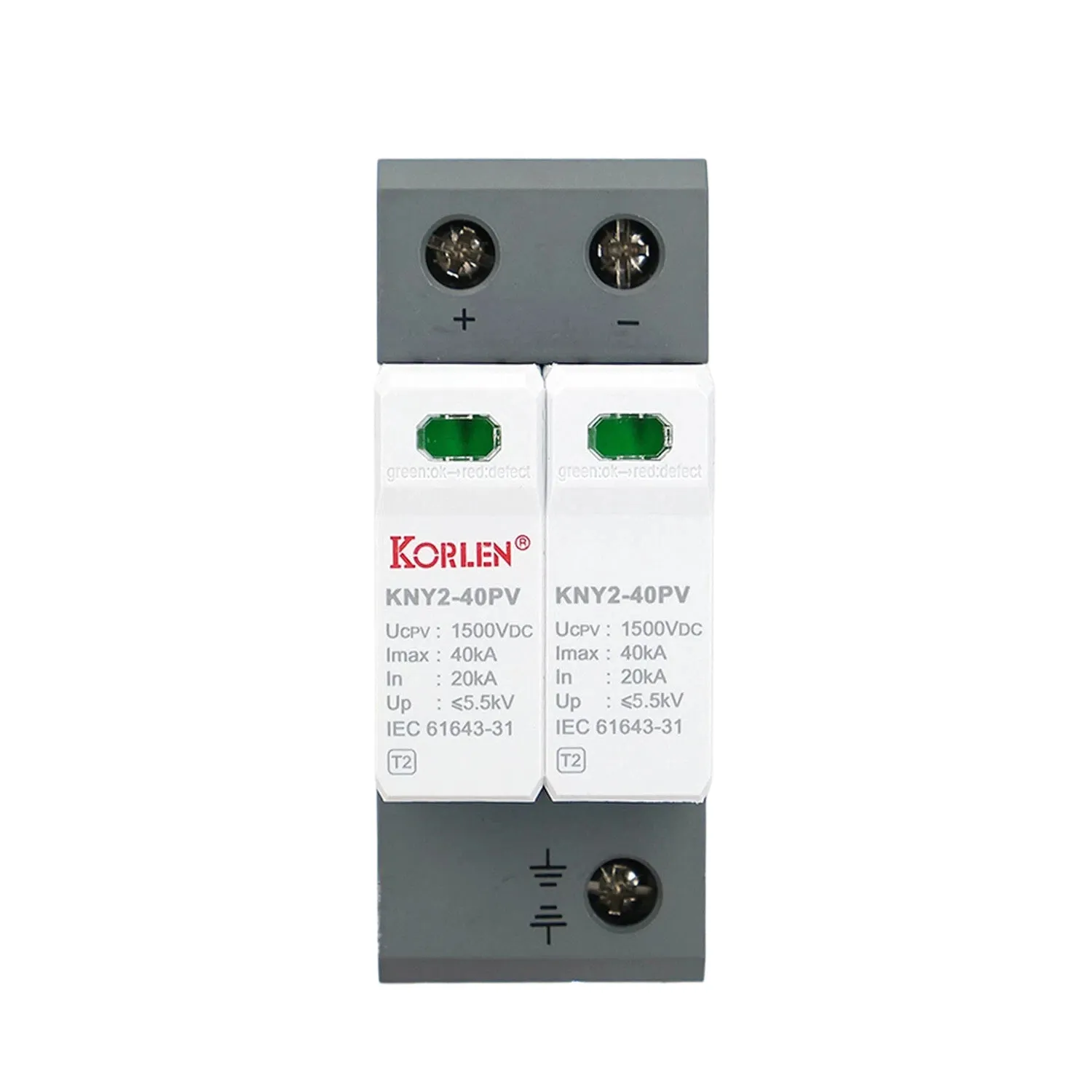 DC Surge Protection Device Type 1+2 Imax 40kA 2P 600 V DC KNY2-40PV Korlen
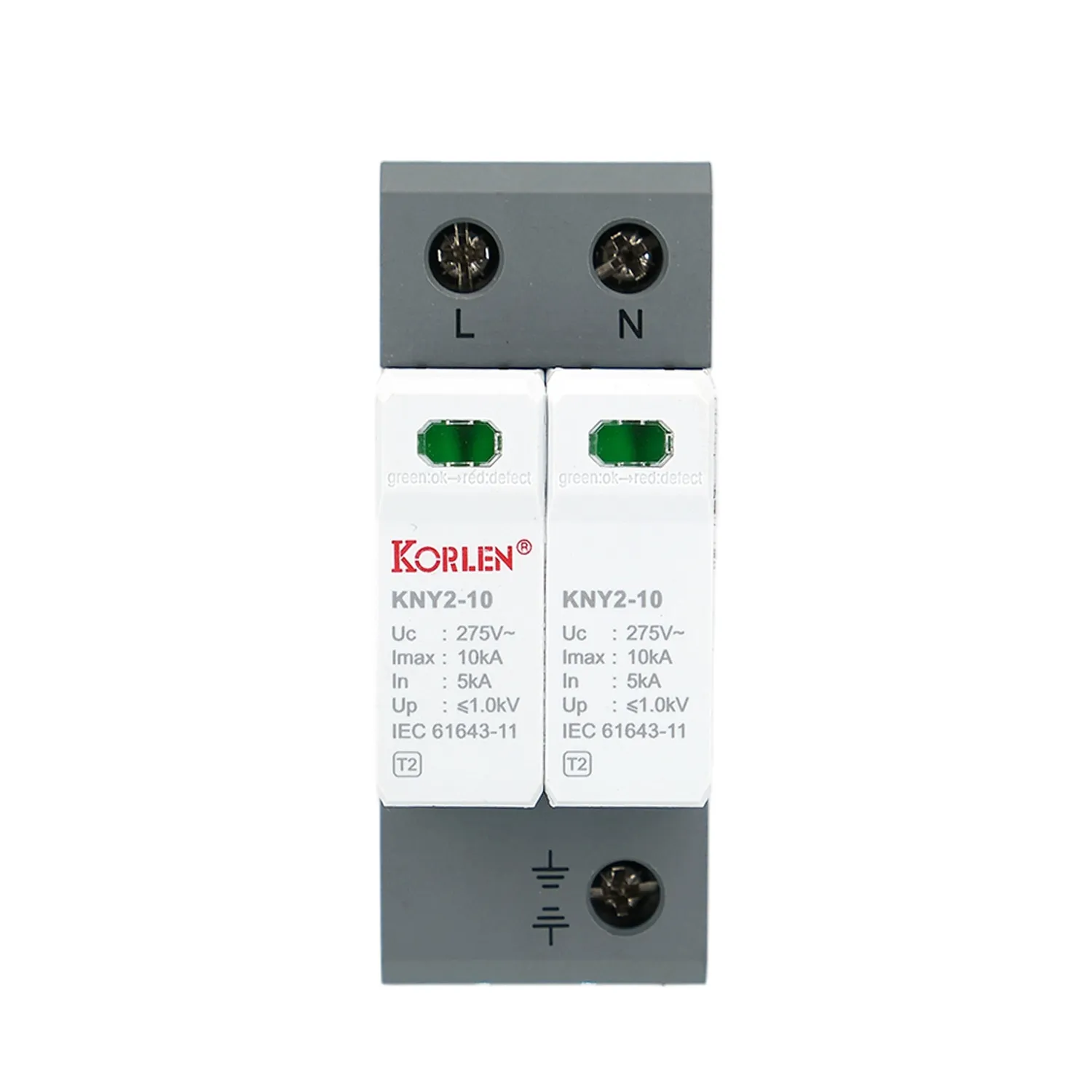 Double Pole Surge Arrester Type 1+2 Imax 50kA KNY2-10 Korlen
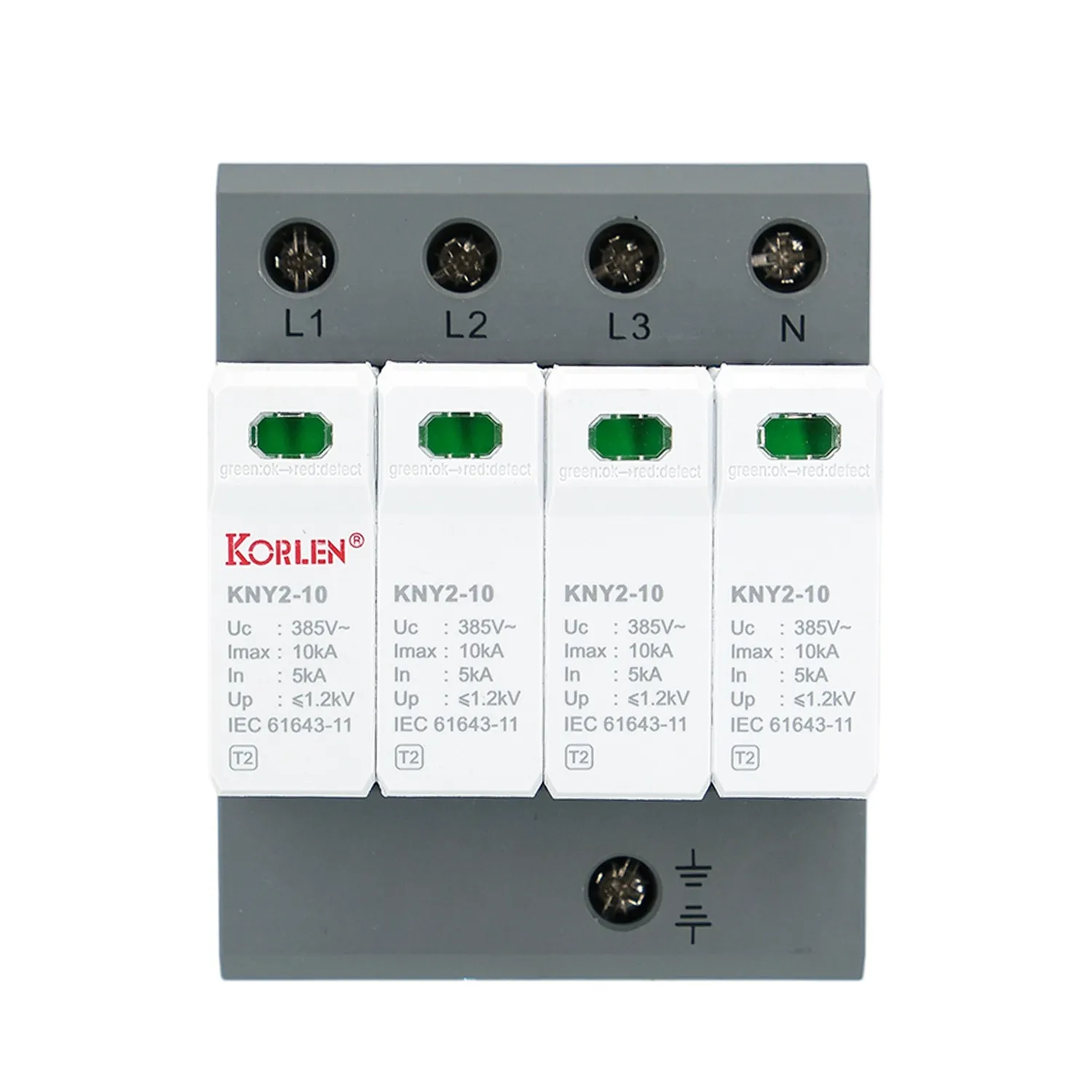 Four Pole Overvoltage Protection Device Type 2 Imax 10kA KNY2-10 Korlen
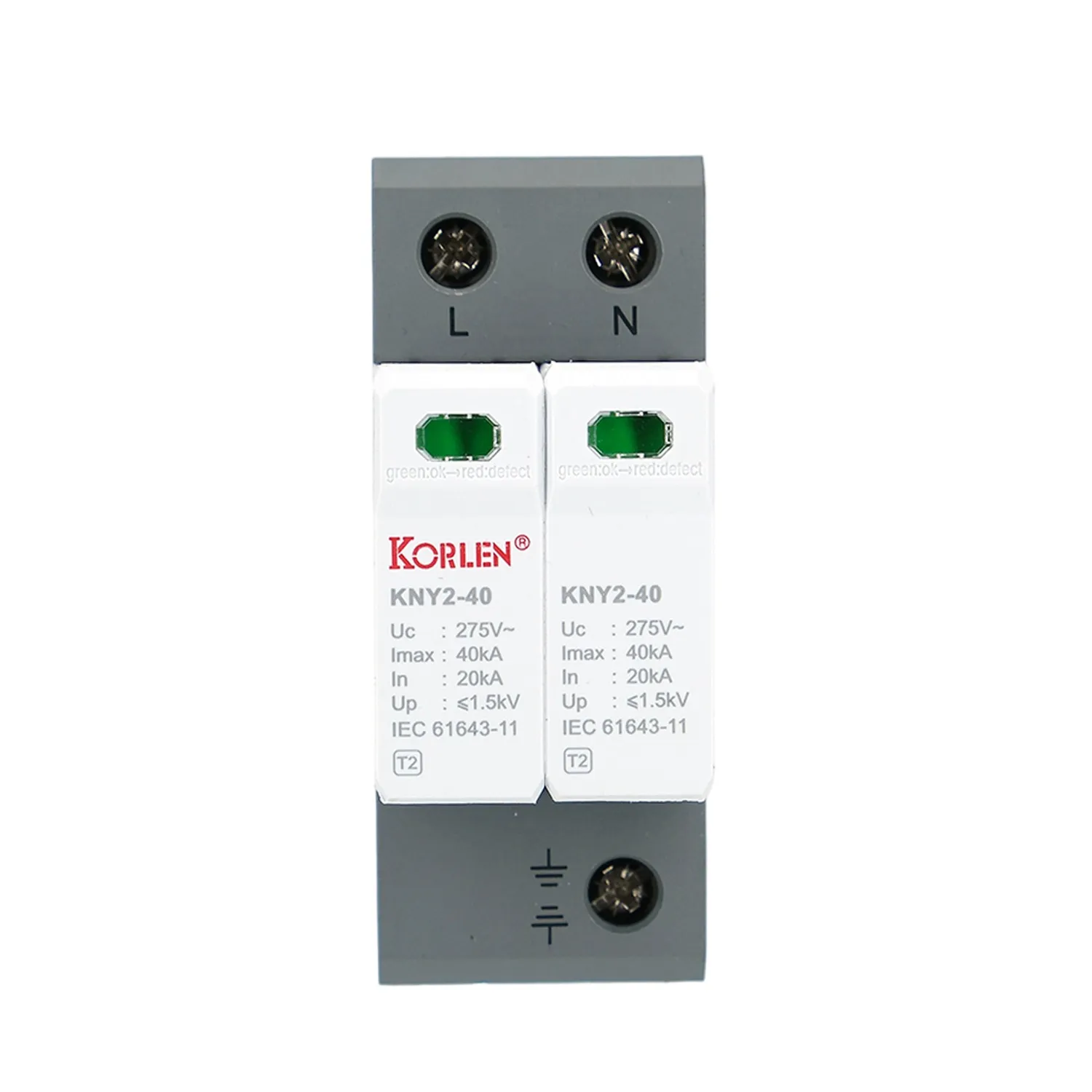 Overvoltage Protection Device Type 1+2 2P Up 1.5 kV KNY2-40 Korlen
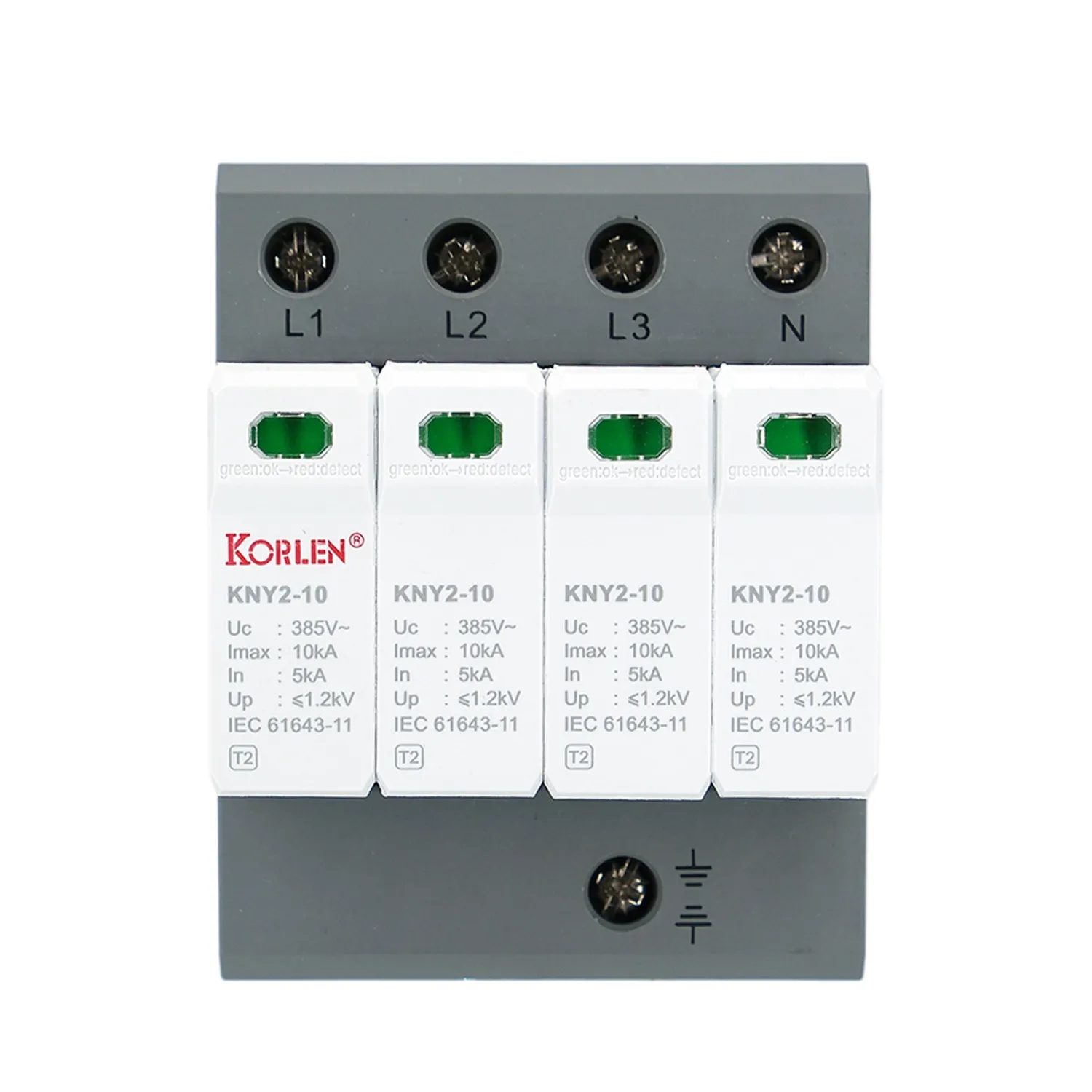 Overvoltage Protection Device Type 1+2 In 20kA 4P KNY2-10 Korlen
FusesFuse holders used on PV string protection.All Products
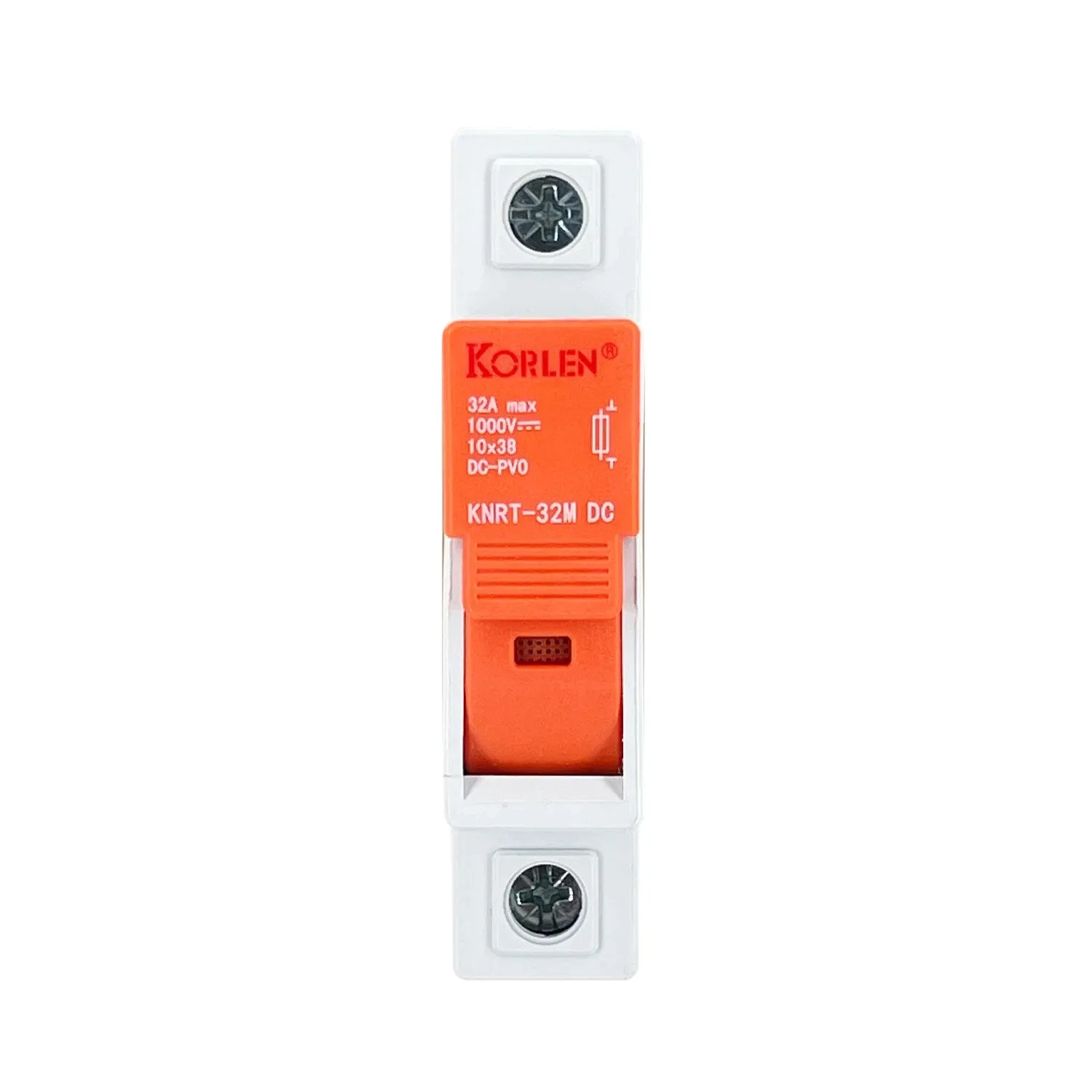 DC Fuse with Holder 1000 V DC 2–32A 10×38mm KNRT-32M Korlen
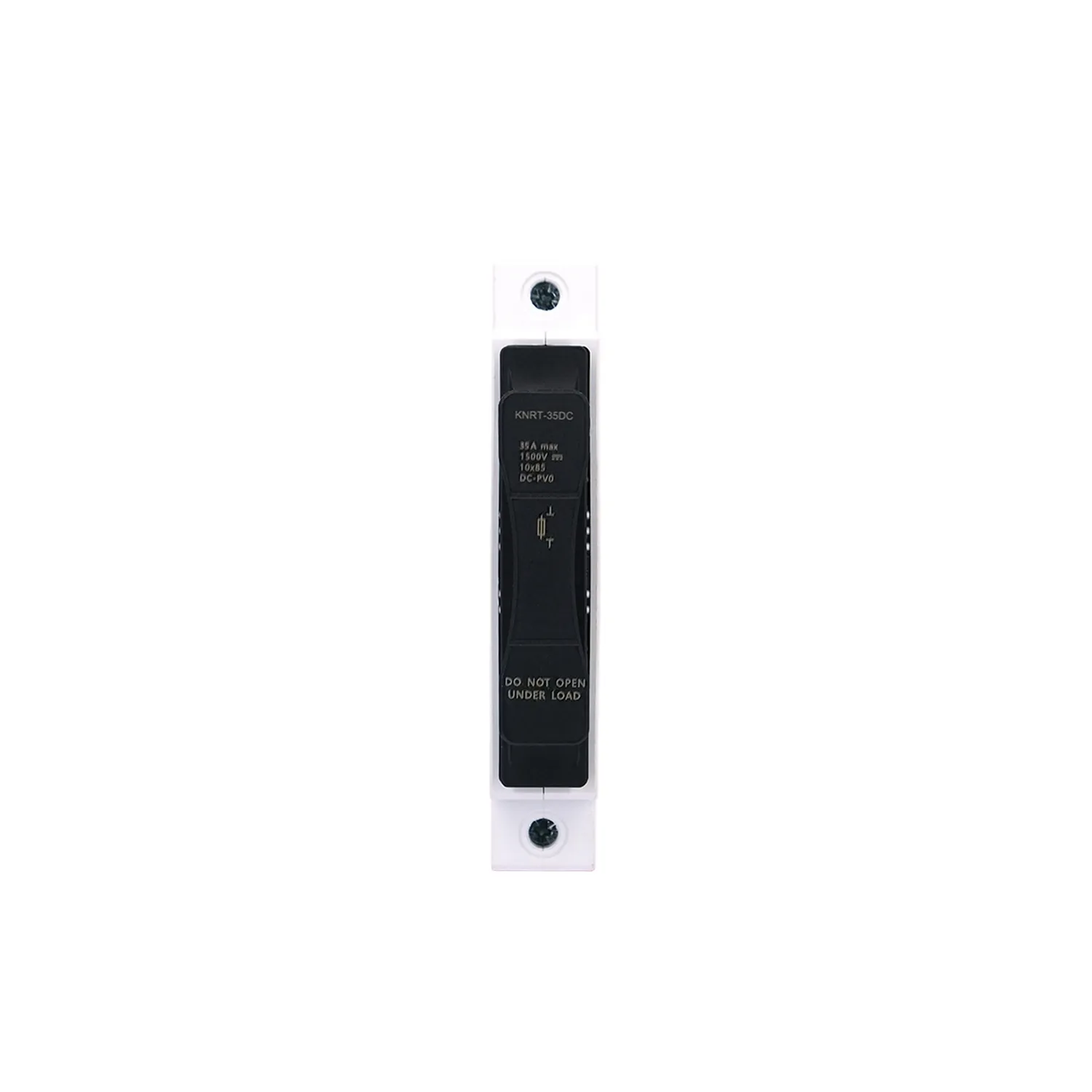 gPV Fuse and Base 1500 V DC 1–35A KNRT-35DC Korlen
Isolating SwitchesLoad-break and isolating switchesAll Products
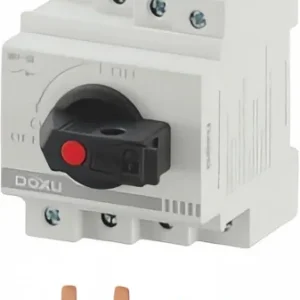 32A DC Load Break Switch 300 V DC DS1-32 Doxu
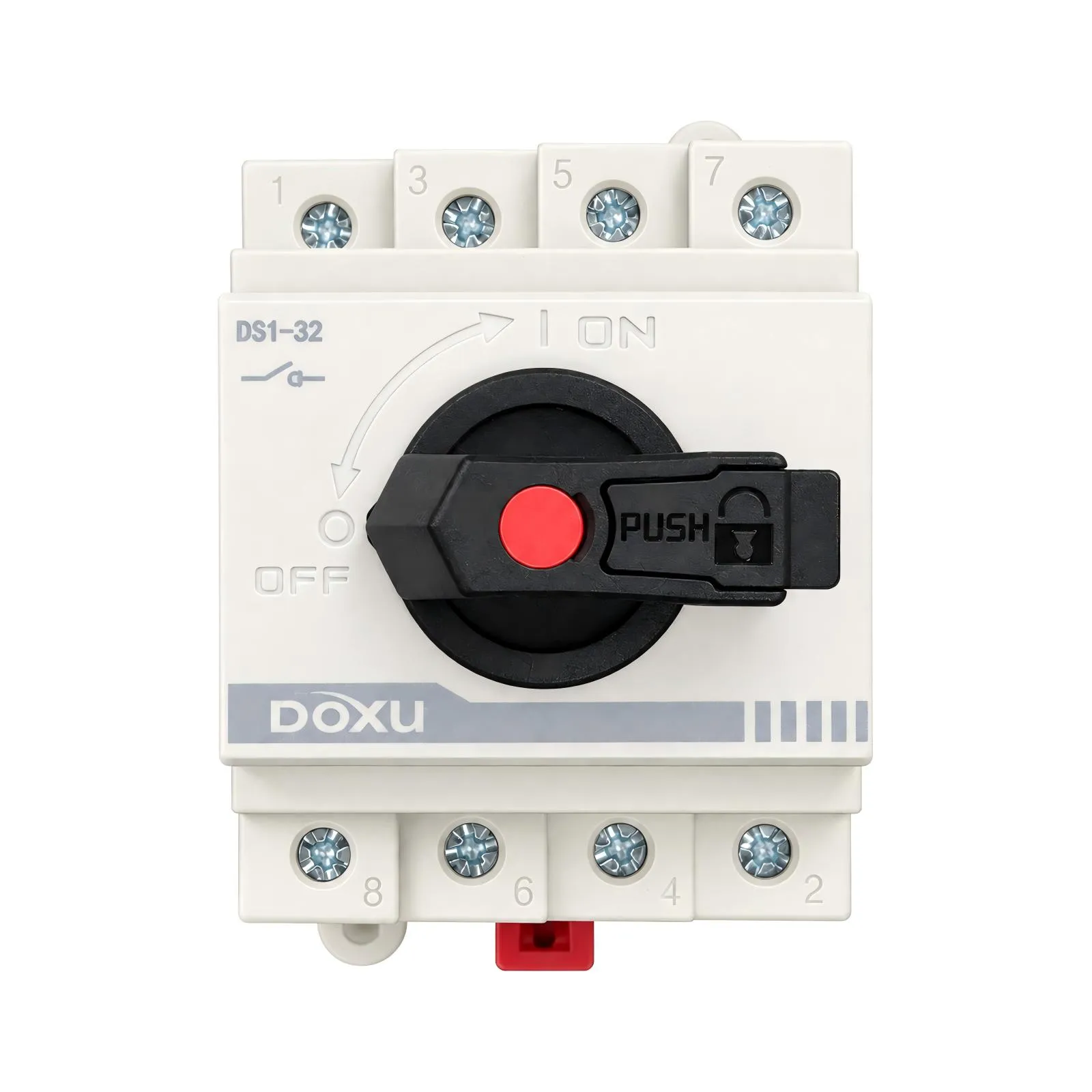 32A PV Isolating Switch 1000 V DC 2P DS1-32 Doxu
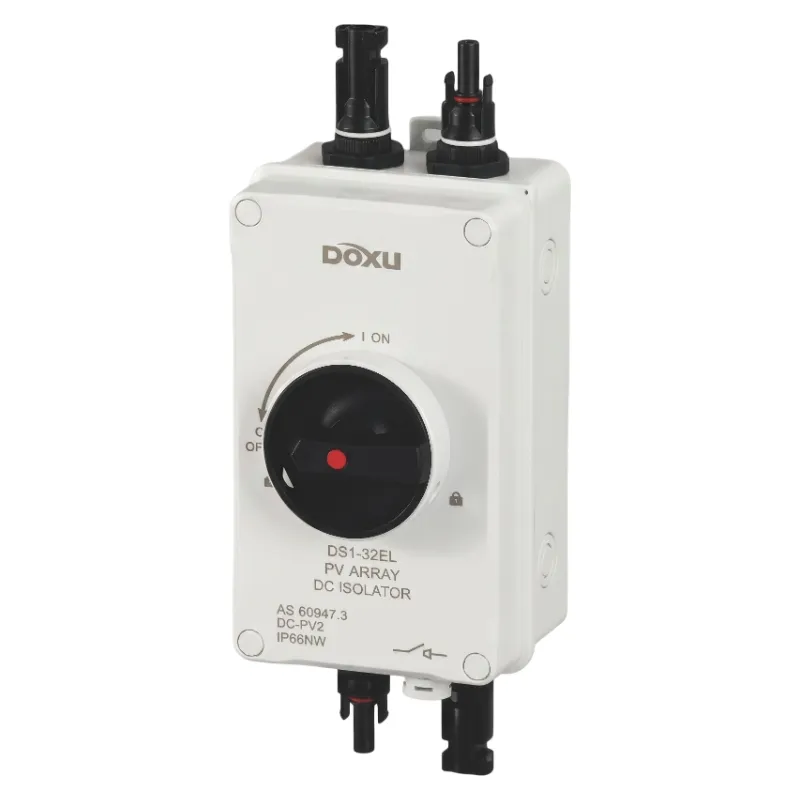 32A Solar DC Disconnect Switch 1200 V DC DS1-32EL/2-MC4-H Doxu
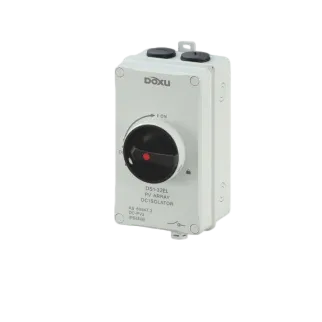 DC Isolator Switch 1200 V DC 16–32A DS1-32EL/4P Doxu
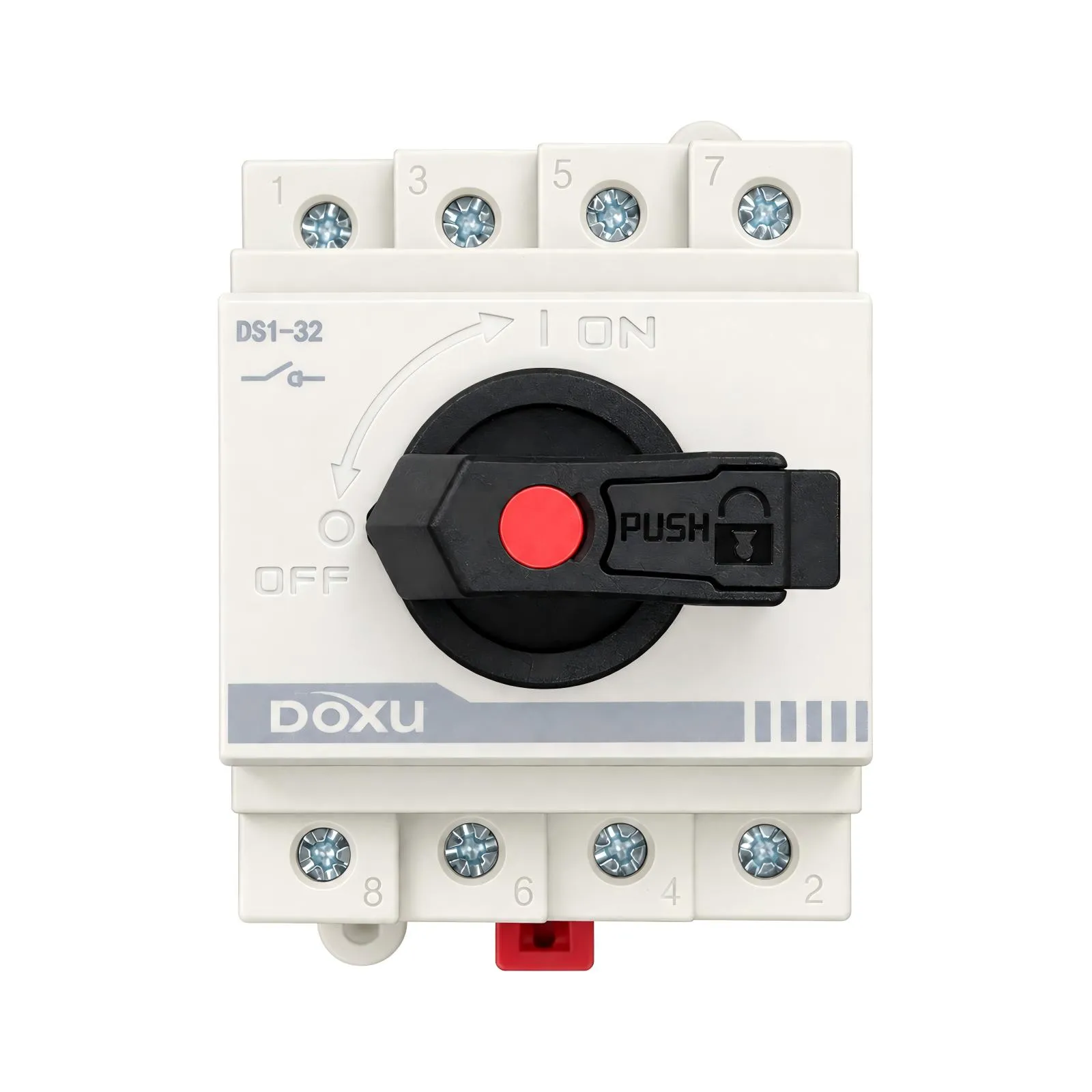 DC Isolator Switch 300 V DC 32A 2P DS1-32 Doxu
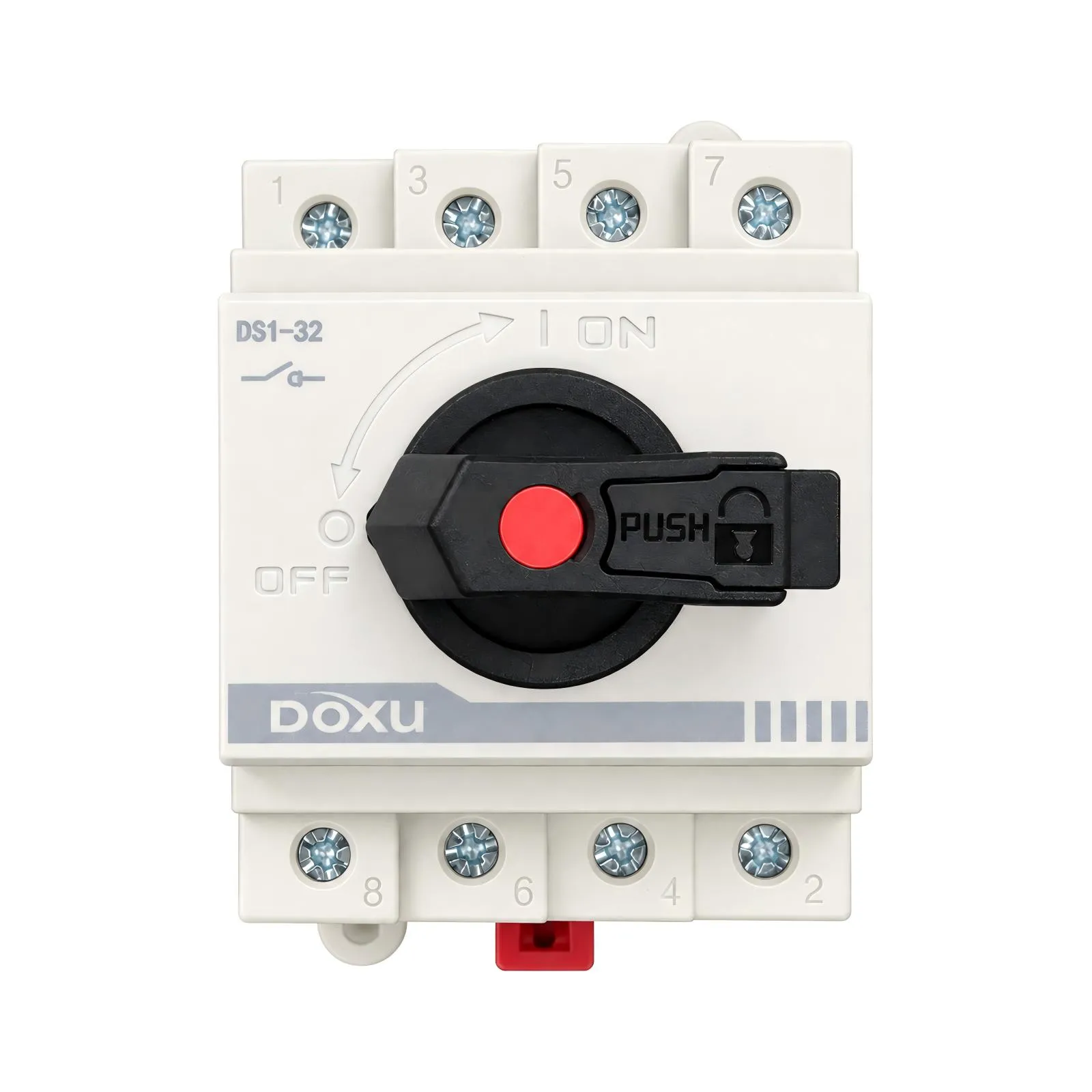 DC Isolator Switch 4P 32A 1000 V DC DS1-32 Doxu
 DC Isolator Switch 600 V DC 32A DS1-32 Doxu
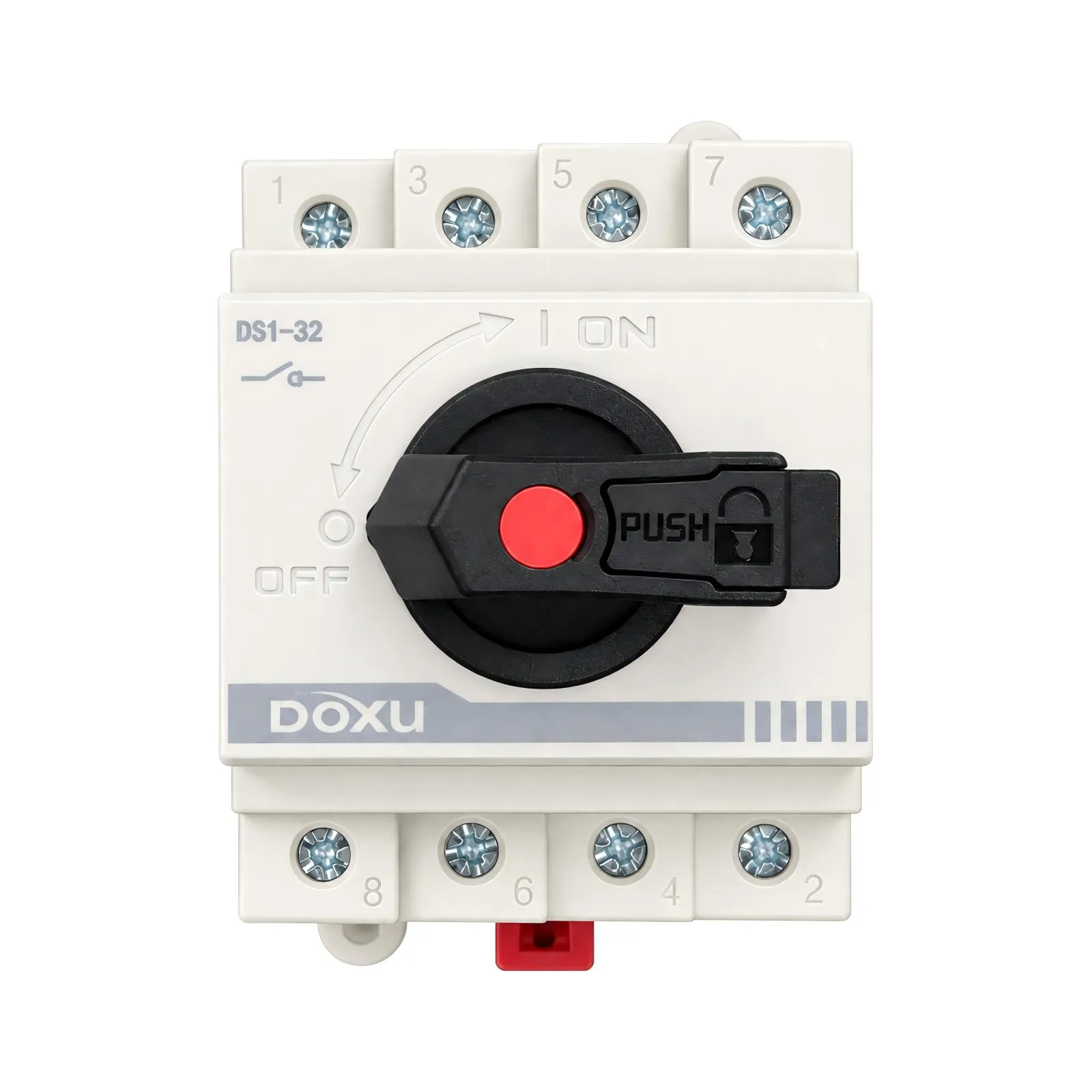 DC Load Break Switch 1200 V DC 2P 32A DS1-32 Doxu
Contactors & Motor StartersContactors, thermal relays and startersAll Products
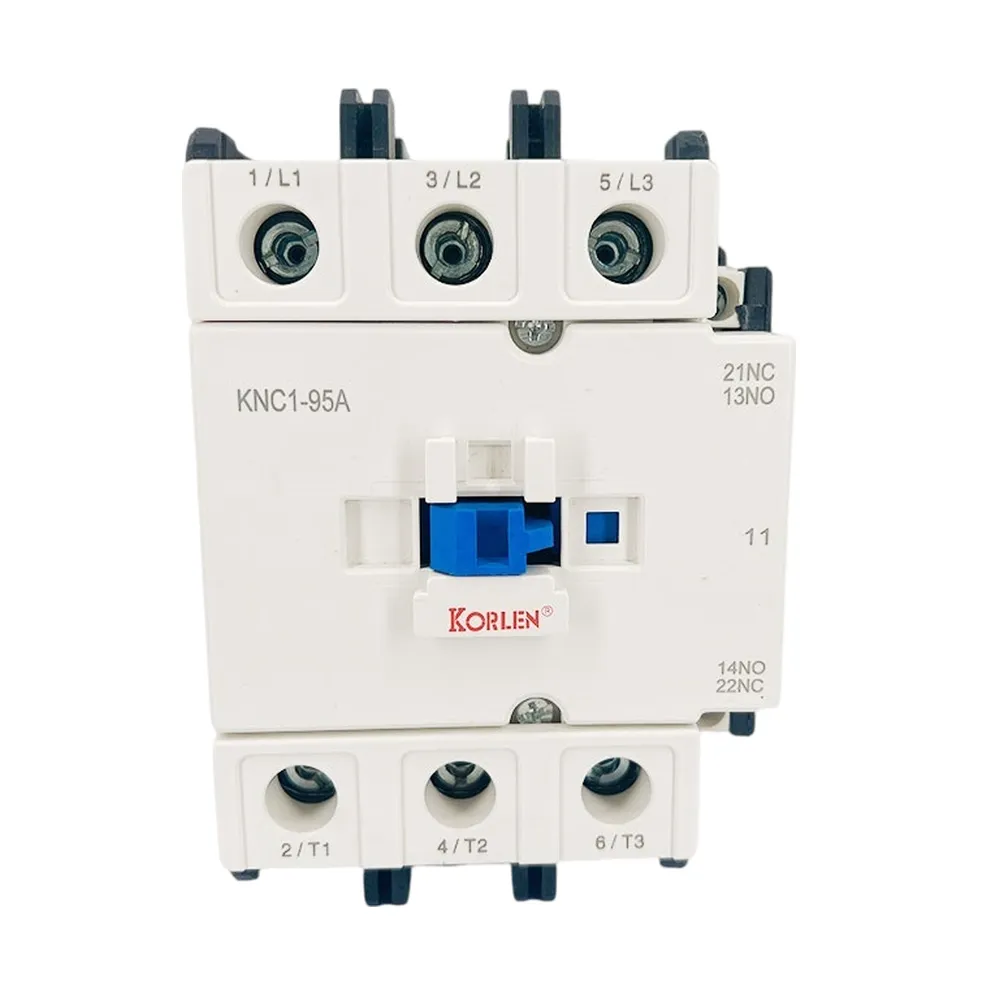 AC Contactor 3P 9–95A 660 V AC KNC1 Korlen
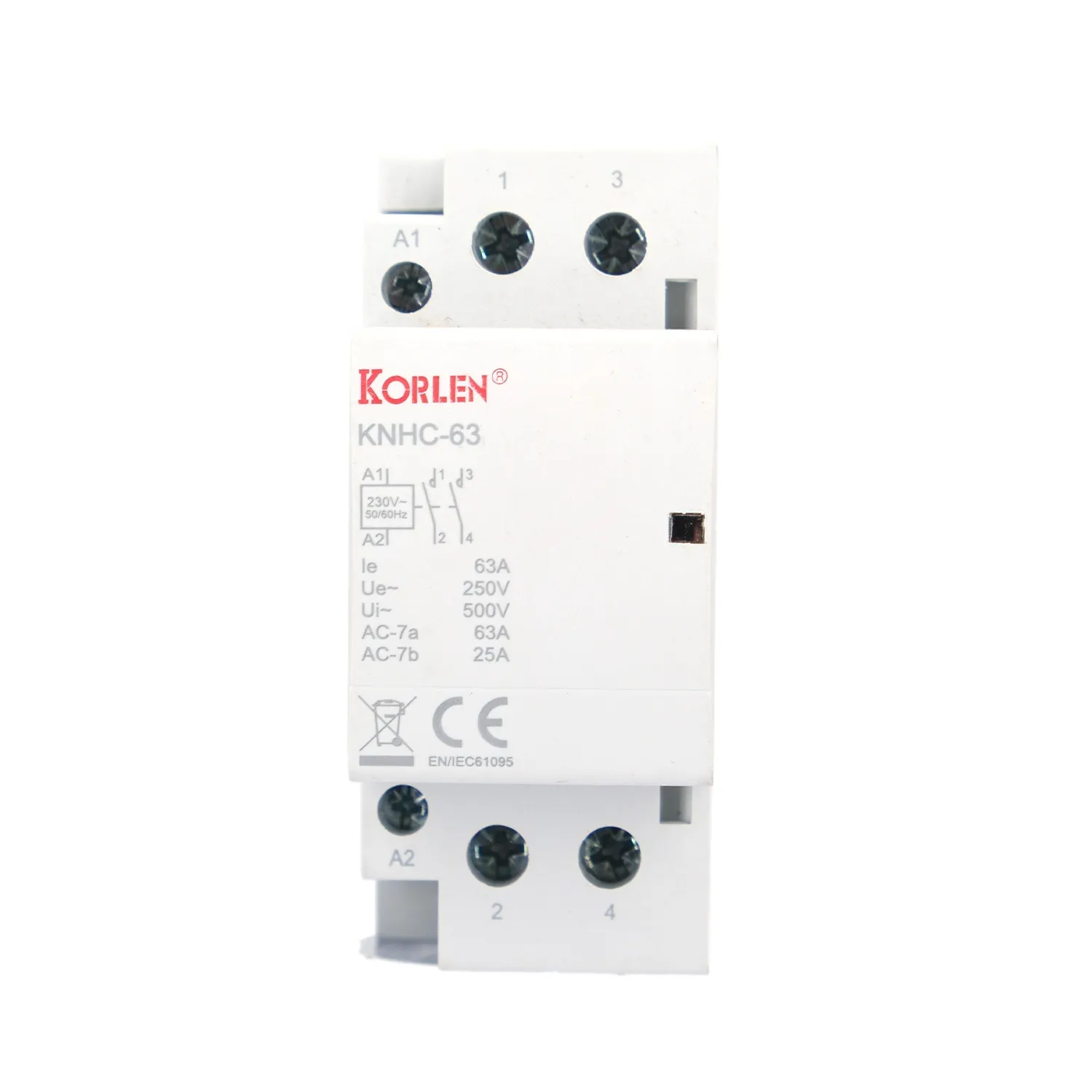 Building Automation Contactor 16–25A 3P 400 V AC KNHC Korlen
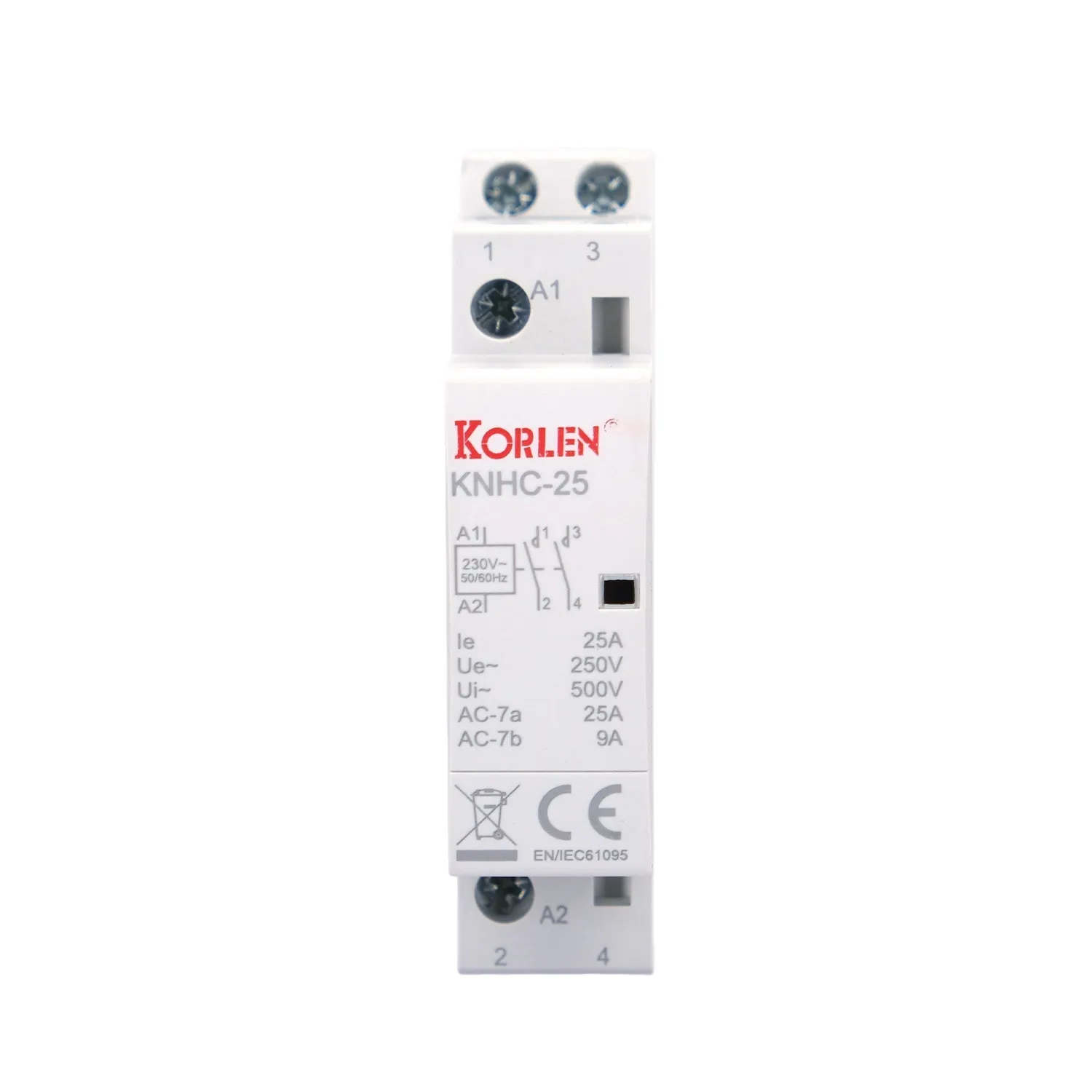 Building Automation Contactor 1P 32–63A for Building Services KNHC Korlen
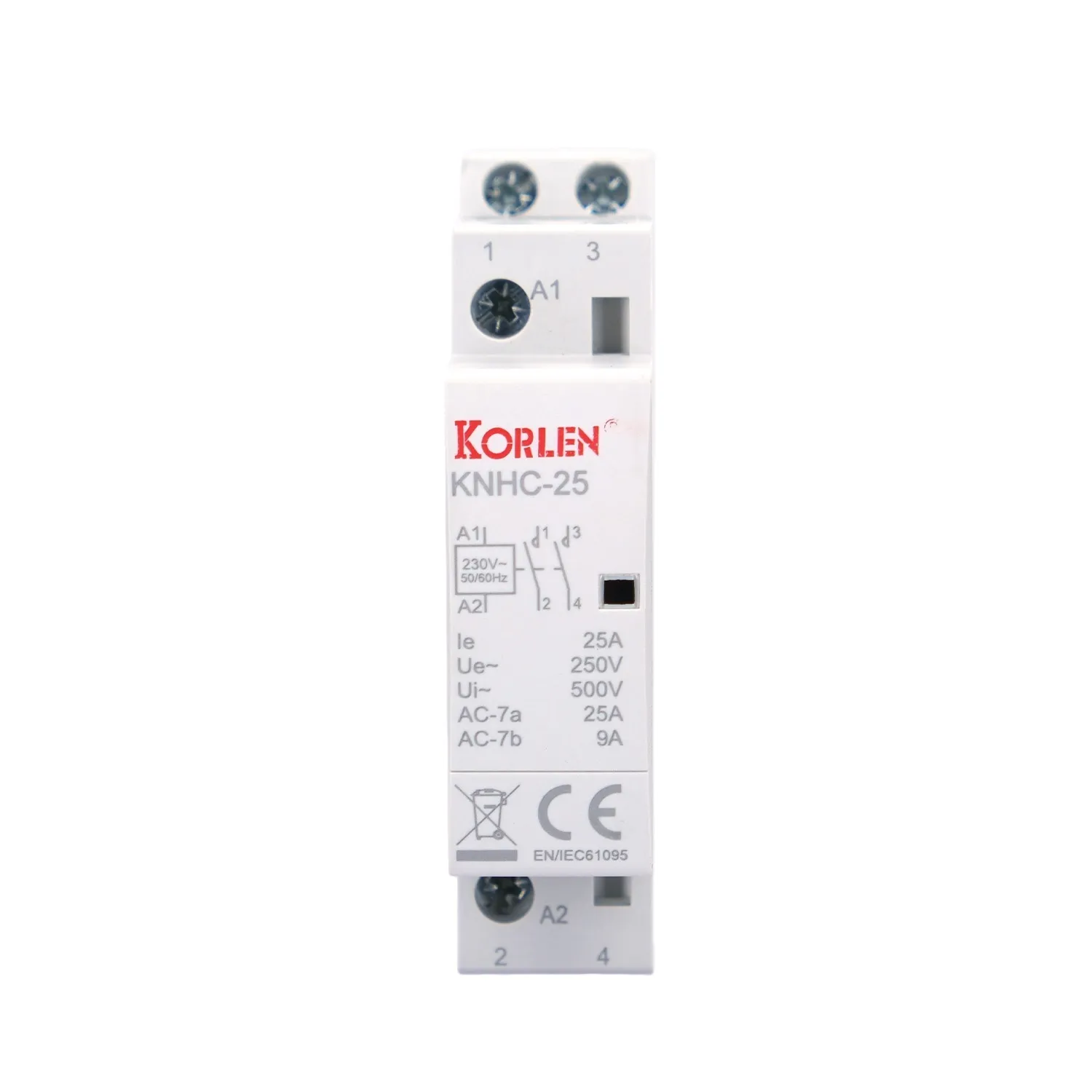 DIN Rail Contactor 1P 80–125A up to 400 V AC KNHC Korlen
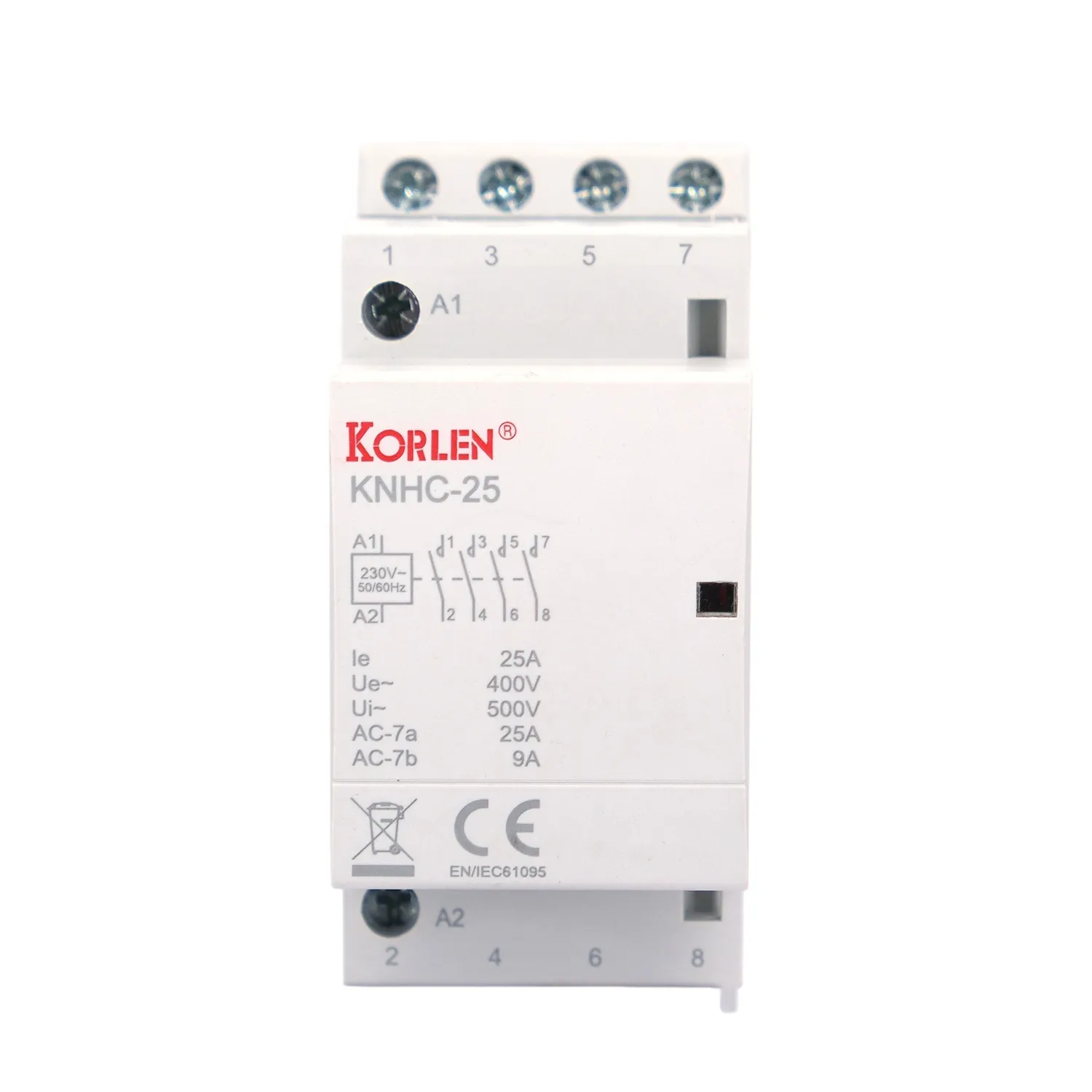
 DIN Rail Contactor 3P 32–63A 400 V AC KNHC Korlen
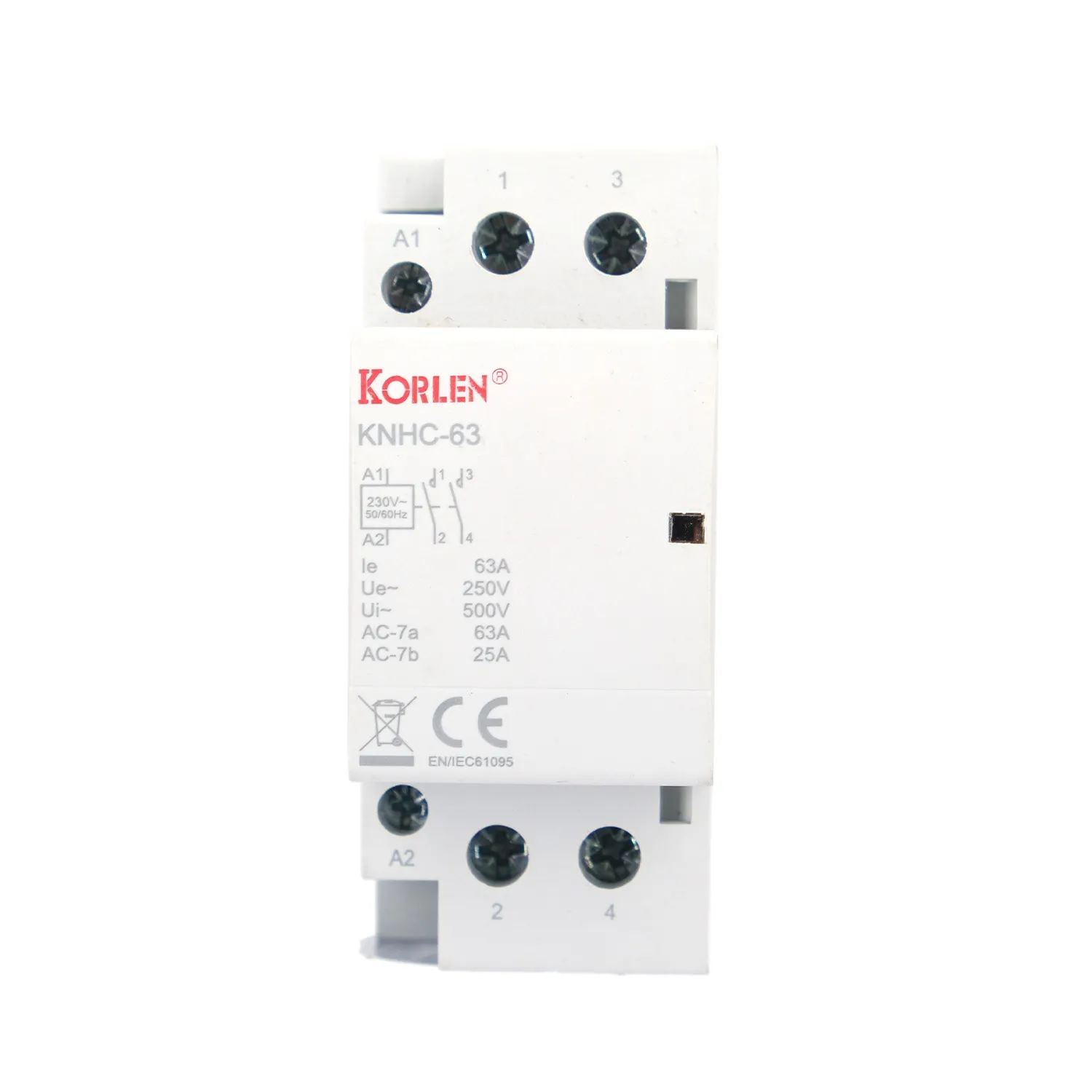
 Double Pole Modular Contactor Relay 32–63A up to 400 V AC KNHC Korlen
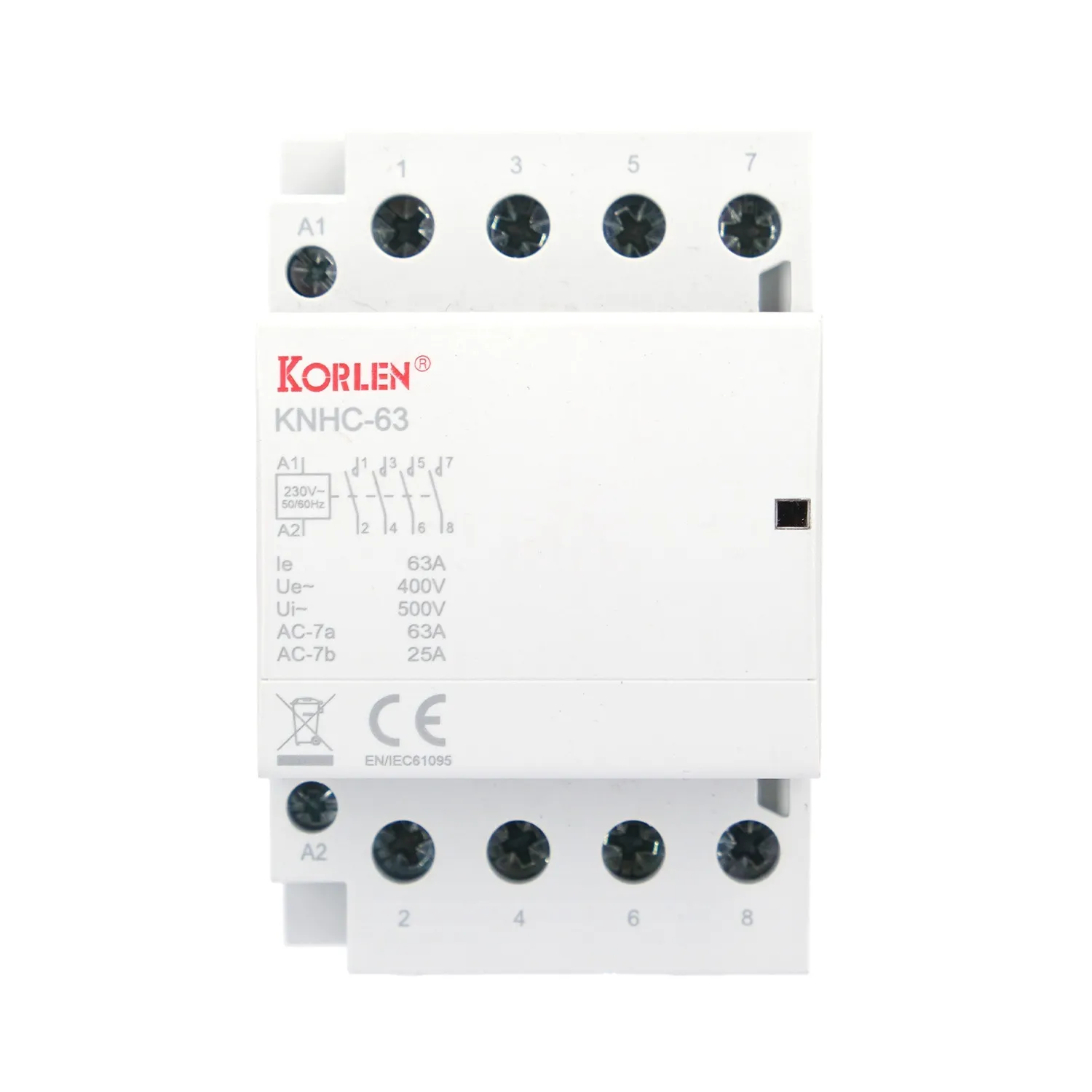 Four Pole Building Automation Contactor 80–125A up to 400 V AC KNHC Korlen
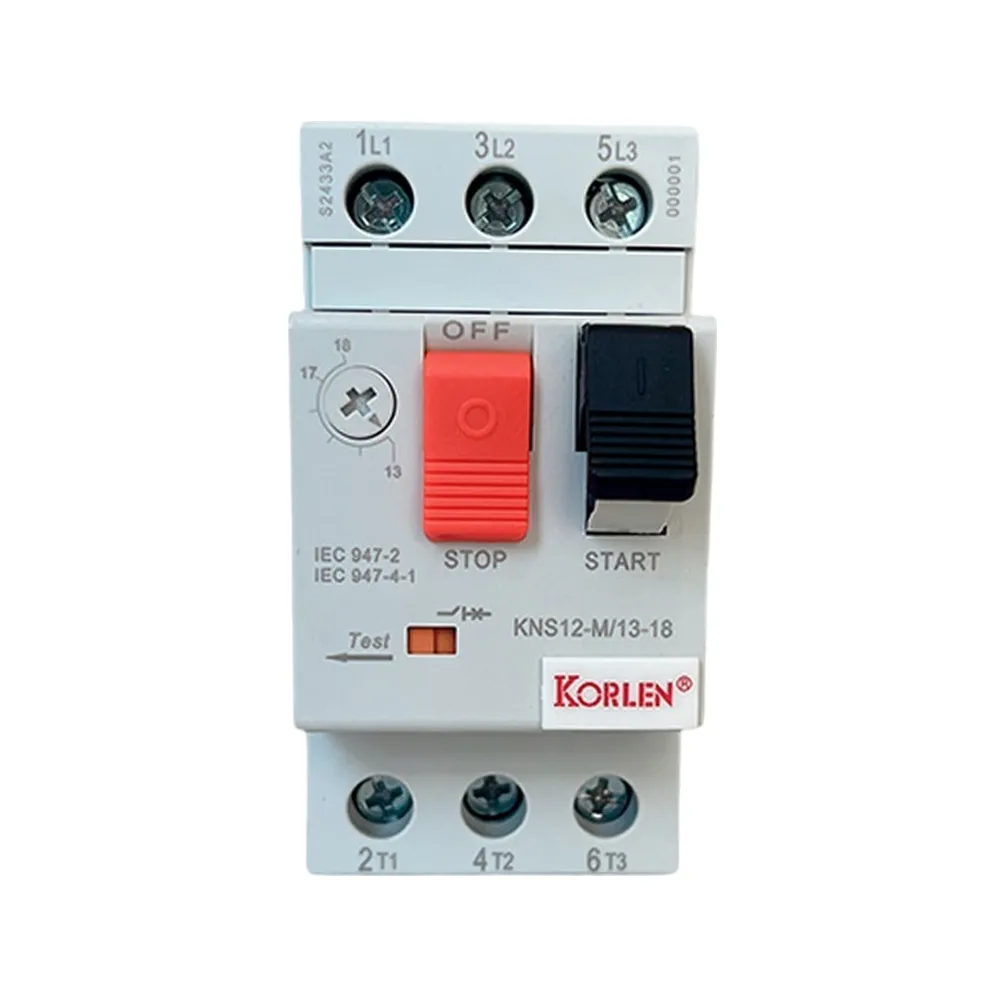 Manual Motor Starter 3P 1–80A 690 V AC KNS12 Korlen
Combiner & Distribution BoxesEnclosures for string combining and AC distribution.All Products
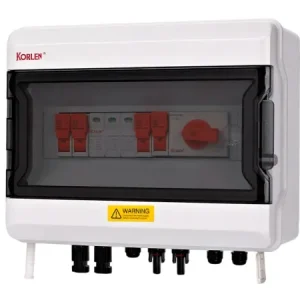 DC Combiner Box 2 in / 2 out 1000 V DC for PV Plants KNX5PV-H/B-2/2 Korlen
 Distribution Board 6–36 modules Watertight Enclosure KNS Korlen
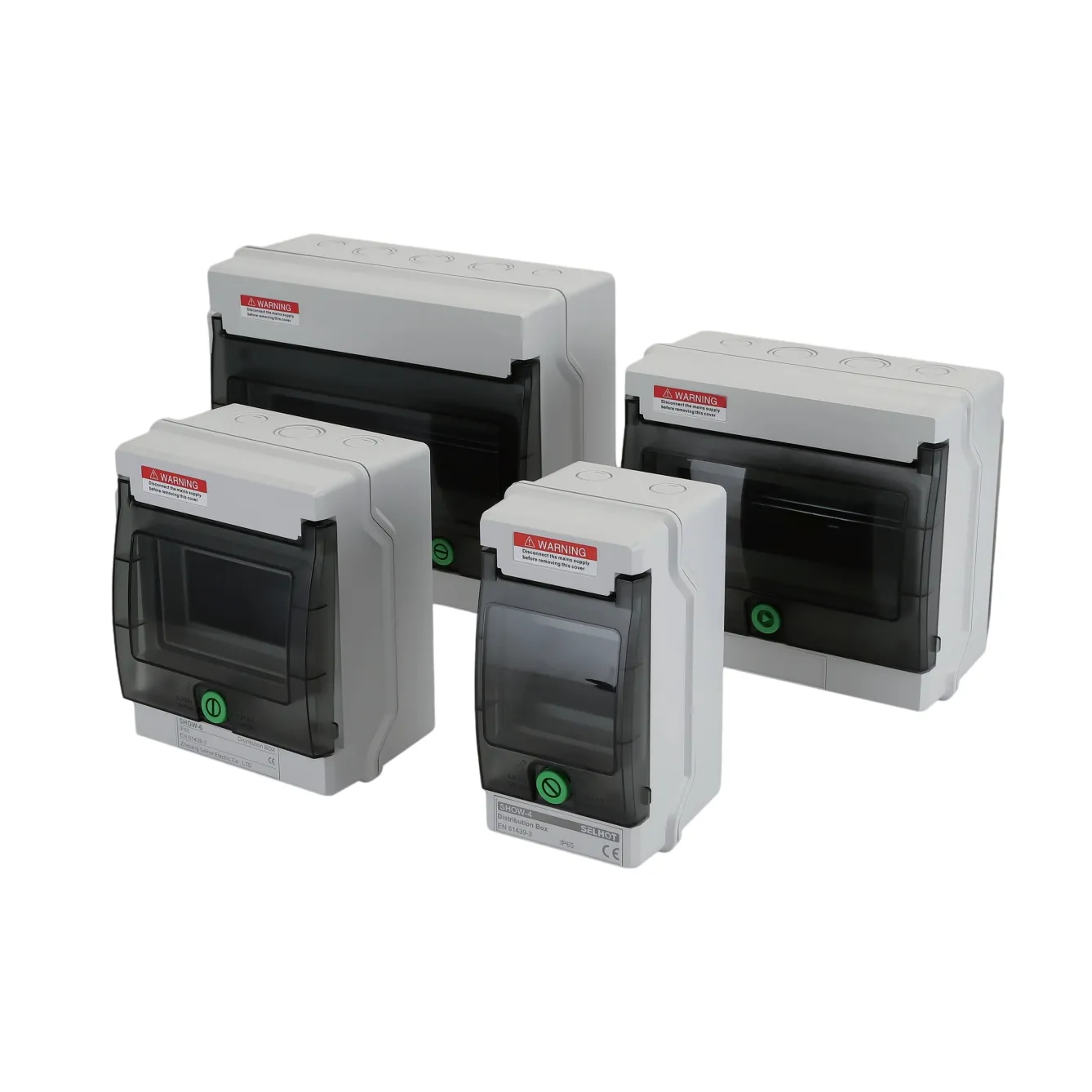 Distribution Board IP65 4–24 modules KNHA Korlen
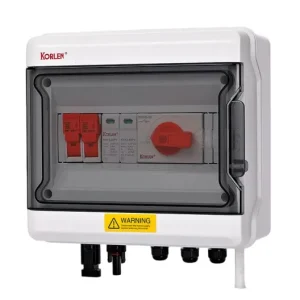 PV Combiner Box 1000 V DC 1 in / 1 out KNX5PV-H/B-1/1 Korlen
 PV Combiner Box 1000 V DC 4 in / 2 out KNX5PV-H/B-4/2 Korlen
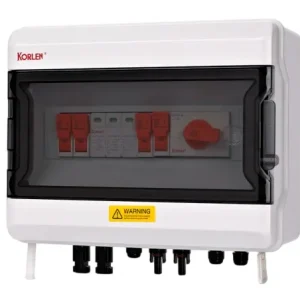 PV String Combiner Box 2 in / 1 out 1000 V DC KNX5PV-H/B-2/1 Korlen
 PV String Combiner Box 6 in / 2 out 1000 V DC, KNX5PV-H/B-6/2 Korlen
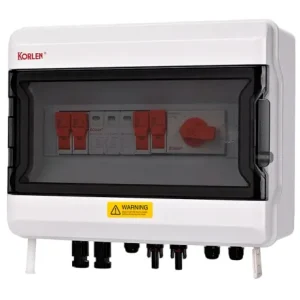 Solar String Combiner Box 3 in / 1 out 1000 V DC KNX5PV-H/B-3/1 Korlen
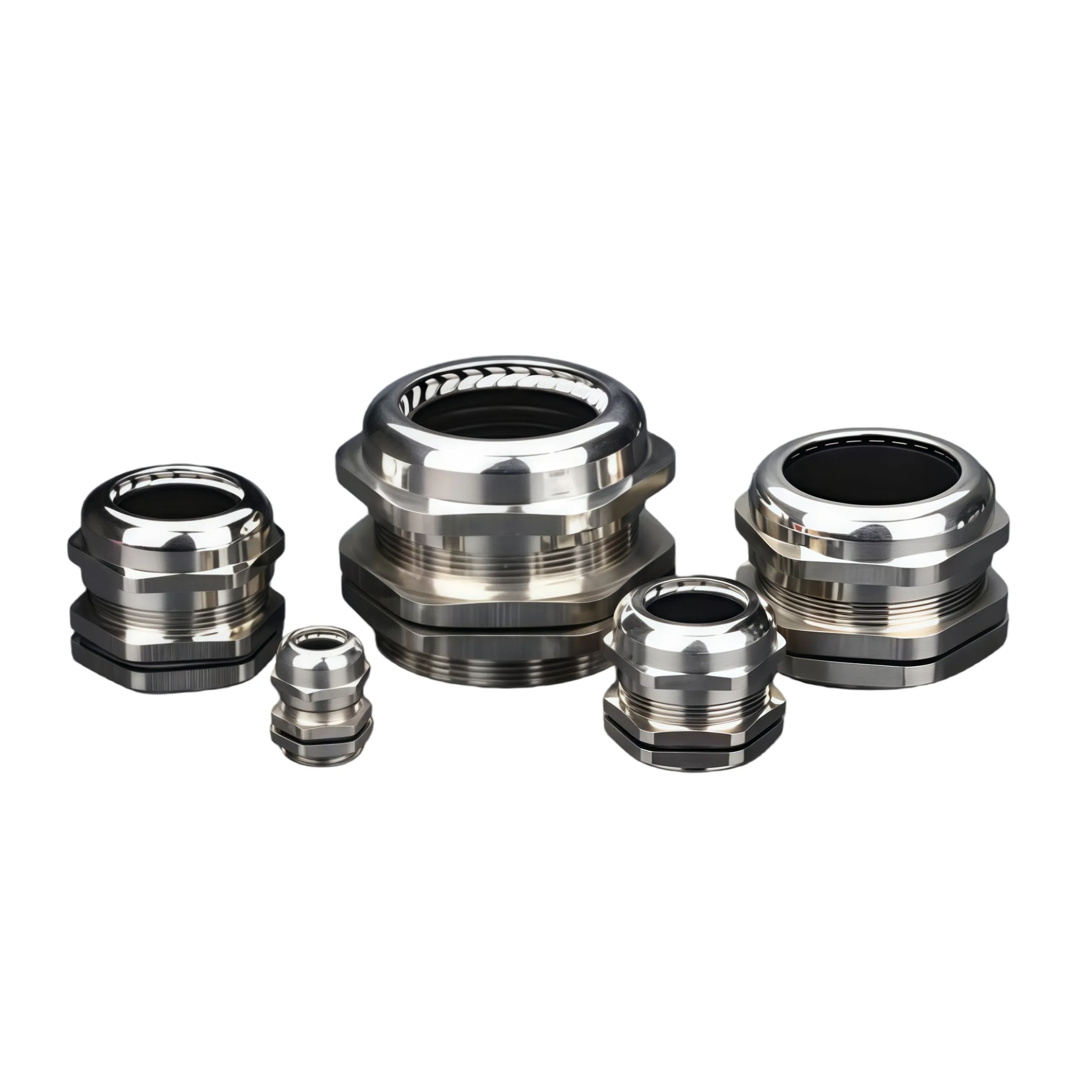
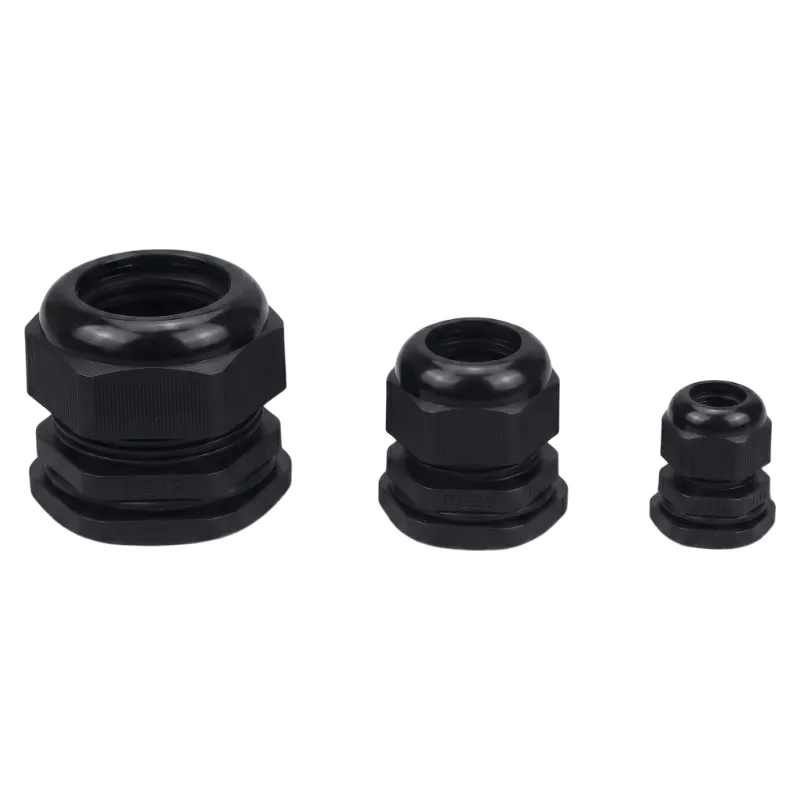
Cable GlandsIP68 nylon cable glands in PG7 to PG63 and M8 to M114 threads, PA66 body, for waterproof cable entry on enclosures.All Products
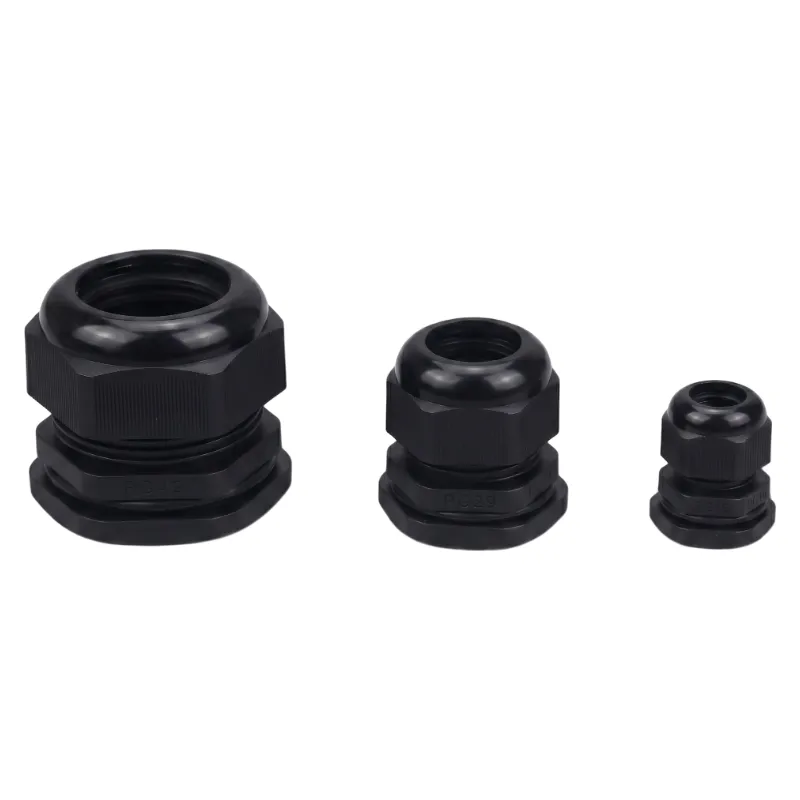 Cable Gland IP68 PA66 nylon PG7-PG63 WZCHDA
 Nylon Cable Gland IP68 PG7-PG63 PG thread WZCHDA
 PA66 Cable Gland metric M thread M8-M114 IP68 WZCHDA
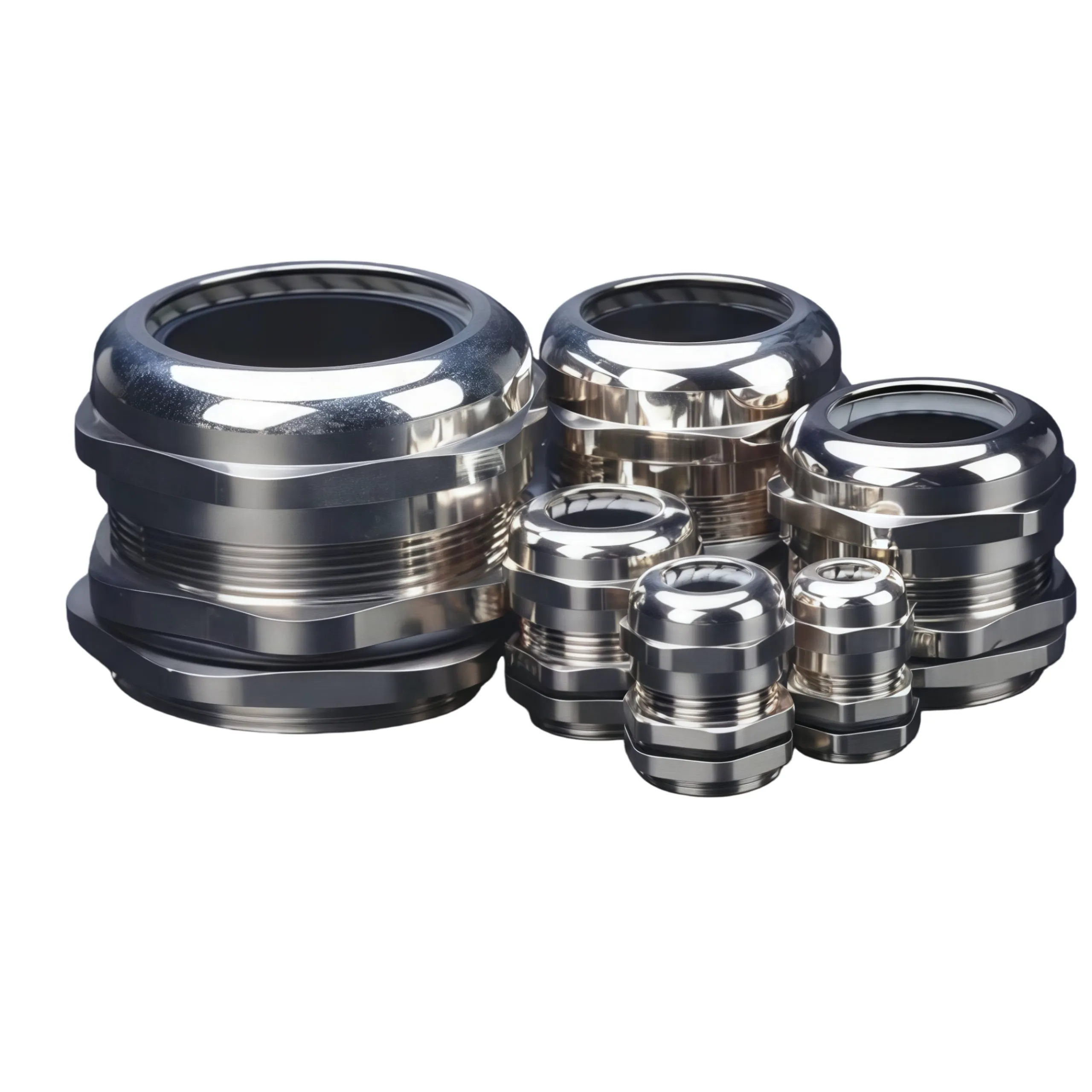 Waterproof Cable Gland IP68 metric M thread WZCHDA
Cable TiesNylon 66 cable ties from 60 to 1500mm, plus stainless steel SS304 and SS316 ties, PVC coated and double head versions.All Products
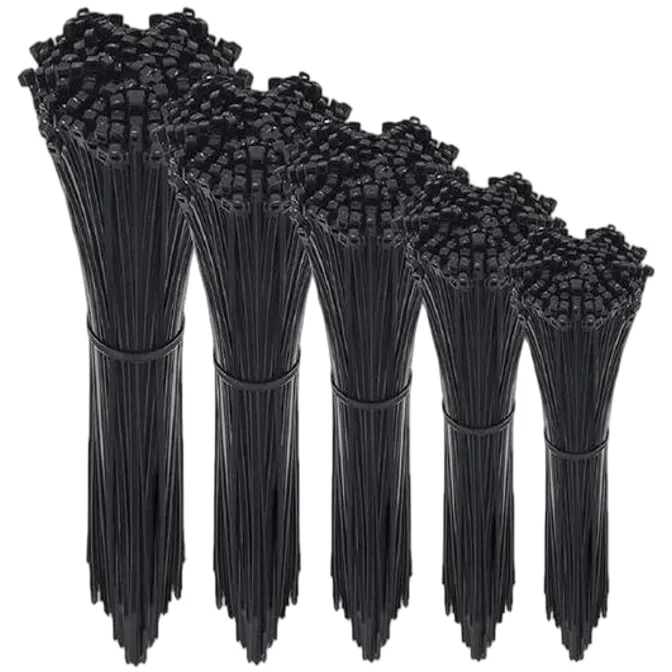 Cable Tie Nylon 66 1.9-10 mm 60-1500 mm ZHEJIN
 Heavy Duty Cable Tie SS304 / SS316 stainless steel 4.6-12 mm ZHEJIN
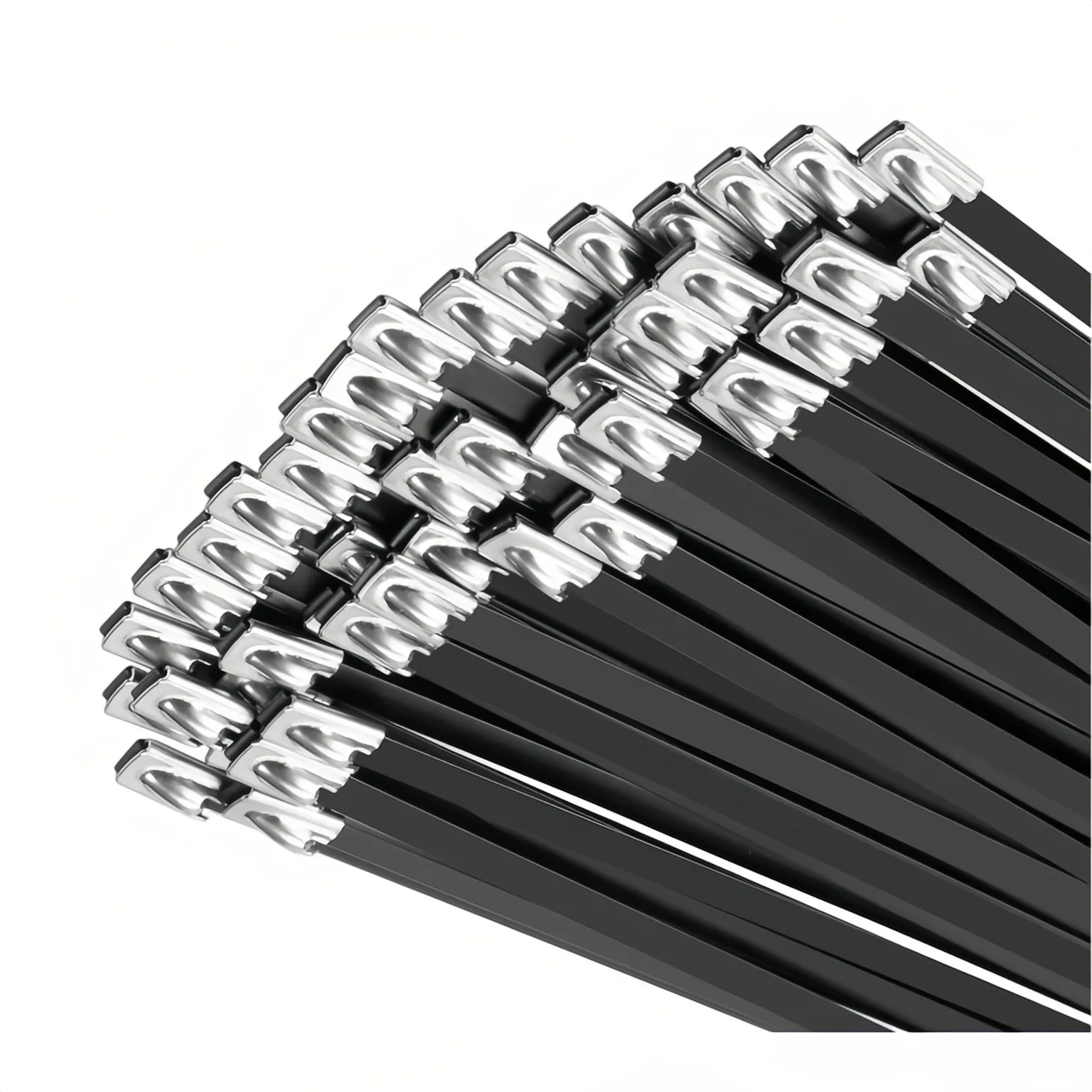 Metal Cable Tie PVC Coated SS304 / SS316 4.6-12 mm ZJS-PC ZHEJIN
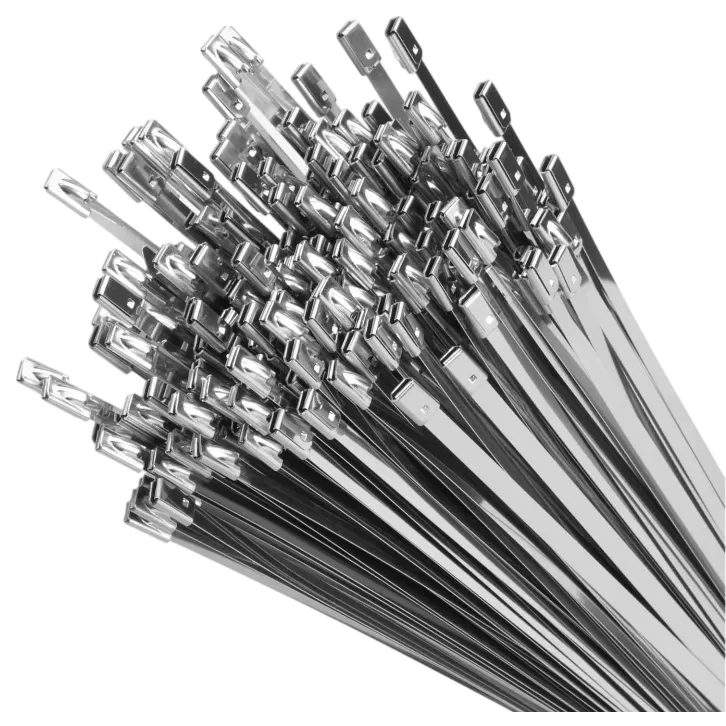 SS Cable Tie 12.3 / 16 / 25 mm ZJDS Double Head Heavy Duty ZHEJIN
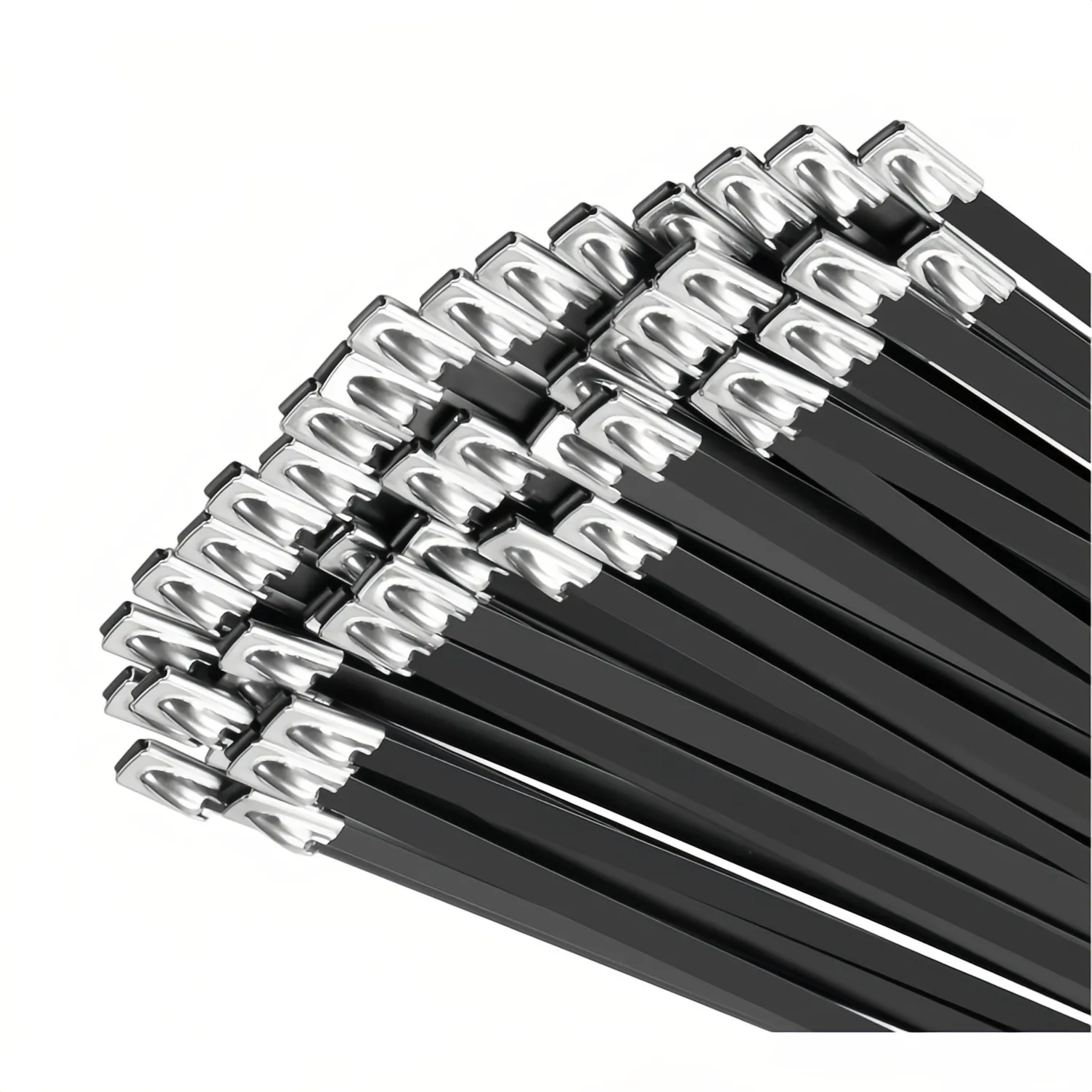 Stainless Steel Cable Tie in SS304 / SS316 ZJS-BC ZHEJIN
Corrugated ConduitFlexible corrugated conduit in PA66 nylon and polyethylene, AD7 to AD54.5, black, for cable routing in panels.All Products
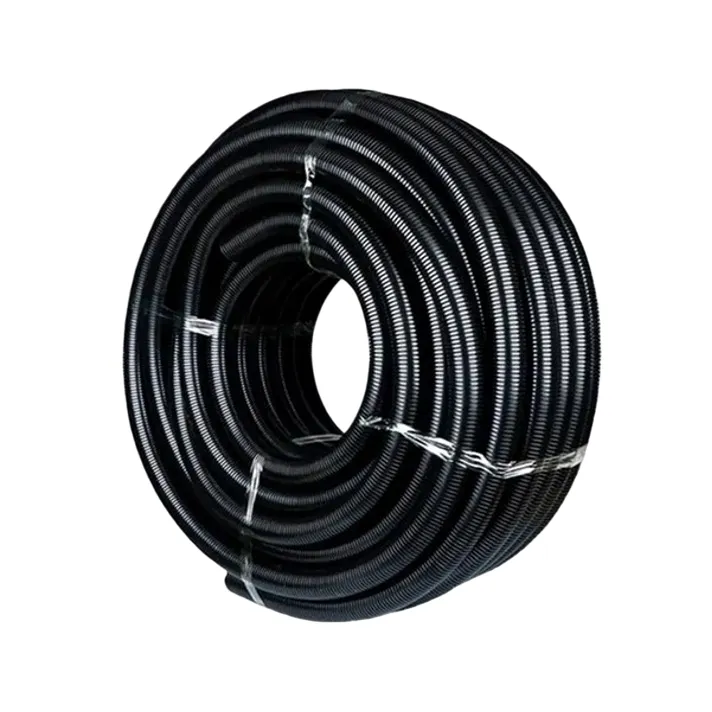 PA66 Corrugated Conduit AD10-AD54.5 nylon Black WZCHDA
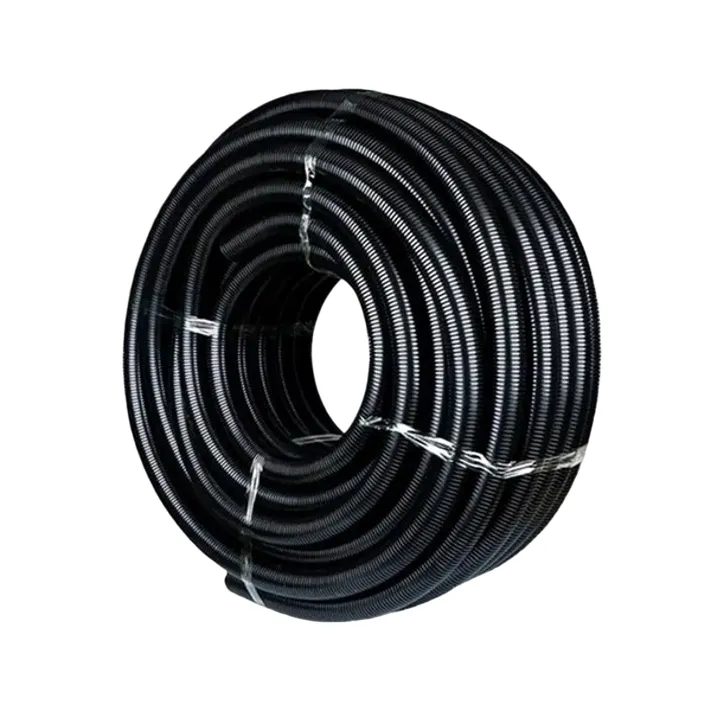 PE Corrugated Conduit polyethylene AD7-AD54.5 WZCHDA
Solar ConnectorsPhotovoltaic cable connectors rated 1000V and 1500V DC, 30A to 65A, IP67, for solar string connections and module wiring.All Products